Why Is My Winter Heath 'Darley Dale' Dropping Leaves?
Erica x darleyensis 'Darley Dale'
By the Greg Editorial Team
Apr 08, 2024•6 min read
This article was created with the help of AI so we can cover more plants for you. May contain errors. See one? Report it here.
- Leaf drop signals distress; monitor for environmental, pest, or disease causes.
- Balance light, temperature, and water to prevent leaf dropping in Winter Heath.
- Nutrition and care—use soil tests, fertilizers, and pruning for plant health.
Spotting the Signs: When Your Winter Heath 'Darley Dale' Is Unhappy
🍂 Identifying Symptoms of Leaf Dropping
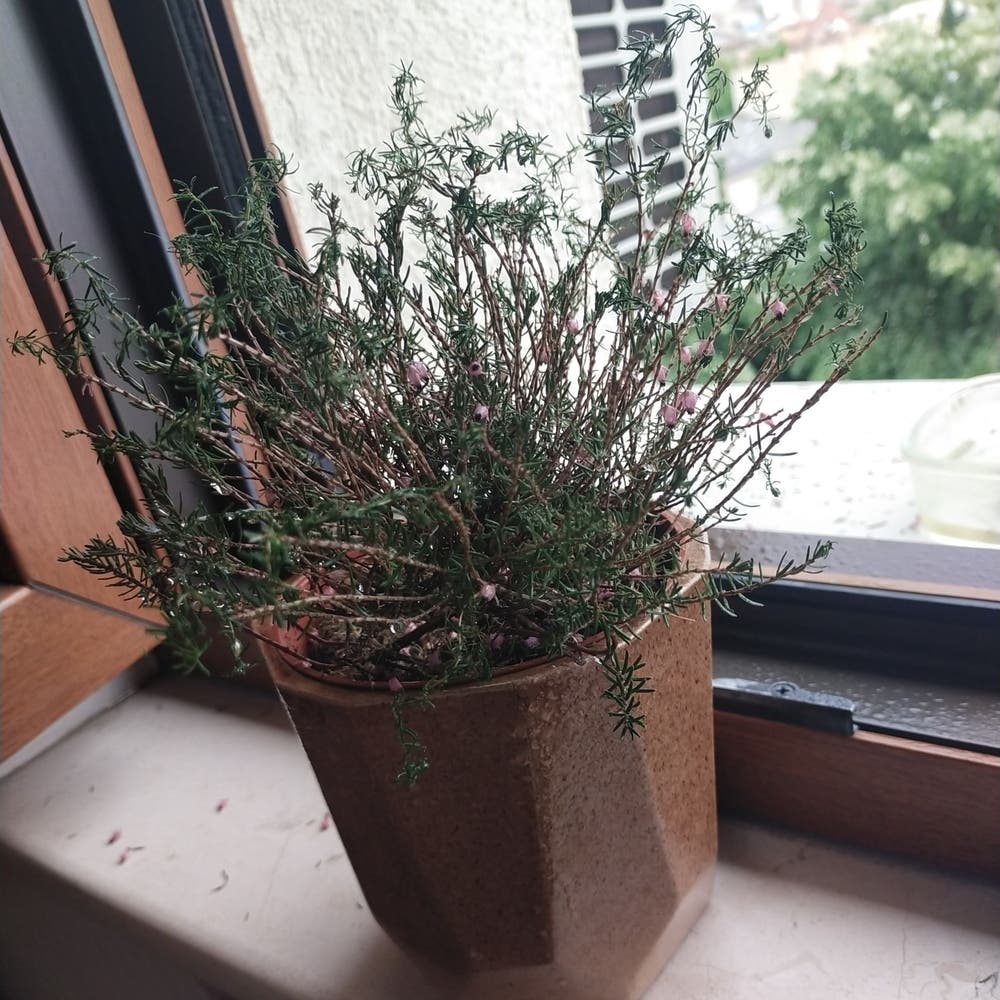
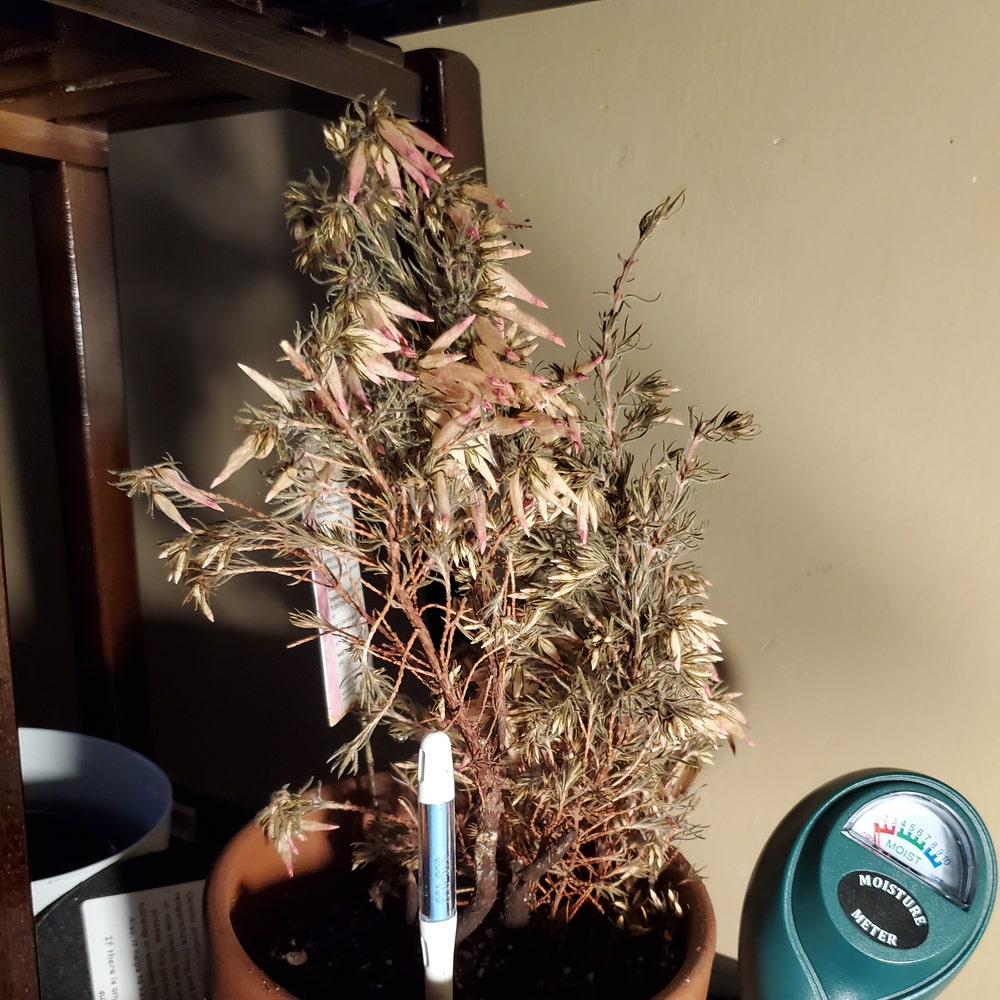
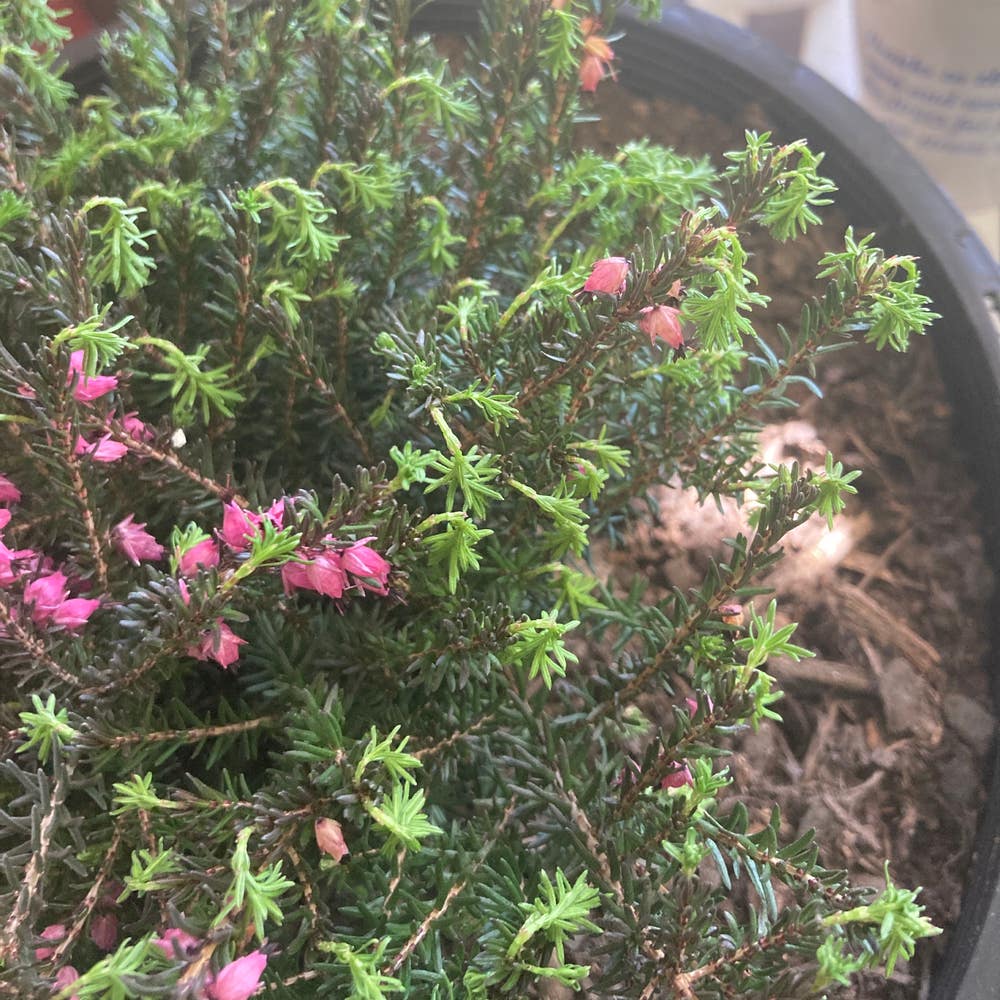
Leaf dropping in Winter Heath 'Darley Dale' can be a distress signal. If you're witnessing more leaves on the ground than usual, it's time to play plant detective. Look for patterns: Is the leaf drop consistent or sporadic? Are certain branches more affected than others? These clues can help pinpoint the underlying issue.
🍁 Recognizing Patterns and Severity of Leaf Loss
Severity matters. A few leaves here and there might not ring alarm bells, but if your 'Darley Dale' is shedding like it's preparing for a bald winter, take note. Are the leaves dry and brittle, or just casually falling off? Is the leaf loss progressing from the bottom up, or is it a free-for-all? These observations are critical for diagnosis.
The Usual Suspects: Common Causes of Leaf Dropping
🌿 Environmental Stressors
🌡️ Battling Temperature Extremes
Winter Heath 'Darley Dale' has a comfort zone. If it's too hot or too cold, the leaves might as well be jumping ship. Consistency in temperature is key to preventing a leafy exodus.
💡 Light and Your Winter Heath
This plant doesn't appreciate the extremes of a spotlight or the dark corners of a room. Aim for that Goldilocks level of light—bright but indirect—to keep the foliage firm.
🚰 Watering Woes
Too much water, and you're drowning the roots; too little, and you're parching them. Striking a balance is crucial—keep the soil consistently moist but never soggy.
🐜 Pests and How to Show Them the Door
🕵️♂️ Common Culprits
Aphids and spider mites are like the worst kind of party crashers. They suck the life out of leaves, causing them to droop and drop. Regular inspections are your best defense.
🛡️ Integrated Pest Management
Don't just reach for the chemical warfare. Introduce natural predators, like ladybugs, and use insecticidal soap sparingly. It's about creating an ecosystem that keeps pests in check.
🦠 Diseases That Cause Drama
🍄 Root Rot and Fungal Foes
Dark, mushy roots? You've got yourself a case of root rot. Fungal infections can also be the drama queens of plant diseases. Air circulation and proper watering are your plant's best friends here. If things get dire, consider a fungicide, but remember, prevention is better than cure.
Feeding Your Winter Heath 'Darley Dale': Nutritional Needs and Deficiencies
💪 Essential Nutrients to Prevent Leaf Dropping
Winter Heath thrives in nutrient-poor soils, but that doesn't mean it's a fan of starvation diets. A soil test is your best friend here—it's like a sneak peek into your plant's pantry. Once you know what's missing, you can consider a balanced fertilizer. Think of it as a multivitamin for your plant; it's all about giving it what it needs, not what it doesn't.
🌱 Soil Amendments and Fertilizers: What Works Best
When it comes to soil amendments, less is more. Overfeeding is the plant equivalent of binge eating; it does more harm than good. Stick to a light hand with fertilizers, especially during the plant's dormant winter phase. Remember, your Winter Heath isn't running a marathon; it's more like it's lounging on the couch, so don't load it up with a heavy meal.
🕰️ When to Fertilize
During the growing season, your plant's appetite goes up. Regular feeding is key, but as winter approaches, ease off. It's not the time for growth spurts, so think of fertilization as a seasonal affair.
🌿 Choosing the Right Fertilizer
A balanced 5-5-5 fertilizer or compost can work wonders. It's like choosing a well-rounded diet over a fad one. Compost provides a slow-release of nutrients, mimicking the natural feeding process, and avoiding the shock of chemical fertilizers.
🌾 Micronutrients Matter Too
While nitrogen, phosphorus, and potassium (N-P-K) get all the glory, don't forget about the micronutrients. They're the unsung heroes that keep your plant's performance on point. A lack of these can lead to subtle signs of distress, like a slight yellowing of leaves.
🍂 Mulching: An Ally in Nutrition
Organic mulch isn't just a pretty face; it's a triple threat, conserving moisture, regulating soil temperature, and improving soil fertility. It's like a cozy blanket that also magically feeds your plant.
In short, feed your Winter Heath 'Darley Dale' with a balanced approach. Test the soil, choose the right fertilizer, and remember, timing is everything. Keep it light, keep it balanced, and your plant will thank you by holding onto its leaves.
Rescue and Recovery: Reviving Your Winter Heath 'Darley Dale'
🍂 Immediate Steps for Leaf Drop Crisis
If your Winter Heath 'Darley Dale' starts shedding leaves like a dog in summer, don't panic. First, prune the sad-looking leaves. This isn't a defeat; it's a strategic retreat, redirecting energy to the healthy parts of the plant. Next, check your plant's location. If it's baking like a pie in the sun or shivering like it's stuck in a freezer, move it. These plants crave stability.
🌱 Long-Term Strategies for Plant Health
For the long haul, think of your Winter Heath as a finicky guest. Monitor its environment regularly. Ensure it's not sitting in soggy soil or parched earth—water only when the topsoil feels like a wrung-out sponge. Keep the light consistent, bright but not glaring, like a cloudy day in spring.
💡 Nutritional Vigilance
Feed your plant with a balanced fertilizer, but remember, less is more. Overfeeding is like stuffing your face with vitamins and expecting to become Superman—it doesn't work and can cause more harm than good.
🛡️ Pest and Disease Defense
Stay on pest patrol. If you spot any freeloaders, show them the door quickly. For diseases, act fast; root rot doesn't play around. If you're out of your depth, don't hesitate to call in a professional. Sometimes, you need the big guns.
🏋️ Acclimating and Adapting
Finally, be ready to adapt. If your plant is dropping leaves like a tree in autumn, reassess your care routine. Flexibility is key—be prepared to pivot your care strategy like a pro basketball player dodges defenders. Keep a log of what you do; it's like detective work for plant care. What works is gold. What doesn't is a lesson learned.
⚠️ Safety First
This content is for general information and may contain errors, omissions, or outdated details. It is not medical, veterinary advice, or an endorsement of therapeutic claims.
Always consult a qualified healthcare professional before using any plant as food, medicine, or supplement.
Never eat any plant (or feed one to pets) without confirming its identity with at least two trusted sources.
If you suspect poisoning, call Poison Control (800) 222-1222, the Pet Poison Helpline (800) 213-6680, or your local emergency service immediately.
Spotted an error? Please report it here.
Pinpoint the cause of your Winter Heath 'Darley Dale's leaf loss and nurture 🌿 it back to health with Greg's custom care plan and real-time environment tracking.