What Do I Do About winter heath 'darley dale' root rot?
Erica x darleyensis 'Darley Dale'
By the Greg Editorial Team
Apr 08, 2024•4 min read
This article was created with the help of AI so we can cover more plants for you. May contain errors. See one? Report it here.
- 🍂 Yellow leaves and brown roots signal root rot in 'Darley Dale'.
- 🚫 Overwatering and poor drainage are main causes; adjust watering habits.
- ✂️ Prune affected roots and use copper-based fungicide for treatment.
Spotting the Red Flags: Recognizing Root Rot Symptoms
🚩 Visual Clues
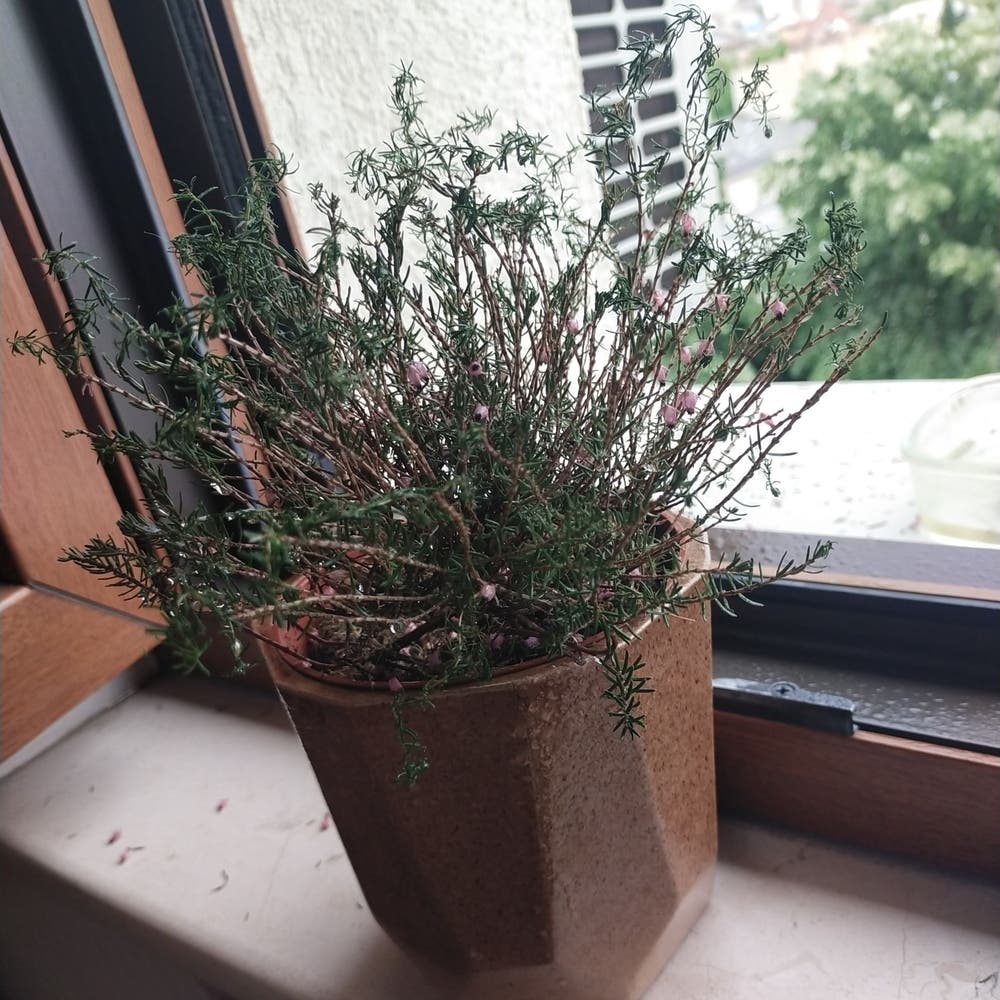
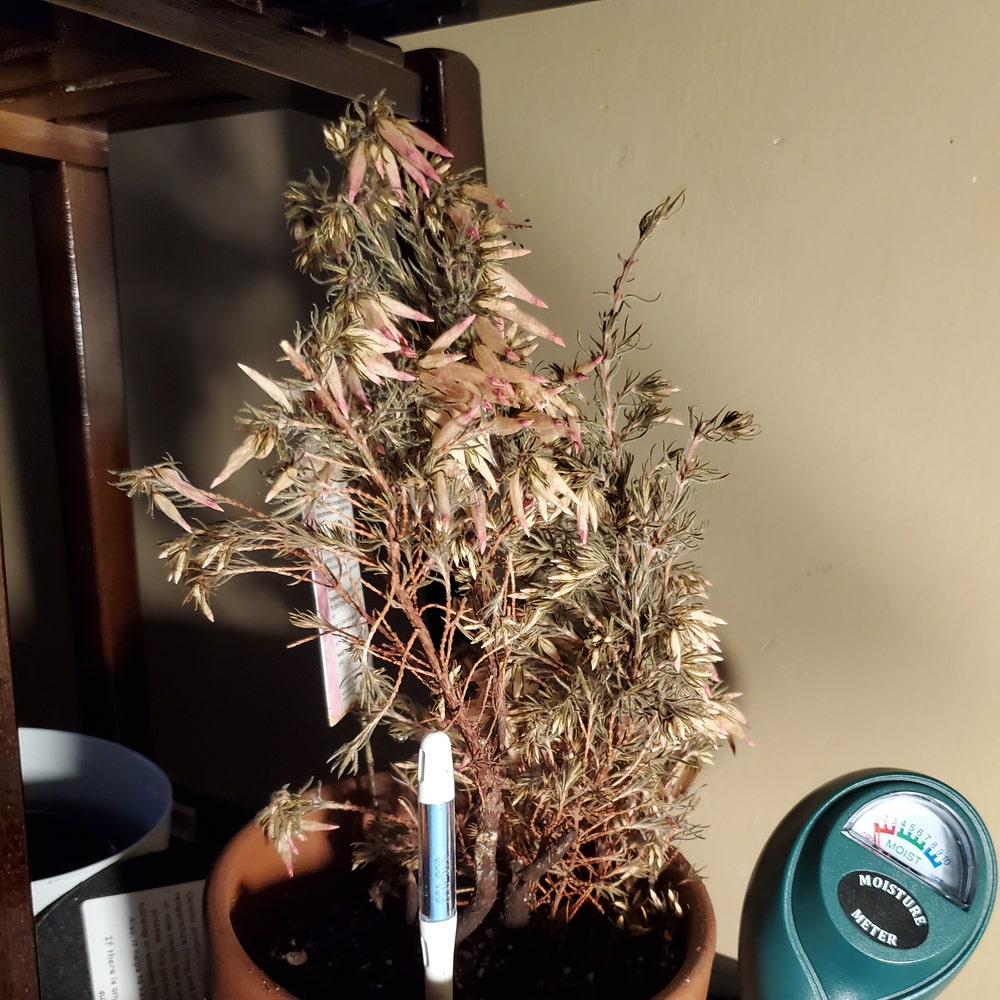
Winter Heath 'Darley Dale' is a resilient plant, but it's not immune to the sneaky adversary known as root rot. When the foliage starts to look like it's on a hunger strike, turning yellow or developing brown patches, it's time to suspect foul play. These visual cues are your plant's version of a distress flare, signaling that all is not well below the soil line.
🕳️ Below the Surface
Roots are the foundation of your plant's health, and when they start resembling overcooked spaghetti, it's a surefire sign of trouble. Healthy roots are firm and white, but if you unearth roots that are brown, mushy, or emitting a stench reminiscent of last week's forgotten leftovers, it's time to acknowledge a root rot crisis. Don't let the soil's surface fool you; the real story is unfolding in the underground labyrinth of your plant's root system.
Getting to the Root of the Problem: Causes of Root Rot
💧 Water Woes
Overwatering is the chief villain in the tale of root rot. It's not the volume of H2O that's the issue; it's the frequency that suffocates roots. Roots need oxygen just as much as water, and without a proper balance, you're essentially drowning them.
🚰 Drainage Dilemmas
Poor drainage is the accomplice to overwatering's crime. If water can't escape the pot, it's an all-access pass for root rot. Make sure your plant's pot has adequate drainage holes and isn't sitting in a saucer full of water.
🍄 Fungal Foes
Meet the usual suspects: Phytophthora and Pythium. These fungi are the culprits behind the root rot heist, thriving in waterlogged conditions. They're not alone, though; other pathogens like Rhizoctonia spp. and Armillaria are also lurking, ready to attack weakened roots.
Conditions for Growth
These pathogens are like opportunistic thieves, exploiting any weakness. Overwatering and poor drainage create the perfect storm for these fungi to flourish. Keep the soil on the drier side to spoil their fun.
First Aid for Roots: Treating Root Rot
🏥 Surgical Steps
Pruning away rotten roots is akin to emergency surgery for your Winter Heath 'Darley Dale'. Sterilize your tools with alcohol or a bleach solution to prevent spreading disease. Gently extract the plant from its pot, shaking off excess soil to reveal the roots. Healthy roots are firm and white, while rotting ones are brown and mushy. Snip the bad roots, leaving only the healthy tissue.
💉 Fungicide to the Rescue
After the root-ectomy, protect the survivors with a copper-based fungicide. This is like slapping an antiseptic on a fresh wound. It's crucial to choose the right fungicide, so consult a professional or perform a fungal test to ensure compatibility. Apply according to the label—this isn't the time for improvisation.
Building Strong Roots: Prevention Strategies
🌱 Soil and Site Selection
Selecting the right soil and site is like choosing a good neighborhood for your Winter Heath 'Darley Dale'. It's all about location, location, location. Well-draining soil is non-negotiable; think sandy or loamy, not clay-heavy. Your plant's roots need to breathe, not take a swim. Consider adding gritty amendments like perlite or coarse sand if your soil is more 'wet blanket' than 'airy sponge'.
🏺 Pot and Repotting Considerations
If you're potting, make sure those containers have drainage holes. No holes? That's like locking your plant in a waterlogged jail cell. And don't even think about using regular garden soil; it's a one-way ticket to Root Rot City.
💧 Watering Wisdom
Watering is an art form, and your Winter Heath is the canvas. Early morning watering is the golden hour—it gives the leaves time to dry out and discourages uninvited fungal guests. Keep the soil moist but not soggy; overwatering is like throwing a pool party for root rot.
📊 Monitoring and Adjusting
Check the soil's top inch before watering—if it's dry, go ahead. If not, hold your horses. And remember, your watering schedule isn't set in stone; adjust according to weather conditions and the plant's growth stage. It's about stealth and precision, not a one-size-fits-all approach.
🌞 Environmental Factors
Finally, think about the big picture. Sunlight, airflow, and protection from harsh weather are all key players in the health of your Winter Heath. A bit of shade in scorching climates, a break from drying winds, and avoiding low spots where water collects will set your plant up for a thriving existence.
⚠️ Safety First
This content is for general information and may contain errors, omissions, or outdated details. It is not medical, veterinary advice, or an endorsement of therapeutic claims.
Always consult a qualified healthcare professional before using any plant as food, medicine, or supplement.
Never eat any plant (or feed one to pets) without confirming its identity with at least two trusted sources.
If you suspect poisoning, call Poison Control (800) 222-1222, the Pet Poison Helpline (800) 213-6680, or your local emergency service immediately.
Spotted an error? Please report it here.
Banish the fear of root rot 🛡️ with Greg's tailored watering schedule, ensuring your winter heath thrives without the overwatering blues.