Black Spots on My Winter Heath 'Darley Dale' Leaves
Erica x darleyensis 'Darley Dale'
By the Greg Editorial Team
Apr 08, 2024•2 min read
This article was created with the help of AI so we can cover more plants for you. May contain errors. See one? Report it here.
- Fungi like Cercospora cause black spots; early detection is crucial.
- Moist conditions and poor airflow exacerbate the issue.
- Smart watering and pruning can prevent and treat black spots.
Spotting the Trouble: Identifying Black Spots
🕵️♂️ Visual Clues
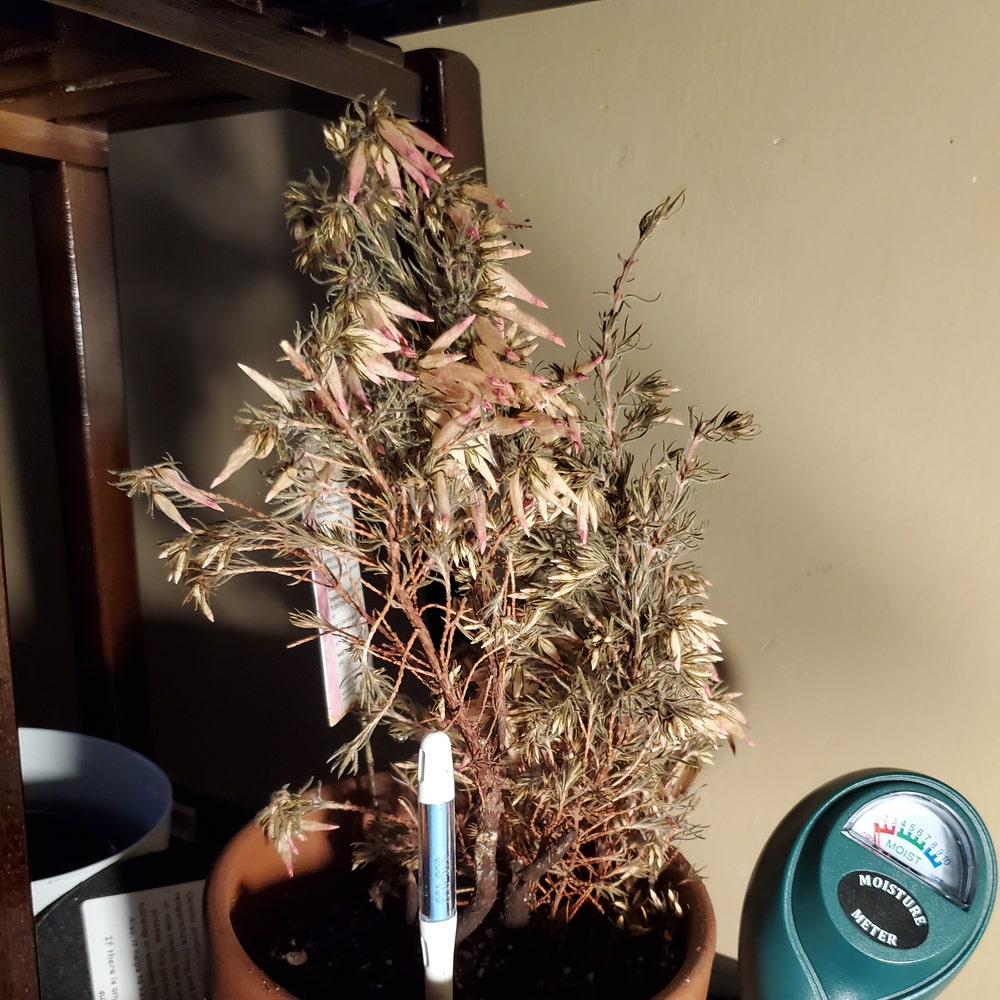
Black spots on Winter Heath 'Darley Dale' leaves are a red flag for gardeners. These spots often start as tiny specks and can grow into larger blotches, sometimes surrounded by a yellowish halo. They may appear raised or sunken and can emit a foul odor if a serious infection is present. It's crucial to catch these early, as they can quickly spread and cause significant damage to the plant's aesthetics and health.
Not to Be Confused With
Don't mistake natural leaf markings or minor scars for black spots. True black spots are typically irregular and can spread, unlike the symmetrical patterns of natural variegation. They're not the dry, brown patches from sun scorch, nor the subtle yellowing from nutritional deficiencies. If you see spots predominantly on the undersides of leaves or affecting new growth, it's likely not just a cosmetic issue. Keep an eye on the texture and color nuances; these details can help distinguish between a simple blemish and a sign of a more serious condition.
Rooting Out the Cause: Why Black Spots Appear
🍄 Fungal Culprits
Cercospora and Anthracnose are the party crashers behind the black spots on 'Darley Dale' leaves. These fungi thrive in moist conditions, exploiting any weakness in the plant's defenses. They're not picky guests; they'll settle wherever water lingers too long.
🌿 Environmental Triggers
It's not just the fungi; the environment is an accomplice. Excessive moisture from overwatering or poor drainage sets the stage. Then there's the stagnant air, which might as well be a fungal incubator. And let's not forget temperature; these fungi prefer it like a mild spring day, not too hot, not too cold. Keep the air moving, the soil draining, and the watering in check to avoid sending out invitations to these unwanted guests.
Plant Care 101
Choosing the Right Plant for Your Space
Watering Dos and Don'ts
Soil and Fertilizer Basics
Dealing with Pests and Diseases
⚠️ Safety First
This content is for general information and may contain errors, omissions, or outdated details. It is not medical, veterinary advice, or an endorsement of therapeutic claims.
Always consult a qualified healthcare professional before using any plant as food, medicine, or supplement.
Never eat any plant (or feed one to pets) without confirming its identity with at least two trusted sources.
If you suspect poisoning, call Poison Control (800) 222-1222, the Pet Poison Helpline (800) 213-6680, or your local emergency service immediately.
Spotted an error? Please report it here.
Eradicate black spots on your Winter Heath 'Darley Dale' and maintain pristine leaves 🍃 with Greg's custom watering schedules and alerts to prevent over-moisture conditions.