Why Are My Winter Heath 'Darley Dale' Leaves Curling?
Erica x darleyensis 'Darley Dale'
By the Greg Editorial Team
Apr 08, 2024•5 min read
This article was created with the help of AI so we can cover more plants for you. May contain errors. See one? Report it here.
- Curling indicates distress, not all curling is problematic.
- Combat curling with balanced watering and proper environmental control.
- Prevent pests and fungus to maintain healthy Winter Heath 'Darley Dale'.
Spotting the Signs of Leaf Curling
🍃 Identifying Leaf Curling
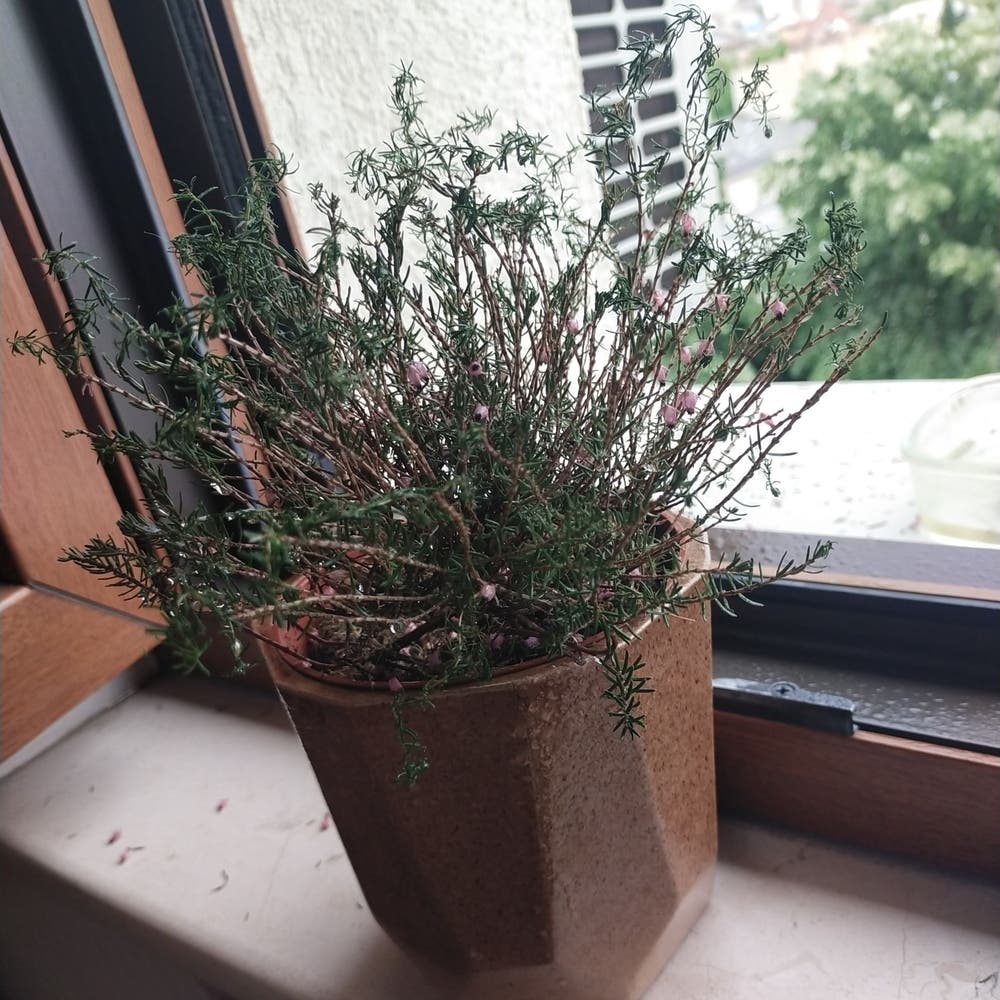
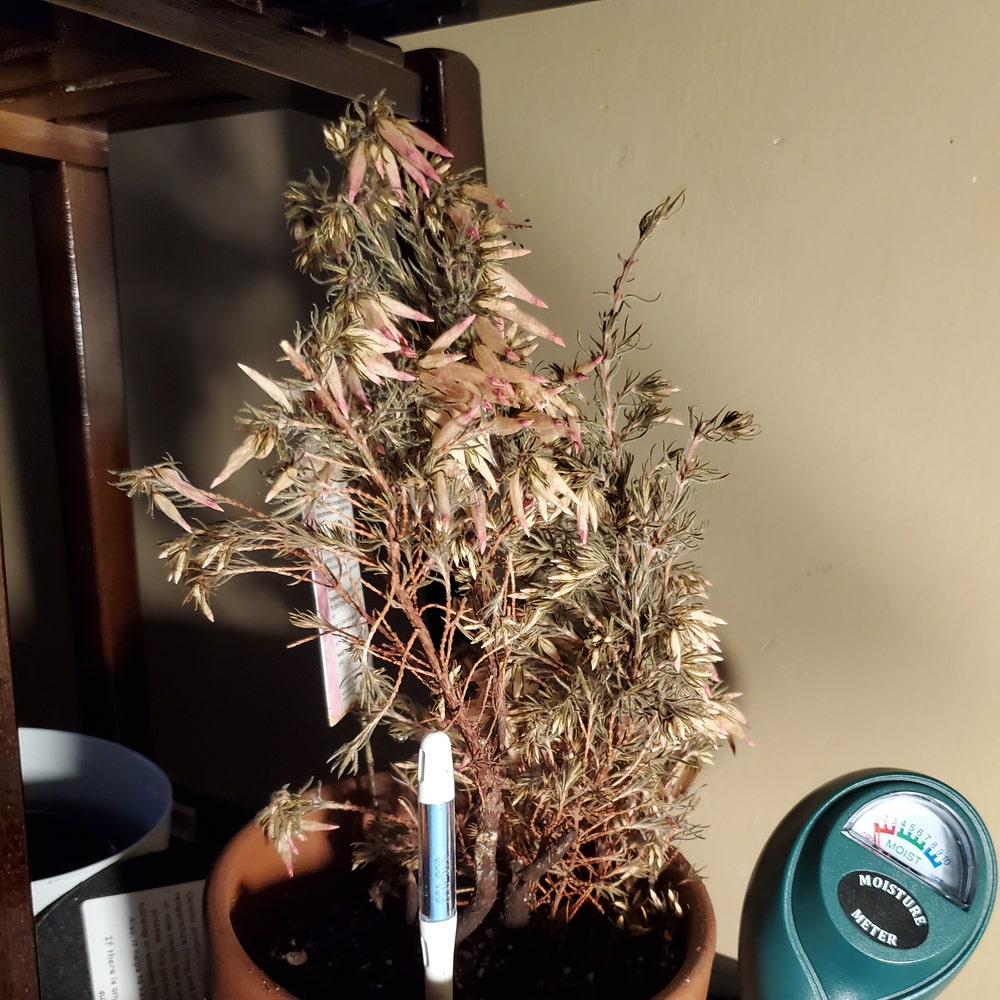
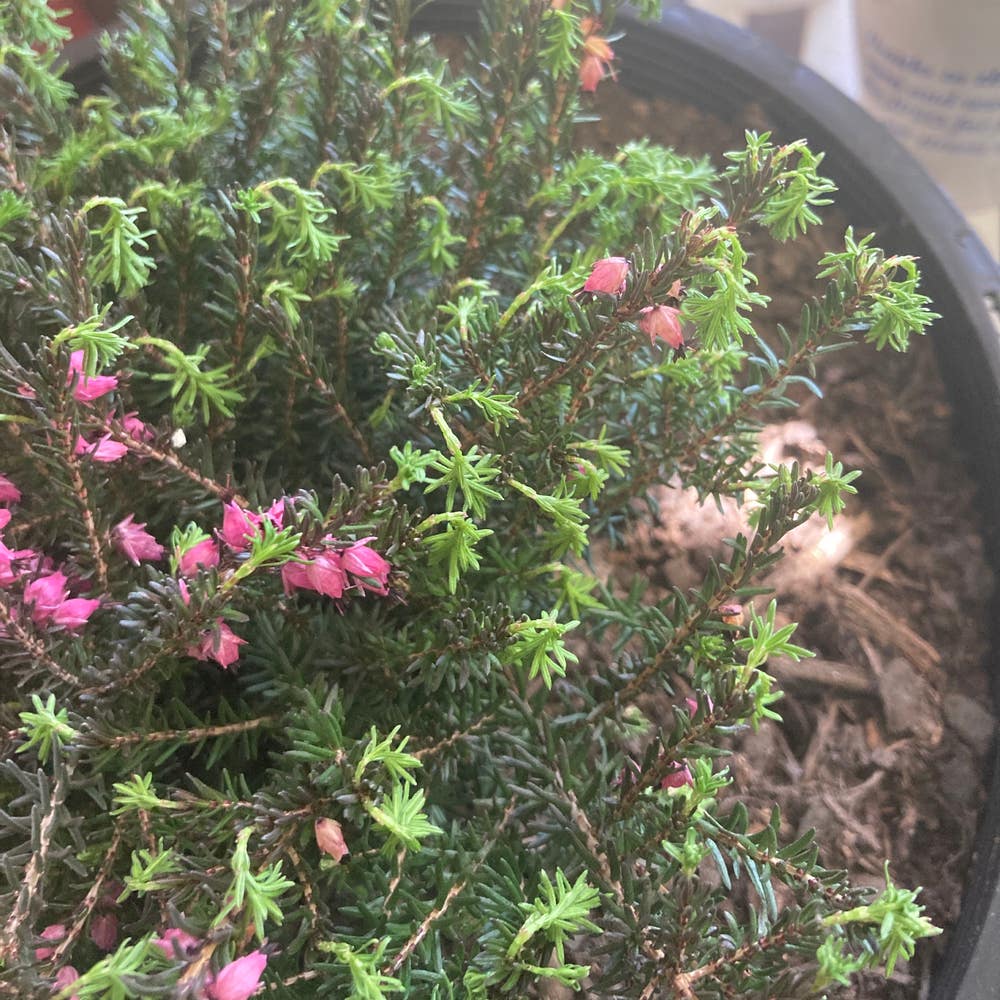
In the realm of Winter Heath 'Darley Dale', leaf curling is a visual alarm bell. This evergreen shrub, known for its needle-like leaves, should maintain a relatively flat and open demeanor. When you spot leaves that look more like crumpled paper than their usual sprightly selves, it's time to pay attention. The leaves may twist, fold, or roll inward, a stark contrast to their natural state.
🌀 Differentiating Between Natural and Problematic Curling
Not all curling is a cry for help. Some natural curling occurs as new leaves emerge, characterized by gentle and uniform shaping. However, when the curling seems forced, with leaves appearing tightly coiled or displaying additional distress signals like crispy edges or discoloration, it's indicative of a plant in distress. It's essential to recognize these signs early, as they often precede more severe problems.
Unraveling the Causes of Leaf Curling
🌿 Environmental Factors
Temperature extremes and improper watering are like the two horsemen of the plant-pocalypse when it comes to leaf curling. Your Winter Heath 'Darley Dale' is no exception.
🌡️ Temperature Tantrums
When the mercury plummets or skyrockets, expect to see some leaf theatrics. Heat waves make leaves curl up tighter than a miser's fist, while cold snaps can have them rolling up like a yoga mat.
💧 Water Woes
Watering is less about routine and more about reading the room—or soil, to be exact. Overwatering is like giving your plants a bath when they just need a sip, and underwatering is akin to sending them on a desert trek without a canteen.
🐛 Pests That Target Winter Heath
Unwelcome visitors like aphids, spider mites, and thrips are the freeloaders of the plant world, sucking the life out of leaves and leaving them curled and defeated.
👀 Spot the Squatters
Be your plant's bouncer and check for webbing, sticky residue, or tiny critters—these are the calling cards of pests throwing a house party at your plant's expense.
🍄 Fungal Foes
Fungal infections are the stealthy ninjas of the plant disease world, often going unnoticed until the leaf curling gives them away.
🕵️♂️ Symptoms to Scout For
Look for powdery residues, dark spots, or distorted growth. These are the tell-tale signs that a fungal fiend is feasting on your foliage.
🦠 Fungus Among Us
Powdery mildew and Botryosphaeriaceae-related fungi are the usual suspects. They're like the plant world's supervillains, causing leaves to curl and distort in a desperate SOS signal.
Turning Over a New Leaf: Solutions for Curling
💧 Balancing Water and Humidity
Adjusting watering practices is crucial to prevent leaf curling. Ensure the soil is like a wrung-out sponge—moist but not soggy. Let the top inch dry out before the next watering. If your tap water could pass for a mineral exhibit, switch to filtered or rainwater to avoid chemical stress.
🐜 Winning the Pest Battle
Pests loathe cleanliness as much as teenagers hate chores. Keep the area tidy and foliage pristine to deter invaders. If pests are already throwing a party, send them packing with insecticidal soap or neem oil. Act swiftly, isolating the affected plant like an unruly guest at a gala.
🍄 Fungus Among Us: Treatment and Prevention
Fungal foes thrive in stale, moist air. Introduce a fan or crack a window to disrupt their playground. If humidity's the culprit, a dehumifier can be your knight in shining armor. For existing infections, fungicides may be necessary, but use them as directed—no more, no less. Remember, prevention is better than cure, so keep your tools clean and your plant's environment stable to avoid future outbreaks.
Keeping Your Winter Heath Happy
💧 Soil and Sunlight: Getting the Basics Right
Ensuring the right soil pH and sunlight exposure is crucial to prevent stress-induced curling in Winter Heath 'Darley Dale'. These plants prefer slightly acidic to neutral soil, which allows for optimal nutrient uptake. If the pH isn't in the sweet spot, it's like locking the pantry door on a hungry teenager—your plant can't access the food it needs.
Sunlight is another key player. Winter Heath thrives in full sun to partial shade. Too much shade, and it's like keeping an extrovert in isolation—your plant won't flourish. Conversely, too much direct sun can scorch the leaves, akin to a pale-skinned sunbather at high noon without sunscreen. Strike a balance to keep your plant happy.
🌬️ Seasonal Care Adjustments
As the seasons change, so should your care routine. In the cooler months, water less frequently. It's like adjusting your layers according to the weather—your plant doesn't need as much hydration when it's not sweating under the summer sun.
During winter, be vigilant about frost protection. Winter Heath can handle the cold, but it's not the plant equivalent of a polar bear. Use mulch to insulate the roots, and if you're in a particularly frosty area, consider covering your plant on those especially chilly nights.
Come spring, it's time to ease up on fertilization. Think of it as your plant coming out of hibernation and needing a good breakfast to start the day. But don't overdo it—too much fertilizer is like an all-you-can-eat buffet for a plant that's not actually that hungry.
Remember, consistency is your best friend. Keep the soil moist but not waterlogged, and ensure good drainage to avoid root rot. It's about creating a stable environment where your Winter Heath can thrive without throwing a leaf-curling tantrum.
⚠️ Safety First
This content is for general information and may contain errors, omissions, or outdated details. It is not medical, veterinary advice, or an endorsement of therapeutic claims.
Always consult a qualified healthcare professional before using any plant as food, medicine, or supplement.
Never eat any plant (or feed one to pets) without confirming its identity with at least two trusted sources.
If you suspect poisoning, call Poison Control (800) 222-1222, the Pet Poison Helpline (800) 213-6680, or your local emergency service immediately.
Spotted an error? Please report it here.
Solve your Winter Heath 'Darley Dale' leaf curling conundrum and nurture with precision 🌡 using Greg's custom care plans that tackle temperature, watering, and pests.