🌞 Does My Winter Heath 'Darley Dale' Need Direct Sunlight?
Erica x darleyensis 'Darley Dale'
By the Greg Editorial Team
Apr 08, 2024•4 min read
This article was created with the help of AI so we can cover more plants for you. May contain errors. See one? Report it here.
- Full sun with afternoon shade is ideal for Winter Heath 'Darley Dale'.
- Window direction matters for the right sunlight exposure.
- Seasonal adjustments needed for optimal plant health.
Sunlight Savvy: What Does Winter Heath 'Darley Dale' Prefer?
🌞 Defining Direct Sunlight for Winter Heath 'Darley Dale'
Direct sunlight is unfiltered solar energy that bathes plants in intense light, creating sharp shadows. Indirect sunlight, in contrast, is gentler, akin to light filtered through a sheer curtain. For plants, the distinction can mean the difference between thriving and merely surviving.
🌅 Winter Heath's Sunlight Sweet Spot
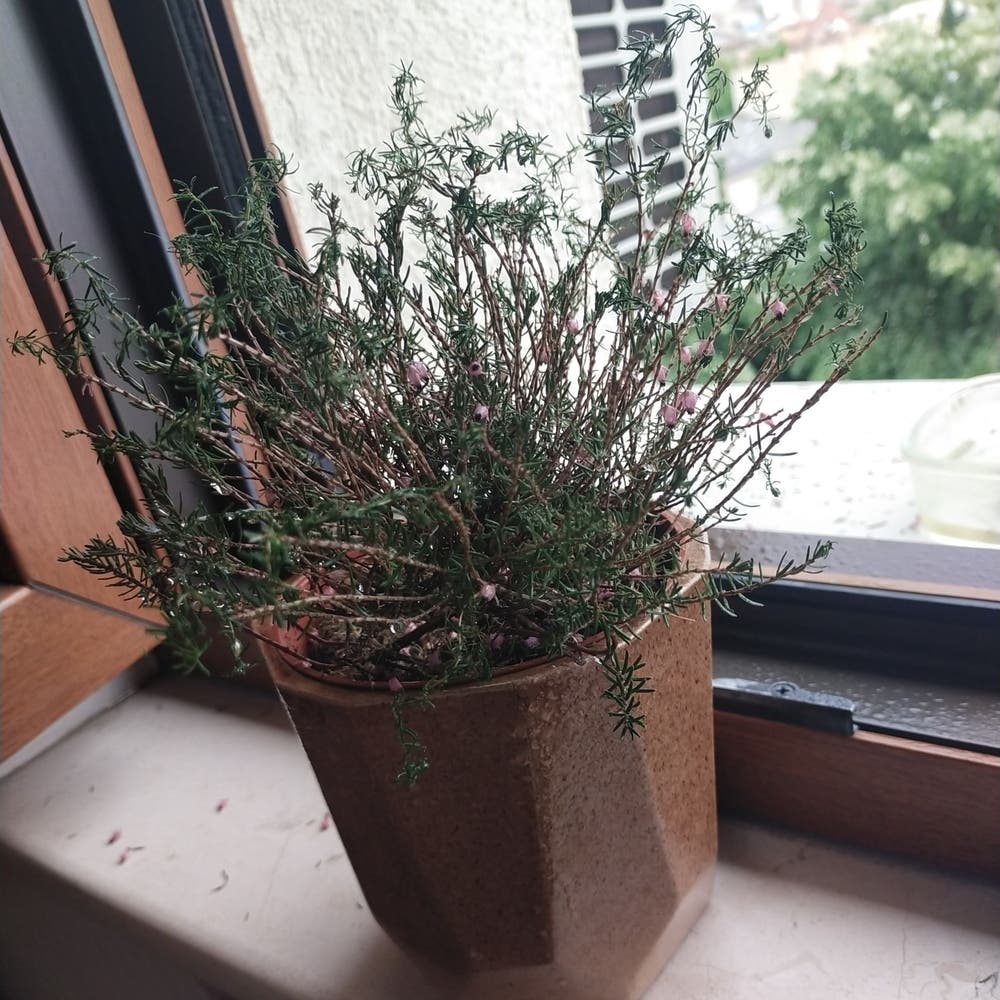
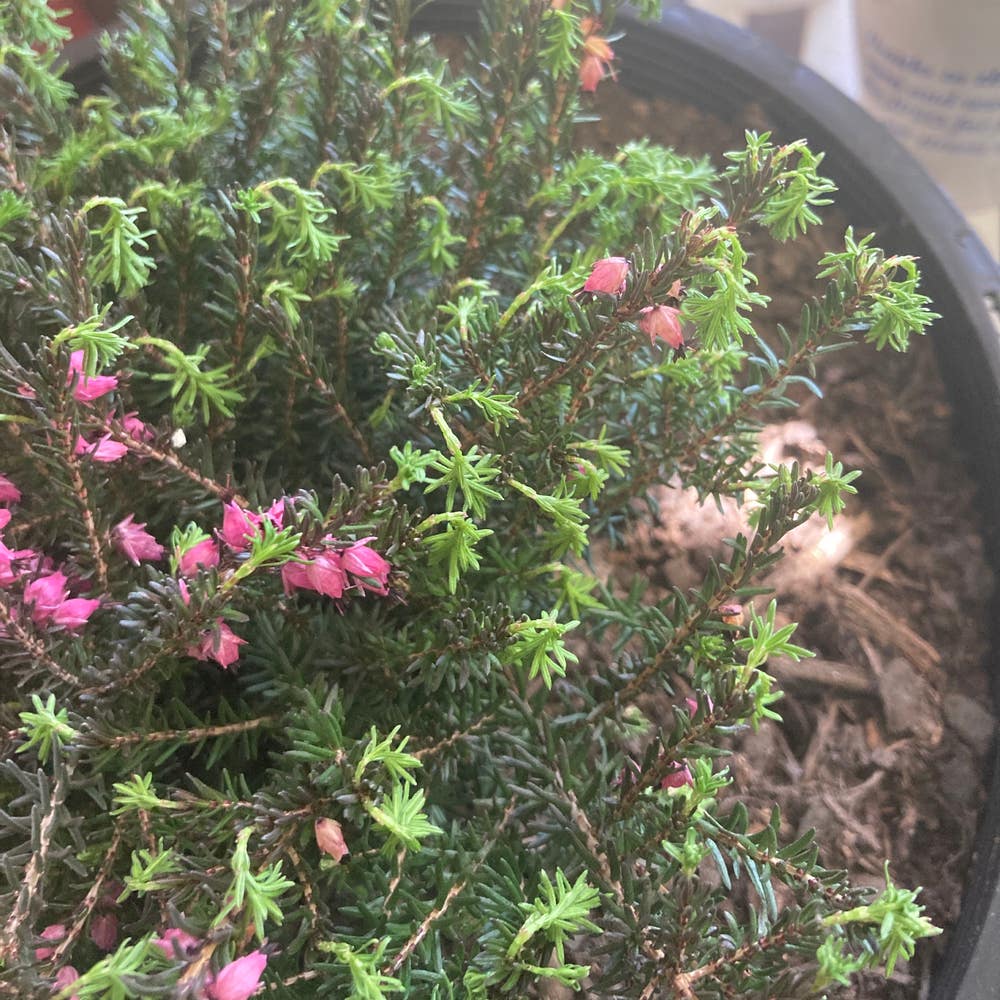
Winter Heath 'Darley Dale' flourishes in full sun, particularly in sandy, acidic, and well-drained soils. However, in areas with scorching summers, it appreciates some afternoon shade. Its natural habitat offers clues to its preferences; it's a plant that's no stranger to basking in the sun's glory but knows when to retreat to the coolness of partial shade.
When the Sun Hits Your Windows: Direction Matters
🌞 North, South, East, or West: Where to Place Your Plant
The direction your window faces isn't just about the view; it's a critical factor in your Winter Heath 'Darley Dale's sunbathing ritual. South-facing windows are the sun's VIP lounge, offering the most intense light show. If you're in the Northern Hemisphere, that is. Flip the script if you're down South; north-facing windows are where the party's at.
East-facing windows are the gentle morning coffee spots for your plant, while west-facing ones are like a late afternoon espresso shot—potent and sometimes too much. North-facing windows? They're the chill-out zone, offering the least light, which might just be perfect for your Winter Heath 'Darley Dale' if it's not a full sun worshipper.
Hemisphere Highlights
Your hemisphere isn't just a detail on a map; it's a key player in your plant's light diet. In the Northern Hemisphere, south-facing windows are the go-to for that sun-kissed vibe. Down South, it's the north-facing windows that are your Winter Heath's BFF.
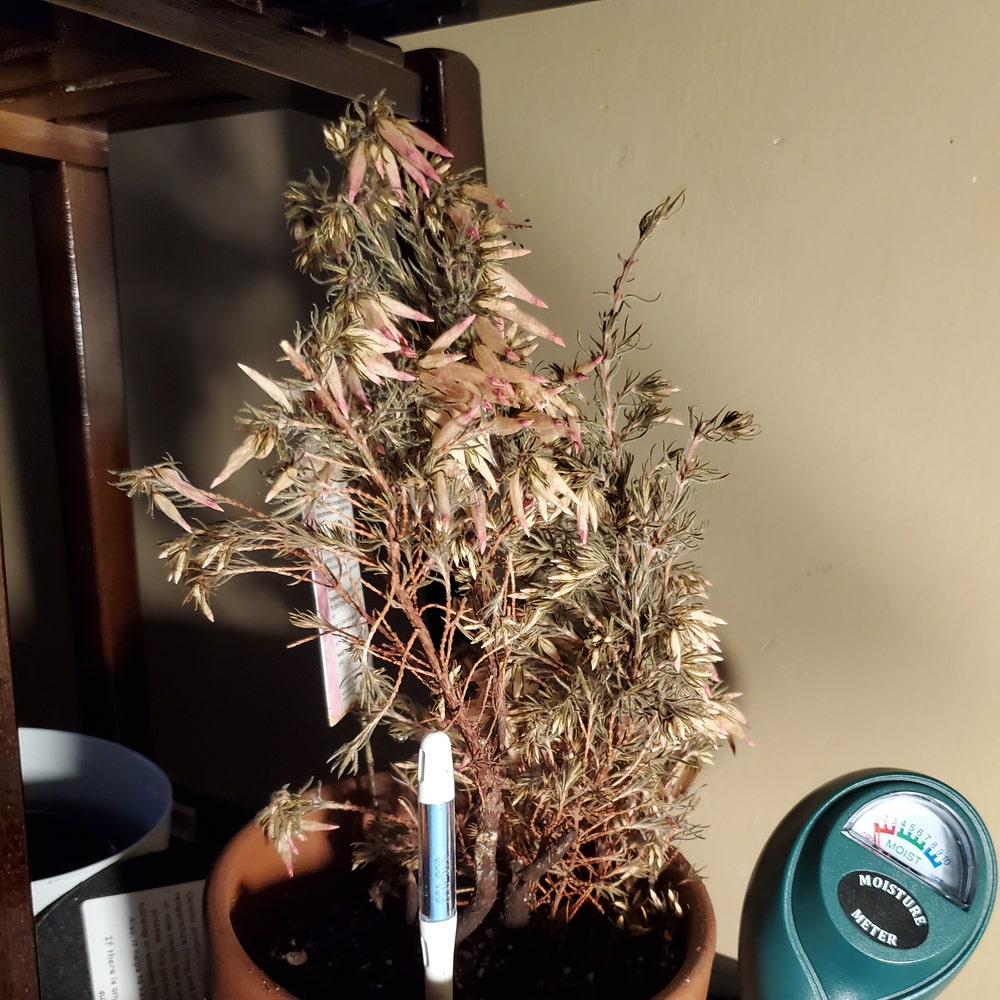
Remember, as seasons change, so does the sun's angle. Keep an eye on your plant; if it starts looking like it's reaching for more or begins to crisp up, it's time for a location shuffle. It's all about the seasonal shuffle—keeping your plant's tan in check without turning it into a crispy critter.
Seasonal Sun Shifts: Adapting Winter Heath 'Darley Dale' Care
🌞 Summer vs. Winter Sun Considerations
Winter Heath 'Darley Dale' demands a sunlight shuffle as seasons change. In summer, it's a game of dodgeball with the sun's fierce rays. Partial shade becomes its ally, especially during the heat of the afternoon. Come winter, the plant can soak up more sun without breaking a sweat, thanks to the sun's milder demeanor.
🌡️ Temperature and Humidity Tango
Temperature and humidity aren't just background dancers; they lead the tango with direct sunlight. Mild summers are Winter Heath's jam, but when the thermostat rises, it's time to slide into some shade. Winter's chill calls for a mulch blanket to keep the roots cozy. Humidity? It's low-key, but keep an eye out for dry spells that demand a drink.
Protecting Your Plant: Tips for Optimal Sunlight Exposure
🌞 Indoor Sunlight Strategies
Rotate your Winter Heath 'Darley Dale' to promote even growth and prevent it from leaning into the light. Use sheer curtains to diffuse intense sunlight, protecting your plant from the equivalent of a harsh solar glare. If your indoor lighting feels more like a cave than a conservatory, consider a grow light to keep things bright without the burn.
🌞 Outdoor Sunlight Solutions
When planting Winter Heath 'Darley Dale' outdoors, use natural elements like taller plants or trees to create a protective canopy. Alternatively, artificial structures such as pergolas or lattices can serve as stylish sun shields. Stay vigilant; if your plant shows signs of sun stress, don't hesitate to relocate it to a more forgiving spot. Remember, it's about finding that Goldilocks zone of sunlight—just right for your heath's happiness.
⚠️ Safety First
This content is for general information and may contain errors, omissions, or outdated details. It is not medical, veterinary advice, or an endorsement of therapeutic claims.
Always consult a qualified healthcare professional before using any plant as food, medicine, or supplement.
Never eat any plant (or feed one to pets) without confirming its identity with at least two trusted sources.
If you suspect poisoning, call Poison Control (800) 222-1222, the Pet Poison Helpline (800) 213-6680, or your local emergency service immediately.
Spotted an error? Please report it here.
Optimize your Winter Heath 'Darley Dale's sunbathing with Greg's PlantVision, ensuring it thrives with the perfect sunlight shuffle no matter the season 🌞.