Why Are My Winter Heath 'Darley Dale' Leaves Droopy?
Erica x darleyensis 'Darley Dale'
By the Greg Editorial Team
Apr 08, 2024•5 min read
This article was created with the help of AI so we can cover more plants for you. May contain errors. See one? Report it here.
- Overwatering and underwatering both cause droopiness; balance soil moisture.
- Soil and light matter: Improve drainage and ensure proper lighting.
- Maintain stable temperatures and avoid drafts for healthy Winter Heath leaves.
Pinpointing the Cause of Droopiness
💦 Overwatering Woes
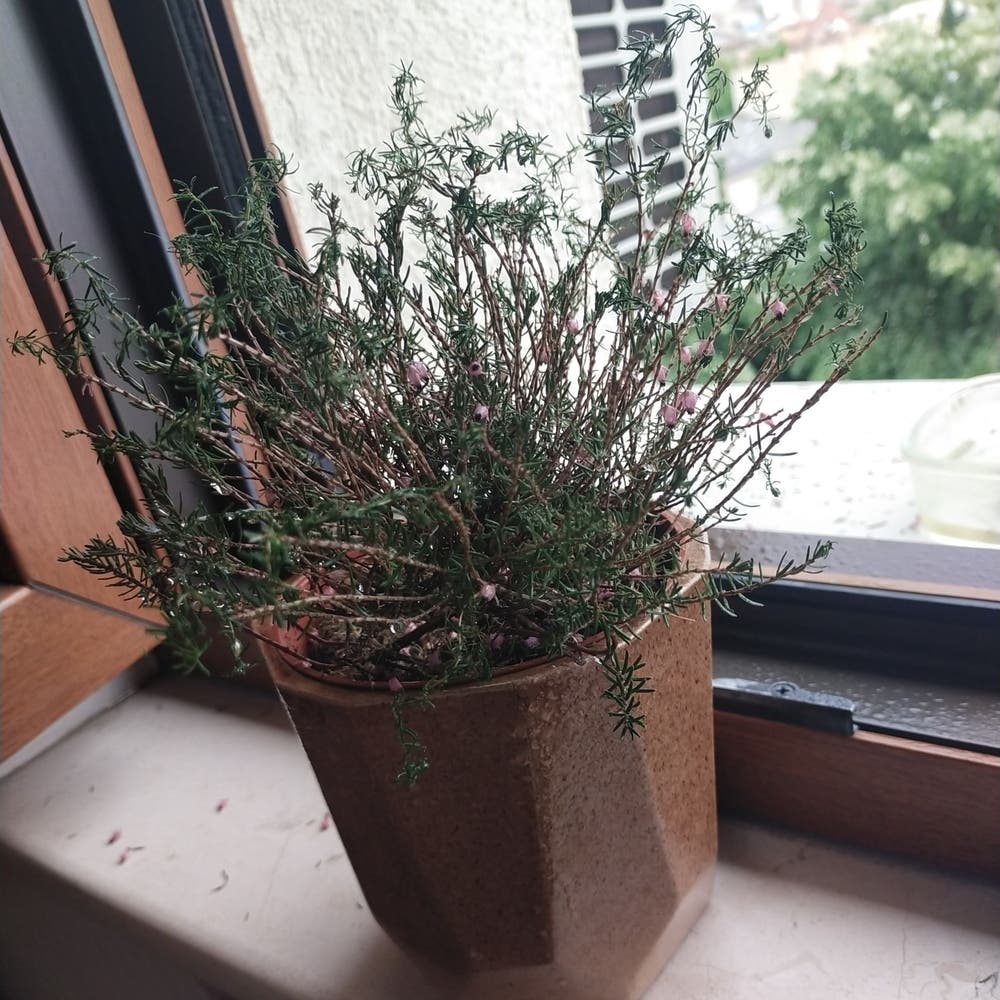
Overwatered Winter Heath 'Darley Dale' can exhibit signs like soggy soil, leaves that feel too soft, and a darker hue than usual. To check for overwatering, probe the top inch of soil; if it's wet, it's time to dial back. Adjust your routine by allowing the soil to dry slightly between waterings.
🏜️ Underwatering Troubles
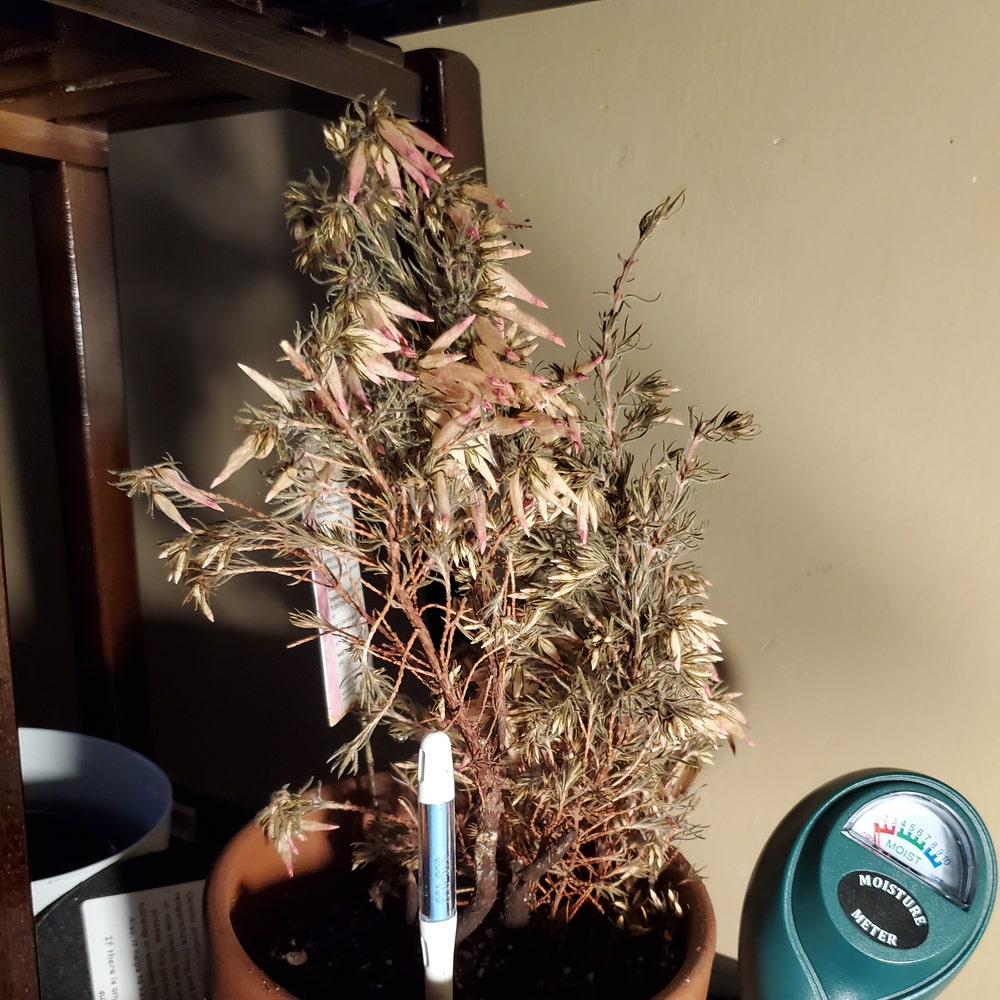
Conversely, underwatering leaves your plant as parched as a neglected cactus. Look for leaves that are crispy and soil that's as dry as a dust bowl. Establish a watering schedule that keeps the soil consistently moist, ensuring leaves stay perky.
🌱 Soil Situations
Soil that doesn't drain well or is too compact can lead to droopy leaves. Drainage is crucial; consider amending the soil with materials like perlite to improve water flow. For compacted soil, gently aerate to allow roots to breathe and water to penetrate effectively.
Environmental Stress and Leaf Droop
🌞 Light and Temperature Factors
In the quest to understand why your Winter Heath 'Darley Dale' leaves are more droopy than a teenager on Monday morning, let's shine a light on light and temperature. These two factors can make or break your plant's spirit, and getting them wrong is like showing up to a potluck with nothing but an empty dish.
Spotting the Trouble Signs
Too much light and your plant's leaves might crisp up like they've been in the sun too long. Too little, and they'll sag, lacking the energy to stand proud. Temperature is equally finicky; think of your plant as preferring a mild spring day rather than a summer scorcher or winter freeze.
Finding the Sweet Spot
The ideal scenario is a cozy spot with bright, indirect sunlight—like the kind that filters through a sheer curtain on a lazy afternoon. Temperature-wise, aim for a steady 65°F to 80°F (18°C to 27°C). Anything outside this range and your plant might start acting out.
🌟 Optimizing Light Conditions
If your home is on the dark side, consider artificial lighting. Fluorescent bulbs can be plant lifesavers, offering a sun-kissed glow without the UV damage. Remember to rotate your plant regularly to avoid lopsided growth; it's like ensuring everyone gets a turn during a game of musical chairs.
Temperature: Keeping It Cool (But Not Too Cool)
Avoid placing your plant near drafty windows or radiators. Sudden temperature changes are to plants what icebergs were to the Titanic. Keep a thermometer handy to monitor the climate, and if you're moving your plant indoors, do it as smoothly as a DJ transitions tracks.
Environmental Harmony
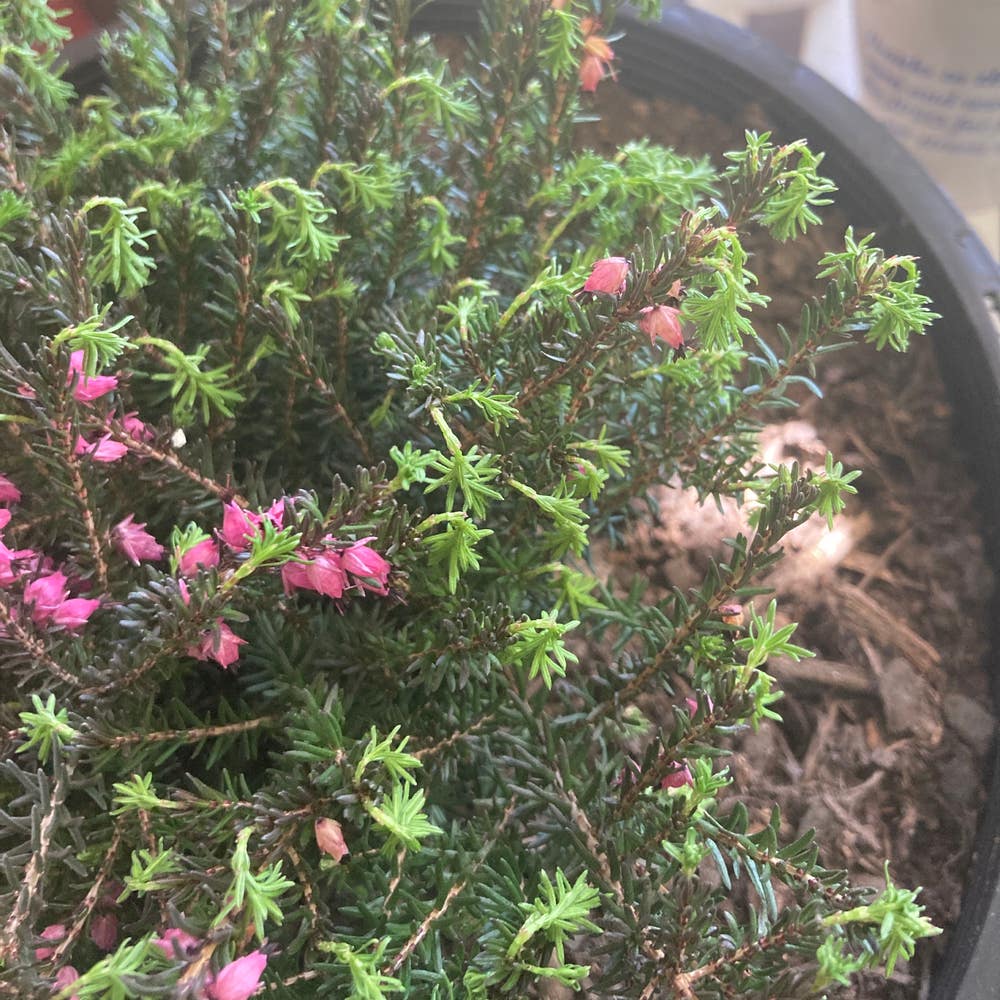
Creating the perfect microclimate for your Winter Heath 'Darley Dale' is about as important as a good foundation is to a skyscraper. Keep the environment stable and watch your plant thank you with perky, droop-free leaves.
Reviving Droopy Leaves
💧 Watering Wisdom
Consistency is your new best friend when it comes to watering. Start by letting the soil dry out a touch before giving your Winter Heath 'Darley Dale' a drink. The goal is to mimic a wrung-out sponge—moist, but not wet enough to wring out any excess. Use a moisture meter if you're not confident in your finger-test skills. It's like having a lie detector for your soil—no more guessing games.
Soil and Root Rehab
Roots need love too, and they'll show their appreciation through perky leaves. If your plant's roots are gasping for air in compacted soil, it's time for an intervention. Mix in some perlite or coarse sand to get that airy texture. Think of it as giving your plant's roots room to stretch out after being crammed in a middle airplane seat. And if the pot's as tight as skinny jeans after Thanksgiving dinner, consider repotting to give those roots the mansion they deserve.
Prevention: Keeping Leaves Lively
💧 Proactive Watering Practices
Tools are your allies in the quest for the perfect moisture balance. A soil moisture meter can take the guesswork out of watering, letting you know exactly when your Winter Heath 'Darley Dale' is thirsty. For those who prefer a hands-on approach, the classic finger test—plunging a digit into the soil up to the second knuckle—can be surprisingly effective. If the soil feels dry at that depth, it's time to water.
Remember, consistency beats guesswork. Establish a routine that responds to the plant's needs, which can change with the seasons. In winter, allow the soil to dry out between waterings, as recommended by Source #2. This mimics the natural conditions the plant would experience in its dormant period.
🌿 Environmental Harmony
Creating the right microclimate is like setting the stage for an award-winning performance. Your Winter Heath 'Darley Dale' will take center stage if you get the lighting and temperature just right. It craves the kind of light that's bright but not scorching—think indirect sunlight or a spot that gets filtered morning rays.
Temperature is another critical factor. Avoid placing your plant near heat sources or drafty windows, which can cause temperature fluctuations that lead to droopiness. Instead, aim for a stable environment that doesn't swing from tropical to arctic in the span of a day.
Humidity can be a silent leaf drooper. While Winter Heath 'Darley Dale' doesn't need a rainforest atmosphere, it doesn't want to live in a desert either. Use a pebble tray or a humidifier to maintain ambient moisture, especially during the dry winter months.
Lastly, don't forget about pest control and cleanliness. Keep an eye out for uninvited guests and show them the door promptly. Clean tools and regular debris removal, as suggested by Source #8, will help prevent disease and keep your Winter Heath 'Darley Dale' in top shape.
⚠️ Safety First
This content is for general information and may contain errors, omissions, or outdated details. It is not medical, veterinary advice, or an endorsement of therapeutic claims.
Always consult a qualified healthcare professional before using any plant as food, medicine, or supplement.
Never eat any plant (or feed one to pets) without confirming its identity with at least two trusted sources.
If you suspect poisoning, call Poison Control (800) 222-1222, the Pet Poison Helpline (800) 213-6680, or your local emergency service immediately.
Spotted an error? Please report it here.
Ensure your Winter Heath 'Darley Dale' leaves stay perky 🌿 by using Greg to tailor your watering schedule and optimize your plant's microclimate for success.