How Can You Tell If A Winter Heath 'Darley Dale' Is Dying?
Erica x darleyensis 'Darley Dale'
By the Greg Editorial Team
Apr 08, 2024•4 min read
This article was created with the help of AI so we can cover more plants for you. May contain errors. See one? Report it here.
- Wilting and yellowing indicate over-watering; browning tips suggest under-watering.
- Root rot is stealthy: watch for stunted growth and foul odor.
- Combat pests with insecticidal soap and maintain steady temperatures.
Spotting Water Woes
💧 Over and Under-Watering Symptoms
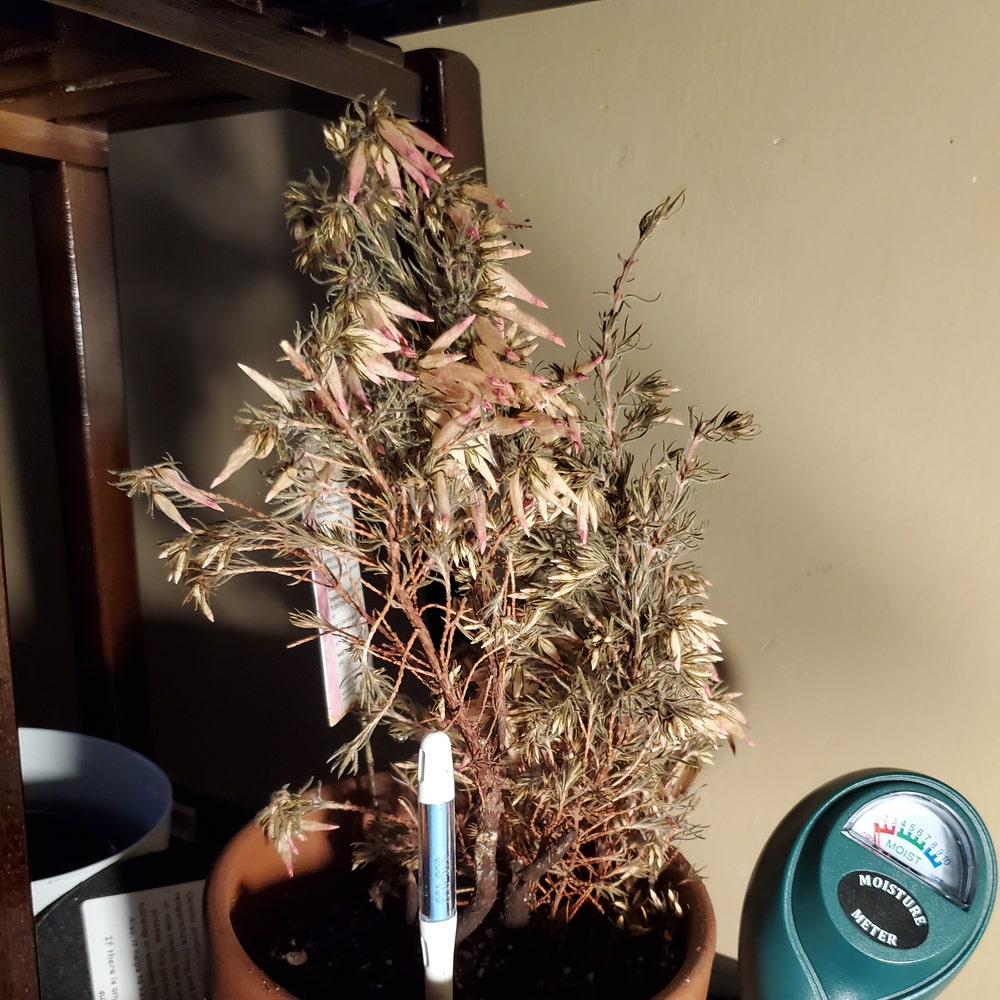
Wilting, yellowing leaves, and root rot are the triple threats of improper watering in Winter Heath 'Darley Dale'. Over-watering often leads to a wilted plant with yellow leaves, while under-watering results in browning tips and a general lack of vigor.
Fine-Tuning Your Watering Routine
To avoid the watering blues, establish a routine that's responsive to your plant's needs. During winter, dial back the H2O to match the plant's slower pace. When the heat is on, your Winter Heath might need a drink more often. Always ensure good drainage to prevent root rot – it's the silent plant killer. Use a moisture meter or the finger test to check soil moisture before reaching for the watering can. Remember, consistency is your plant's best friend, but adaptability is its secret admirer.
Light and Temperature Troubles
🌞 Symptoms of Light and Temperature Stress
Stunted growth and pale leaves are the plant's silent screams for help, indicating that it's not getting the light and warmth it craves. Browning leaves, on the other hand, shout out an SOS for relief from too much sun or heat. It's a delicate dance between too much and not enough, and your Winter Heath 'Darley Dale' is the reluctant dancer.
🌱 Creating the Ideal Microclimate
To give your plant a fighting chance, monitor the light it receives like a hawk. Too much direct sunlight? Time to diffuse the situation. Move your plant to a spot where it can enjoy the light without feeling like it's in the Sahara at high noon. As for temperature, think of your plant as a Goldilocks guest; it desires conditions that are just right. Avoid drafts and sudden temperature changes that could send your plant into shock. If you're dealing with indoor lighting, aim for a consistent, gentle glow—bright enough to keep your plant healthy, but not so intense that it leads to a tan. Remember, a happy Winter Heath 'Darley Dale' is one that's neither shivering nor sweating.
The Unseen Enemy: Root Rot
🕵️ Spotting the Silent Killer
Root rot is the ninja of plant diseases, often undetected until it's too late. Early signs include stunted growth, leaves that are too soft, and a general appearance of unhealthiness. If the soil emits a foul odor or the roots have turned dark and slimy, root rot is likely at play. It's crucial to catch these symptoms early to prevent the demise of your Winter Heath 'Darley Dale'.
Salvaging Your Plant
When root rot is suspected, immediate action is required. Gently remove the plant from its pot and clear away the soil to inspect the roots. Healthy roots should be firm and white, while rotten ones will be soft and brown. Use sterilized scissors to cut away the affected areas. After the surgery, let the roots air out before repotting in fresh, well-draining soil. Ensure the new pot has adequate drainage to prevent future occurrences. Remember, prevention is better than cure, so adjust your watering habits to keep the soil moist but not waterlogged.
Pests and Pathogens
🐛 Common Culprits
Winter Heath 'Darley Dale' can fall victim to aphids, spider mites, and various fungi. Aphids are tiny vampires, draining plant vitality. Spider mites are equally insidious, spinning their fine webs and causing leaf discoloration. Fungal issues often manifest as unsightly mold or mildew, turning your plant into a spotty mess.
🛡️ Implementing Defense Strategies
To combat these pests, a direct approach is key. Insecticidal soap or neem oil can be your first line of defense against aphids and spider mites. Apply with vigilance, ensuring you interrupt their life cycle. For fungal foes, a targeted fungicide might be necessary. Remember, isolation is crucial to prevent an epidemic in your garden. And don't forget to clean your tools post-battle to avoid spreading the problem.
Environmental Factors and Their Fixes
🍂 Recognizing Environmental Stress
Leaf scorch is a tell-tale sign your Winter Heath 'Darley Dale' is stressed by its environment. Look for brown edges or spots on leaves, a symptom screaming "help!" Temperature fluctuations and incorrect light levels are often the culprits, causing your plant to drop leaves faster than a hot potato.
🌴 Adjusting Your Plant's Surroundings
To combat environmental stress, think tropical paradise. Keep temperatures steady; avoid placing your plant in drafty spots or next to heat sources. Bright, indirect sunlight is the sweet spot for light exposure. If your plant's leaves are curling like they're trying to escape, it's time to dial back on the sunbathing. And remember, humidity is your friend—consider a humidifier to keep the air from getting as dry as a desert.
⚠️ Safety First
This content is for general information and may contain errors, omissions, or outdated details. It is not medical, veterinary advice, or an endorsement of therapeutic claims.
Always consult a qualified healthcare professional before using any plant as food, medicine, or supplement.
Never eat any plant (or feed one to pets) without confirming its identity with at least two trusted sources.
If you suspect poisoning, call Poison Control (800) 222-1222, the Pet Poison Helpline (800) 213-6680, or your local emergency service immediately.
Spotted an error? Please report it here.
Prevent your Winter Heath 'Darley Dale' from wilting by using Greg to tailor 🌱 your care routine, ensuring it thrives in all seasons.