Fertilizing My Winter Heath 'Darley Dale'
Erica x darleyensis 'Darley Dale'
By the Greg Editorial Team
Apr 08, 2024•4 min read
This article was created with the help of AI so we can cover more plants for you. May contain errors. See one? Report it here.
- N-P-K and micronutrients are vital for Winter Heath 'Darley Dale'.
- Fertilize in early spring and late summer for growth and dormancy prep.
- Avoid over-fertilization; look for yellowing leaves and stunted growth.
Choosing the Right Fertilizer
💡 Understanding the N-P-K Ratio
Nitrogen (N), phosphorus (P), and potassium (K) are the big players in plant nutrition, each with a crucial role. For Winter Heath 'Darley Dale', a balanced N-P-K ratio, like 10-10-10, is typically a safe bet. Nitrogen ensures lush greenery, phosphorus bolsters root and bloom development, and potassium fortifies the plant's overall functions.
💎 Micronutrients Matter Too
While N-P-K grabs the headlines, micronutrients are the stealth operatives of plant health. These include elements like calcium, magnesium, and sulfur. A fertilizer that lists these under "Guaranteed Analysis" is ideal, as they support the Winter Heath 'Darley Dale' in smaller, yet significant ways.
🌱 Slow-Release vs. Liquid Fertilizers
When it comes to delivery, slow-release and liquid fertilizers offer different perks. Slow-release fertilizers are the set-it-and-forget-it option, providing a steady nutrient supply. Liquid fertilizers, on the other hand, give a quick fix of nutrients, perfect for addressing immediate deficiencies. Choose based on your plant's needs and your own gardening style.
Timing is Everything: When to Fertilize
🌸 Spring Awakening
Spring marks a renewal for Winter Heath 'Darley Dale', as it shakes off the chill of winter and gears up for a new cycle of growth. Early spring fertilization is crucial; it's like a starting gun for the plant's annual race. As new growth appears, a nutrient boost propels it forward, laying the groundwork for vibrant blooms.
🍂 Preparing for Dormancy
As summer wanes, the Winter Heath 'Darley Dale' begins to slow down. Late summer to early fall is the time for one last feed, a gentle nudge to help it store energy for the dormant winter ahead. This isn't the time for a nutrient party; it's more of a balanced meal to tide the plant over during its rest.
The Fertilizing Process: Step by Step
💡 Measuring for Success
To avoid the guesswork, follow the label. Each fertilizer comes with a guide that specifies the amount to use. For Winter Heath 'Darley Dale', less is often more; overzealousness leads to nutrient overload.
🍽️ Application Techniques
Scatter granular fertilizers evenly around the plant, avoiding direct contact with the stem to prevent damage. Liquid fertilizers should be applied gently, focusing on the soil rather than the foliage to sidestep leaf burn.
🚰 The Role of Watering After Fertilization
Post-fertilization, watering is non-negotiable. It helps nutrients penetrate the soil and reach the roots, while preventing the dreaded root burn. Think of it as sealing the deal on your plant's nutrient uptake.
Recognizing and Preventing Over-Fertilization
🚨 Spotting the Signs
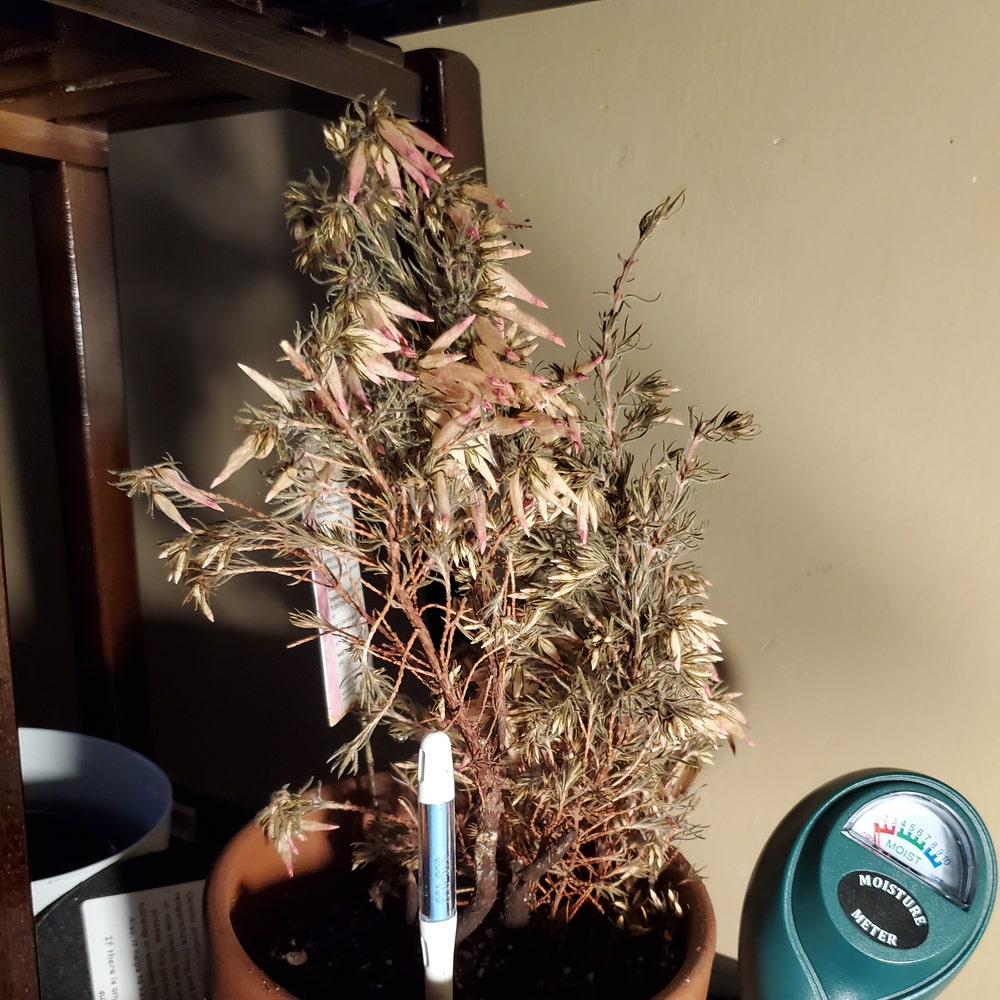
Yellowing leaves or a white crust on the soil surface are distress signals from your Winter Heath 'Darley Dale'. Stunted growth and leaf browning at the tips are the plant's way of saying, "I'm not okay." If you notice these symptoms, especially after a recent fertilizer application, it's time to take action.
🛠️ The Recovery Plan
First, stop any further fertilization. Your plant needs a break, not a buffet. Begin the recovery by flushing the soil with water to leach out excess nutrients. This isn't just a suggestion; it's a critical step. If you see a visible layer of fertilizer, remove it. Think of it as decluttering your plant's environment.
Next, prune any damaged foliage to help the plant focus its energy on recovery. If the situation looks dire, consider replacing the top layer of soil with fresh, nutrient-free soil. This can give your Winter Heath 'Darley Dale' the reset it desperately needs.
Remember, the key to preventing over-fertilization is to observe and act swiftly. Keep a close eye on your plant after feeding, and always follow the recommended dosage. When in doubt, less is more—your Winter Heath will thank you.
⚠️ Safety First
This content is for general information and may contain errors, omissions, or outdated details. It is not medical, veterinary advice, or an endorsement of therapeutic claims.
Always consult a qualified healthcare professional before using any plant as food, medicine, or supplement.
Never eat any plant (or feed one to pets) without confirming its identity with at least two trusted sources.
If you suspect poisoning, call Poison Control (800) 222-1222, the Pet Poison Helpline (800) 213-6680, or your local emergency service immediately.
Spotted an error? Please report it here.
Nurture your Winter Heath 'Darley Dale' to bloom brilliantly 🌸 with Greg's tailored fertilization reminders, ensuring you never miss an essential feed.