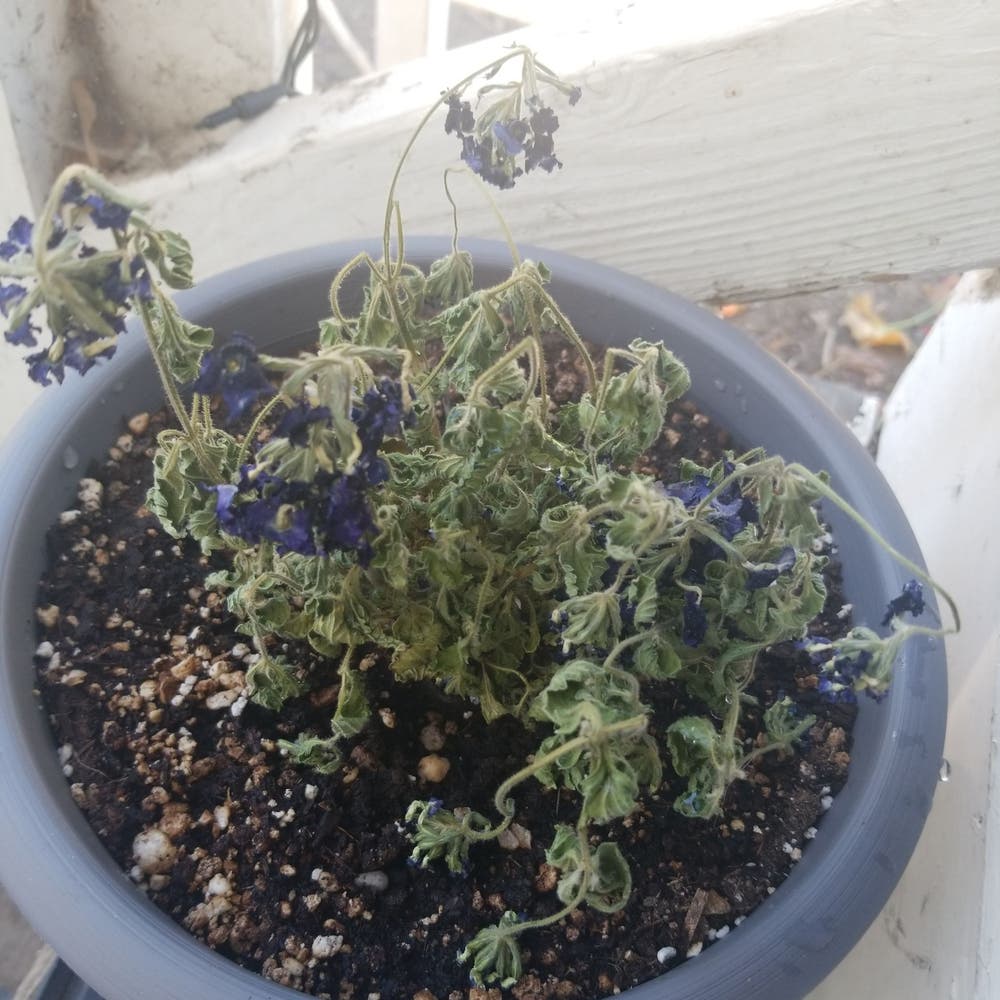
9 Ideal Locations to Plant Your Verbena 'Bampton' ⛏️
Verbena officinalis 'Bampton'
By the Greg Editorial Team
Oct 31, 2024•5 min read
This article was created with the help of AI so we can cover more plants for you. May contain errors. See one? Report it here.
Transform your garden with vibrant Verbena 'Bampton' blooms by mastering sunlight and soil essentials! 🌼🌱
- ☀️ Verbena 'Bampton' needs 6+ hours of sunlight daily for optimal growth and blooms.
- 🌱 Well-draining loamy soil with pH 6.0-7.0 is crucial for healthy plants.
- 🌬️ Wind protection is essential to prevent damage and promote robust growth.
Sunlight Exposure Requirements
🌞 Full Sun vs. Partial Shade
Verbena 'Bampton' truly flourishes in full sun, needing at least 6 hours of direct sunlight each day. This exposure not only promotes robust growth and abundant flowering but also enhances the plant's drought tolerance, making it a resilient choice for your garden.
🌑 Effects of Too Much Shade
On the flip side, excessive shade can lead to some undesirable effects. You might notice leggy growth, where the stems stretch out in search of light, and reduced flowering, resulting in fewer blooms and less vibrancy.
While Verbena 'Bampton' can tolerate light shade, it's best to avoid it for optimal health. Ensuring your plant gets enough sunlight is crucial for its overall vitality and beauty.
With the right sunlight conditions, your Verbena 'Bampton' will thrive, setting the stage for a stunning garden display. Next, let's explore the ideal soil types and conditions that will further support its growth.
Soil Type and Conditions
🌱 Preferred Soil Types
For your Verbena 'Bampton' to flourish, well-draining soil is a must. This plant thrives in loamy soil that offers good aeration, allowing roots to breathe and grow robustly.
Proper drainage is crucial as it prevents root rot, a common issue that can stunt growth and lead to plant decline. Ensuring your soil has the right texture will set the stage for vibrant blooms and healthy foliage.
⚗️ Soil pH Considerations
The optimal pH range for Verbena 'Bampton' is slightly acidic to neutral, specifically between 6.0 and 7.0. Maintaining this pH level helps the plant absorb nutrients effectively, promoting overall health.
To check your soil's pH, consider using a soil pH meter or a test kit. If adjustments are needed, incorporating organic matter can help shift the pH into the ideal range, ensuring your Verbena gets the best start possible.
With the right soil conditions established, your Verbena 'Bampton' will be well on its way to thriving in your garden. Next, let’s explore how to choose the best companions for your plants to enhance their growth and beauty.
Proximity to Other Plants
🌱 Companion Plants that Enhance Growth
Choosing the right companions for your Verbena 'Bampton' can significantly boost its growth and vibrancy. Look for flowering plants that bloom at different times to create a continuous display and attract pollinators.
- Salvia: This hardy perennial not only complements Verbena's colors but also attracts bees and butterflies.
- Echinacea: Known for its resilience, Echinacea provides a beautiful contrast and shares similar drought tolerance.
- Other drought-tolerant perennials: Consider adding plants like lavender or sedum to create a thriving, low-maintenance garden.
🚫 Plants to Avoid Near Verbena 'Bampton'
While some plants can enhance your Verbena's growth, others can hinder it. It's essential to avoid planting near species that require high moisture levels.
- Heavy feeders: Annuals like petunias or certain vegetables can overshadow Verbena and compete for water.
- Moisture-loving plants: Avoid placing Verbena near plants that thrive in wet conditions, as they can lead to root competition and stress.
By carefully selecting companion plants and avoiding those that may compete for resources, you can create a flourishing garden that showcases the beauty of Verbena 'Bampton'. Next, let’s explore how to assess the best spot for your Verbena by evaluating sunlight patterns.
Assessing the Best Spot
🌞 Evaluating Sunlight Patterns
To find the perfect spot for your Verbena 'Bampton', start by observing sunlight patterns throughout the day. Spend time in your garden at various times, noting which areas bask in full sun and which are shaded.
Mark these zones clearly. This simple practice will help you identify the best locations for planting, ensuring your Verbena receives the sunlight it craves.
📏 Tools for Measuring Light Exposure
For a more precise approach, consider using light meters. These handy devices quantify light levels, giving you a clear picture of how much sun different areas receive.
Alternatively, smartphone apps can track sunlight patterns over time. These tools make it easier to determine the ideal planting spots for your Verbena, ensuring they thrive in their new home.
With the right sunlight exposure, your Verbena 'Bampton' will flourish, setting the stage for a vibrant garden display. Next, let’s explore the importance of wind protection and drainage for your plants.
Wind Protection and Drainage
🌬️ Importance of Wind Protection
Wind can significantly impact the growth of Verbena 'Bampton'. Strong gusts may damage stems and lead to fewer flowers, while persistent winds can dry out the soil quickly, putting stress on the plant.
🛡️ Best Practices for Creating Windbreaks
To protect your Verbena from harsh winds, consider using natural barriers. Planting shrubs or installing trellises can effectively shield your plants, while fences or garden structures provide additional protection.
Creating a windbreak not only helps your Verbena thrive but also enhances the overall health of your garden. By ensuring your plants are well-protected, you can enjoy vibrant blooms and robust growth throughout the season.
As you plan your garden layout, remember that proper drainage is just as crucial for the health of your Verbena 'Bampton'.
Ensuring Proper Drainage
Signs of Poor Drainage 🌧️
Recognizing poor drainage is crucial for the health of your Verbena 'Bampton'. Look for water pooling in planting areas after rain, which indicates that the soil isn't absorbing moisture properly.
Another telltale sign is yellowing leaves or wilting plants, even when you've watered them adequately. These symptoms suggest that the roots are struggling in overly saturated conditions.
Solutions for Improving Drainage in Planting Areas 💧
Improving drainage can be straightforward with a few effective techniques. Start by amending your soil with sand or perlite to enhance aeration, allowing water to flow through more freely.
Creating raised beds is another excellent strategy. Elevating your planting areas not only facilitates drainage but also provides better access to nutrients and improves overall plant health.
By ensuring proper drainage, you set the stage for your Verbena 'Bampton' to thrive, leading to vibrant blooms and robust growth. Next, let’s explore how to protect your plants from wind, which can also impact their health and flowering potential.
⚠️ Safety First
This content is for general information and may contain errors, omissions, or outdated details. It is not medical, veterinary advice, or an endorsement of therapeutic claims.
Always consult a qualified healthcare professional before using any plant as food, medicine, or supplement.
Never eat any plant (or feed one to pets) without confirming its identity with at least two trusted sources.
If you suspect poisoning, call Poison Control (800) 222-1222, the Pet Poison Helpline (800) 213-6680, or your local emergency service immediately.
Spotted an error? Please report it here.
Create a vibrant Verbena display 🌼 by using Greg's personalized care reminders and sunlight tracking to ensure your plants thrive in their ideal conditions!