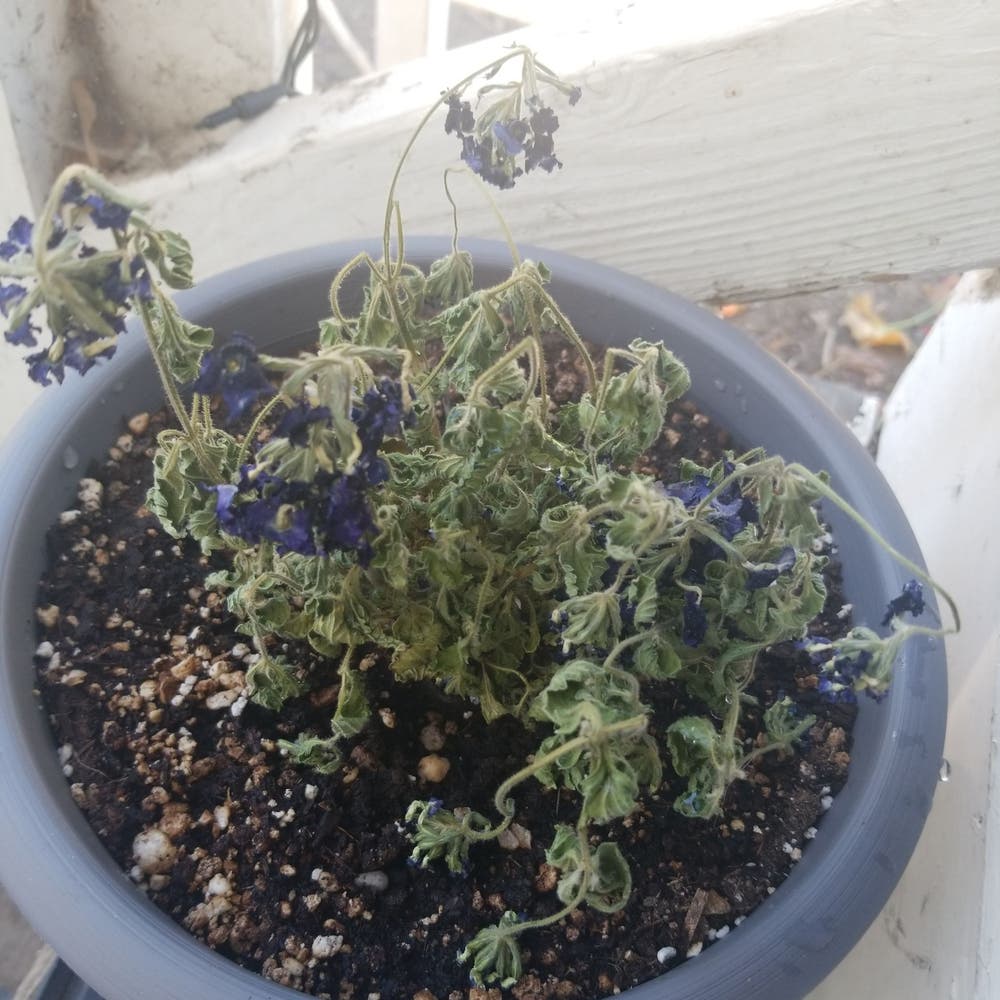
🔍 What to Do About Black Spots on Your Verbena 'Bampton'
Verbena officinalis 'Bampton'
By the Greg Editorial Team
Oct 31, 2024•4 min read
This article was created with the help of AI so we can cover more plants for you. May contain errors. See one? Report it here.
Revive your Verbena 'Bampton' 🌼 by mastering effective strategies to combat black spots and ensure vibrant growth!
- 🌱 Black spots on Verbena 'Bampton' are mainly due to fungal infections and pests.
- 💧 Prevent black spots by ensuring proper watering and good air circulation.
- 🛠️ Treat effectively with organic fungicides and timely pruning of infected leaves.
Causes of Black Spots
🦠 Fungal Infections
Fungal infections are a primary culprit behind black spots on your Verbena 'Bampton'. These diseases thrive in specific conditions, leading to unsightly and damaging symptoms.
Common Fungal Diseases
- Powdery Mildew: This disease manifests as a white powdery coating on leaves, which can eventually lead to black spots if left untreated.
- Leaf Spot Disease: Caused by various pathogens, this condition results in dark lesions that can spread and compromise plant health.
🌧️ Conditions Favoring Fungal Growth
Fungal growth flourishes under certain environmental conditions. High humidity and poor air circulation create an ideal breeding ground for these pathogens.
Dense foliage can trap moisture, exacerbating the problem. Ensuring good airflow around your plants is crucial to preventing these infections.
🌪️ Environmental Stress
Environmental stressors can also contribute to the appearance of black spots. Overwatering and poor drainage are two significant factors that can harm your Verbena.
Overwatering
Overwatering is often indicated by waterlogged soil and yellowing leaves. This condition can lead to root rot, making your plant more vulnerable to diseases.
Poor Drainage
Well-drained soil is essential for healthy plants. If your soil retains too much water, consider amending it with organic matter to improve drainage and promote better root health.
🐛 Pest Infestations
Pests can also play a significant role in the health of your Verbena. They not only cause direct damage but can also increase susceptibility to diseases.
Common Pests
- Aphids: Look for sticky residue on leaves and curled foliage, which are signs of aphid infestations.
- Spider Mites: These pests leave webbing and create a stippled appearance on leaves, indicating their presence.
⚠️ Impact of Pests on Leaf Health
Pests can weaken your plants, leading to stress and making them more susceptible to diseases. Addressing pest issues promptly is vital for maintaining the health of your Verbena.
Understanding these causes is the first step in tackling black spots on your Verbena 'Bampton'. Next, we'll explore effective treatment options to restore your plant's health.
Treatment Options
🌱 Organic Fungicides and Their Application
When dealing with black spots on your Verbena 'Bampton', organic fungicides can be a game-changer. Two popular options are neem oil and sulfur-based products, both effective in combating fungal infections.
To apply these fungicides, spray them directly on the affected areas of the plant. Timing is crucial; aim to treat your plants during the cooler parts of the day to maximize effectiveness.
For best results, plan to reapply every 7 to 14 days while the plant is actively growing. This consistent treatment helps keep fungal issues at bay.
🧪 Homemade Remedies
Baking Soda Solution
If you prefer a DIY approach, a baking soda solution is an easy and effective remedy.
- Ingredients: Combine 1 tablespoon of baking soda, 1 teaspoon of liquid soap, and 1 gallon of water.
- Application: Spray this mixture on the affected leaves every 7 to 10 days.
- Effectiveness: This solution raises the leaf pH, creating an environment that inhibits fungal growth.
✂️ Pruning Affected Leaves
Another essential step in managing black spots is pruning. Removing infected foliage not only helps prevent the spread of disease but also promotes healthier growth.
You'll need clean, sharp pruning shears for this task. As soon as you notice symptoms, get to work—timely action is key to maintaining your plant's health.
By combining these treatment options, you can effectively combat black spots and keep your Verbena 'Bampton' thriving. Next, let’s explore preventive measures to ensure these issues don’t return.
Preventive Measures
Proper Watering Techniques 🌊
Watering your Verbena 'Bampton' correctly is crucial for preventing black spots. Allow the soil to dry out between waterings to avoid creating a damp environment that fosters fungal growth.
Deep watering is the way to go. This technique encourages strong root development and helps the plant withstand stress, while avoiding overhead watering minimizes moisture on the leaves.
Soil Health and Drainage Improvement 🏞️
Healthy soil is the foundation of a thriving plant. Well-draining soil is essential to prevent waterlogging, which can lead to root rot and other issues.
Consider adding amendments like perlite or sand to improve drainage. Regular soil testing is also a smart move to ensure your soil maintains a balanced nutrient profile and appropriate pH levels.
Choosing Disease-Resistant Varieties 🌱
Selecting disease-resistant cultivars can save you a lot of trouble down the line. These varieties are bred to withstand common diseases, making them a smart choice for any gardener.
You can find a range of disease-resistant options at local nurseries. Just remember to consider your local climate when making your selection, as it can significantly impact the plant's health and resilience.
By implementing these preventive measures, you can help your Verbena 'Bampton' thrive and reduce the risk of black spots. Next, let’s explore some effective treatment options to tackle any issues that may arise.
⚠️ Safety First
This content is for general information and may contain errors, omissions, or outdated details. It is not medical, veterinary advice, or an endorsement of therapeutic claims.
Always consult a qualified healthcare professional before using any plant as food, medicine, or supplement.
Never eat any plant (or feed one to pets) without confirming its identity with at least two trusted sources.
If you suspect poisoning, call Poison Control (800) 222-1222, the Pet Poison Helpline (800) 213-6680, or your local emergency service immediately.
Spotted an error? Please report it here.
Keep your Verbena 'Bampton' spot-free 🌱 by using Greg's tailored watering reminders and expert community tips to combat black spots and promote vibrant growth!