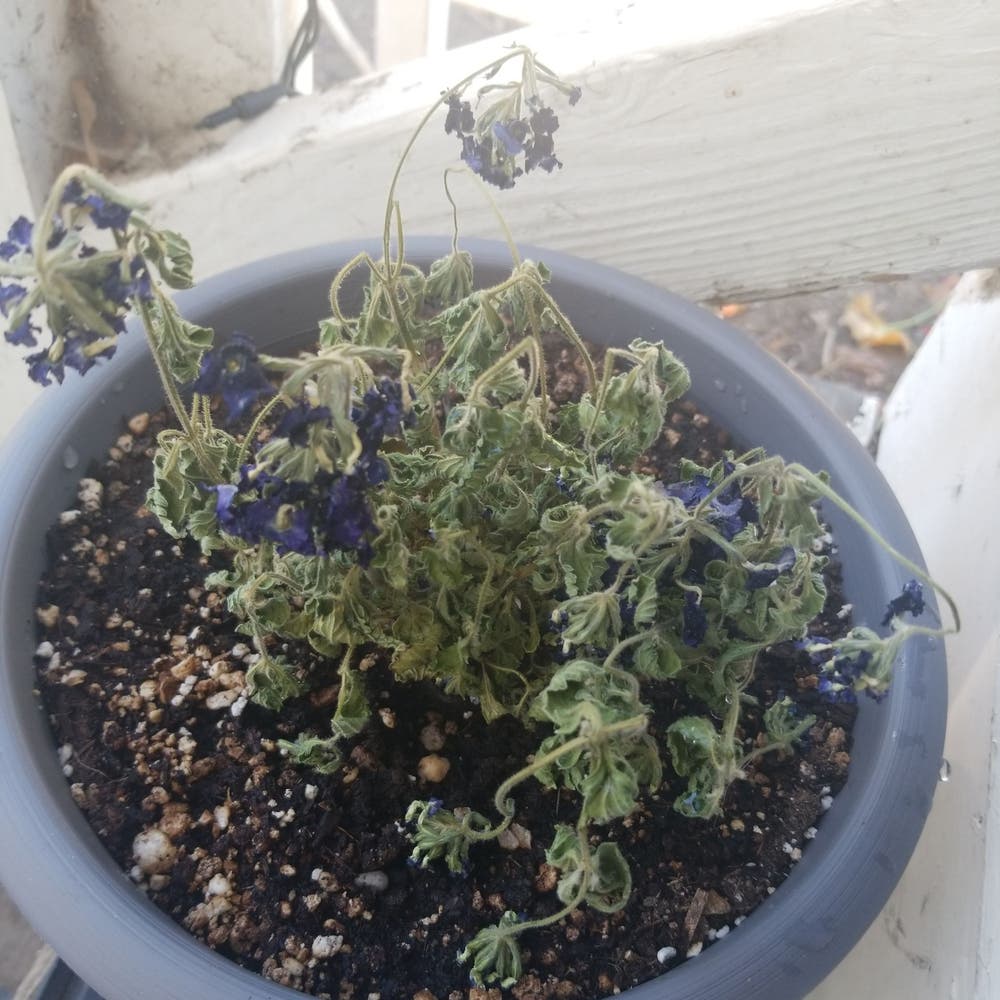
❄️ Optimal Hardiness Zones for Verbena 'Bampton': 4a-8b
Verbena officinalis 'Bampton'
By the Greg Editorial Team
Oct 31, 2024•6 min read
This article was created with the help of AI so we can cover more plants for you. May contain errors. See one? Report it here.
Unlock the secret to thriving Verbena 'Bampton' blooms by mastering its temperature tolerance! 🌱
- 🌡️ Verbena 'Bampton' thrives in USDA zones 4a-8b, tolerating temperatures as low as -30°F.
- ☀️ Optimal growth occurs between 60°F-80°F, with full sun to partial shade needed.
- 🌍 Microclimates can enhance growth, allowing for successful cultivation beyond typical hardiness zones.
Temperature Tolerance of Verbena 'Bampton'
❄️ Cold Tolerance Specifics
Verbena 'Bampton' is remarkably resilient, capable of surviving frigid temperatures as low as -30°F (-34°C) in USDA hardiness zone 4a. This impressive cold tolerance is crucial for its winter survival, allowing it to thrive even in harsh climates.
Frost tolerance plays a vital role in ensuring that Verbena 'Bampton' can endure the winter months without significant damage. Gardeners in colder regions can rest assured that this plant can withstand the chill.
🔥 Heat Tolerance Specifics
On the flip side, Verbena 'Bampton' also exhibits a commendable heat tolerance. It can handle high temperatures, but excessive heat can stress the plant, affecting both its growth and flowering.
When temperatures soar, the plant may struggle to maintain vibrant blooms. Understanding its heat tolerance helps gardeners provide the right conditions for optimal performance.
🌡️ Ideal Temperature Ranges for Growth
For optimal growth and flowering, Verbena 'Bampton' thrives best in temperatures ranging from 60°F to 80°F (15°C to 27°C). Maintaining these temperatures is essential for healthy plants, as extremes can hinder their development.
By keeping the environment within this ideal range, gardeners can ensure that Verbena 'Bampton' flourishes, showcasing its beautiful blooms throughout the growing season. With the right temperature management, this plant can truly shine in your garden.
As we explore the ideal growing regions for Verbena 'Bampton', understanding its temperature tolerance will guide you in selecting the best locations for planting.
Ideal Growing Regions for Verbena 'Bampton'
🌍 Examples of US States in Suitable Hardiness Zones (4a-8b)
Verbena 'Bampton' thrives in USDA hardiness zones 4a to 8b, making it a versatile choice for many gardeners. Here’s a quick list of states where you can successfully grow this beautiful plant:
- Northeast: New York, Pennsylvania, and New Jersey
- Midwest: Illinois, Indiana, and Ohio
- South: Virginia, North Carolina, and parts of Tennessee
These regions provide the right climate for Verbena 'Bampton' to flourish, ensuring vibrant blooms and healthy growth.
🌱 Factors Contributing to Ideal Growing Conditions in These Regions
Several climate characteristics make these states ideal for growing Verbena 'Bampton'.
- Temperature: The moderate temperatures in these zones help the plant thrive without extreme stress.
- Soil Types: Well-draining soils rich in organic matter support robust root systems.
- Sunlight Exposure: Full sun to partial shade is crucial, as Verbena 'Bampton' loves bright light for optimal flowering.
- Rainfall Patterns: Adequate rainfall, combined with good drainage, prevents root rot while keeping the plant hydrated.
These factors create a nurturing environment, allowing Verbena 'Bampton' to showcase its stunning colors and resilience.
In summary, understanding the ideal growing regions and conditions for Verbena 'Bampton' can significantly enhance your gardening success. Next, we’ll explore how microclimates can further extend the growing range of this remarkable plant.
Microclimates and Their Impact
🌍 Definition of Microclimates
Microclimates are localized areas where the climate differs from the surrounding region. They can be influenced by various factors, including elevation, proximity to bodies of water, and urban development.
🌱 How Microclimates Can Extend Growing Range for Verbena 'Bampton'
These unique conditions can enable Verbena 'Bampton' to flourish beyond its typical hardiness zones. For instance, a sheltered garden near a lake may provide a warmer environment, allowing the plant to thrive even in cooler climates.
🌤️ Examples of Microclimate Effects in Various Regions
In urban areas, buildings can create heat pockets that benefit plants like Verbena 'Bampton'. Conversely, rural areas with open fields may experience more extreme temperature fluctuations, affecting plant hardiness differently.
Case studies show that in cities like San Francisco, the coastal influence creates a mild microclimate, perfect for growing this vibrant flower. In contrast, rural settings may lack such protection, leading to harsher conditions for the same plant.
Understanding microclimates is crucial for gardeners looking to maximize the potential of Verbena 'Bampton'. By recognizing these localized climate variations, you can better plan your planting strategy and enhance your garden's success.
As we explore state-level suitability next, consider how these microclimates might influence your gardening choices in different regions.
State-Level Suitability Analysis
List of US States Within Hardiness Zones 4a-8b 🌱
Verbena 'Bampton' thrives in USDA hardiness zones 4a to 8b, making it suitable for a variety of states. Here’s a quick look at some of the states where you can successfully grow this vibrant plant:
- Maine: Characterized by cold winters and mild summers, it offers a suitable environment in the warmer months.
- New York: With diverse climates, many areas fall within the ideal range, especially in the southern and central regions.
- Illinois: Known for its fertile soil and moderate climate, it provides excellent conditions for Verbena growth.
- Virginia: The mild winters and warm summers create a perfect backdrop for flourishing Verbena.
- California: While primarily warm, certain regions, especially in the north, align with the hardiness zones.
These states not only support the growth of Verbena 'Bampton' but also provide the right climate characteristics for optimal flowering.
List of US States Outside Suitable Hardiness Zones 🚫
On the flip side, some states fall outside the 4a-8b hardiness zones, making them less suitable for Verbena 'Bampton'. Here are a few:
- Alaska: The extreme cold and long winters hinder growth.
- Florida: While warm, the humidity and heat can stress the plant beyond its comfort zone.
- Texas: Certain areas experience extreme heat, which can negatively impact flowering.
- North Dakota: The harsh winters and prolonged frost periods are detrimental to survival.
These states present challenges that make it difficult for Verbena 'Bampton' to thrive.
Reasons for Unsuitability in Certain States ❌
Several factors contribute to the unsuitability of certain states for growing Verbena 'Bampton'.
- Extreme Temperatures: States with harsh winters or scorching summers can stress the plant, leading to poor growth or death.
- Prolonged Frost Periods: Extended periods of frost can damage or kill the plant, especially if it’s not adequately protected.
- Unsuitable Soil Conditions: Poor drainage or nutrient-deficient soils can hinder the plant's ability to thrive.
Additionally, climate change is shifting hardiness zone classifications, making it essential for gardeners to stay informed about their local conditions. This evolving landscape means that adaptability is key for successful gardening with Verbena 'Bampton'.
As we explore the next section, understanding microclimates will reveal how they can extend the growing range for this beautiful plant.
⚠️ Safety First
This content is for general information and may contain errors, omissions, or outdated details. It is not medical, veterinary advice, or an endorsement of therapeutic claims.
Always consult a qualified healthcare professional before using any plant as food, medicine, or supplement.
Never eat any plant (or feed one to pets) without confirming its identity with at least two trusted sources.
If you suspect poisoning, call Poison Control (800) 222-1222, the Pet Poison Helpline (800) 213-6680, or your local emergency service immediately.
Spotted an error? Please report it here.
Grow your Verbena 'Bampton' like a pro 🌼 with Greg's tailored care reminders and tips to navigate its hardiness zones and environmental needs for thriving blooms!