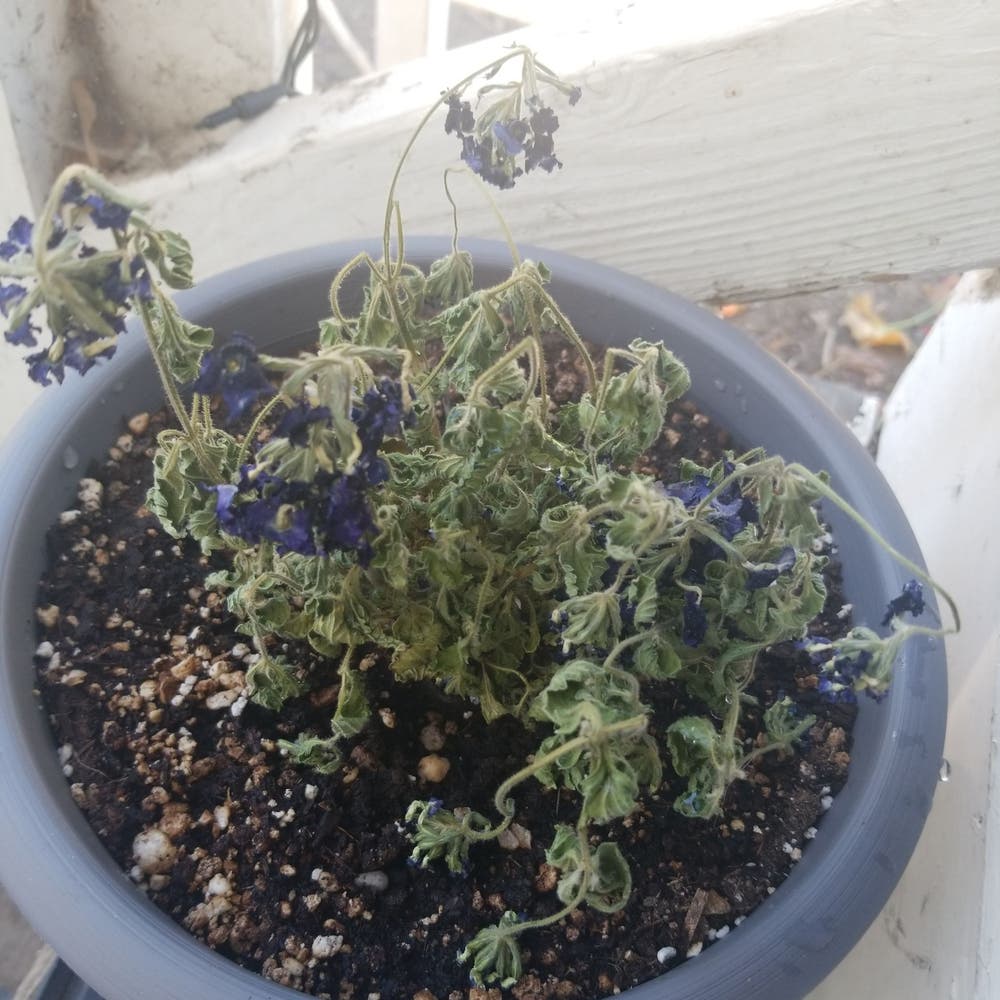
🌸 Ultimate Guide to Propagating Verbena 'Bampton'
Verbena officinalis 'Bampton'
By the Greg Editorial Team
Oct 31, 2024•7 min read
This article was created with the help of AI so we can cover more plants for you. May contain errors. See one? Report it here.
Master Verbena 'Bampton' propagation 🌱 with these expert tips for vibrant blooms and thriving plants!
- 🌱 Select healthy 4-6 inch stems for optimal Verbena 'Bampton' propagation success.
- 🌞 Best time for cuttings is late spring to early summer for ideal growth.
- 💧 Maintain humidity and light for healthy root development in cuttings and seedlings.
Propagating from Cuttings
🌱 Step-by-step guide for taking cuttings
Taking cuttings from Verbena 'Bampton' is a straightforward process. Start by selecting healthy stems that are 4-6 inches long, ideally from the tips.
Next, make a clean cut just below a leaf node using sharp pruning shears. This ensures a clean wound for the plant to heal. After cutting, remove the lower leaves to expose the nodes, which are crucial for rooting.
🌞 Ideal conditions for rooting cuttings
To give your cuttings the best chance of success, timing is key. The optimal period for taking cuttings is late spring to early summer.
Ensure your cuttings receive bright, indirect sunlight, and maintain a temperature between 70°F to 75°F (21°C to 24°C). These conditions create a nurturing environment for root development.
🌿 Use of rooting hormone
Rooting hormone can significantly enhance the success rate of your Verbena cuttings. It encourages faster root growth and helps prevent rot.
To apply, simply dip the cut end of your stem into the rooting hormone before planting. This small step can make a big difference in your propagation efforts.
💧 Watering and care for cuttings
After planting, it's essential to maintain humidity around your cuttings. Lightly mist them to keep the moisture levels up.
For the soil, use a well-draining potting mix or a combination of perlite and peat. Monitor moisture levels closely; the soil should be consistently moist but never soggy. This balance is crucial for healthy root development.
With these steps, you’re well on your way to successfully propagating Verbena 'Bampton' from cuttings. Next, let’s explore how to propagate this beautiful plant from seeds.
Propagating from Seeds
🌱 Seed Collection and Preparation
Collecting seeds from your Verbena 'Bampton' is a rewarding process. Aim to gather seeds in late summer when the flower heads turn brown, indicating they are ripe for harvesting.
After collection, allow the seeds to dry in a cool, dark place for 1-2 weeks. This step is crucial for ensuring they are ready for sowing.
🏡 Sowing Seeds Indoors vs. Outdoors
Deciding whether to sow seeds indoors or outdoors depends on your climate and timing. For indoor sowing, start 6-8 weeks before the last frost, using seed trays filled with seed starting mix.
Ensure your seedlings receive 12-16 hours of light daily to promote healthy growth. If you prefer outdoor sowing, wait until after the last frost date and prepare well-draining garden soil to give your seeds the best chance.
🌡️ Germination Conditions and Care
Germination typically takes 7-14 days, so patience is key. Maintain a temperature around 70°F (21°C) for optimal results.
Watering is essential during this stage; keep the soil moist but not waterlogged. This balance will help your seeds thrive as they begin their journey to becoming beautiful Verbena plants.
With these steps, you're well on your way to successfully propagating Verbena 'Bampton' from seeds. Next, let's explore division as another effective propagation method.
Division as a Propagation Method
🌱 When and how to divide Verbena 'Bampton'
Dividing Verbena 'Bampton' is a straightforward way to propagate this beautiful plant. The best time to do this is in early spring or fall when the plant is not under stress from heat or cold.
To divide, carefully dig up the plant, taking care not to damage the roots. Once exposed, gently separate the root clumps, ensuring that each division has a healthy portion of roots and foliage.
🌿 Care for divided plants post-propagation
After dividing, replant each section promptly to minimize stress. Make sure each division has enough roots and foliage to thrive.
Water the newly planted divisions thoroughly to help establish their roots in the new soil. This initial watering is crucial for their recovery and growth, setting them up for success in their new locations.
With proper care, your divided Verbena 'Bampton' plants will flourish and reward you with vibrant blooms. Now that you know how to divide, let’s explore some common challenges you might face in propagation.
Common Challenges in Propagation
🕵️♂️ Identifying and Solving Common Problems
Propagation can be a rewarding experience, but it often comes with challenges. Understanding these common issues can help you troubleshoot effectively.
🌱 Issues with Cuttings Not Rooting
Cuttings not rooting can be frustrating. The most common causes include insufficient humidity, overwatering, and lack of light.
To address these issues, adjust your care practices. Ensure your cuttings are in a humid environment, avoid waterlogging the soil, and provide adequate light.
🌱 Seed Germination Failures
Seed germination can also be hit or miss. Factors like old seeds, improper soil, and temperature fluctuations can hinder successful sprouting.
To improve your chances, test seed viability before planting. Adjust your conditions to maintain consistent warmth and moisture for optimal germination.
🐛 Pests and Diseases Affecting Young Plants
Young plants are vulnerable to pests and diseases. Common culprits include aphids and spider mites, which can quickly damage your seedlings.
Preventative measures are key. Maintain cleanliness in your growing area, monitor your plants regularly, and consider organic treatments to keep pests at bay.
By addressing these challenges head-on, you can enhance your propagation success. Next, let’s explore advanced techniques that can elevate your gardening game even further.
Advanced Propagation Techniques
🌱 Air Layering for Verbena 'Bampton'
Air layering is a fascinating method that allows you to propagate Verbena 'Bampton' while the plant is still rooted in the ground. This technique is particularly useful for creating new plants from mature specimens.
Step-by-step process for air layering
- Select a healthy stem: Choose a stem that is at least one year old and has good growth.
- Make a cut: Create a shallow incision about one-third of the way through the stem, just below a leaf node.
- Apply rooting hormone: Dust the cut area with rooting hormone to encourage root development.
- Wrap with moist medium: Surround the cut area with a handful of moist sphagnum moss, then wrap it in plastic wrap to retain moisture.
- Secure the wrap: Use twine or tape to secure both ends of the plastic wrap, ensuring the moss stays in place.
- Wait for roots to develop: Keep the moss moist and check for roots after a few weeks. Once roots are visible, you can cut the stem below the new root ball.
Ideal conditions and timing for success
For successful air layering, the best time is during the growing season, typically in late spring or early summer. Ensure the plant is in a warm, humid environment with indirect sunlight to promote healthy root growth.
💧 Using Hydroponics for Propagation
Hydroponics offers a modern twist on traditional propagation methods, allowing you to grow Verbena 'Bampton' without soil. This technique can lead to faster growth and healthier plants.
Overview of hydroponic methods suitable for Verbena
There are several hydroponic systems you can use, including nutrient film technique (NFT) and deep water culture (DWC). Both methods provide the necessary nutrients directly to the roots, promoting vigorous growth.
Equipment and setup requirements
To get started with hydroponics, you'll need:
- A hydroponic system: Choose between NFT or DWC based on your space and preference.
- Nutrient solution: Select a balanced hydroponic nutrient mix specifically designed for flowering plants.
- Grow lights: If growing indoors, ensure you have adequate lighting to mimic natural sunlight.
- pH meter: Monitor the pH levels of your nutrient solution to keep them within the ideal range of 5.5 to 6.5.
With the right setup, hydroponics can be a rewarding way to propagate Verbena 'Bampton', offering a unique growing experience.
Transitioning from these advanced techniques, let's explore common challenges in propagation and how to overcome them.
⚠️ Safety First
This content is for general information and may contain errors, omissions, or outdated details. It is not medical, veterinary advice, or an endorsement of therapeutic claims.
Always consult a qualified healthcare professional before using any plant as food, medicine, or supplement.
Never eat any plant (or feed one to pets) without confirming its identity with at least two trusted sources.
If you suspect poisoning, call Poison Control (800) 222-1222, the Pet Poison Helpline (800) 213-6680, or your local emergency service immediately.
Spotted an error? Please report it here.
Propagating Verbena 'Bampton' is thrilling 🌿 when you use Greg's personalized care tips and reminders to ensure your cuttings and seeds flourish into beautiful plants!