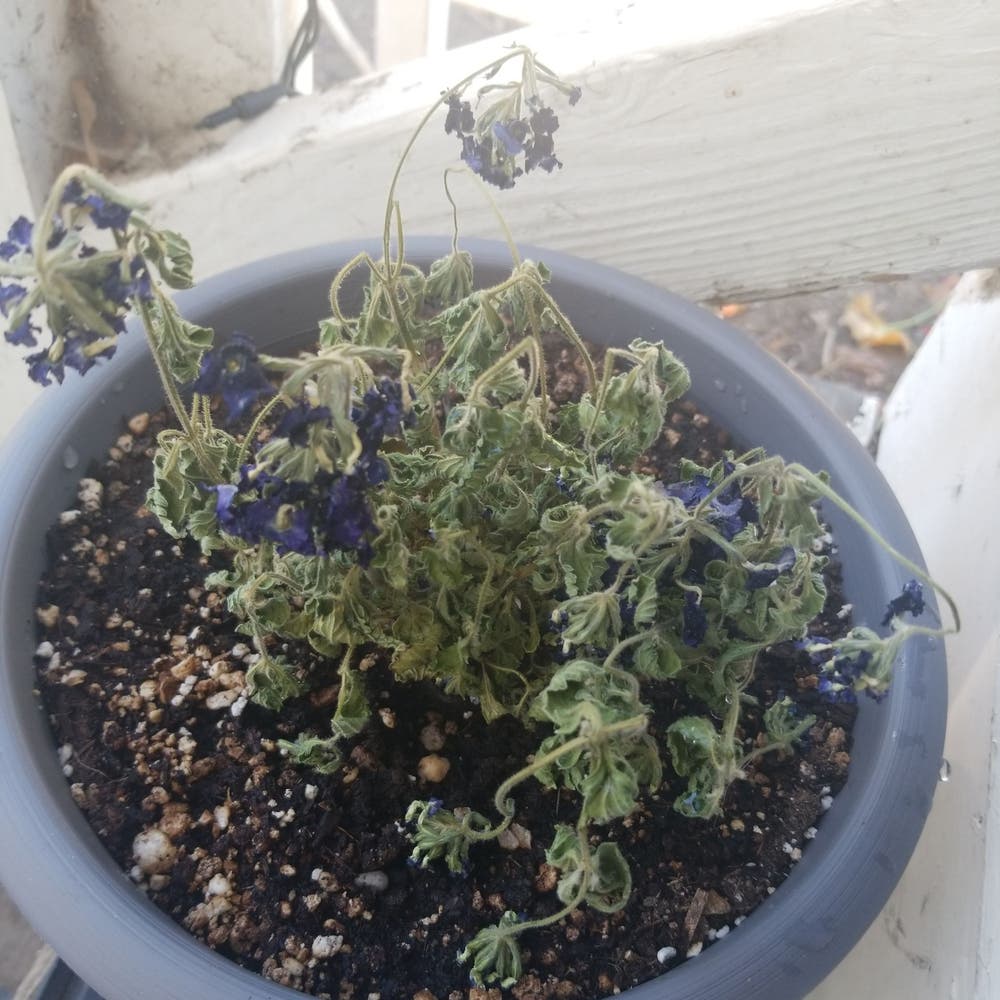
🌸 When to Repot Verbena 'Bampton'
Verbena officinalis 'Bampton'
By the Greg Editorial Team
Oct 31, 2024•7 min read
This article was created with the help of AI so we can cover more plants for you. May contain errors. See one? Report it here.
Revitalize your Verbena 🌱 by learning the key signs it needs repotting for thriving growth and blooms!
- 🌱 Repot Verbena 'Bampton' when roots grow out of drainage holes or circle the pot.
- 🌼 Signs of needing repotting include stunted growth, yellow leaves, and reduced flowering.
- 🕒 Best times to repot are early spring or late summer for optimal growth.
Signs that Verbena Needs Repotting
Identifying Root Bound Conditions 🌱
Recognizing when your Verbena is root-bound is crucial for its health. Look for roots growing out of the drainage holes, which is a clear sign that your plant is cramped.
Another indicator is roots circling around the inside of the pot. If you notice stunted growth despite providing adequate care, it's time to investigate further.
Yellowing leaves or reduced flowering can also signal that your Verbena needs more space. These symptoms often indicate that the plant is struggling to thrive in its current environment.
Other Indicators 🚩
Pay attention to how quickly the soil dries out after watering. If it seems to dry out too fast, your plant may be root-bound.
Visible algae or mold on the soil surface is another red flag. This can indicate poor drainage or overwatering, both of which can stress your Verbena.
Lastly, if your plant is toppling over due to inadequate root support, it’s a strong sign that repotting is necessary. Ensuring your Verbena has a stable foundation is key to its overall health.
With these signs in mind, you can confidently assess when it's time to repot your Verbena. Next, let’s explore the ideal timing for this important task.
Ideal Timing for Repotting
🌱 Seasonal Considerations
Timing is everything when it comes to repotting your Verbena 'Bampton.' The best time to repot is early spring, just before the plant starts its new growth phase. This timing allows the plant to adjust and thrive in its new environment.
If you miss that window, late summer can also be a suitable alternative. Just keep an eye out for signs of root-bound conditions, which indicate that your plant is ready for a new home.
🔄 Frequency of Repotting
Repotting isn't a one-time event; it's part of your plant care routine. For Verbena, aim to repot every 1-2 years, especially if it's in a smaller container.
Watch for signs that suggest your plant needs more frequent repotting. If you notice stunted growth, roots pushing out of the drainage holes, or the soil drying out too quickly, it’s time to give your Verbena a fresh start.
By keeping an eye on these factors, you can ensure your Verbena remains healthy and vibrant. Now that you know when to repot, let’s dive into how to do it effectively!
Step-by-Step Guide to Repotting Verbena
Repotting your Verbena 'Bampton' can seem daunting, but with a clear plan, it’s a straightforward process. Here’s a step-by-step guide to help you through it.
1. Gather Necessary Materials 🛠️
Start by collecting your supplies. You’ll need a new pot that is 1-2 inches larger in diameter, well-draining potting soil, and some gardening gloves and tools.
2. Prepare the New Pot 🥣
Before you begin, ensure that the drainage holes in your new pot are clear. Then, add a layer of potting soil to the bottom to create a good base for your Verbena.
3. Remove Verbena from Its Current Pot 🌱
To safely remove your plant, gently squeeze the sides of the pot to loosen the soil. Carefully slide the plant out, supporting the base to avoid damaging the roots.
4. Inspect the Roots 🔍
Once out, take a moment to inspect the roots. Trim any damaged or excessively long roots and loosen any tightly bound roots to encourage healthy growth.
5. Place the Plant in the New Pot 🌿
Position your Verbena in the new pot at the same depth it was in the old pot. Fill in around the roots with fresh potting soil, ensuring the plant is secure.
6. Water Thoroughly 💧
After planting, water the Verbena thoroughly. Make sure the soil is evenly moist but not waterlogged, as this can lead to root rot.
7. Label the Pot with the Date of Repotting 🗓️
Finally, don’t forget to label your pot with the date of repotting. This will help you keep track of when it’s time for the next repotting session.
By following these steps, you’ll ensure your Verbena has the best chance to thrive in its new home. Now that you’ve repotted, let’s explore how to care for your plant post-repotting.
Pot Material Options
Choosing the right pot material for your Verbena 'Bampton' is crucial for its health and growth. Let's explore the best options available.
🌱 Best Pot Materials
Terracotta
Terracotta pots are a gardener's favorite due to their excellent drainage and breathability. However, they can dry out quickly, so be prepared for more frequent watering.
Ceramic
Ceramic pots are not only attractive but also retain moisture well, making them a solid choice for Verbena. Just ensure that they come with drainage holes to prevent water accumulation.
Plastic
Plastic pots are lightweight and great at retaining moisture, which can be beneficial for your plant. The key is to ensure they have adequate drainage to avoid root rot.
🚫 Pot Materials to Avoid
Non-Breathable Materials
Avoid pots made from non-breathable materials like metal. These can lead to overheating and poor drainage, which are detrimental to your plant's health.
Pots Without Drainage Holes
Pots that lack drainage holes should be a hard pass. They significantly increase the risk of root rot and waterlogged soil, putting your Verbena at risk.
Choosing the right pot material can make all the difference in your Verbena's growth and vitality. With the right pot, you're one step closer to a thriving plant! Next, let's dive into the soil and drainage considerations that will further support your Verbena's health.
Soil and Drainage
🌱 Recommended Potting Soil
For your Verbena 'Bampton', the right potting soil is crucial. Opt for a well-draining potting mix, ideally enriched with perlite or sand to enhance aeration.
Maintaining a pH level between 6.0 and 7.0 is essential. This slightly acidic to neutral range supports healthy growth and vibrant blooms.
💧 Importance of Drainage
Good drainage is vital for plant health. It prevents water from pooling at the roots, which can lead to root rot and stunted growth.
Without proper drainage, your Verbena may struggle to thrive, showing signs of distress like yellowing leaves or wilting.
🚰 Ensuring Proper Drainage
To enhance drainage, consider a few effective techniques. Start by adding gravel or small stones at the bottom of the pot to create a barrier against water accumulation.
Using a potting mix specifically designed for container gardening can also make a significant difference. These mixes often contain ingredients that promote drainage, ensuring your Verbena stays healthy and happy.
By focusing on the right soil and drainage practices, you set your Verbena up for success. Next, let’s explore the best pot materials to use for your plant.
Post-Repotting Care
Care Tips After Repotting 🌱
After repotting your Verbena, it's crucial to let the plant acclimate. Place it in a shaded area for a few days to reduce stress.
Once it settles in, gradually reintroduce it to full sun exposure. This helps the plant adjust without overwhelming it.
Watering Schedule After Repotting 💧
Start with an initial thorough watering to soak the soil completely. This ensures the roots have immediate access to moisture.
For follow-up care, allow the top inch of soil to dry out before watering again. This prevents overwatering and encourages healthy root growth.
Signs of Stress and Solutions ⚠️
Watch for signs of stress, such as wilting, yellowing leaves, or drooping. These symptoms can indicate that your Verbena needs attention.
If you notice these issues, adjust your watering schedule, check for pests, and ensure the plant is getting adequate light. Quick action can help your Verbena bounce back and thrive.
As you care for your Verbena post-repotting, keep an eye on its progress. This attention will set the stage for a flourishing plant, ready to brighten your space. Next, let’s explore the best pot materials to ensure your Verbena thrives in its new home.
⚠️ Safety First
This content is for general information and may contain errors, omissions, or outdated details. It is not medical, veterinary advice, or an endorsement of therapeutic claims.
Always consult a qualified healthcare professional before using any plant as food, medicine, or supplement.
Never eat any plant (or feed one to pets) without confirming its identity with at least two trusted sources.
If you suspect poisoning, call Poison Control (800) 222-1222, the Pet Poison Helpline (800) 213-6680, or your local emergency service immediately.
Spotted an error? Please report it here.
Repot your Verbena 'Bampton' at the perfect time for vibrant blooms 🌼 with Greg's tailored reminders and expert care tips to keep your plant thriving!