🥕 Ultimate Guide to Verbena 'Bampton' Roots
Verbena officinalis 'Bampton'
By the Greg Editorial Team
Oct 31, 2024•7 min read
This article was created with the help of AI so we can cover more plants for you. May contain errors. See one? Report it here.
Discover how a healthy fibrous root system can transform your Verbena 'Bampton' into a thriving beauty! 🌱
- 🌱 Verbena 'Bampton' has fibrous roots for stability and nutrient absorption.
- 💧 Consistent moisture is key; avoid overwatering to prevent root rot.
- 🌿 Healthy roots are vital for propagation and plant resilience against pests.
Type of Root System
🌱 Fibrous Root System Characteristics
Fibrous roots are a network of thin roots that spread out from the base of the plant. This structure allows them to efficiently absorb water and nutrients from the soil.
🌟 Advantages of Fibrous Roots
One of the standout benefits of fibrous roots is their ability to stabilize the plant in the soil. This stability is crucial, especially in windy conditions or when the soil is loose.
Additionally, fibrous roots excel at nutrient and water uptake. Their extensive network means they can access resources that deeper roots might miss, making them particularly effective in various soil types.
In summary, the fibrous root system of Verbena 'Bampton' not only supports the plant's growth but also enhances its resilience in diverse environments. Understanding this root structure is key to ensuring your plant thrives.
Next, we will explore the typical root depth, spread, and growth patterns of Verbena 'Bampton.'
Root Depth, Spread, and Growth Patterns
🌱 Typical Root Depth and Spread
Verbena 'Bampton' features a shallow root system, typically reaching depths of 6 to 12 inches (15 to 30 cm). However, its roots can spread significantly, extending up to 2 feet (60 cm) or more, depending on the soil conditions.
📈 Growth Patterns
This plant establishes rapidly in well-draining soils, making it a favorite among gardeners. During the growing season, particularly in spring and summer, root activity increases, allowing the plant to thrive and absorb nutrients efficiently.
Understanding these growth patterns is crucial for successful cultivation. By providing optimal conditions, you can encourage robust root development, leading to a healthier, more vibrant Verbena 'Bampton'.
As we explore further, let’s delve into how the root system influences watering, fertilizing, and transplanting practices.
Watering, Fertilizing, and Transplanting
🌱 How Root System Affects Watering Needs
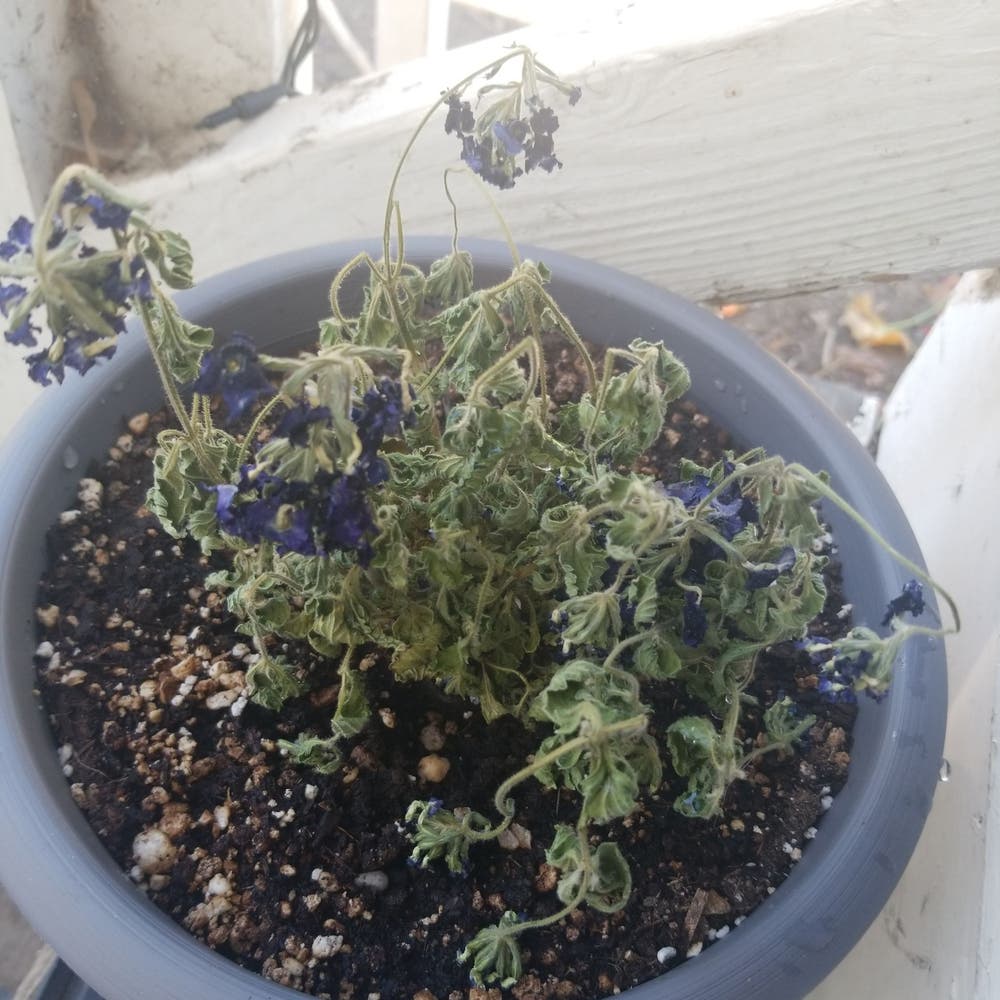
The fibrous root system of Verbena 'Bampton' requires consistent moisture to thrive. However, it's crucial to avoid waterlogging, which can lead to root rot and ultimately compromise plant health.
Signs of overwatering include wilting leaves, yellowing foliage, and a foul odor emanating from the roots. Keeping an eye on these indicators can help you maintain a healthy watering routine.
🌿 Fertilization Considerations Based on Root Health
Fibrous roots are excellent at absorbing nutrients, making proper fertilization essential for robust growth. A balanced fertilizer applied monthly during the growing season can significantly enhance nutrient uptake.
This regular feeding schedule supports the plant's overall vigor, ensuring it remains lush and vibrant throughout its active growth phases.
🌼 Best Practices for Transplanting Verbena 'Bampton'
Transplanting Verbena 'Bampton' can be a rewarding experience when done correctly. Here are some best practices to follow:
- Timing: The ideal time for transplanting is in early spring or fall when the plant is less stressed.
- Preparation: Before moving the plant, water it thoroughly to minimize shock.
- Technique: Gently loosen the root ball and replant it in a larger container or garden bed, ensuring the roots have enough space to expand.
By following these steps, you can help your Verbena 'Bampton' flourish in its new environment.
With proper watering, fertilization, and transplanting techniques, you set the stage for a healthy and vibrant plant. Next, let’s explore common root-related issues that can affect your Verbena 'Bampton'.
Common Root-Related Issues
🦠 Identifying Root Rot and Other Diseases
Root rot is a sneaky problem that can devastate your Verbena 'Bampton'. Look for signs like wilting leaves, yellowing foliage, and a foul odor emanating from the roots.
These symptoms often stem from overwatering and poor drainage. If your plant is sitting in soggy soil, it’s a recipe for disaster.
🛡️ Tips for Preventing Root-Related Problems
To keep your Verbena thriving, start with the right soil. A well-draining potting mix is essential for healthy roots.
Also, pay attention to your watering practices. Allow the top inch of soil to dry out between waterings to prevent excess moisture that can lead to root rot.
By following these simple tips, you can help ensure your Verbena 'Bampton' remains healthy and vibrant. Next, let’s explore how to recognize indicators of root health to keep your plants thriving.
Indicators of Root Health
Visual Cues of Healthy Roots 🌱
Healthy roots are a gardener's best friend. Look for roots that are white, firm, and emit a fresh smell—these are signs of vitality.
Root health is crucial for overall plant vigor. Strong roots support nutrient uptake and stability, ensuring your Verbena 'Bampton' thrives.
Signs of Unhealthy Roots and What They Indicate 🚨
Unhealthy roots can spell trouble for your plant. Indicators include brown, mushy roots, a foul odor, and stunted growth.
These symptoms often suggest root rot or disease, which can lead to plant decline. Addressing root health issues promptly is essential to prevent further complications.
Maintaining vigilant care and monitoring your plant's roots will set you up for success. Healthy roots lead to a flourishing plant, ready to face whatever challenges come its way.
Rootbound Plants
Definition and Explanation of Rootbound 🌱
Rootbound plants occur when their roots begin to circle the pot, leading to restricted growth and nutrient uptake. This condition can hinder the plant's overall health and development.
How to Recognize Rootbound Conditions 🔍
Identifying rootbound conditions is crucial for maintaining plant vitality. Look for signs such as roots emerging from drainage holes, stunted growth, and poor water retention, which indicate that the plant is struggling for space.
Solutions for Managing Rootbound Plants 🛠️
If you suspect your Verbena 'Bampton' is rootbound, there are effective solutions to help it thrive again.
Repotting: Move the plant to a larger container filled with fresh soil. This gives the roots room to expand and access more nutrients.
Root Pruning: Trim the circling roots to encourage new growth. This process can rejuvenate the plant and improve its overall health.
By addressing rootbound conditions promptly, you can ensure your Verbena 'Bampton' remains vibrant and healthy. Transitioning to the next topic, understanding the importance of root health in propagation will further enhance your gardening success.
Importance of Root Health in Propagation
Maintaining Root Health During Propagation 🌱
Healthy roots are crucial for successful propagation. Techniques such as using clean, sharp tools for cutting and ensuring the propagation medium is sterile can significantly enhance root health.
Timing and environmental conditions also play a vital role. Propagating during the right season, typically in early spring or fall, ensures optimal growth and establishment.
Techniques for Dividing Verbena 'Bampton' Effectively ✂️
- Best time to divide: Early spring or fall is ideal for dividing Verbena 'Bampton'.
- Method: Carefully separate clumps, ensuring each division has healthy roots attached. This promotes vigorous growth in the new plants.
- Post-division care: After dividing, water the plants thoroughly and provide shade until they are well established. This helps reduce stress and encourages recovery.
By focusing on root health during propagation, you set the stage for thriving plants. Healthy roots lead to robust growth and resilience, ensuring your Verbena 'Bampton' flourishes in your garden.
Stress Resilience in Plants
🌱 The Role of the Root System
The root system is crucial for a plant's overall health and resilience. It anchors the plant, allowing it to access water and nutrients while providing stability in varying soil conditions.
💧 Contribution to Drought Resistance
Healthy roots play a significant role in a plant's ability to withstand drought. They efficiently absorb moisture from the soil, ensuring the plant remains hydrated even during dry spells.
🛡️ Defense Against Pests and Diseases
A robust root system also enhances a plant's defense against pests and diseases. Strong roots can better support the plant's immune responses, making it less susceptible to infestations and infections.
🔍 Importance of Regular Monitoring
Regular monitoring of root health is essential for long-term success. By checking for signs of distress, such as wilting or discoloration, you can take proactive measures to maintain root vitality.
🌿 Care Practices for Resilience
Implementing good care practices, such as proper watering and fertilization, directly impacts root health. Healthy roots lead to vigorous growth, enabling plants to thrive in challenging conditions.
📜 Conclusion
In summary, the resilience of plants heavily relies on their root systems. By prioritizing root health through consistent care and monitoring, you can ensure your plants are well-equipped to face environmental challenges. This foundation sets the stage for the next section on root-related issues, where we’ll explore common problems and their solutions.
⚠️ Safety First
This content is for general information and may contain errors, omissions, or outdated details. It is not medical, veterinary advice, or an endorsement of therapeutic claims.
Always consult a qualified healthcare professional before using any plant as food, medicine, or supplement.
Never eat any plant (or feed one to pets) without confirming its identity with at least two trusted sources.
If you suspect poisoning, call Poison Control (800) 222-1222, the Pet Poison Helpline (800) 213-6680, or your local emergency service immediately.
Spotted an error? Please report it here.
Nurture your Verbena 'Bampton' roots for thriving growth 🌱 with Greg's tailored care reminders and expert tips that keep your plants strong and resilient!