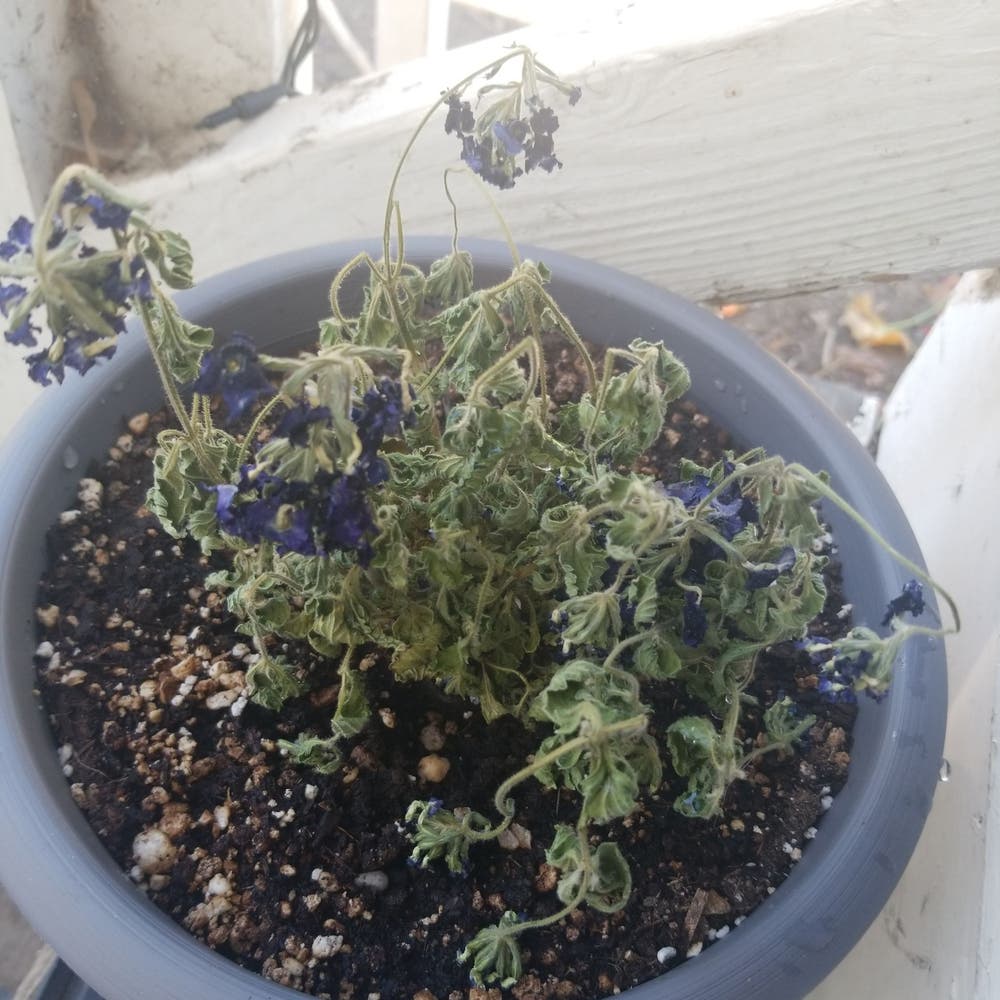
7 Tips for Pruning Verbena 'Bampton' ✂️
Verbena officinalis 'Bampton'
By the Greg Editorial Team
Oct 31, 2024•5 min read
This article was created with the help of AI so we can cover more plants for you. May contain errors. See one? Report it here.
Prune Verbena 'Bampton' 🌱 for vibrant blooms and a thriving garden all season long with these expert tips!
- 🌱 Prune Verbena 'Bampton' in early spring for optimal growth and blooming.
- ✂️ Use sharp, sterilized tools to ensure clean cuts and prevent disease.
- 🌼 Regular deadheading promotes continuous blooms and enhances garden aesthetics.
Best Time to Prune
Optimal Pruning Time 🌱
Timing is everything when it comes to pruning Verbena 'Bampton.' The best time to start is early spring, just before new growth kicks in. This allows you to remove any dead or damaged stems, setting the stage for a vibrant growing season.
Mid-summer is another key period for pruning. A light trim at this time helps maintain the plant's shape and encourages more blooms. Finally, late fall is your last chance to prune, as it’s the time to tidy up after flowering has ceased.
Seasonal Timing Considerations 🌦️
Keep in mind that local climate and growing conditions can influence your pruning schedule. If you live in a warmer area, you might find that your Verbena needs a little extra attention earlier in the season. Conversely, in cooler climates, you may need to adjust your timing to ensure the plant is well-prepared for winter.
By being mindful of these seasonal factors, you can optimize your pruning efforts and keep your Verbena thriving. Now that you know when to prune, let’s dive into the tools you’ll need to get the job done right!
Tools Needed for Pruning
✂️ Essential Pruning Tools
To effectively prune your Verbena 'Bampton', having the right tools is crucial. Start with sharp pruning shears for clean cuts that promote healthy growth.
For thicker stems, loppers are your best friend. They provide the leverage needed to tackle those sturdier branches without straining your hands.
Don’t forget to wear gloves. They protect your hands from sharp edges and potential irritants, ensuring a safe and comfortable pruning experience.
🧰 Tool Maintenance
Maintaining your tools is just as important as having them. Always sterilize your tools before and after use to prevent the transmission of diseases between plants.
Regularly sharpen your shears and loppers to ensure effective cutting. Dull blades can crush stems rather than cut them, leading to unnecessary damage and stress for your plants.
With the right tools and proper maintenance, you’ll be well-equipped to keep your Verbena thriving. Now that you’re ready to prune, let’s dive into the step-by-step instructions for a successful pruning session!
Step-by-Step Pruning Instructions
Pruning Verbena 'Bampton' is essential for maintaining its health and promoting vibrant blooms. Follow these straightforward steps to ensure your plant thrives.
1. Assess the Plant 🌱
Begin by examining your Verbena. Look for leggy stems and dead flowers that need attention.
2. Start with Dead or Damaged Stems ✂️
Cut back any dead or damaged stems to healthy growth. This encourages the plant to focus its energy on new, vibrant growth.
3. Trim Leggy Growth 🌿
Next, tackle any leggy growth. Trim back these stems to promote a bushier appearance, enhancing the plant's overall shape.
4. Shape the Plant 🎨
To maintain a compact form, trim the outer edges of the plant. This shaping helps keep your Verbena looking neat and encourages more blooms.
5. Clean Up 🧹
After pruning, remove all cuttings from the base of the plant. This cleanup prevents disease and keeps your garden tidy.
Timing for Each Step ⏰
- Early Spring: Focus on removing dead material and shaping the plant.
- Mid-Summer: Perform light trimming to encourage new blooms.
By following these steps, you'll ensure your Verbena 'Bampton' remains healthy and vibrant throughout the growing season. Next, let's explore how to effectively deadhead your plants for continuous blooming.
How to Deadhead
🌼 What is Deadheading?
Deadheading is the practice of removing spent flowers from your verbena plants. This simple act encourages watering needsng and keeps plantgarden looking vibrant.
🌸 Why Deadhead?
By deadheading, younutrientscontinuous flowering and prevent seed formation. When plants focus on seed production, bloopestscan slow down, so regular deadheading keeps the flowers coming.
✂️ Step-by-Step Deadheading Instructions
- Identify spent flowers: Look for wilted or brown blooms that are past their prime. 2.plantpruning shears: Cut tblooming bestabove the first set of healthy leaves to encourage new growth.
- Dispose of removed flowers: Proper disposal helps prevent potential pests and diseases from taking hold.
👀 Signs That Deadheading is Needed
Keep an eye out for wilting or browning flowers, as these are clear indicators that deadheading is necessary. Additionally, if you notice a reduced frequency of blooms, it’s time to get to work.
Deadheading is a straightforward yet effective way to keep your verbena 'Bampton' thriving. With just a little effort, you can ensure your plants remain lush and full of life.
Next, let’s explore troubleshooting common pruning issues to keep your plants healthy and flourishing.
Troubleshooting Pruning Issues
🌱 Identifying Over-Pruned Plants
Over-pruning can lead to noticeable signs of distress in your verbena 'Bampton'. Look for stunted growth and a lack of blooms, which indicate that the plant may have been cut back too severely.
😟 Signs of Stress After Pruning
After pruning, your verbena may show signs of stress. Watch for wilting leaves, discoloration, or slow growth, as these symptoms suggest the plant is struggling to recover.
🌼 How to Revive a Pruned Plant
If your verbena exhibits signs of stress, take immediate action to help it bounce back. Follow these steps:
- Assess watering needs: Ensure the plant has adequate moisture without becoming waterlogged.
- Provide nutrients: Apply a balanced fertilizer to support recovery and encourage new growth.
- Monitor for pests: Keep an eye out for any infestations that may arise due to the plant's weakened state.
By addressing these issues promptly, you can help your verbena thrive once again. With the right care, your plant will be back to its blooming best in no time!
⚠️ Safety First
This content is for general information and may contain errors, omissions, or outdated details. It is not medical, veterinary advice, or an endorsement of therapeutic claims.
Always consult a qualified healthcare professional before using any plant as food, medicine, or supplement.
Never eat any plant (or feed one to pets) without confirming its identity with at least two trusted sources.
If you suspect poisoning, call Poison Control (800) 222-1222, the Pet Poison Helpline (800) 213-6680, or your local emergency service immediately.
Spotted an error? Please report it here.
Prune your Verbena 'Bampton' like a pro for blooming success 🌼 with Greg's tailored reminders and care tips that keep your garden thriving all season long!