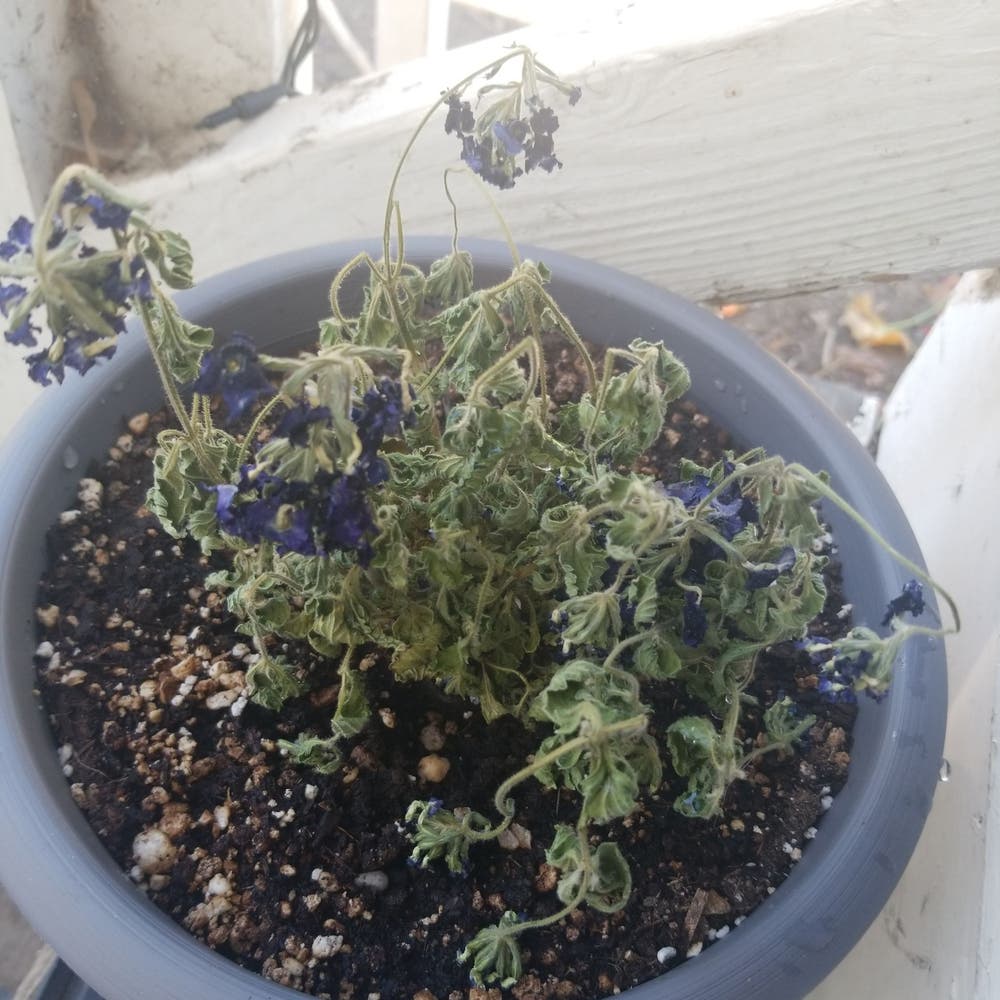
🍃 Understanding Curling Leaves on Your Verbena 'Bampton'
Verbena officinalis 'Bampton'
By the Greg Editorial Team
Oct 31, 2024•5 min read
This article was created with the help of AI so we can cover more plants for you. May contain errors. See one? Report it here.
Transform your Verbena 'Bampton' into a lush beauty 🌿 by mastering the secrets to preventing leaf curl!
- 💧 Overwatering and poor drainage cause leaf curl; ensure proper watering practices.
- ☀️ Insufficient sunlight leads to weak growth and curling; provide at least six hours daily.
- 🐜 Pests like aphids and spider mites contribute to leaf curl; inspect regularly for early detection.
Common Causes of Leaf Curl
🌍 Environmental Factors Affecting Leaf Curl
Overwatering
Overwatering is a common issue that can lead to leaf curl in your Verbena 'Bampton'. Symptoms include yellowing leaves and soggy soil, which indicate root rot and nutrient uptake problems.
Insufficient Sunlight
Insufficient sunlight can also cause leaf curl. Look for stretching stems and pale leaves, as these symptoms suggest weak growth and increased vulnerability to pests.
Temperature Extremes
Temperature extremes can stress your plants, leading to wilting or curling leaves. Both heat and cold can negatively impact plant health, making it crucial to monitor temperature conditions.
🐛 Pest-Related Issues Leading to Leaf Curl
Aphids
Aphids are notorious for causing leaf curl. You might notice sticky residue and distorted leaves, as these sap-sucking pests weaken your plants over time.
Spider Mites
Spider mites can also be a culprit behind curling leaves. Look for fine webbing and speckled leaves, which indicate that these pests are feeding on leaf tissue, causing damage and discoloration.
🦠 Fungal and Bacterial Infections
Powdery Mildew
Powdery mildew presents as white powdery spots on leaves. This fungal infection reduces photosynthesis and overall plant vigor, making it essential to address promptly.
Bacterial Leaf Spot
Bacterial leaf spot manifests as dark, water-soaked spots that can lead to curling. This infection compromises leaf structure and health, making it crucial to identify and treat early.
Understanding these common causes of leaf curl can help you take proactive measures to maintain the health of your Verbena 'Bampton'. Next, we’ll explore how to diagnose the problem effectively.
Diagnosing the Problem
🕵️♂️ Identifying Symptoms of Leaf Curl
To effectively diagnose leaf curl in your Verbena 'Bampton', start with a thorough visual inspection. Look for signs of discoloration, distortion, and any changes in leaf texture.
Next, check the undersides of the leaves for pests. These tiny invaders can often be the culprits behind curling leaves.
🌱 Assessing Overall Plant Health
Evaluate the overall health of your plant by observing its growth patterns. Are the stems strong and upright, or do they appear weak and stretched?
Additionally, take note of the flowering. Healthy plants typically produce vibrant blooms, while stressed plants may struggle to flower.
🐛 Differentiating Between Pest Damage and Environmental Stress
Identifying whether leaf curl is due to pests or environmental stress is crucial. Look for pest damage indicators such as the presence of pests, sticky residue, or fine webbing on the leaves.
On the other hand, environmental stress indicators include checking soil moisture levels, sunlight exposure, and temperature readings. Understanding these factors can help pinpoint the issue.
💧 Assessing Soil and Watering Conditions
Soil drainage is a key factor in plant health. Check for compacted soil or poor drainage, as these conditions can lead to root problems.
Evaluate your watering practices as well. Consider the frequency and amount of water applied, and watch for signs of overwatering or underwatering, such as yellowing leaves or dry, crispy edges.
By carefully diagnosing these symptoms and conditions, you can take the first steps toward restoring your Verbena 'Bampton' to its vibrant self. Next, let's explore treatment options to address these issues effectively.
Treatment Options
🌱 Organic Pest Control Methods
Organic pest control is a fantastic way to manage issues without harming beneficial insects.
Neem Oil Application
To apply neem oil, spray it on the affected areas every 7-14 days. This method is effective and safe for beneficial insects when used correctly.
Insecticidal Soap
Insecticidal soap is another great option. Thoroughly coat the affected plants, ideally in the early morning or late evening for maximum effectiveness.
🧪 Chemical Treatments for Pests and Diseases
When organic methods aren't enough, chemical treatments can step in.
Recommended Pesticides
For severe infestations, systemic insecticides are recommended. Always follow label instructions carefully to ensure safe and effective use.
Fungicides for Fungal Infections
Broad-spectrum fungicides are effective against powdery mildew. Apply these every 7-14 days as needed to keep your plants healthy.
💧 Adjusting Watering Practices
Proper watering is crucial for the health of your Verbena 'Bampton.'
Establishing a Watering Schedule
Water your plants when the top inch of soil is dry. Deep watering encourages strong root growth, making your plants more resilient.
Signs of Proper Watering
Use a moisture meter or your finger to check soil moisture. This will help you avoid overwatering or underwatering.
🌍 Improving Soil Drainage and Quality
Healthy soil is the foundation of a thriving garden.
Soil Amendment Techniques
Adding organic matter like compost or well-rotted manure can significantly improve soil quality.
Ensuring Proper Drainage
Consider using raised beds or containers with drainage holes to prevent waterlogging. This simple step can make a big difference in plant health.
By implementing these treatment options, you can effectively manage leaf curl and promote the overall health of your Verbena 'Bampton.' Next, let’s explore preventive measures to keep your plants thriving year-round.
Preventive Measures
🌱 Best Practices for Verbena 'Bampton' Care
To keep your Verbena 'Bampton' thriving, start with the right planting conditions. Use well-draining sandy loam soil and ensure the plants receive full sun for at least six hours each day.
Regular fertilization is also crucial. Opt for a balanced fertilizer during the growing season, applying it every 4-6 weeks to support healthy growth.
🌼 Seasonal Care Tips to Prevent Leaf Curl
As spring approaches, prepare your plants by pruning away any dead or damaged growth. This not only promotes new growth but also helps maintain the plant's overall health.
During the summer, increase your watering frequency, especially during hot spells. Keep an eye out for pests by conducting regular checks for early signs of infestations.
🐛 Regular Monitoring for Pests and Diseases
Establish a weekly inspection schedule to catch any pests or disease symptoms early. If you notice any issues, take immediate action to prevent further damage.
By following these preventive measures, you can enjoy a vibrant and healthy Verbena 'Bampton' throughout the growing season. Now, let’s dive into diagnosing any potential problems with your plants.
⚠️ Safety First
This content is for general information and may contain errors, omissions, or outdated details. It is not medical, veterinary advice, or an endorsement of therapeutic claims.
Always consult a qualified healthcare professional before using any plant as food, medicine, or supplement.
Never eat any plant (or feed one to pets) without confirming its identity with at least two trusted sources.
If you suspect poisoning, call Poison Control (800) 222-1222, the Pet Poison Helpline (800) 213-6680, or your local emergency service immediately.
Spotted an error? Please report it here.
Keep your Verbena 'Bampton' thriving 🌱 by using Greg's personalized care reminders and pest identification tools to tackle curling leaves and ensure vibrant growth all season long!