💧 Ultimate Guide to Watering Your Verbena 'Bampton'
Verbena officinalis 'Bampton'
By the Greg Editorial Team
Oct 31, 2024•6 min read
This article was created with the help of AI so we can cover more plants for you. May contain errors. See one? Report it here.
Unlock vibrant blooms for your Verbena 'Bampton' 🌼 by mastering the perfect watering schedule for thriving growth!
- 💧 Water Verbena 'Bampton' every 5-7 days for optimal growth during the season.
- 🌡️ Adjust watering frequency based on temperature and humidity for best results.
- 🌱 Monitor soil moisture to prevent over or under-watering and ensure plant health.
Ideal Watering Schedule
🌊 General Watering Frequency
To keep your Verbena 'Bampton' thriving, aim to water every 5-7 days during the growing season. This frequency ensures your plants receive the moisture they need without drowning in excess water.
Adjust your watering schedule based on environmental conditions. During hot, dry spells, increase the frequency, while cooler, wetter periods call for less frequent watering.
📊 Factors Affecting Watering Frequency
🌤️ Climate Considerations
The climate plays a significant role in how often you should water. In hot, dry climates, your plants may require more frequent watering to stay hydrated. Conversely, in humid climates, you might find that less frequent watering is sufficient.
🪴 Pot Size and Type
The size and type of pot can also impact watering needs. Smaller pots tend to dry out faster, while larger pots retain moisture longer. Always choose well-draining pots to prevent the risk of over-watering, which can harm your plants.
🌱 Soil Type
Soil type is crucial for proper moisture retention. Well-draining soil is essential for healthy growth. If your soil isn't draining well, consider amending it with perlite or sand to improve its structure and moisture management.
Understanding these factors will help you create an effective watering schedule tailored to your Verbena 'Bampton'. This knowledge not only promotes plant health but also enhances your gardening experience.
Next, let’s explore how to recognize the signs of over-watering, ensuring your plants remain in optimal condition.
Recognizing Over-Watering
Symptoms of Over-Watering 🌧️
Over-watering can be a sneaky problem for your Verbena 'Bampton'. One of the first signs is yellowing leaves, which indicate that your plant is stressed from excess moisture.
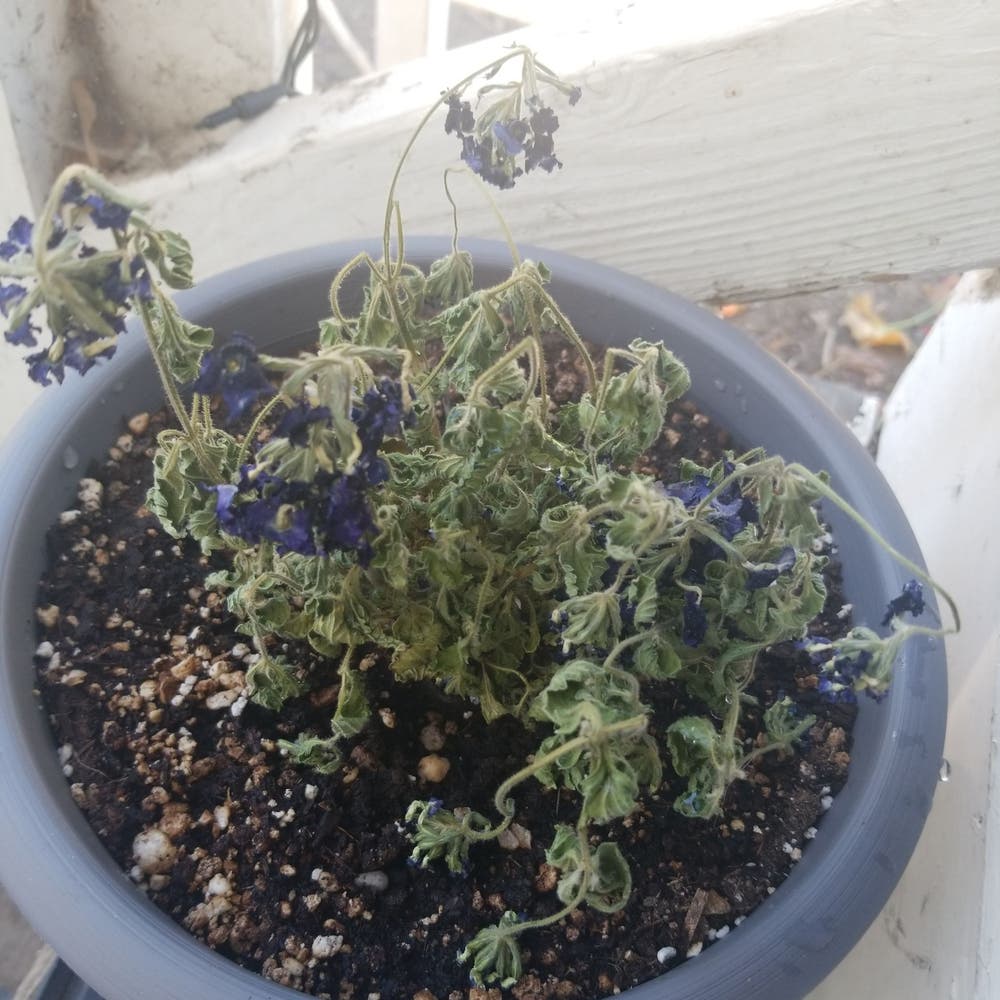
Another red flag is wilting leaves, even when the soil feels wet. This can mean that the roots are suffocating due to lack of oxygen. If you notice dark, mushy roots upon inspection, your plant may be suffering from root rot, a serious condition that can lead to plant death.
How to Remedy Over-Watering 🛠️
If you suspect over-watering, start by assessing the drainage of your pots. Ensure they have adequate drainage holes to allow excess water to escape.
Next, adjust your watering schedule. Allow the soil to dry out completely before re-watering to give your plant a chance to recover. If the problem persists, consider repotting your Verbena 'Bampton' in fresh, well-draining soil to promote healthy growth.
Recognizing and addressing over-watering is crucial for maintaining the health of your Verbena 'Bampton'. With the right care, your plant will thrive and bring vibrant color to your garden.
Recognizing Under-Watering
🌵 Symptoms of Under-Watering
Under-watering can be a sneaky issue for your Verbena 'Bampton'. The first sign is wilting leaves; they droop and lose their firmness, signaling that your plant is thirsty.
Another telltale sign is dry, crumbly soil. If the soil pulls away from the edges of the pot, it’s a clear indication that moisture is lacking. You might also notice flower drop, where buds fall off prematurely due to stress from insufficient water.
💧 How to Remedy Under-Watering
To remedy under-watering, start by watering thoroughly. Soak the soil until water drains from the bottom of the pot, ensuring that the roots receive the moisture they crave.
Next, establish a consistent watering schedule. Consider using the Greg plant care app for reminders to keep you on track. Lastly, monitor environmental conditions closely. Adjust your watering based on temperature and humidity to ensure your Verbena thrives.
With these steps, you can keep your Verbena 'Bampton' healthy and vibrant. Now, let’s explore effective watering techniques to further enhance your plant care routine.
Watering Techniques
Bottom-Watering Method 🌊
Bottom-watering is a fantastic technique that allows your Verbena 'Bampton' roots to absorb moisture directly from below. This method is particularly effective because it encourages deep root growth and helps prevent over-saturation of the soil surface.
To bottom-water your plants, follow these simple steps:
- Fill a tray with water.
- Place the pot in the tray and allow it to soak for 30 minutes.
- Remove the pot and let any excess water drain out.
This method not only keeps the soil evenly moist but also reduces the risk of fungal diseases that can arise from wet foliage.
Self-Watering Pots and Their Benefits 💧
Self-watering pots are a game-changer for busy gardeners. These pots are designed to provide consistent moisture, making them an excellent choice for anyone who struggles to maintain a regular watering schedule.
The benefits of using self-watering pots include:
- Reduced frequency of watering, which is perfect for those with hectic lifestyles.
- Maintenance of optimal moisture levels, ensuring your plants thrive.
- A more forgiving approach to watering, minimizing the risk of both over-watering and under-watering.
With self-watering pots, you can enjoy a flourishing garden without the constant worry of keeping up with watering demands.
As you explore these watering techniques, consider how they can fit into your gardening routine. Transitioning to these methods can lead to healthier plants and a more enjoyable gardening experience.
Measuring Soil Moisture
🛠️ Tools for Measuring Soil Moisture
To ensure your Verbena 'Bampton' thrives, measuring soil moisture is essential. A soil moisture meter is a reliable tool that provides accurate readings, helping you determine when to water.
For a quick check, you can use a wooden dowel or simply your finger. These alternatives are handy and effective for gauging moisture levels without needing specialized equipment.
👆 How to Check Soil Moisture Levels Manually
Checking soil moisture manually is straightforward. Start by inserting your finger or a dowel into the soil up to 2 inches.
Next, assess the moisture:
- Dry soil: Time to water your plant.
- Moist soil: Wait a few days before checking again.
- Wet soil: Hold off on watering until the soil dries out.
By regularly monitoring moisture levels, you can keep your Verbena 'Bampton' healthy and vibrant. This proactive approach not only prevents over or under-watering but also enhances your gardening experience.
Now that you know how to measure soil moisture, let’s explore effective watering techniques to keep your plants thriving.
Watering Reminders and Scheduling
📱 Using the Greg Plant Care App for Reminders
The Greg Plant Care app is a game-changer for plant enthusiasts. This AI-powered tool sends you timely reminders for watering and other plant care tasks, ensuring your Verbena 'Bampton' gets the attention it needs.
Setting up reminders is straightforward. Simply input your desired watering frequency, and the app will notify you when it's time to water.
🗓️ Setting Up a Watering Schedule Based on Plant Needs
Creating a watering schedule tailored to your Verbena 'Bampton' is essential for its health. Adjust your schedule based on seasonal changes and the plant's growth stages to optimize care.
Consistency is key. Regular watering helps maintain the vibrant health of your Verbena, allowing it to thrive throughout the growing season.
With the right tools and a bit of planning, you can ensure your plants receive the care they deserve. Now, let’s explore effective watering techniques to further enhance your gardening experience.
⚠️ Safety First
This content is for general information and may contain errors, omissions, or outdated details. It is not medical, veterinary advice, or an endorsement of therapeutic claims.
Always consult a qualified healthcare professional before using any plant as food, medicine, or supplement.
Never eat any plant (or feed one to pets) without confirming its identity with at least two trusted sources.
If you suspect poisoning, call Poison Control (800) 222-1222, the Pet Poison Helpline (800) 213-6680, or your local emergency service immediately.
Spotted an error? Please report it here.
Keep your Verbena 'Bampton' thriving 🌼 by watering it consistently every 5-7 days, and let Greg set personalized reminders to ensure your plant gets the perfect moisture it craves!