🌸 3 Tips for Growing Verbena 'Bampton'
Verbena officinalis 'Bampton'
By the Greg Editorial Team
Oct 31, 2024•7 min read
This article was created with the help of AI so we can cover more plants for you. May contain errors. See one? Report it here.
Cultivate a stunning garden with essential tips for thriving Verbena 'Bampton'! 🌼
- ☀️ Verbena 'Bampton' needs 6-8 hours of sunlight daily for optimal growth.
- 🌡️ Ideal temperatures are 15°C to 30°C; protect from frost in colder climates.
- 🌱 Well-draining soil and proper pH (6.0-7.0) are crucial for healthy plants.
Choosing the Right Location
☀️ Sunlight Requirements
To thrive, Verbena 'Bampton' needs full sun exposure, ideally basking in 6-8 hours of direct sunlight each day. This ample sunlight is crucial as it promotes healthy growth and leads to an abundance of vibrant blooms.
🌡️ Temperature Considerations
The optimal temperature range for these plants is between 15°C to 30°C (59°F to 86°F). However, be mindful of their frost sensitivity; in colder climates, it's essential to protect your plants from frost to ensure they flourish.
Choosing the right location is foundational for your Verbena 'Bampton' to thrive. With the right sunlight and temperature, you're setting the stage for a stunning display of flowers. Next, let’s dive into the essential soil preparation needed for these beauties.
Soil Preparation
🌱 Soil Type and Drainage
To ensure your Verbena 'Bampton' thrives, start with well-draining soil. This is crucial to prevent root rot, which can quickly ruin your plants.
Sandy loam or loamy soil are the best choices. These soil types provide the right balance of drainage and moisture retention, creating an ideal environment for healthy growth.
⚖️ pH Levels
Next, pay attention to the pH levels of your soil. The ideal range for Verbena 'Bampton' is between 6.0 and 7.0.
Testing your soil pH is simple with a soil test kit. This small investment can save you from future headaches by ensuring your plants have the right conditions to flourish.
🌿 Incorporating Organic Matter
Incorporating organic matter into your soil can significantly enhance its quality. Organic matter improves soil structure and boosts nutrient retention, which is vital for robust plant health.
Consider adding compost or well-rotted manure as amendments. These not only enrich the soil but also promote a thriving ecosystem for beneficial microorganisms.
With the right soil preparation in place, your Verbena 'Bampton' will be set up for success. Next, let’s explore the best planting techniques to ensure your plants take root effectively.
Planting Techniques
Timing and Spacing 🌱
The best time to plant Verbena 'Bampton' is in the spring, right after the last frost. For optimal air circulation, space the plants 12 to 18 inches apart, allowing them room to thrive.
Planting Depth 🌍
When planting, ensure the crown of the plant is level with the soil surface. This positioning helps the plant establish itself more effectively and promotes healthy growth.
Container Gardening Considerations 🪴
If you're opting for container gardening, choose pots that are at least 12 inches in diameter. This size provides adequate root space, which is crucial for the plant's development.
Make sure your pots have drainage holes to prevent waterlogging. Proper drainage is vital to keep the roots healthy and avoid issues like root rot.
With these planting techniques in mind, you're well on your way to cultivating a vibrant display of Verbena 'Bampton'. Next, let's explore the essential aspects of watering and fertilizing to keep your plants flourishing.
Watering and Fertilizing
💧 Watering Frequency and Methods
Proper watering is crucial for the health of your Verbena 'Bampton'. Initially, keep the soil consistently moist until the plants are established.
Once established, water every 1-2 weeks, allowing the soil to dry out between waterings. This balance helps prevent overwatering, which can lead to root rot.
For efficient watering, consider using drip irrigation or hand watering. Both methods ensure that water reaches the roots directly, minimizing waste and promoting healthy growth.
🌱 Fertilizing Schedule
Fertilizing your Verbena 'Bampton' is essential for vibrant blooms. Aim to fertilize every 4-6 weeks during the growing season.
You can choose between balanced NPK fertilizers or organic options. Organic fertilizers are often preferred as they improve soil health and promote beneficial microbial activity.
Using organic fertilizers can lead to healthier plants and a more sustainable garden. They release nutrients slowly, providing a steady supply for your Verbena throughout the growing season.
With the right watering and fertilizing practices, your Verbena 'Bampton' will thrive, setting the stage for the next steps in care and maintenance.
Pruning and Maintenance
✂️ Pruning Techniques
Pruning is essential for keeping your Verbena 'Bampton' healthy and vibrant. The best time to prune is early spring, just before new growth begins.
When pruning, focus on cutting back any dead or damaged stems. This encourages fresh growth and helps maintain the plant's overall shape.
🌼 Deadheading for Continuous Blooms
Deadheading is a crucial practice for promoting continuous blooms throughout the growing season. By removing spent flowers, you encourage the plant to produce more blooms, extending its flowering period.
To deadhead effectively, simply pinch off the spent flowers just above the leaf node. This simple technique can lead to a more abundant and colorful display in your garden.
With proper pruning and deadheading, your Verbena 'Bampton' will thrive, providing you with a stunning array of blossoms. Next, let’s explore common challenges and solutions to keep your plants in top shape.
Common Challenges and Solutions
🐛 Identifying and Managing Pests
Pests can be a real headache for gardeners, but knowing what to look for can make all the difference.
Common Pests
- Aphids: These tiny insects can cause curled leaves and leave a sticky residue on your plants.
- Spider Mites: Look for fine webbing and stippled leaves, which are telltale signs of these pests.
Control Methods
Managing pests organically is both effective and environmentally friendly.
- Organic Pest Control: Use neem oil or insecticidal soap to tackle infestations without harsh chemicals.
- Encouraging Beneficial Insects: Attract ladybugs and lacewings to your garden; they love to feast on aphids and other pests.
🦠 Dealing with Diseases
Diseases can sneak up on your Verbena 'Bampton', but early detection is key.
Common Diseases
- Powdery Mildew: This fungal disease appears as white powdery spots on leaves, often thriving in humid conditions.
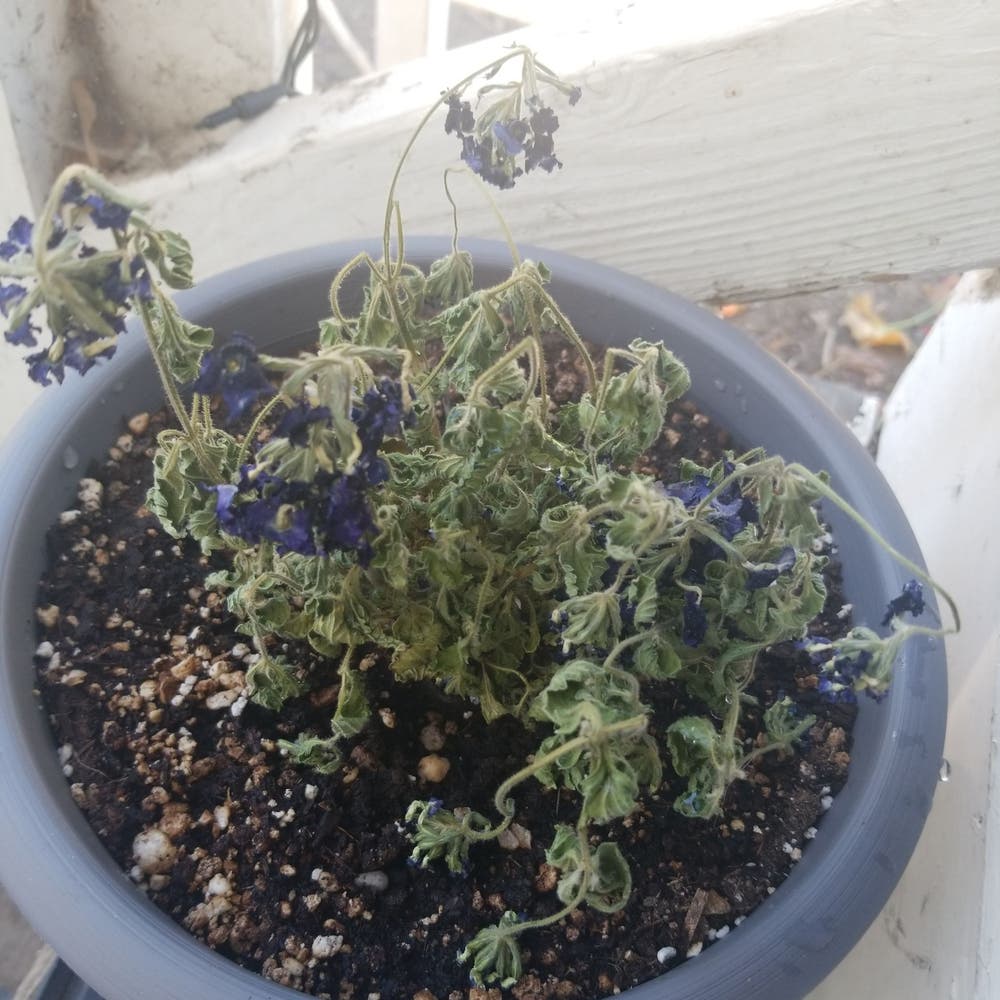
- Root Rot: Caused by overwatering, symptoms include wilting and yellowing leaves.
Prevention Strategies
Preventing diseases is often easier than treating them.
- Proper Watering Techniques: Allow the soil to dry between waterings to avoid creating a soggy environment.
- Good Air Circulation: Space your plants adequately to reduce humidity and promote airflow.
🌍 Environmental Stress Factors
Your plants can also face challenges from their environment, which can affect their health.
- Heat Stress: Signs include wilting and leaf scorch, especially during hot summer days.
- Drought Tolerance: Once established, Verbena 'Bampton' can handle less frequent watering, making it a resilient choice for your garden.
By staying vigilant and proactive, you can tackle these common challenges and keep your Verbena 'Bampton' thriving. Next, let’s explore the seasonal care needed to ensure your plants flourish throughout the year.
Seasonal Care
Spring Care 🌱
Spring is the perfect time to get your Verbena 'Bampton' thriving. Plant them after the last frost to ensure they establish well.
As new growth appears, start fertilizing to give them a nutrient boost. This will set the stage for a vibrant growing season ahead.
Summer Care ☀️
During the summer, keep a close eye on watering. Adjust your frequency based on the heat and rainfall to keep your plants hydrated.
Don't forget to deadhead regularly! Removing spent blooms encourages new growth and keeps your garden looking fresh and lively.
Fall Care 🍂
As fall approaches, it's time to prepare your Verbena for winter. Cut back the plants and apply mulch to protect their roots from the cold.
Finally, give them a last feeding before dormancy. This helps promote healthy regrowth come spring, ensuring your garden bursts back to life after winter.
With these seasonal care tips, your Verbena 'Bampton' will flourish throughout the year. Next, let’s explore common challenges and solutions to keep your plants healthy and thriving.
⚠️ Safety First
This content is for general information and may contain errors, omissions, or outdated details. It is not medical, veterinary advice, or an endorsement of therapeutic claims.
Always consult a qualified healthcare professional before using any plant as food, medicine, or supplement.
Never eat any plant (or feed one to pets) without confirming its identity with at least two trusted sources.
If you suspect poisoning, call Poison Control (800) 222-1222, the Pet Poison Helpline (800) 213-6680, or your local emergency service immediately.
Spotted an error? Please report it here.
Grow your Verbena 'Bampton' with blooming success 🌼 by using Greg's personalized care reminders and soil pH testing to create the ideal conditions for vibrant flowers!