5 Perfect Spots to Grow Backeberg's Pincushion Cactus 🌵
Mammillaria backebergiana
By the Greg Editorial Team
Oct 09, 2024•5 min read
This article was created with the help of AI so we can cover more plants for you. May contain errors. See one? Report it here.
Transform your garden with thriving Backeberg's Pincushion Cactus by mastering sunlight and soil essentials! 🌞🌵
- ☀️ Backeberg's Pincushion Cactus needs 6-8 hours of direct sunlight daily for optimal growth.
- 🌱 Well-draining sandy soil is essential to prevent root rot and promote health.
- 🌬️ Wind protection and proper spacing enhance growth and prevent dehydration in your cactus.
Sunlight Exposure Requirements
Full Sun Preference 🌞
Backeberg's Pincushion Cactus thrives in full sun, requiring 6-8 hours of direct sunlight each day. This ample exposure is crucial for robust growth and vibrant flowering.
Tolerance to Partial Shade 🌤️
While this cactus prefers full sun, it can tolerate partial shade under specific conditions. However, too much shade can hinder its growth and flowering potential, making it essential to find a balance.
Assessing Sun Exposure 🔍
When choosing a location, consider south-facing spots, which receive the most sunlight. North-facing areas may not provide enough light, so using reflective surfaces can help enhance sunlight exposure for your cactus.
Understanding these sunlight requirements will set the foundation for a healthy Backeberg's Pincushion Cactus. Next, let’s explore the ideal soil conditions to support its growth.
Soil Type and Conditions
🌱 Well-Draining Soil Requirements
Backeberg's Pincushion Cactus thrives in sandy or rocky soils. These soil types provide the essential drainage that prevents root rot, a common issue for cacti.
Soil texture plays a crucial role in ensuring that water flows freely, allowing the roots to breathe. Without proper drainage, your cactus may struggle to survive.
⚖️ Soil pH Considerations
For optimal growth, aim for a soil pH between 6.0 and 7.0. This range supports nutrient availability and overall plant health.
To test your soil pH, use a simple home kit or send a sample to a lab. If adjustments are needed, consider adding lime to raise pH or sulfur to lower it.
🛠️ Enhancing Soil Conditions
To improve soil conditions, incorporate amendments like perlite or coarse sand. These materials enhance aeration and drainage, creating a more hospitable environment for your cactus.
Avoid compacted soil, as it restricts root growth and water movement. Regularly aerating the soil can help maintain its structure and health.
With the right soil conditions established, your Backeberg's Pincushion Cactus will be well on its way to thriving. Next, let’s explore how to assess the best spot for your cactus in your garden.
Proximity to Other Plants and Structures
🌱 Companion Planting Considerations
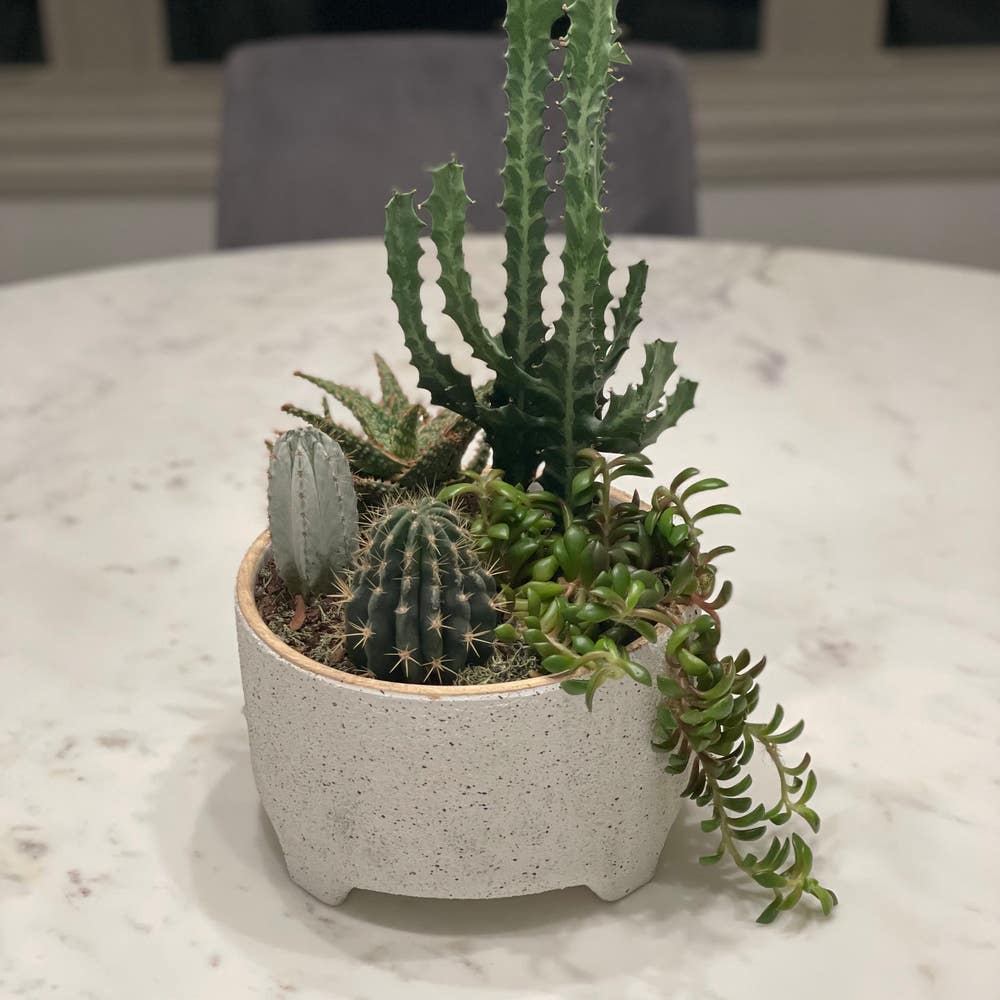
When selecting companion plants for Backeberg's Pincushion Cactus, look for those that thrive in similar dry, sunny conditions. Drought-tolerant plants like succulents, agaves, and certain herbs can create a harmonious garden environment.
Grouping these plants not only enhances aesthetics but also promotes healthier growth. They share resources efficiently and can help deter pests, making your garden a thriving ecosystem.
🚫 Avoiding Overcrowding
To ensure your Backeberg's Pincushion Cactus flourishes, maintain adequate spacing between it and other plants. A distance of at least 12 to 18 inches is recommended to allow for proper air circulation.
Overcrowding can lead to poor airflow, increasing the risk of diseases. This simple practice can significantly enhance your cactus's health and longevity.
🏗️ Structural Considerations
Positioning your cactus near walls or fences can provide additional warmth, especially during cooler nights. These structures can act as heat sinks, reflecting sunlight and creating a microclimate that benefits your plant.
However, be cautious of placing your cactus in areas that receive excessive shade from structures. This can hinder its growth and flowering potential, so always assess the light conditions before planting.
With these considerations in mind, you're well on your way to creating an ideal environment for your Backeberg's Pincushion Cactus. Next, let’s explore how to assess the best spot for your cactus in your garden.
Assessing the Best Spot
🌤️ Evaluating Microclimates
Microclimates are small areas within your garden that have distinct climate conditions. Understanding these can be crucial for the health of your Backeberg's Pincushion Cactus, as they can significantly influence temperature, moisture, and sunlight exposure.
To identify microclimates, observe your garden throughout the day. Look for spots that receive varying amounts of sunlight, are sheltered from wind, or retain moisture longer than others. These areas can provide the ideal environment for your cactus to thrive.
🌬️ Wind Protection Needs
Wind can be a silent enemy for your cactus. Strong gusts can damage the plant and lead to dehydration, stunting its growth.
To protect your cactus from wind, consider strategic placements. Use natural barriers like shrubs or fences to shield your plants. Additionally, creating a windbreak can help maintain a stable environment for your cactus.
🚿 Drainage Considerations
Proper drainage is vital for preventing overwatering and root rot, which can be detrimental to your cactus. Standing water can lead to serious health issues, so ensuring your plant has the right conditions is essential.
To test drainage, perform a water percolation test. Dig a hole, fill it with water, and observe how quickly it drains. If the water lingers, you may need to amend the soil or choose a different location to ensure your cactus thrives.
With these considerations in mind, you can create the perfect environment for your Backeberg's Pincushion Cactus. Next, let’s explore specific location preferences to further enhance its growth potential.
Specific Location Preferences
🌳 Shade Tolerance
Backeberg's Pincushion Cactus can thrive in partial shade, especially during the hottest parts of the day. However, it’s crucial to monitor its health; yellowing or stretching can indicate insufficient light.
Regularly check for signs of stress, like wilting or discoloration. Adjust its location if necessary to ensure it receives adequate light without being scorched.
☀️ Sun Requirements
For optimal growth and vibrant flowering, this cactus prefers 6-8 hours of direct sunlight daily. Positioning it in a south-facing spot usually yields the best results.
To assess sunlight patterns, observe your garden throughout the day. Note where shadows fall and how the sun moves to find the perfect spot.
🌵 Ideal Garden Layout for Cacti
When arranging Backeberg's Pincushion Cactus, aim for spacing of at least 12-18 inches between each plant. This allows for proper air circulation and reduces the risk of disease.
Consider creating focal points by grouping these cacti with other drought-tolerant plants. This not only enhances visual appeal but also promotes a harmonious ecosystem in your garden.
As you plan your layout, keep in mind the overall aesthetic and health of your garden. A well-thought-out arrangement can make all the difference in creating a thriving cactus paradise.
⚠️ Safety First
This content is for general information and may contain errors, omissions, or outdated details. It is not medical, veterinary advice, or an endorsement of therapeutic claims.
Always consult a qualified healthcare professional before using any plant as food, medicine, or supplement.
Never eat any plant (or feed one to pets) without confirming its identity with at least two trusted sources.
If you suspect poisoning, call Poison Control (800) 222-1222, the Pet Poison Helpline (800) 213-6680, or your local emergency service immediately.
Spotted an error? Please report it here.
Create a thriving oasis for your cactus 🌵 with Greg's tailored care tips and reminders, ensuring it gets the sunlight and drainage it craves for optimal growth!