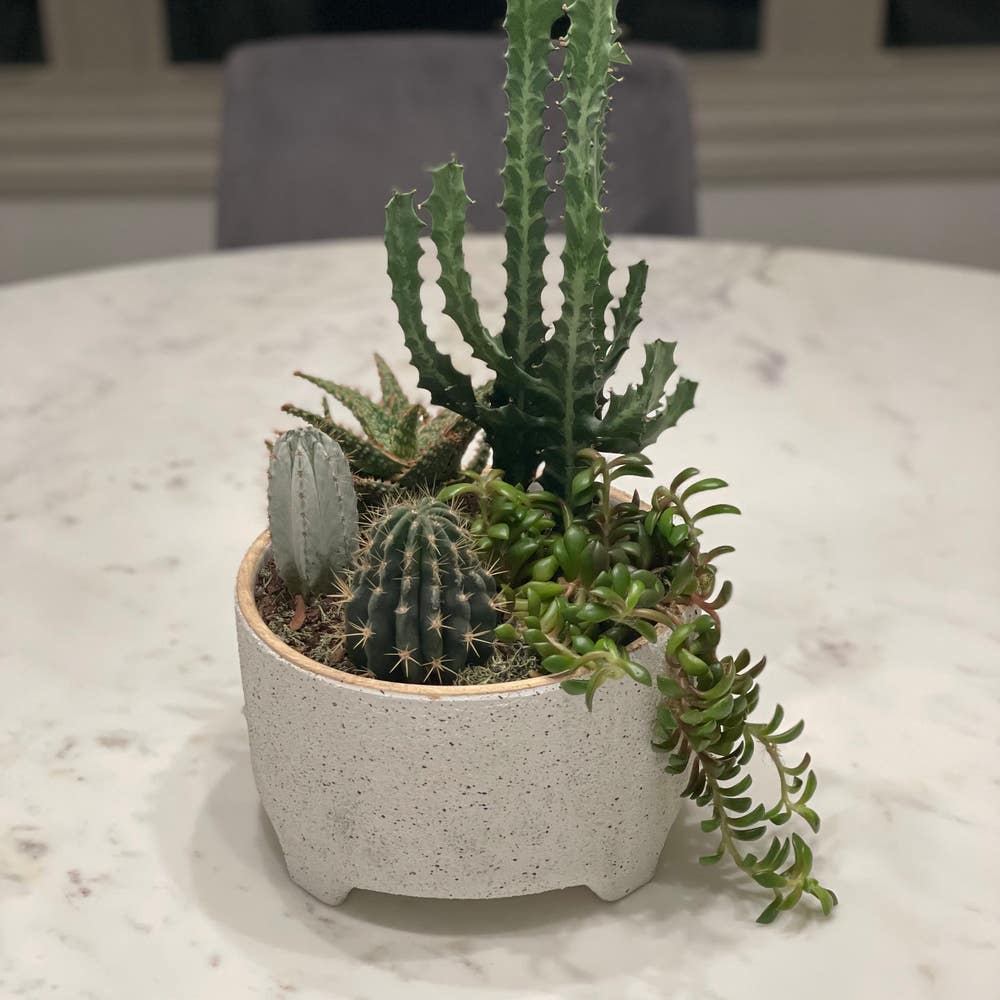
🌵 3 Ways to Boost Your Indoor Backeberg's Pincushion Cactus
Mammillaria backebergiana
By the Greg Editorial Team
Oct 09, 2024•5 min read
This article was created with the help of AI so we can cover more plants for you. May contain errors. See one? Report it here.
Unlock the secret to a thriving Backeberg's Pincushion Cactus with essential care tips! 🌵
- 🌞 Bright, indirect light for 10-12 hours daily is essential for growth.
- 💧 Water every 2-4 weeks; check soil moisture to prevent overwatering.
- 🌡️ Maintain 20-30°C temperatures and 30-50% humidity for optimal health.
Light Requirements
Ideal Conditions for Indoor Growth 🌞
For your Backeberg's Pincushion Cactus to thrive indoors, it needs bright, indirect light. While it can handle some direct sunlight, especially during the morning or late afternoon, aim for a light duration of 10-12 hours daily to keep it healthy.
Role of Grow Lights and How to Choose 💡
In low-light conditions, grow lights become essential for indoor cacti.
Types of Grow Lights
- LED Grow Lights: These are energy-efficient and have a long lifespan.
- Fluorescent Lights: Great for providing supplemental lighting.
Choosing the Right Grow Light
When selecting a grow light, consider the following:
- Light Spectrum: Opt for full-spectrum lights that mimic natural sunlight.
- Wattage: A range of 20-40 watts is ideal for small indoor spaces.
- Height Placement: Position the light 12-24 inches above the plant for optimal results.
By ensuring your cactus receives the right light conditions, you set the stage for vibrant growth. Next, let’s dive into the watering needs of your cactus to keep it flourishing.
Watering Needs
Frequency and Method 🌊
Watering your Backeberg's Pincushion Cactus is crucial for its health. Aim to water every 2-4 weeks, adjusting based on the season.
To ensure proper hydration, follow these steps:
- Check the soil moisture by inserting your finger 1-2 inches deep.
- Water thoroughly until excess drains from the bottom.
- Allow the soil to dry completely before the next watering.
Signs of Overwatering and Underwatering 🚨
Recognizing the signs of overwatering is essential. Look for yellowing or mushy stems, which can indicate root rot—dark, soft roots upon inspection confirm this.
On the flip side, underwatering can lead to a wrinkled or shriveled appearance and stunted growth. Keeping an eye on these signs will help you maintain a healthy cactus.
By mastering the watering needs of your cactus, you set the stage for vibrant growth. Next, let’s explore the ideal humidity and temperature conditions to keep your plant thriving.
Humidity and Temperature
🌬️ Optimal Levels for Indoor Growth
Maintaining the right humidity is crucial for your Backeberg's Pincushion Cactus. Aim for a humidity range of 30-50% to keep your plant thriving.
Excessive moisture can lead to rot, so it's essential to monitor humidity levels. A hygrometer is a handy tool to help you keep track of indoor humidity.
🌡️ Temperature Range for Healthy Growth
Temperature plays a significant role in the health of your cactus. The optimal range is between 20°C to 30°C (68°F to 86°F).
Be cautious of temperatures dropping below 10°C (50°F), as this can stress your plant. Keeping your cactus in a stable environment will promote robust growth and vitality.
With humidity and temperature under control, your cactus will be well on its way to flourishing. Next, let’s explore the best soil and fertilization practices to further enhance its growth.
Soil and Fertilization
Best Soil Type 🌱
For your indoor Backeberg's Pincushion Cactus, a well-draining soil mix is essential. Aim for a blend of 50% potting soil, 25% perlite, and 25% sand to ensure proper drainage.
The ideal pH level for this mix should be slightly acidic to neutral, ranging from 6.0 to 7.0. This balance helps your cactus thrive without the risk of root rot.
Fertilization Schedule 📅
During the growing season, which spans spring and summer, fertilize your cactus every 4-6 weeks. This regular feeding supports healthy growth and vibrant blooms.
Opt for a balanced cactus fertilizer with an NPK ratio of 10-10-10. Remember to dilute it to half-strength to prevent nutrient burn, ensuring your cactus receives just the right amount of nourishment.
With the right soil and fertilization practices, your Backeberg's Pincushion Cactus will flourish beautifully. Next, let’s explore how to tackle common issues and maintain your cactus effectively.
Common Issues and Maintenance
🐜 Common Pests and Prevention
Indoor Backeberg's Pincushion Cactus can attract a few pesky pests.
- Mealybugs appear as cotton-like masses on stems, while spider mites leave fine webbing on leaves.
To keep these nuisances at bay, conduct regular inspections and clean the plant with a damp cloth. If you encounter an infestation, insecticidal soap or neem oil can be effective solutions.
🔧 Troubleshooting Problems
Rot is a common issue that can plague your cactus.
- Look for soft, discolored areas on the plant, which indicate overwatering. The solution is simple: reduce watering and enhance drainage.
Discoloration can also occur, often due to improper light exposure or nutrient deficiencies. Adjusting your light conditions and fertilization schedule can help restore your cactus's vibrant appearance.
🪴 Placement Tips
Placement is crucial for your cactus's health.
- Position it near south or west-facing windows to maximize light exposure.
Avoid placing it in areas with drafts or extreme temperature fluctuations, as these can stress the plant.
🌱 Seasonal Care Considerations
Your cactus's care needs change with the seasons.
- In spring and summer, increase both watering and fertilization frequency to support growth.
As fall and winter approach, reduce watering and halt fertilization, allowing the plant to enter dormancy.
With these tips, you can keep your Backeberg's Pincushion Cactus thriving year-round. Next, let’s explore the best soil and fertilization practices to ensure optimal growth.
⚠️ Safety First
This content is for general information and may contain errors, omissions, or outdated details. It is not medical, veterinary advice, or an endorsement of therapeutic claims.
Always consult a qualified healthcare professional before using any plant as food, medicine, or supplement.
Never eat any plant (or feed one to pets) without confirming its identity with at least two trusted sources.
If you suspect poisoning, call Poison Control (800) 222-1222, the Pet Poison Helpline (800) 213-6680, or your local emergency service immediately.
Spotted an error? Please report it here.
Elevate your Backeberg's Pincushion Cactus care with tailored watering reminders and expert tips from Greg, ensuring your plant thrives in its perfect environment! 🌵