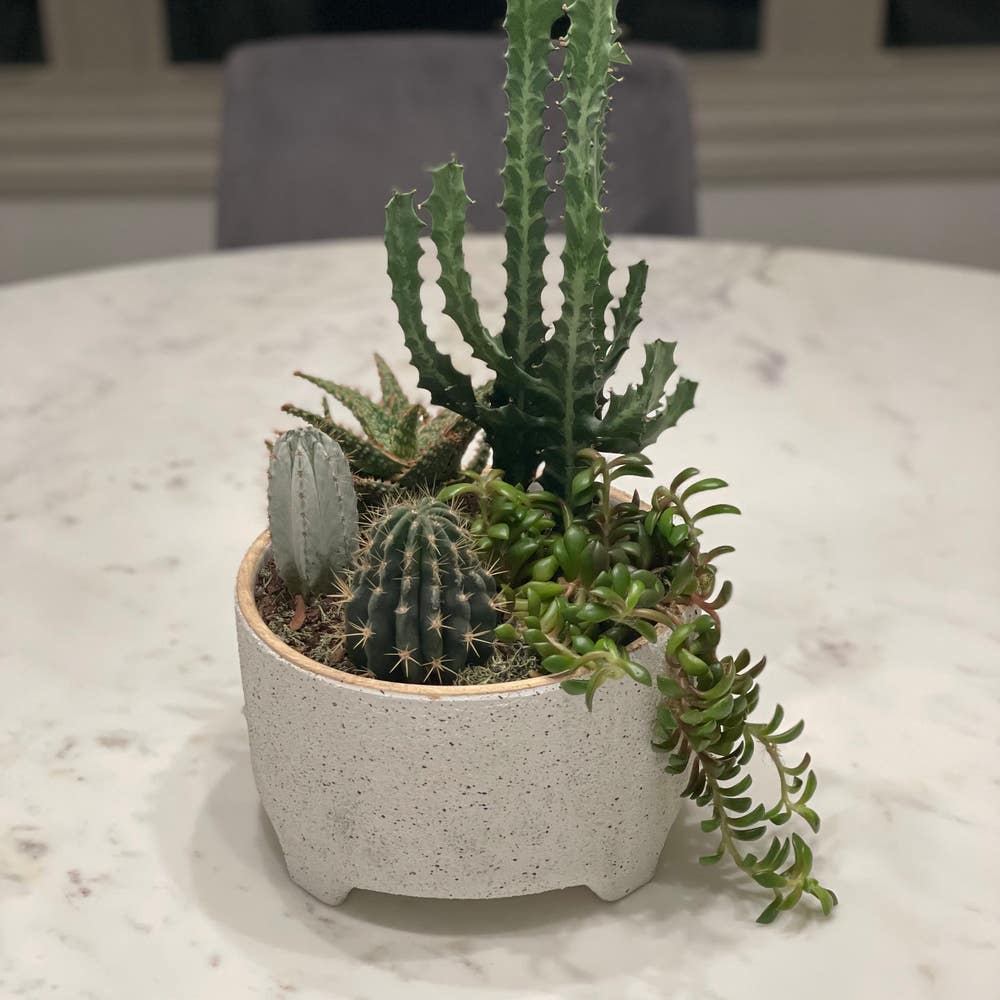
Reasons Why Your Backeberg's Pincushion Cactus Won't Flower 🌵
Mammillaria backebergiana
By the Greg Editorial Team
Oct 09, 2024•3 min read
This article was created with the help of AI so we can cover more plants for you. May contain errors. See one? Report it here.
Transform your Backeberg's Pincushion Cactus into a blooming beauty 🌵 with these essential care tips!
- 🌞 At least 6 hours of sunlight daily is essential for Backeberg's Pincushion to bloom.
- 💧 Monitor watering closely; both overwatering and underwatering can prevent flowering.
- 🌡️ Ideal temperatures for blooming are 70°F to 90°F during the growing season.
Flowering Issues in Backeberg's Pincushion Cactus
🌼 Reasons for Failure to Bloom
Environmental Stressors
Backeberg's Pincushion Cactus thrives on sunlight. Ensure it receives a minimum of 6 hours of direct sunlight daily to encourage blooming.
Overwatering is another common issue. Signs of root rot can inhibit flowering, so it's crucial to monitor watering habits closely.
On the flip side, underwatering can also delay flowering. Stress from drought conditions can prevent your cactus from producing those beautiful blooms.
Seasonal Factors
Understanding the bloom cycle timing is essential. Seasonal triggers play a significant role in when your cactus will flower.
Temperature fluctuations can impact blooming as well. The ideal range during the growing season is between 70°F to 90°F (21°C to 32°C).
Growth Rate Considerations
A slow growth rate can affect how often your cactus flowers. If it's not growing quickly, you may notice fewer blooms.
Additionally, the age of the cactus matters. Younger plants often take longer to bloom, so patience is key.
🌸 Causes of Premature Flower Drop
Environmental Factors
Sudden temperature changes can stress your cactus. Extreme heat or cold may lead to premature flower drop.
Inconsistent watering is another culprit. Fluctuations in moisture levels can cause buds to drop before they fully develop.
Nutritional Deficiencies
Lack of essential nutrients can significantly impact flower retention. Nitrogen, phosphorus, and potassium are crucial for healthy blooms.
Soil quality also plays a role. Well-draining soil is vital for maintaining healthy blooms and preventing issues.
Pests and Diseases
Keep an eye out for infestation signs. Pests can cause stress that leads to bud drop, so regular checks are essential.
Fungal infections can also be problematic. Recognizing symptoms early can help you implement effective prevention strategies.
🌺 Abnormal Flower Development
Flowering Anomalies
Deformed flowers can arise from nutrient imbalances or environmental stress. Identifying the cause can help you rectify the issue.
Color variations in flowers can occur due to light exposure. Understanding how light affects pigmentation can enhance your cactus's appearance.
Timing Issues
Delayed blooming can be frustrating. Several factors can cause flowers to open later than expected, including environmental conditions.
Sometimes, flowering occurs out of season. Familiarizing yourself with the cactus bloom cycle and its triggers can help manage expectations.
🌿 Nutritional Needs for Flowering
Essential Nutrients for Blooming
Key nutrients are vital for blooming success. Nitrogen, phosphorus, and potassium are essential for vibrant flowers.
Signs of nutrient deficiencies include yellowing leaves and poor flower production. Regularly assessing your cactus's health can prevent these issues.
Fertilization Schedule and Techniques
A recommended fertilization frequency is monthly during the growing season. This helps ensure your cactus gets the nutrients it needs.
Consider using balanced NPK fertilizers. Understanding application methods can maximize their effectiveness.
✂️ Pruning and Maintenance for Optimal Flowering
When and How to Prune
Timing is crucial for pruning. Late winter or early spring is the best time to encourage new growth.
Using the right tools and methods is essential to avoid damage. Proper techniques can make a significant difference in your cactus's health.
Impact of Pruning on Flower Production
Pruning can encourage new growth and potential blooms. It’s a beneficial practice when done correctly.
However, improper pruning can lead to reduced flowering and stress. Always approach pruning with care to maintain your cactus's vitality.
With these insights, you can better understand how to nurture your Backeberg's Pincushion Cactus for optimal flowering. Next, we’ll explore the causes of premature flower drop and how to prevent it.
⚠️ Safety First
This content is for general information and may contain errors, omissions, or outdated details. It is not medical, veterinary advice, or an endorsement of therapeutic claims.
Always consult a qualified healthcare professional before using any plant as food, medicine, or supplement.
Never eat any plant (or feed one to pets) without confirming its identity with at least two trusted sources.
If you suspect poisoning, call Poison Control (800) 222-1222, the Pet Poison Helpline (800) 213-6680, or your local emergency service immediately.
Spotted an error? Please report it here.
Get your Backeberg's Pincushion Cactus to bloom brilliantly 🌵 by using Greg's tailored reminders for sunlight, watering, and nutrition to keep it thriving all season long!