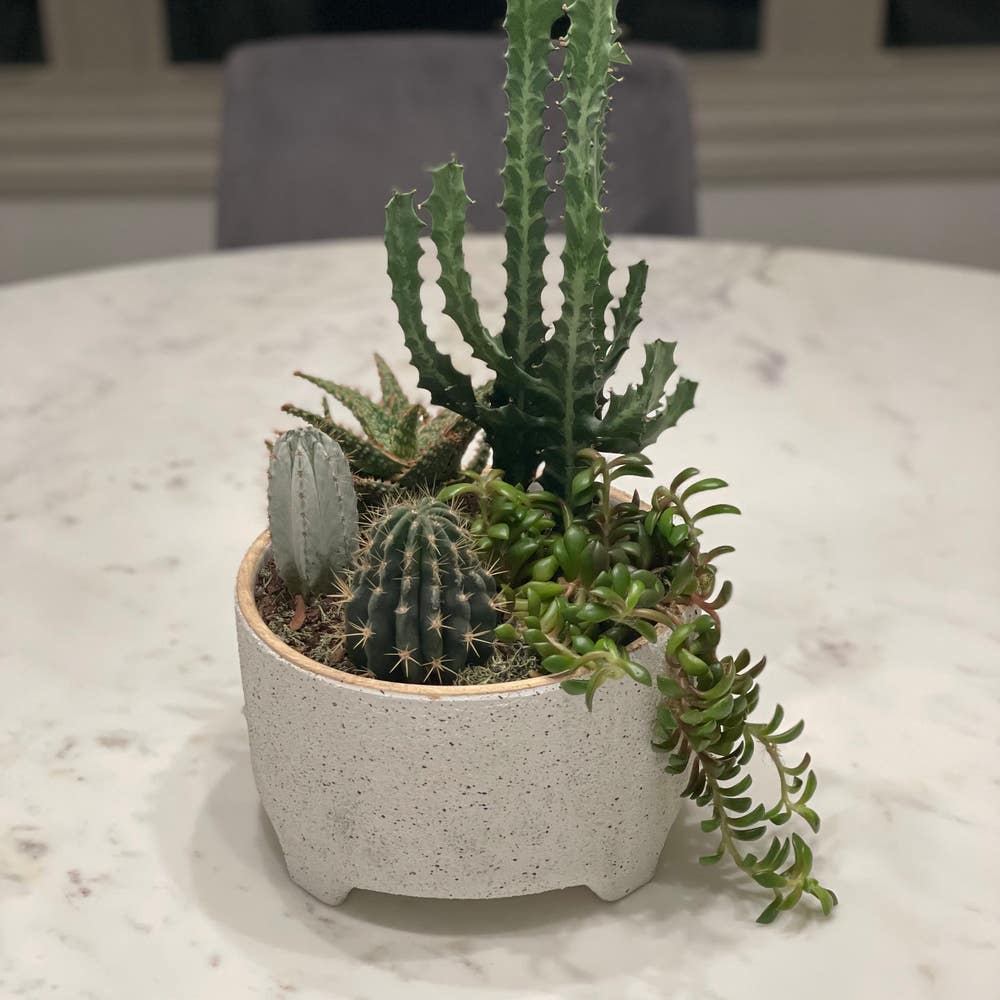
🌵 Backeberg's Pincushion Cactus Is a Perennial
Mammillaria backebergiana
By the Greg Editorial Team
Oct 09, 2024•6 min read
This article was created with the help of AI so we can cover more plants for you. May contain errors. See one? Report it here.
Transform your garden with Backeberg's Pincushion Cactus—your key to a resilient, low-maintenance paradise! 🌵
- 🌵 Backeberg's Pincushion Cactus is a long-lived perennial, thriving for over 20 years.
- 🌞 Optimal care includes well-drained soil and sunlight for vibrant annual blooms.
- ❄️ Dormancy in colder months conserves energy, preparing for robust future growth.
Characteristics of Backeberg's Pincushion Cactus as a Perennial
🌱 Multi-Year Lifecycle
Backeberg's Pincushion Cactus has a fascinating lifecycle that unfolds over several years. It begins with germination, where tiny seeds sprout into seedlings, gradually maturing into robust plants capable of flowering and producing seeds.
The growth timeline typically spans several years. In the initial establishment phase, which lasts about 1 to 2 years, the cactus focuses on developing its roots and structure. After this, it enters a mature growth phase, usually around 3 years and beyond, where it can thrive and reproduce effectively.
🌵 Growth Patterns and Regrowth
The root system of Backeberg's Pincushion Cactus is crucial for its survival. It establishes deep and wide roots that enhance nutrient uptake and provide stability, allowing the plant to withstand various environmental conditions.
During dormancy, the cactus conserves energy, preparing for the next growth cycle. This energy conservation is vital for its annual regrowth, as the plant utilizes stored resources to flourish when conditions improve in subsequent seasons.
This resilience and adaptability make Backeberg's Pincushion Cactus a remarkable perennial, capable of thriving in diverse environments. Understanding these characteristics can help gardeners appreciate its unique lifecycle and growth patterns, setting the stage for effective care and cultivation.
As we delve deeper into the impact of its perennial nature, we’ll explore how these traits influence flowering and lifespan.
Impact of Perennial Nature
🌼 Effects on Flowering and Lifespan
Backeberg's Pincushion Cactus boasts a fascinating annual blooming cycle. Each year, it produces vibrant flowers, but the quality and quantity can vary based on environmental factors like sunlight, water, and soil health.
Typically, this cactus has a lifespan that can exceed a decade under optimal conditions. When compared to other cactus varieties, its longevity is impressive, making it a reliable choice for gardeners seeking lasting beauty.
🌱 Advantages for Gardeners
One of the standout benefits of Backeberg's Pincushion Cactus is its reduced need for replanting. This not only saves costs but also cuts down on labor, allowing gardeners to focus on other tasks.
Additionally, its established root system enhances drought resistance and improves nutrient absorption. This resilience means less worry during dry spells, making it a smart choice for sustainable gardening practices.
As you consider the perennial nature of this cactus, think about how it can fit into your garden plans. Its unique characteristics set the stage for a thriving, low-maintenance landscape.
Dormancy and Seasonal Changes
Dormancy Periods 🌙
Understanding the dormancy phases of Backeberg's Pincushion Cactus is crucial for its care. Typically, dormancy occurs during the colder months, signaling the plant to conserve energy and resources.
Signs of dormancy include a noticeable slowdown in growth and a change in color. The cactus may appear less vibrant, but this is a natural part of its lifecycle.
Importance of Dormancy for Health 💪
Dormancy plays a vital role in the health of the cactus. It allows the plant to conserve energy, ensuring it can thrive during the active growing season.
Additionally, this period prepares the cactus for future growth cycles, setting the stage for robust blooming and development.
Seasonal Changes and Adaptations 🌦️
As seasons shift, so do the growth patterns of Backeberg's Pincushion Cactus. During warmer months, you’ll notice increased growth rates and vibrant blooms, while cooler months bring a more subdued appearance.
The cactus adapts to temperature fluctuations by adjusting its metabolic processes. This resilience is key to its survival in varying climates.
Impact of Seasonal Changes on Care 🔄
Seasonal changes necessitate adjustments in care practices. During the active growing season, increase watering and ensure adequate sunlight exposure.
Conversely, in dormancy, reduce watering to prevent root rot. Understanding these seasonal needs will help maintain a healthy cactus year-round.
With a solid grasp of dormancy and seasonal changes, you're well-equipped to nurture your Backeberg's Pincushion Cactus. Next, let’s explore its lifespan and factors that influence its longevity.
Lifespan and Longevity Factors
Expected Lifespan 🌵
Backeberg's Pincushion Cactus thrives for an impressive average lifespan of 20 to 30 years under optimal conditions. Factors contributing to this longevity include its robust root system, which anchors the plant and aids in nutrient absorption.
When compared to other perennial cacti, Backeberg's Pincushion stands out for its resilience. Many other varieties may have shorter lifespans, often ranging from 10 to 20 years, making Backeberg a reliable choice for long-term gardening.
Factors Influencing Longevity ⏳
Climate plays a crucial role in determining the growth and lifespan of Backeberg's Pincushion Cactus. Variations in temperature and moisture levels can significantly impact its health and vitality.
This cactus is adaptable, thriving in diverse environments. However, extreme conditions can hinder its growth, so understanding your local climate is essential for successful cultivation.
Care practices also enhance longevity. High-quality soil, appropriate watering schedules, and effective pest management are vital for keeping your cactus healthy and thriving over the years.
By prioritizing these factors, you can ensure that your Backeberg's Pincushion Cactus not only survives but flourishes, adding beauty to your garden for decades to come.
As we explore the next section, we'll delve into how to maximize the benefits of this perennial nature in your garden planning.
Maximizing Benefits in Garden Planning
🌱 Tips for Utilizing Perennial Nature
Strategic placement of Backeberg's Pincushion Cactus in your garden can enhance its beauty and functionality. Consider companion planting with other perennials to create a vibrant ecosystem that thrives together.
When planning your garden layout, pay attention to sunlight and space requirements. This cactus prefers well-drained soil and ample sunlight, so positioning it wisely will ensure optimal growth.
Seasonal planning is crucial for maximizing blooms. Timing your planting can lead to a continuous flowering cycle, keeping your garden lively throughout the seasons.
📈 Long-Term Cultivation Strategies
To ensure the health of your Backeberg's Pincushion Cactus, regular monitoring for pests and diseases is essential. Catching issues early can save you time and effort in the long run.
Adjusting care based on seasonal changes is also important. Be mindful of watering schedules and light exposure, as these factors can significantly impact your cactus's health.
Planning for propagation can help you increase your plant numbers while maintaining the benefits of a perennial. Techniques like offsets or seed collection can be effective ways to expand your garden.
By implementing these strategies, you can create a thriving environment for your Backeberg's Pincushion Cactus, ensuring it remains a stunning and resilient part of your garden for years to come.
⚠️ Safety First
This content is for general information and may contain errors, omissions, or outdated details. It is not medical, veterinary advice, or an endorsement of therapeutic claims.
Always consult a qualified healthcare professional before using any plant as food, medicine, or supplement.
Never eat any plant (or feed one to pets) without confirming its identity with at least two trusted sources.
If you suspect poisoning, call Poison Control (800) 222-1222, the Pet Poison Helpline (800) 213-6680, or your local emergency service immediately.
Spotted an error? Please report it here.
Ensure your Backeberg's Pincushion Cactus thrives for decades by using Greg's tailored watering reminders and care tips to navigate its unique lifecycle! 🌵 Flourish!