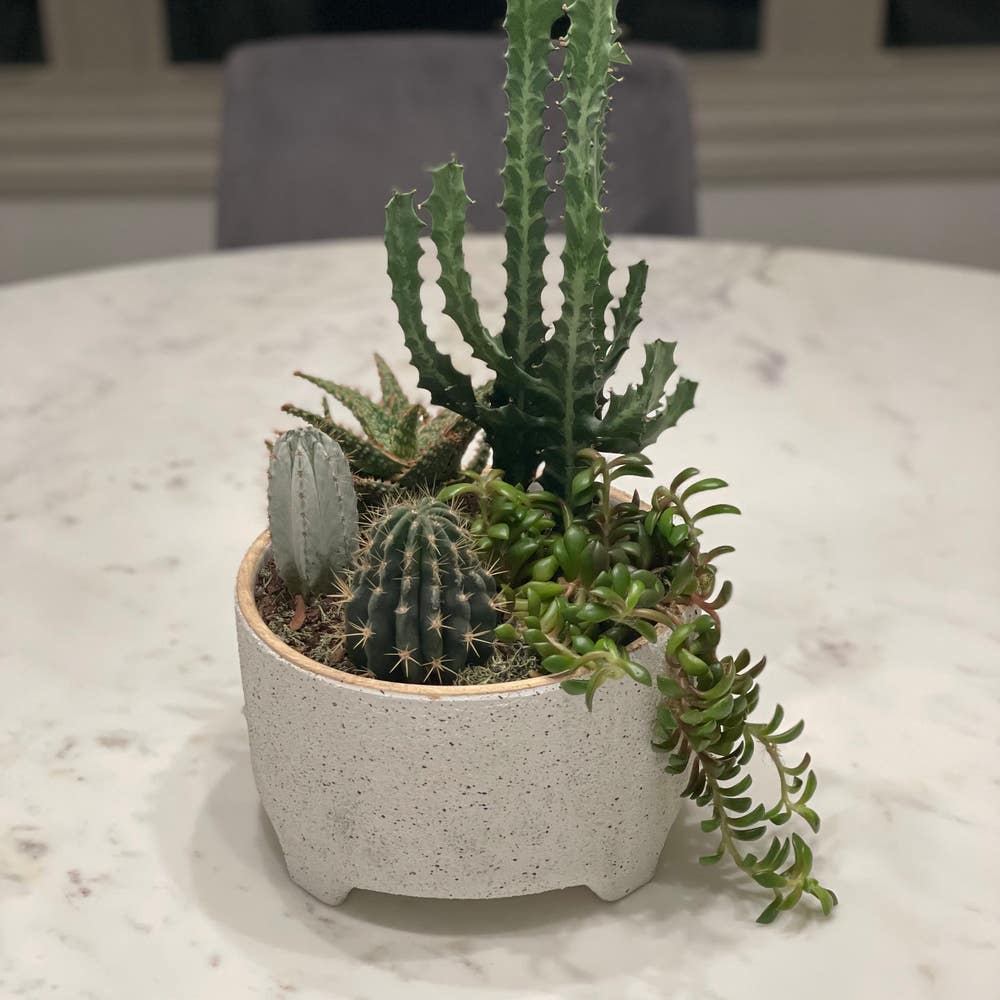
5 Perfect Plant Partners for Backeberg's Pincushion Cactus 🌵
Mammillaria backebergiana
By the Greg Editorial Team
Oct 09, 2024•4 min read
This article was created with the help of AI so we can cover more plants for you. May contain errors. See one? Report it here.
Elevate your garden's beauty 🌸 and health by pairing your cactus with these perfect companion plants!
- 🌵🌼 Echinopsis and Aloe Vera thrive with Backeberg's Pincushion Cactus, enhancing beauty and health.
- 🌿💧 Sedum and Agave provide drought tolerance and soil moisture retention, perfect companions.
- 🐞🌸 Lavender deters pests while adding fragrance, making it an ideal partner for cacti.
Ideal Companion Plants
🌸 Plant 1: Echinopsis
Echinopsis is a low-growing, drought-tolerant succulent that dazzles with its vibrant flowers. This plant thrives in well-draining soil and full sun, making it a perfect match for Backeberg's Pincushion Cactus.
Echinopsis attracts pollinators without competing for resources, thanks to its slow growth. Its compatibility makes it an easy choice for any cactus enthusiast.
🌿 Plant 2: Sedum
Sedum is a hardy succulent characterized by its fleshy leaves and clusters of small flowers. It requires minimal water and enjoys full sun, aligning perfectly with the needs of your cactus.
This plant provides excellent ground cover, helping to retain soil moisture and suppress weeds. It's an easy-care option that enhances your garden's health.
🌵 Plant 3: Agave
Agave stands out with its large, rosette-forming structure, known for its architectural beauty. It prefers dry conditions and can tolerate drought, making it a suitable companion for your cactus.
The spiky leaves of Agave not only complement the cactus's appearance but also deter larger pests. This moderate-difficulty plant adds both style and practicality to your garden.
🌱 Plant 4: Aloe Vera
Aloe Vera is a succulent with thick, fleshy leaves, celebrated for its medicinal properties. It thrives in well-draining soil and requires minimal watering, making it another easy companion for your cactus.
Its pest-repellent properties help keep harmful insects at bay. This plant is not just useful; it also brings a touch of green to your garden.
💜 Plant 5: Lavender
Lavender is an aromatic herb known for its purple flowers and drought tolerance. It prefers full sun and well-draining soil, aligning seamlessly with the cactus's requirements.
Beyond its beauty, Lavender acts as a natural pest repellent, adding visual appeal and fragrance to your garden. This easy-care plant is a delightful addition to any cactus arrangement.
These ideal companion plants not only enhance the health of your Backeberg's Pincushion Cactus but also elevate the overall aesthetics of your garden. Next, let’s explore which plants to avoid for optimal growth.
Plants to Avoid
Plant 1: Ferns 🌿
Ferns might seem like a lush addition, but they require more moisture and shade than Backeberg's Pincushion Cactus can handle. This excess moisture can lead to overwatering, which is detrimental to the cactus's health.
Plant 2: Heavy-feeding Annuals 🌼
Heavy-feeding annuals may look vibrant, but they can compete fiercely for nutrients and water. This competition can hinder the slow growth of your cactus, making it less likely to thrive in your garden.
By avoiding these plants, you can ensure a harmonious environment for your Pincushion Cactus. Next, let’s explore how companion plants can aid in pest management, creating a balanced ecosystem in your garden.
Pest Management Strategies
Companion plants can significantly enhance pest management in your garden. They create a balanced ecosystem that attracts beneficial insects, which can help keep harmful pests at bay.
🌱 Natural Pest Deterrents
Certain companion plants are known for their natural pest-repellent properties. For instance, Aloe Vera contains compounds that repel common pests, making it a great ally for your cactus.
💜 Lavender's Protective Qualities
Lavender is another excellent choice, renowned for its ability to deter aphids and other harmful insects. Its aromatic presence not only adds beauty but also acts as a natural barrier against pests.
By incorporating these companion plants, you can foster a healthier environment for your Backeberg's Pincushion Cactus. This strategy not only protects your plants but also enhances the overall biodiversity of your garden.
Next, let’s explore how these companion plants can elevate the visual appeal and aesthetics of your garden.
Visual Appeal and Aesthetics
Companion plants can dramatically enhance the aesthetics of your garden. They create visually striking arrangements with contrasting textures and colors that draw the eye.
🌸 Seasonal Interest
Incorporating flowering companions adds seasonal interest. This not only keeps your garden vibrant but also ensures there's always something blooming throughout the year.
🎨 Designing a Cohesive Arrangement
When planning your garden, consider the height, color, and texture of your companion plants. This thoughtful approach complements the unique shape of Backeberg's Pincushion Cactus.
🖼️ Framing the Cactus
Use companion plants to frame the cactus, creating natural focal points. This technique highlights the cactus's beauty while adding depth to your garden design.
🌈 Color and Texture Harmony
Aim for a harmonious blend of colors and textures. A well-planned arrangement can elevate the overall look, making your garden a true visual delight.
Incorporating these design principles will not only enhance your garden's beauty but also create a thriving ecosystem. Next, let’s explore how these companion plants can help manage pests effectively.
⚠️ Safety First
This content is for general information and may contain errors, omissions, or outdated details. It is not medical, veterinary advice, or an endorsement of therapeutic claims.
Always consult a qualified healthcare professional before using any plant as food, medicine, or supplement.
Never eat any plant (or feed one to pets) without confirming its identity with at least two trusted sources.
If you suspect poisoning, call Poison Control (800) 222-1222, the Pet Poison Helpline (800) 213-6680, or your local emergency service immediately.
Spotted an error? Please report it here.
Enhance your garden's beauty and resilience with perfect companions like Echinopsis and Aloe Vera, and let Greg provide you with tailored care tips to ensure your Backeberg's Pincushion Cactus thrives! 🌵