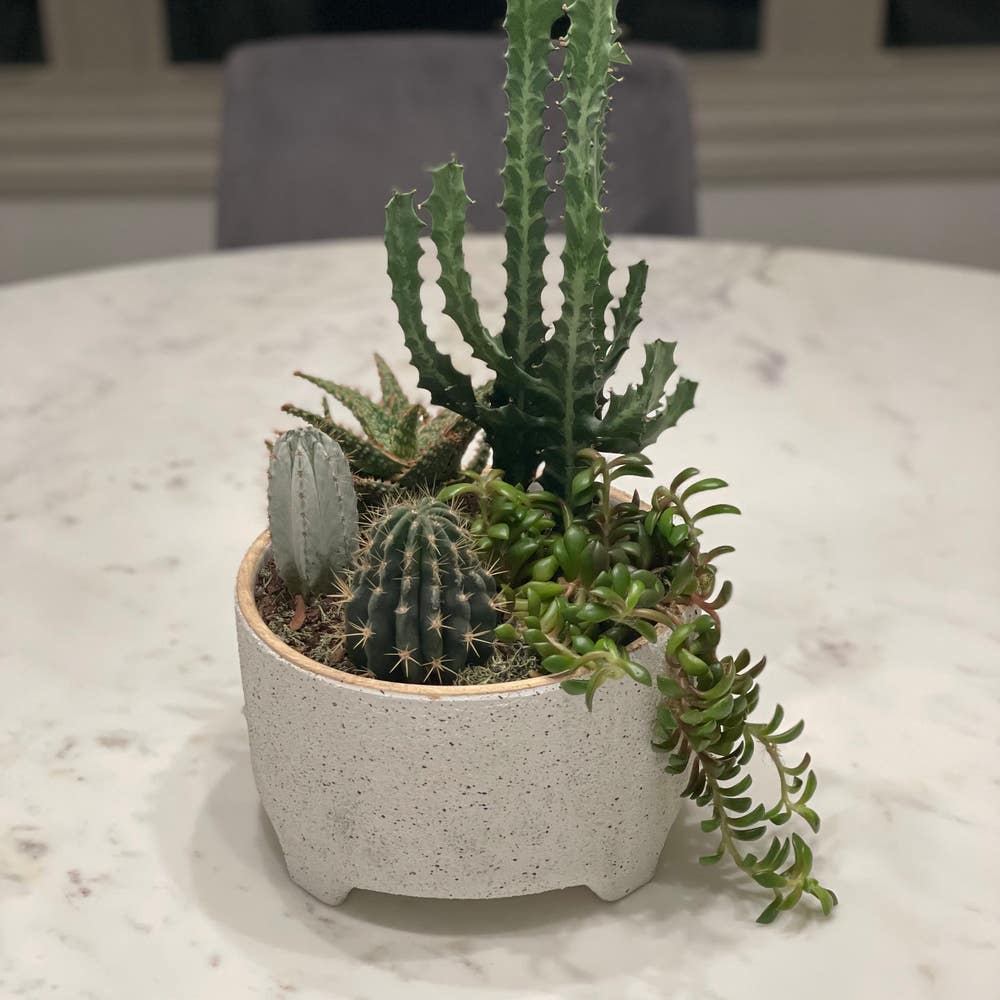
🌵 Backeberg's Pincushion Cactus Hardiness Zones: 9a-11b
Mammillaria backebergiana
By the Greg Editorial Team
Oct 09, 2024•5 min read
This article was created with the help of AI so we can cover more plants for you. May contain errors. See one? Report it here.
Master the art of growing Backeberg's Pincushion Cactus 🌵 with essential tips for thriving in any climate!
- 🌵 Backeberg's Pincushion Cactus thrives in USDA zones 9a to 11b for optimal growth.
- ❄️ Frost sensitivity means understanding local frost dates is crucial for planting success.
- ☀️ Full sun and well-drained soil are essential for healthy cactus growth and flowering.
Backeberg's Pincushion Cactus Hardiness
❄️ Cold Tolerance
Backeberg's Pincushion Cactus thrives in a cold tolerance range of 20°F (-6°C) to 32°F (0°C). This cactus is sensitive to frost, making it essential to provide protection during the colder months.
Understanding first and last frost dates is crucial for successful planting. Knowing these dates helps you time your planting to avoid frost damage.
🔥 Heat Tolerance
On the flip side, this cactus can handle heat up to 100°F (38°C). However, high temperatures can affect its growth and flowering.
To keep your cactus thriving in the heat, ensure adequate drainage and avoid waterlogging. This is vital for maintaining healthy roots and preventing rot.
🌱 Ideal Growing Conditions
For optimal growth, Backeberg's Pincushion Cactus requires well-drained soil. Poor drainage can lead to root issues, so choose your planting spot wisely.
Sunlight exposure plays a significant role in its growth. Aim for full sun to encourage robust development.
Additionally, this cactus exhibits drought resistance and has excellent water-storing capabilities. This makes it a low-maintenance option for arid environments.
With these conditions in mind, you can create a thriving environment for your Backeberg's Pincushion Cactus. Next, let’s explore the ideal US regions for growing this resilient plant.
Ideal US Regions for Growing
🌞 Suitable States
Backeberg's Pincushion Cactus thrives in several states known for their warm climates. The ideal locations include:
- California: With its diverse climates, California offers plenty of sunny days and well-drained soils.
- Florida: The humid subtropical climate provides warmth, though care must be taken to avoid excessive moisture.
- Texas: Known for its hot summers, Texas has regions that perfectly align with the cactus's needs.
- Arizona: The arid desert climate is a natural fit, providing the heat and sunlight required for optimal growth.
- New Mexico: With its high elevation and sunny days, New Mexico is another excellent choice for this resilient plant.
🌱 Contributing Factors
Several factors contribute to the successful growth of Backeberg's Pincushion Cactus in these states.
- Average Temperatures: These states generally maintain warm temperatures, crucial for the cactus's health.
- Precipitation Patterns: Low to moderate rainfall is ideal, as excessive moisture can lead to root rot.
- Soil Types: Well-drained soils are essential. Sandy or rocky soils help prevent waterlogging.
- Sunlight: Full sun exposure is vital for growth and flowering, making these regions particularly suitable.
- Seasonal Weather Patterns: Understanding local weather variations helps in planning for planting and care.
By considering these factors, gardeners can create the perfect environment for Backeberg's Pincushion Cactus to flourish. This knowledge not only enhances your gardening success but also deepens your connection to this unique plant.
As we explore the next section, we’ll delve into how microclimates can further extend the growing range of this fascinating cactus.
Microclimates and Their Impact
🌱 Extending Growing Range
Microclimates can significantly enhance the growth potential of Backeberg's Pincushion Cactus, allowing it to thrive beyond its typical hardiness zones. These localized climate variations create conditions that can be more favorable than the surrounding areas, making it possible for this cactus to flourish even in less-than-ideal environments.
Local conditions, such as temperature fluctuations, humidity levels, and wind patterns, play a crucial role in determining plant viability. Understanding these factors can help gardeners maximize their success with this unique cactus.
🌊 Beneficial Microclimates
Certain regions, like coastal areas in California, serve as excellent examples of beneficial microclimates. The ocean's moderating influence keeps temperatures milder, providing a perfect habitat for Backeberg's Pincushion Cactus.
Urban environments can also create warmer microclimates, thanks to heat retention from buildings and pavement. These areas often provide a more hospitable climate for cacti, making them ideal spots for cultivation.
In summary, recognizing and utilizing microclimates can significantly expand the growing range of Backeberg's Pincushion Cactus. By leveraging local conditions, gardeners can ensure their cacti not only survive but thrive in diverse environments.
Next, we will explore state-level suitability analysis to identify where this cactus can best flourish.
State-Level Suitability Analysis
🌵 Suitable States
Backeberg's Pincushion Cactus thrives in several states that align perfectly with its hardiness zones. The top contenders include:
- California
- Florida
- Texas
- Arizona
- New Mexico
These states offer the warm temperatures and minimal frost that this cactus needs to flourish. Their climates provide the ideal conditions for growth, ensuring that the cactus can reach its full potential.
❄️ Unsuitable States
On the flip side, there are states where Backeberg's Pincushion Cactus simply won't survive. These include:
- Alaska
- North Dakota
- Minnesota
- Maine
- Parts of the Midwest
The cold temperatures and high frost risks in these areas make them unsuitable for this plant. If you're in one of these states, it's best to look for hardier alternatives.
📊 Suitability Reasons
Understanding the impact of USDA zones is crucial for successful plant selection. Backeberg's Pincushion Cactus fits snugly within zones 9a to 11b, which means it requires specific temperature ranges to thrive.
Local climate variations also play a significant role. Factors like frost dates and seasonal weather patterns can greatly influence whether this cactus will flourish or falter. Knowing your local conditions can make all the difference in your gardening success.
As you consider planting Backeberg's Pincushion Cactus, keep these factors in mind to ensure a thriving garden. Next, let’s explore how microclimates can extend the growing range for this resilient cactus.
⚠️ Safety First
This content is for general information and may contain errors, omissions, or outdated details. It is not medical, veterinary advice, or an endorsement of therapeutic claims.
Always consult a qualified healthcare professional before using any plant as food, medicine, or supplement.
Never eat any plant (or feed one to pets) without confirming its identity with at least two trusted sources.
If you suspect poisoning, call Poison Control (800) 222-1222, the Pet Poison Helpline (800) 213-6680, or your local emergency service immediately.
Spotted an error? Please report it here.
Grow your Backeberg's Pincushion Cactus like a pro 🌵 with Greg's tailored care tips and reminders to thrive in its perfect environment!