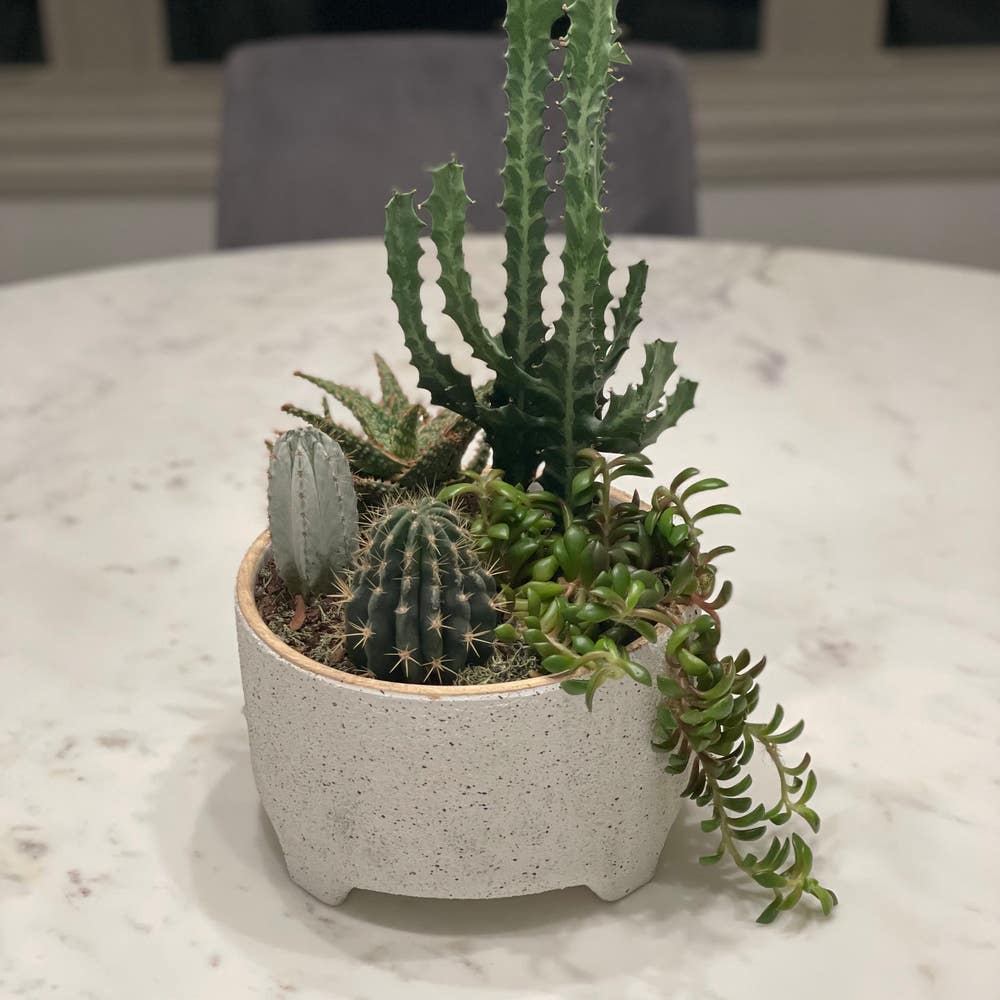
🌵 How to Grow Backeberg's Pincushion Cactus: From Soil to Sun
Mammillaria backebergiana
By the Greg Editorial Team
Oct 07, 2024•5 min read
This article was created with the help of AI so we can cover more plants for you. May contain errors. See one? Report it here.
Cultivate a stunning Backeberg's Pincushion Cactus 🌵 with essential care tips for thriving growth and beauty!
- 🌵 Use well-draining soil and maintain pH 6.0-7.0 for optimal cactus growth.
- ☀️ Provide 6-8 hours of sunlight daily to keep Backeberg's Pincushion thriving.
- 💧 Water every 2-4 weeks and adjust for seasonal changes to prevent rot.
Soil and Location
Choosing the Right Soil Mix 🌱
To grow Backeberg's Pincushion Cactus successfully, start with the right soil mix. A well-draining cactus mix or a blend of sand, perlite, and potting soil is ideal.
Maintaining the correct pH levels is crucial. Aim for a slightly acidic to neutral range, ideally between pH 6.0 and 7.0, to promote healthy growth.
Ideal Location for Outdoor Growth ☀️
When planting outdoors, ensure your cactus gets full sun exposure. It thrives with 6-8 hours of direct sunlight daily.
Temperature is another key factor. Backeberg's Pincushion prefers warm conditions and is sensitive to frost, so choose a location that protects it from chilly nights.
Container Selection for Indoor Growth 🪴
For indoor growth, select pots made from terracotta or ceramic. These materials allow for better breathability, which is essential for cactus health.
Size matters too. Choose pots with drainage holes that are slightly larger than the root ball to provide ample space for growth.
This foundation in soil and location sets the stage for successful planting techniques, ensuring your cactus thrives in its new environment.
Planting Techniques
Step-by-Step Planting Instructions 🌱
Planting Backeberg's Pincushion Cactus is straightforward and rewarding. Start by preparing your soil mix and container, ensuring everything is ready for your new cactus.
Carefully remove the cactus from its nursery pot. This step is crucial; you want to avoid damaging the delicate roots.
Next, place the cactus in the center of the new pot. Make sure the roots are spread out comfortably.
Fill in around the roots with your prepared soil mix, firming it gently to eliminate air pockets.
Finally, water lightly to settle the soil. This helps establish a good foundation for your cactus.
Spacing and Depth Considerations 📏
When planting outdoors, spacing is key. Aim for a distance of 12-18 inches between each cactus to allow for growth.
Ensure the top of the root ball is level with the soil surface. This positioning helps prevent rot and encourages healthy growth.
Best Time for Planting ⏰
Timing your planting can make all the difference. The optimal season for planting is late spring to early summer when temperatures are consistently warm.
This period allows your cactus to settle in and thrive, setting the stage for vibrant growth.
With these techniques in mind, you're well on your way to nurturing a healthy Backeberg's Pincushion Cactus. Next, let’s explore how to care for your cactus through watering and fertilizing.
Watering and Fertilizing
💧 Watering Frequency and Techniques
To keep Backeberg's Pincushion Cactus thriving, water it every 2-4 weeks during the growing season. In winter, reduce this frequency as the cactus enters dormancy.
Soak the soil thoroughly when watering, but ensure it dries out completely between sessions. This method mimics the cactus's natural habitat, preventing root rot.
🚨 Signs of Overwatering and Underwatering
Watch for signs of overwatering, such as yellowing, mushy stems, and root rot. These symptoms indicate that your cactus is drowning.
On the flip side, underwatering shows up as shriveling, browning, and stunted growth. If you notice these signs, adjust your watering schedule accordingly.
🌱 Fertilization Schedule and Types of Fertilizers
Fertilize your cactus every 4-6 weeks during the growing season to promote healthy growth. Use a diluted cactus-specific fertilizer or a balanced NPK (10-10-10) for optimal results.
This feeding routine will help your cactus thrive, ensuring it has the nutrients it needs to flourish. With proper watering and fertilizing, your Backeberg's Pincushion Cactus will be on its way to becoming a stunning centerpiece in your collection.
Next, let's explore ongoing care and maintenance to keep your cactus in top shape.
Ongoing Care and Maintenance
🌿 Pruning Techniques and Timing
Pruning is essential for maintaining the shape and health of Backeberg's Pincushion Cactus. Focus on removing any dead or damaged spines and stems to encourage new growth.
The best time to prune is late winter or early spring, just before the cactus starts its new growth phase. This timing ensures that your plant can thrive as it enters the growing season.
☀️ Seasonal Care Adjustments
During summer, increase your watering frequency to keep the cactus hydrated. It's also crucial to monitor for pests, as warmer temperatures can attract unwanted visitors.
In winter, reduce your watering schedule significantly. Protect your cactus from frost by bringing it indoors or using protective coverings if it's planted outside.
🐞 Pest and Disease Management
Common pests that may affect your cactus include mealybugs, spider mites, and scale. Regularly inspect your plant for signs of these pests to catch any infestations early.
To prevent diseases, ensure proper air circulation around your cactus and avoid overwatering. A healthy environment is key to keeping your cactus thriving.
With these ongoing care tips, your Backeberg's Pincushion Cactus will flourish, setting the stage for a vibrant display in your garden or home. Next, let’s explore common challenges and solutions to keep your cactus in top shape.
Common Challenges and Solutions
Identifying Common Problems 🌵
Growing Backeberg's Pincushion Cactus can be rewarding, but challenges may arise. Rot is a significant issue, often indicated by mushy stems and a foul odor.
Pests can also be a concern. Look for signs like webbing from spider mites or sticky residue left by mealybugs.
Solutions for Common Issues 🛠️
To combat rot, focus on improving drainage and adjusting your watering schedule. Ensuring the soil dries out completely between waterings can make a world of difference.
For pests, consider using insecticidal soap or neem oil. These treatments can effectively manage infestations without harming your cactus.
Tips for Successful Growth in Different Climates ☀️
If you live in a colder climate, use protective coverings or bring your cactus indoors during frost. This simple step can save your plant from harsh conditions.
In hot climates, providing afternoon shade is crucial. This helps prevent sunburn and keeps your cactus thriving through the heat.
With these insights, you can tackle common challenges and ensure your Backeberg's Pincushion Cactus flourishes in any environment. Next, let’s explore ongoing care and maintenance to keep your cactus healthy year-round.
⚠️ Safety First
This content is for general information and may contain errors, omissions, or outdated details. It is not medical, veterinary advice, or an endorsement of therapeutic claims.
Always consult a qualified healthcare professional before using any plant as food, medicine, or supplement.
Never eat any plant (or feed one to pets) without confirming its identity with at least two trusted sources.
If you suspect poisoning, call Poison Control (800) 222-1222, the Pet Poison Helpline (800) 213-6680, or your local emergency service immediately.
Spotted an error? Please report it here.
Cultivate a thriving Backeberg's Pincushion Cactus 🌵 with Greg's tailored care reminders and expert tips to keep your cactus happy and healthy in any environment!