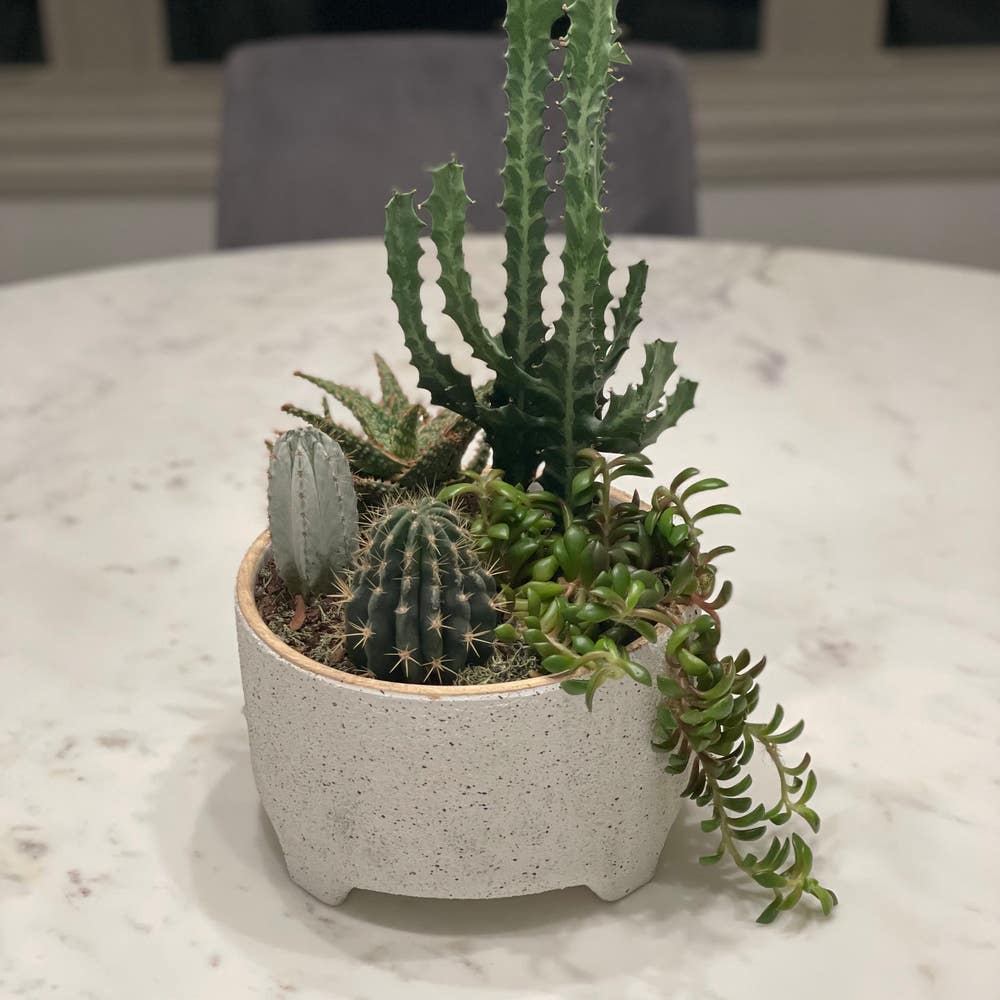
9 Top Pot Choices for Your Backeberg's Pincushion Cactus 🌵
Mammillaria backebergiana
By the Greg Editorial Team
Oct 09, 2024•6 min read
This article was created with the help of AI so we can cover more plants for you. May contain errors. See one? Report it here.
Unlock your cactus's full potential 🌱 by mastering the art of pot selection for thriving growth and health!
- 🌵 Choosing the right pot is vital for your Backeberg's Pincushion Cactus health.
- 🕵️♂️ Signs of repotting needed include roots out of drainage holes and stunted growth.
- 🧱 Drainage holes are essential to prevent root rot and promote healthy growth.
Importance of Pot Choice
🌱 Impact on Growth Stages
Choosing the right pot is crucial for your Backeberg's Pincushion Cactus, especially as it transitions through different growth stages. Each stage requires a specific container size to support root development and overall plant health.
A well-chosen pot not only accommodates the plant's growth but can also enhance its flowering potential. The right size allows roots to spread, which is vital for nutrient absorption and stability.
🏥 Health Considerations
Proper pot selection minimizes stress on your cactus, ensuring it thrives in its environment. On the flip side, incorrect pot choices can lead to serious issues like root rot or stunted growth.
Understanding the importance of pot choice is essential for maintaining a healthy cactus. By prioritizing the right container, you set the stage for a flourishing plant that can reach its full potential.
As we explore pot sizes next, keep in mind how these choices directly impact your cactus's journey.
Pot Sizes
Recommended Sizes for Seedlings 🌱
When starting with seedlings, the ideal container size is between 2 to 4 inches in diameter. This size allows for adequate root expansion while preventing excess soil moisture, which can be detrimental to young plants.
As seedlings grow, they will need to be repotted frequently. Regularly assessing their growth will help you determine when it's time to upgrade their living space.
Ideal Sizes for Mature Plants 🌵
For mature Backeberg's Pincushion Cactus, a pot size of 6 to 10 inches in diameter is recommended. This size accommodates the plant's compact growth form while providing enough room for healthy root development.
When selecting a pot, consider its depth. A deeper pot is beneficial for stability, while a wider pot can encourage lateral root growth. Choose based on the specific growth habits of your cactus to ensure optimal health.
With the right pot size, your cactus will thrive, setting the stage for the next important consideration: pot materials.
Pot Materials
Benefits of Clay Pots 🌱
Clay pots are a fantastic choice for your Backeberg's Pincushion Cactus. Their porous nature promotes better air circulation and moisture regulation, which is crucial for healthy root development.
Additionally, clay pots offer aesthetic appeal and stability due to their weight. This stability helps prevent tipping, especially for taller plants, and they effectively reduce the risk of overwatering by allowing moisture to evaporate.
Advantages of Plastic Pots ♻️
Plastic pots are lightweight and incredibly easy to handle, making them ideal for larger plants. Their cost-effectiveness and availability in various sizes make them a popular choice among cactus enthusiasts.
Moreover, plastic pots retain moisture longer, which can be beneficial in dry climates. This feature helps maintain consistent humidity levels around the roots, promoting healthy growth.
Comparison of Other Materials 🏺
Ceramic pots are visually appealing but can be heavy, so ensure they have drainage holes to prevent water accumulation. Their design can add a touch of elegance to your plant display.
Terracotta pots share similar benefits to clay but may require more frequent watering due to their high porosity. This characteristic makes them a good option if you prefer a more hands-on approach to plant care.
Choosing the right pot material is essential for your cactus's health. Each option has its unique advantages, so consider your specific needs and environment before making a decision.
With the right pot material, you can set your Backeberg's Pincushion Cactus up for success. Next, let’s explore the crucial aspect of drainage considerations to ensure your cactus thrives.
Drainage Considerations
Importance of Drainage Holes 🌧️
Drainage holes are crucial for preventing water accumulation, which can lead to root rot. Aim for at least 3-5 holes in your pot to ensure optimal drainage.
How Drainage Affects Root Health 🦠
Poor drainage can cause fungal infections and root decay, jeopardizing your cactus's health. Healthy roots thrive on a balance of moisture and air, making proper drainage essential.
Best Practices for Ensuring Proper Drainage 💧
To promote healthy growth, use a well-draining potting mix specifically designed for cacti.
Consider adding a layer of gravel or coarse sand at the bottom of the pot to enhance drainage further. This simple step can make a significant difference in your cactus's overall health.
By prioritizing drainage, you set the stage for a thriving Backeberg's Pincushion Cactus. Next, let’s explore the signs that indicate it’s time to repot your cactus.
Repotting Guidelines
Signs That Repotting Is Needed 🌱
Recognizing when your Backeberg's pincushion cactus needs repotting is crucial for its health. Look for roots growing out of the drainage holes, which indicates it's time for a larger home.
Stunted growth or yellowing leaves are also telltale signs. Additionally, if the soil dries out too quickly or retains too much moisture, your cactus may be signaling for a change.
Step-by-Step Guide to Repotting 🛠️
Repotting can seem daunting, but following these steps makes it manageable:
- Choose the right time: Aim for the growing season, ideally spring or early summer.
- Prepare the new pot: Ensure it has adequate drainage holes to prevent water accumulation.
- Remove the cactus from its current pot: Handle it with care to avoid injury from spines.
- Inspect the roots: Trim any damaged or rotten roots to promote healthy growth.
- Place the cactus in the new pot: Fill with an appropriate potting mix, ensuring the plant is stable.
Choosing the Right Pot During Repotting 🪴
Selecting the right pot is essential for your cactus's future growth. Always consider the growth stage of your cactus when choosing a new pot.
Opt for a pot that allows for future growth but isn’t excessively large. This balance helps prevent issues like overwatering or root stress.
By keeping these guidelines in mind, you can ensure your Backeberg's pincushion cactus thrives in its new environment. Next, let’s explore common mistakes to avoid during the potting process.
Common Mistakes
Overpotting vs. Underpotting 🌵
Choosing the wrong pot size can be detrimental to your Backeberg's Pincushion Cactus. Overpotting leads to excess soil moisture, which can cause root rot, while underpotting restricts growth and may result in nutrient deficiencies.
Ignoring Drainage Needs 🚰
Proper drainage is crucial for your cactus's health. Failing to ensure adequate drainage can compromise plant vitality, so always check that your pot has enough drainage holes before potting.
Choosing Inappropriate Materials 🏺
The material of your pot matters more than you might think. Selecting pots that retain too much moisture can be harmful, so avoid any pots without drainage holes, regardless of the material.
Summary of Key Considerations 📋
When potting your cactus, always prioritize drainage and the appropriate container size. Regularly assess your plant's health to determine if repotting is necessary, ensuring it thrives in its environment.
With these common mistakes in mind, you can better care for your cactus and set it up for success. Next, let’s explore the essential guidelines for repotting your cactus effectively.
⚠️ Safety First
This content is for general information and may contain errors, omissions, or outdated details. It is not medical, veterinary advice, or an endorsement of therapeutic claims.
Always consult a qualified healthcare professional before using any plant as food, medicine, or supplement.
Never eat any plant (or feed one to pets) without confirming its identity with at least two trusted sources.
If you suspect poisoning, call Poison Control (800) 222-1222, the Pet Poison Helpline (800) 213-6680, or your local emergency service immediately.
Spotted an error? Please report it here.
Ensure your Backeberg's Pincushion Cactus thrives by choosing the perfect pot 🪴 with Greg's tailored reminders and expert care tips that keep your plant happy and healthy!