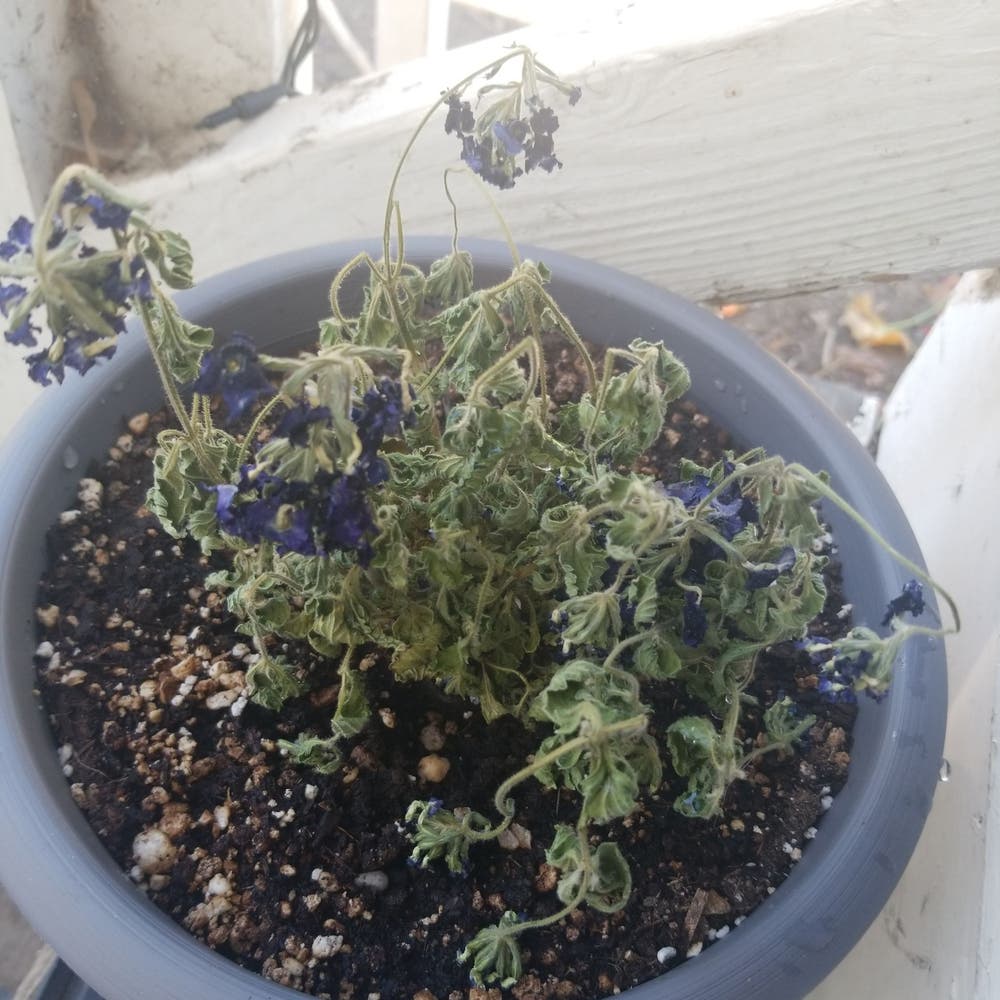
🔍 What's Eating Your Verbena 'Endurascape White'
Verbena 'Endurascape White'
By the Greg Editorial Team
Oct 15, 2024•6 min read
This article was created with the help of AI so we can cover more plants for you. May contain errors. See one? Report it here.
Safeguard your Verbena from herbivores while inviting pollinators for a flourishing garden! 🌼
- 🌼 Verbena 'Endurascape White' attracts herbivores like deer, rabbits, and squirrels.
- 🦌 Signs of damage include hoof prints and cleanly cut foliage from rabbits and deer.
- 🚫 Effective deterrents include repellents, fencing, and companion planting to protect your Verbena.
Most Appealing Parts to Animals
🌼 Description of Appearance and Characteristics
Verbena 'Endurascape White' boasts a compact growth habit, reaching heights of 12 to 18 inches and spreading 18 to 24 inches wide. This manageable size makes it an attractive choice for various garden settings.
🌸 Flower Characteristics
The plant features stunning white flowers that bloom throughout the growing season. Their bright appearance not only enhances visual appeal but also draws in herbivores looking for a tasty treat.
🍃 Foliage
The green, serrated leaves of the Verbena play a significant role in attracting herbivores. Their texture and scent can entice various animals, making them a target for hungry visitors.
In summary, the combination of compact growth, eye-catching flowers, and appealing foliage makes Verbena 'Endurascape White' a magnet for herbivores. Understanding these characteristics can help you devise effective strategies to protect your plants from potential threats.
Next, we’ll explore the common herbivores that might be drawn to your Verbena and the signs they leave behind.
Common Herbivores Affecting Verbena
🦌 Deer
Signs of Presence and Damage Caused
Deer can be a significant threat to your Verbena 'Endurascape White.' Look for hoof prints and distinctive browsing patterns, which indicate their presence.
Damage often manifests as stripped leaves and broken stems, leading to a noticeable decline in plant health.
Beneficial vs. Harmful Interactions
While deer are generally harmful, they can occasionally provide benefits, such as seed dispersal. However, their destructive feeding habits can decimate garden populations.
Deterrent Methods
To deter deer, consider using commercial repellents that are chemically formulated. Alternatively, organic methods like planting deer-resistant species or using human hair and soap shavings can be effective.
🐇 Rabbits
Signs of Presence and Damage Caused
Rabbits leave behind small, round droppings and often gnaw on stems. Their presence is usually marked by cleanly cut stems and missing foliage.
Beneficial vs. Harmful Interactions
Rabbits are generally harmful to your Verbena, leading to significant plant damage. However, they do serve as prey for larger predators, contributing to the ecosystem.
Deterrent Methods
For an easy deterrent, use bitter-tasting sprays to make your plants less appealing. Fencing at a height of 2-3 feet and planting rabbit-resistant plants can also help keep them at bay.
🐿️ Squirrels
Signs of Presence and Damage Caused
Squirrels can be identified by scratches on bark and scattered debris around your plants. They often cause damage by stripping bark and digging around roots.
Beneficial vs. Harmful Interactions
Squirrels are generally harmful, as they can weaken plants and disrupt soil health. Yet, they can also aid in seed dispersal and soil aeration.
Deterrent Methods
To deter squirrels, consider using capsaicin-based sprays. Organic methods like motion-activated sprinklers and reflective materials can also be effective.
🐦 Birds
Signs of Presence and Damage Caused
Birds can be spotted by their feathered visits and peck marks on flowers. Their activity often results in flower loss and seed consumption.
Beneficial vs. Harmful Interactions
While birds are generally beneficial for pollination and pest control, they can sometimes overconsume seeds, posing a risk to your Verbena.
Deterrent Methods
Non-toxic bird repellents can help manage their presence. Additionally, using netting and scare devices like reflective tape can protect your plants.
🐭 Rodents (Mice, Voles, etc.)
Signs of Presence and Damage Caused
Rodents leave small holes and burrows near your plants. Their damage typically includes gnawed roots and stems.
Beneficial vs. Harmful Interactions
Rodents are generally harmful, causing significant plant damage. However, they also serve as food for various predators, playing a role in the food chain.
Deterrent Methods
Chemical deterrents like rodent bait stations can be effective. Alternatively, traps and planting deterrent species, such as mint, can help keep them away.
🦡 Groundhogs/Woodchucks
Signs of Presence and Damage Caused
Groundhogs are identifiable by their large burrows and droppings. They cause extensive nibbling on stems and foliage, leading to severe damage.
Beneficial vs. Harmful Interactions
These creatures are generally harmful and can devastate garden areas. However, they do contribute to soil aeration and nutrient cycling.
Deterrent Methods
For a more challenging deterrent, consider using commercial repellents. Organic methods like fencing at a height of 3-4 feet and planting barriers can also be effective.
Understanding the various herbivores that affect your Verbena is crucial for maintaining its health. With the right deterrent methods, you can protect your plants and enjoy their beauty year-round. Next, let’s explore the beneficial animals and insects that can enhance your garden ecosystem.
Beneficial Animals and Insects
🌼 Positive Impacts on the Garden Ecosystem
Verbena 'Endurascape White' isn't just a feast for herbivores; it's also a magnet for beneficial pollinators. Bees and butterflies flock to its blooms, playing a crucial role in pollination.
These pollinators enhance biodiversity, which is vital for a thriving garden ecosystem. Their presence not only supports plant health but also creates a balanced environment.
🐝 Pollinators Attracted
Several types of beneficial insects are drawn to Verbena. Honeybees, bumblebees, and various butterfly species are frequent visitors.
Pollination is essential for fruit and seed production. Without these diligent workers, your garden's potential yield could significantly diminish.
Incorporating Verbena into your garden not only beautifies the space but also invites these helpful creatures, fostering a vibrant ecosystem.
As you nurture your Verbena, remember that you're also supporting a network of life that contributes to the overall health of your garden. This interconnectedness is what makes gardening so rewarding.
Next, let’s explore general strategies for protecting your Verbena from common herbivores.
General Strategies for Protection
🛡️ Preventive Measures for Protecting Verbena
To keep your Verbena 'Endurascape White' safe from herbivores, consider strategic plant placement. Positioning your plants in areas that are less accessible can significantly reduce the chances of damage.
Companion planting is another effective method. By surrounding your Verbena with plants that deter herbivores, you create a natural barrier that can help protect your garden.
🐾 Reactive Solutions for Managing Animal Interactions
Monitoring your garden regularly is crucial. Look for signs of animal activity, such as tracks or nibbling, to catch issues early.
When you notice damage, quick responses are essential. Addressing problems promptly can prevent further harm and keep your plants thriving.
🌱 Seasonal Variations in Animal Attraction
Be aware that animal attraction to your Verbena can vary by season. In spring and summer, herbivore activity often peaks as the plants bloom and become more appealing.
As fall approaches, feeding habits change. Many animals shift their focus as plants die back, which can affect how you manage your garden.
⚠️ Toxic Effects on Animals (if applicable)
Fortunately, Verbena is generally non-toxic. While excessive consumption might cause mild digestive upset, it’s not a significant threat to animals.
Understanding these interactions is important. Moderation is key, and being aware of how animals engage with your plants can help you maintain a healthy garden ecosystem.
With these strategies in place, you can enjoy the beauty of your Verbena while minimizing the impact of herbivores. Next, let’s explore the beneficial animals and insects that contribute positively to your garden ecosystem.
⚠️ Safety First
This content is for general information and may contain errors, omissions, or outdated details. It is not medical, veterinary advice, or an endorsement of therapeutic claims.
Always consult a qualified healthcare professional before using any plant as food, medicine, or supplement.
Never eat any plant (or feed one to pets) without confirming its identity with at least two trusted sources.
If you suspect poisoning, call Poison Control (800) 222-1222, the Pet Poison Helpline (800) 213-6680, or your local emergency service immediately.
Spotted an error? Please report it here.
Keep your Verbena 'Endurascape White' thriving 🌼 by using Greg's personalized deterrent tips and reminders to outsmart those pesky herbivores!