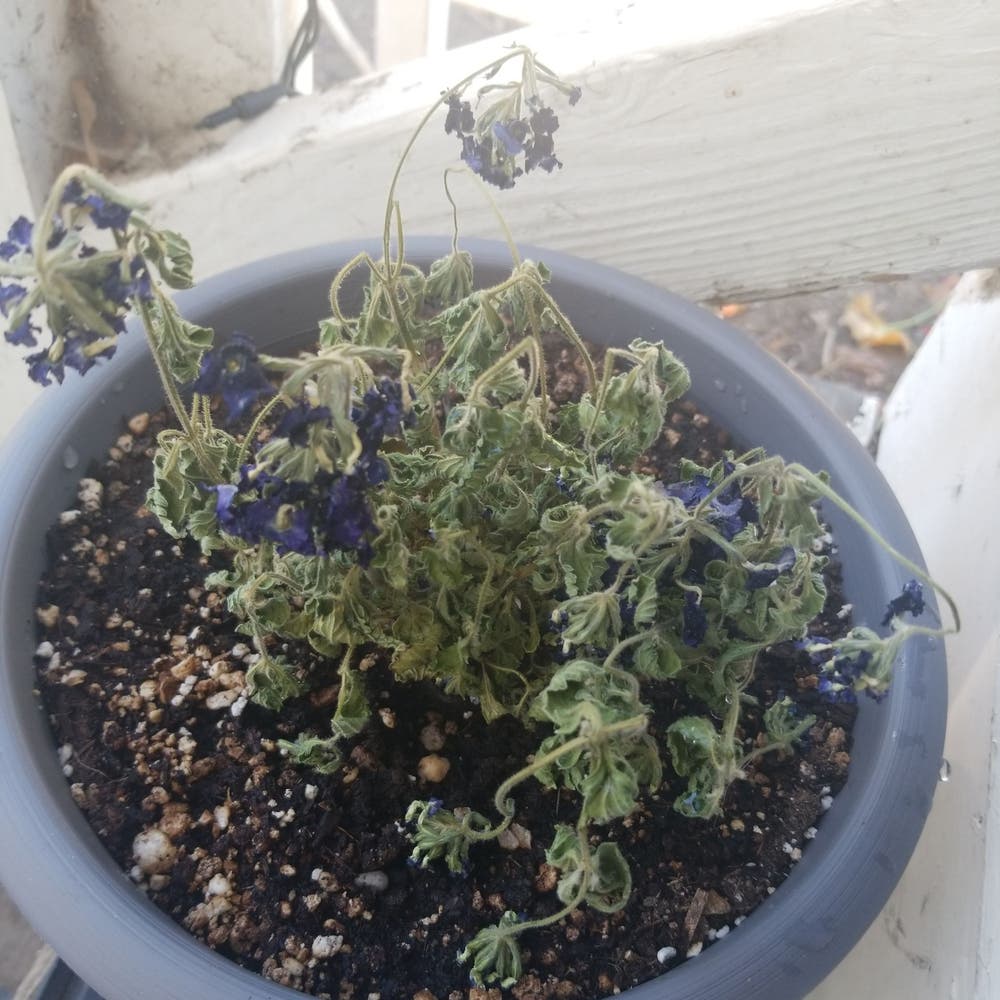
💛 How to Fix Yellow Leaves on Your Verbena 'Endurascape White'
Verbena 'Endurascape White'
By the Greg Editorial Team
Oct 15, 2024•6 min read
This article was created with the help of AI so we can cover more plants for you. May contain errors. See one? Report it here.
Revive your Verbena's blooms 🌼 by uncovering the secrets to yellowing leaves and restoring its health!
- 🌱 Yellow leaves indicate nutrient deficiencies, especially nitrogen, iron, or magnesium.
- 💧 Overwatering or underwatering leads to yellowing; establish a consistent watering schedule.
- 🐛 Inspect regularly for pests and diseases to prevent yellow leaves and damage.
Common Causes of Yellow Leaves
🌱 Nutrient Deficiencies
Yellow leaves on your Verbena 'Endurascape White' can often signal nutrient deficiencies. A nitrogen deficiency is particularly common, leading to pale green to yellow leaves and stunted growth.
Other deficiencies, such as iron and magnesium, can also cause yellowing. Iron deficiency typically results in yellow leaves with green veins, while magnesium deficiency may lead to yellowing between the veins.
💧 Overwatering and Underwatering
Overwatering is another culprit behind yellow leaves. Signs include wilting, root rot, and the unmistakable yellowing of leaves.
Conversely, underwatering manifests as dry, crispy leaves and stunted growth. Both conditions can stress your plant, so it's crucial to find a balance.
🐛 Pest Infestations
Pests like aphids and spider mites can wreak havoc on your Verbena. These pests often lead to yellowing leaves, stippling, and webbing on the plant.
Regular inspections can help catch these infestations early. Look for any unusual signs on the leaves and stems to address the issue promptly.
🍄 Fungal Diseases
Fungal diseases, such as powdery mildew and root rot, can also cause yellow leaves. These issues thrive in humid conditions and can severely impact plant health.
Symptoms include a white powdery coating on leaves or a general decline in vigor. Understanding the conditions that promote fungal growth can help you prevent these problems.
Identifying the common causes of yellow leaves is the first step toward restoring your Verbena's health. Next, we’ll explore how to diagnose the specific problem affecting your plant.
Diagnosing the Problem
🌱 Identifying Nutrient Deficiencies
Recognizing nutrient deficiencies is crucial for restoring your Verbena 'Endurascape White'. A key visual cue for nitrogen deficiency is the transition from pale green to yellow leaves, indicating that your plant is struggling to thrive.
To confirm nutrient levels, consider using soil test kits. These kits provide insights into the soil's nutrient composition, helping you interpret the results effectively. Once you identify the deficiency, adjust your fertilization strategy accordingly to meet your plant's specific needs.
💧 Recognizing Signs of Overwatering vs. Underwatering
Understanding the signs of overwatering and underwatering can save your plant from further stress. Overwatering often presents as soggy soil and yellowing leaves, while underwatering leads to dry, crispy leaves and stunted growth.
Check the soil texture for clues. If it feels muddy or overly wet, you may be overwatering. Conversely, if it’s dry and crumbly, it’s time to give your plant a drink.
🐛 Checking for Pests and Diseases
Pests can wreak havoc on your Verbena, so regular inspections are essential. Look closely at the leaves and stems for signs of pests like aphids or spider mites, which can cause yellowing and stippling.
Fungal infections can also be a concern. Keep an eye out for symptoms such as powdery mildew or unusual spots on the leaves. Early detection is key to effective treatment and maintaining plant health.
By diagnosing these issues promptly, you can take the necessary steps to restore your Verbena's vibrancy and health. Next, let’s explore practical solutions to address these problems effectively.
Solutions for Yellow Leaves
🌊 Adjusting Watering Practices
Establishing a consistent watering schedule is crucial for your Verbena 'Endurascape White.' Aim to water deeply but infrequently, allowing the top inch of soil to dry out between waterings.
To ensure you're watering correctly, check the soil moisture regularly. Stick your finger into the soil; if it feels dry, it’s time to water.
🌱 Fertilization Techniques for Nutrient Deficiencies
Choosing the right fertilizer can make a significant difference in your plant's health. Look for fertilizers with balanced NPK ratios, ideally tailored to address specific deficiencies.
When applying fertilizer, timing is key. Fertilize during the growing season, following the manufacturer's instructions for application methods to avoid over-fertilization.
🐞 Pest Management Strategies
For organic pest control, consider introducing beneficial insects like ladybugs or using neem oil. These methods are effective and environmentally friendly.
If pests persist, chemical options may be necessary. Always read labels carefully and follow safety precautions to protect both your plants and the surrounding ecosystem.
🍄 Treatment for Fungal Infections
Identifying the type of fungal infection is essential for effective treatment. Common options include fungicides for powdery mildew or root rot, which can be applied as directed.
To prevent future fungal issues, ensure good air circulation and avoid overhead watering. These practices will help keep your Verbena healthy and vibrant.
By implementing these solutions, you can restore your Verbena's health and enjoy its beautiful blooms once again. Next, let’s explore preventative measures to keep your plants thriving year-round.
Preventative Measures
🌱 Best Practices for Soil Drainage
Well-draining soil is crucial for the health of your Verbena 'Endurascape White.' Poor drainage can lead to root rot and yellow leaves, so ensure your soil allows excess water to escape.
To improve drainage, consider mixing in organic matter like compost or perlite. These materials enhance soil structure and promote aeration, keeping your plants happy and healthy.
☀️ Optimal Sunlight Exposure
Verbena thrives in full sun, requiring at least six hours of direct sunlight daily. Proper light exposure not only boosts growth but also helps prevent yellowing leaves.
As seasons change, adjust your plant's placement to maintain optimal sunlight. This simple step can make a significant difference in your Verbena's overall health.
🍂 Seasonal Care Tips to Prevent Yellowing
Spring Care: As your Verbena wakes from dormancy, focus on fertilization and watering adjustments. A balanced fertilizer will provide essential nutrients to kickstart growth.
Summer Care: Keep an eye out for heat stress and pests during the hotter months. Regular checks can help you catch any issues before they escalate.
Fall Care: Prepare your Verbena for dormancy by gradually reducing watering. This helps the plant conserve energy and stay healthy through the colder months.
By implementing these preventative measures, you can significantly reduce the chances of yellow leaves on your Verbena. Next, let’s explore how to monitor plant health effectively.
Monitoring Plant Health
Regular Inspection Routines 🌿
To keep your Verbena 'Endurascape White' thriving, establish a weekly inspection routine. During these checks, focus on leaf color, soil moisture, and any signs of pest presence.
Look for vibrant green leaves as a sign of health. If you notice yellowing, it may indicate underlying issues that need addressing.
Signs of Recovery 🌱
As you adjust care practices, watch for indicators of improved health. Returning green color and new growth are positive signs that your plant is bouncing back.
Be ready to tweak your care based on these recovery signs. If your Verbena shows improvement, continue with the successful practices you've implemented.
When to Seek Professional Help 🆘
Sometimes, DIY solutions just won't cut it. If your plant's condition doesn't improve despite your best efforts, it may be time to seek professional help.
Look for local plant care experts or extension services that can provide tailored advice. They can offer insights that might just turn your plant's fate around.
⚠️ Safety First
This content is for general information and may contain errors, omissions, or outdated details. It is not medical, veterinary advice, or an endorsement of therapeutic claims.
Always consult a qualified healthcare professional before using any plant as food, medicine, or supplement.
Never eat any plant (or feed one to pets) without confirming its identity with at least two trusted sources.
If you suspect poisoning, call Poison Control (800) 222-1222, the Pet Poison Helpline (800) 213-6680, or your local emergency service immediately.
Spotted an error? Please report it here.
Revive your Verbena 'Endurascape White' from yellowing leaves 🌿 by using Greg's tailored care reminders to tackle nutrient needs and watering schedules for a flourishing plant!