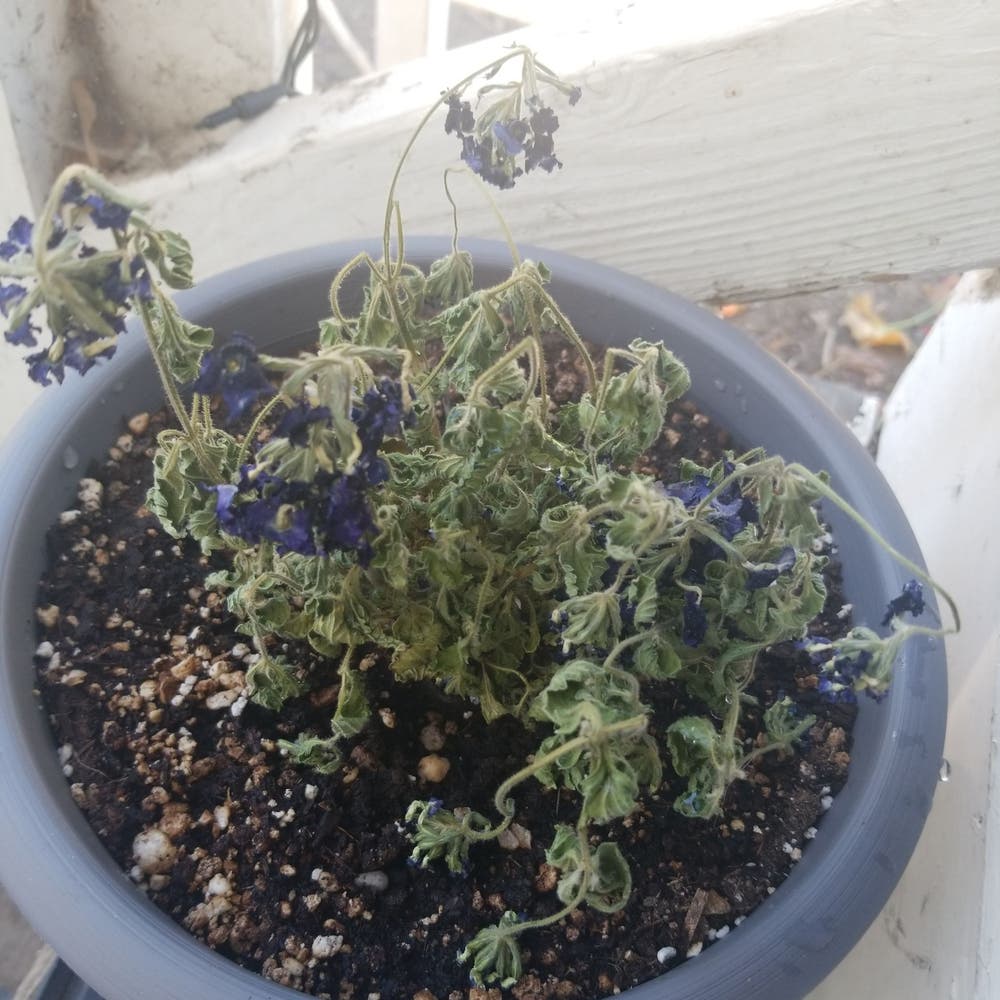
🍃 Best Tips for Dropping Leaves on Verbena 'Endurascape White'
Verbena 'Endurascape White'
By the Greg Editorial Team
Oct 15, 2024•7 min read
This article was created with the help of AI so we can cover more plants for you. May contain errors. See one? Report it here.
Transform your garden by preventing leaf drop in Verbena 'Endurascape White'—a key to vibrant blooms! 🌼🌱
- 💧 Overwatering causes root rot, leading to drooping leaves and yellowing foliage.
- 🌞 Consistent sunlight of 6-8 hours daily is vital for healthy Verbena growth.
- 🐛 Pest infestations stress plants, resulting in leaf drop; regular inspections are essential.
Causes of Leaf Drop
💧 Overwatering and Its Effects
Overwatering can be a silent killer for your Verbena 'Endurascape White.' Symptoms include drooping leaves and yellowing foliage, which often indicate root rot characterized by dark, mushy roots.
The impact on plant health is significant. Overwatered roots suffocate, leading to nutrient uptake issues and making the plant more susceptible to diseases.
🚰 Underwatering and Dehydration
On the flip side, underwatering can also cause distress. Look for wilting verbena and crispy leaf edges, as these are clear signs of dehydration, often resulting in leaf drop as a stress response.
Maintaining consistent moisture is crucial. Aim for a balance that keeps the soil moist without causing waterlogging.
🥦 Nutrient Deficiencies
Nitrogen Deficiency
Nitrogen deficiency is another culprit behind leaf drop. Symptoms include yellowing leaves, particularly in older foliage, along with stunted growth and reduced flowering.
Potassium Deficiency
Potassium deficiency can manifest as marginal leaf burn and an overall weak plant structure. This deficiency often leads to increased leaf drop during stressful conditions.
🐞 Pest Infestations
Aphids
Aphids can wreak havoc on your verbena. Signs of infestation include sticky residue on leaves, curling foliage, and the presence of small green insects on stems.
Spider Mites
Spider mites are another threat, identifiable by fine webbing on leaves and stippling damage. They can cause leaf drop due to the stress inflicted by their feeding habits.
🌡️ Environmental Stress
Temperature Fluctuations
Extreme temperatures can lead to unexpected leaf drop. Sudden cold snaps or heat waves can shock your plant, making acclimatization essential for its survival.
Humidity Levels
Low humidity levels can also contribute to leaf drop and wilting. Maintaining optimal humidity is vital for the health of your Verbena 'Endurascape White,' ensuring it thrives in its environment.
Understanding these causes will help you take proactive steps to keep your verbena healthy and vibrant. Next, we’ll dive into diagnosing leaf drop issues to pinpoint the exact problem.
Diagnosing Leaf Drop Issues
🌊 Identifying Symptoms of Overwatering vs. Underwatering
Understanding the symptoms of overwatering is crucial. Look for soft, mushy leaves and signs of root rot, which indicate that your plant is drowning.
On the flip side, underwatering manifests as dry, crispy leaves and wilting. This stress response can lead to significant leaf drop if not addressed promptly.
🥦 Recognizing Signs of Nutrient Deficiency
Nutrient deficiencies can also cause leaf drop. For nitrogen deficiency, watch for yellowing leaves, particularly in older foliage, along with stunted growth.
Potassium deficiency presents as marginal leaf burn and weak plant structure. Regular soil testing can help you identify nutrient levels and address any deficiencies.
🐜 Checking for Pests and Their Impact on Leaves
Pests like aphids and spider mites can wreak havoc on your verbena. Regular inspections are essential; look for sticky residue or curling leaves as signs of aphid infestations.
Spider mites leave fine webbing and stippling damage on leaves. A magnifying glass can help you spot these tiny pests and assess their impact on your plants.
🌞 Assessing Environmental Conditions
Light Requirements
Verbena 'Endurascape White' thrives in full sun, requiring 6-8 hours of sunlight daily. Insufficient light can lead to leggy growth and increased leaf drop.
🌡️ Temperature Monitoring
Maintaining an ideal temperature range of 60°F to 75°F (15°C to 24°C) is vital for plant health. Extreme temperatures can stress your verbena, leading to further leaf drop.
By diagnosing these issues early, you can take proactive steps to keep your verbena healthy and vibrant. Next, let’s explore effective strategies for preventing leaf drop.
Preventing Leaf Drop
🌊 Best Watering Practices
Watering your Verbena 'Endurascape White' is crucial for its health. Aim to water every 1-2 weeks, adjusting based on weather conditions and soil moisture.
To check soil moisture, use the finger test or a moisture meter. This ensures you're not over or under-watering, both of which can lead to leaf drop.
🏺 Soil Selection and Drainage Tips
Choosing the right soil is vital. A well-draining, sandy loam is recommended for optimal growth.
Don't forget about drainage holes in your pots. They prevent water from pooling, which can suffocate roots and cause leaf drop.
🌱 Fertilization Schedule and Nutrient Balance
A balanced fertilizer, like a 10-10-10 NPK, can make a significant difference. Apply it every 4-6 weeks during the growing season to keep your plant nourished.
Regular fertilization helps maintain nutrient balance, reducing the risk of deficiencies that can lead to leaf drop.
🐞 Pest Management Strategies
Stay vigilant with regular monitoring for pests. Early intervention is key to preventing infestations that can stress your plant.
Consider using beneficial insects, like ladybugs, for natural aphid control. They can help keep your Verbena healthy without harsh chemicals.
☀️ Creating an Optimal Growing Environment
Full sun exposure is essential for your Verbena's vitality. Ensure it gets 6-8 hours of sunlight daily to thrive.
Maintaining consistent temperature and humidity levels also plays a crucial role. This creates a stable environment that minimizes stress and leaf drop.
By following these preventive measures, you can help your Verbena 'Endurascape White' flourish. Next, let’s explore how to treat any leaf drop problems that may arise.
Treating Leaf Drop Problems
🌊 Step-by-Step Guide to Adjusting Watering Habits
- Start by assessing your current watering schedule and checking the soil moisture. This helps you understand if your plant is getting too much or too little water.
- Adjust the frequency based on weather conditions and the specific needs of your Verbena 'Endurascape White'. Remember, it's better to underwater than overwater.
- Ensure that your pots have adequate drainage. This prevents water from pooling, which can lead to root rot.
🏺 How to Amend Soil for Better Drainage
- Mix in perlite or sand to improve soil texture. This helps create a well-draining environment for your plant's roots.
- Regularly check drainage holes for blockages. Clear any debris that may hinder water flow.
- If necessary, repot your plant to ensure proper drainage. A fresh start can make a world of difference.
🌱 Fertilizing Techniques to Address Deficiencies
- Apply a balanced fertilizer according to package instructions. This provides essential nutrients that your plant may be lacking.
- Monitor your plant's response after fertilizing. Adjust your approach based on how it reacts to the nutrients.
🐞 Pest Control Methods
🌿 Organic Options
- Use neem oil and insecticidal soap to tackle aphids and spider mites. These options are effective and less harmful to the environment.
⚗️ Chemical Options
- For severe infestations, consider systemic insecticides. These can provide a more aggressive solution when needed.
☀️ Environmental Adjustments
💡 Light Control
- If your plant isn't thriving, consider moving it to sunnier locations. Adequate sunlight is crucial for healthy growth.
🌡️ Temperature Control
- Use shade cloths or heaters to maintain optimal conditions. Keeping your plant comfortable can significantly reduce stress and leaf drop.
By addressing these key areas, you can effectively treat leaf drop problems in your Verbena 'Endurascape White'. With the right care, your plant will bounce back and flourish. Next, let’s explore seasonal considerations to keep your plant thriving year-round.
Seasonal Considerations
🌞 Seasonal Watering Adjustments
During the hot summer months, it's crucial to increase your watering frequency. Verbena 'Endurascape White' thrives with consistent moisture, so aim to water every few days as temperatures rise.
As the cooler fall and winter months approach, reduce your watering schedule. The plant requires less moisture during this time, helping to prevent root rot and other issues.
🌱 Fertilization Changes Throughout the Year
Adjusting your fertilizer type based on the growth stage can significantly impact plant health. For instance, using a higher nitrogen fertilizer in spring promotes lush growth and vibrant blooms.
As the seasons progress, switch to a balanced fertilizer to support overall health. This ensures your verbena gets the nutrients it needs throughout its life cycle.
❄️ Preparing for Temperature Changes
Unexpected cold snaps can be detrimental to your plants. Using protective covers can shield them from harsh conditions and minimize stress.
In spring, gradually acclimate your verbena to outdoor conditions. This helps them adjust to temperature changes without shock, promoting healthier growth.
🐞 Monitoring for Pests During Different Seasons
Spring and summer bring increased pest activity, so vigilance is key. Regularly inspect your plants for signs of aphids and spider mites to catch infestations early.
In fall and winter, keep an eye out for overwintering pests. Regular checks can help you manage any lingering issues before they escalate, ensuring your verbena stays healthy year-round.
With these seasonal considerations in mind, you can maintain a thriving Verbena 'Endurascape White' garden. Next, let’s explore effective strategies for treating leaf drop problems.
⚠️ Safety First
This content is for general information and may contain errors, omissions, or outdated details. It is not medical, veterinary advice, or an endorsement of therapeutic claims.
Always consult a qualified healthcare professional before using any plant as food, medicine, or supplement.
Never eat any plant (or feed one to pets) without confirming its identity with at least two trusted sources.
If you suspect poisoning, call Poison Control (800) 222-1222, the Pet Poison Helpline (800) 213-6680, or your local emergency service immediately.
Spotted an error? Please report it here.
Keep your Verbena 'Endurascape White' thriving 🌱 by using Greg for personalized care reminders that help you master watering, nutrients, and pest control to prevent leaf drop!