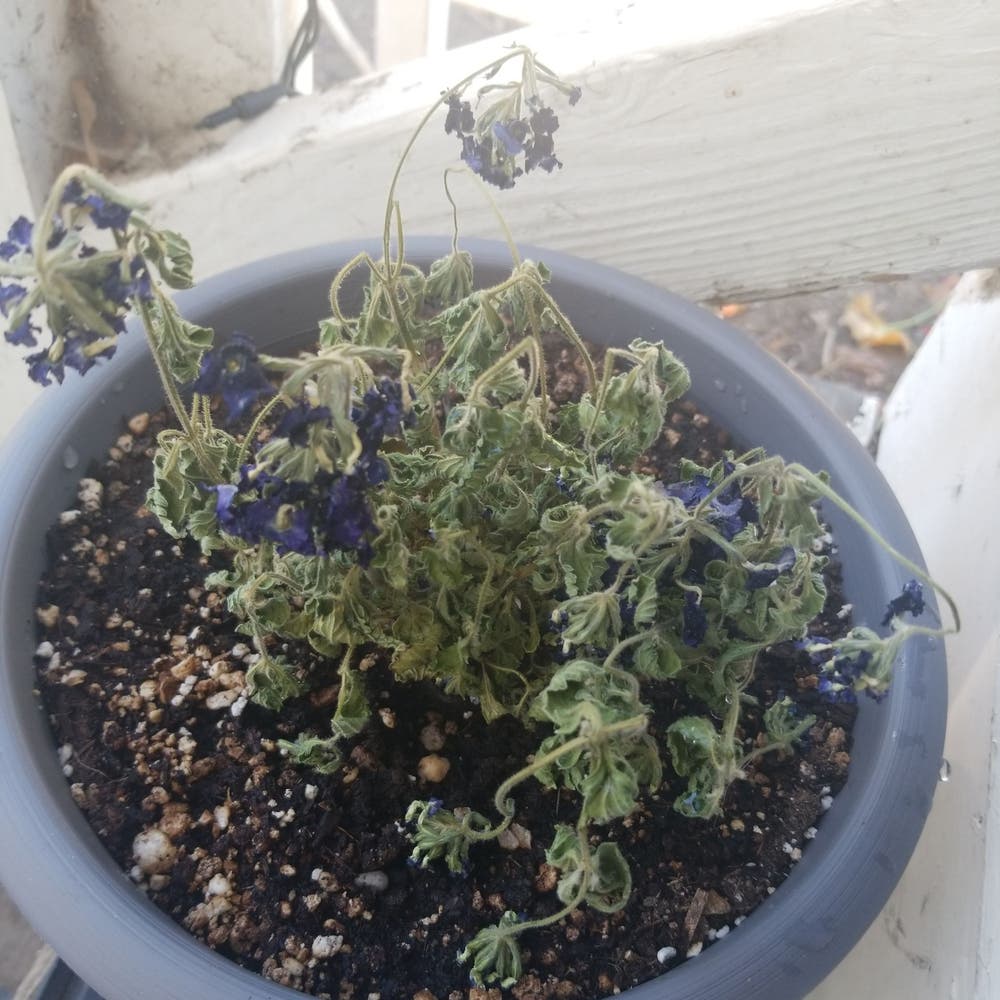
🐝 How and When to Pollinate Verbena 'Endurascape White'
Verbena 'Endurascape White'
By the Greg Editorial Team
Oct 15, 2024•6 min read
This article was created with the help of AI so we can cover more plants for you. May contain errors. See one? Report it here.
Unlock the secrets of Verbena 'Endurascape White' to attract pollinators and boost your garden's health! 🌼
- 🌼 Verbena 'Endurascape White' attracts bees, butterflies, and hummingbirds with its tubular flowers.
- 🌱 Self-pollination ensures reproduction, even in challenging conditions, enhancing plant resilience.
- 🌞 Timing hand pollination in cooler hours boosts success; early morning or late afternoon is best.
Flower Structure
Description of Flower Characteristics 🌼
Verbena 'Endurascape White' features small, tubular flowers that cluster tightly in dense heads. This unique shape not only enhances their aesthetic appeal but also makes them incredibly inviting to pollinators.
The pure white color of these flowers significantly boosts their visibility, drawing in a variety of pollinators. Their arrangement in tight clusters ensures that these blooms are easily accessible, making it a breeze for insects to gather nectar and pollen.
Role in Pollination 🐝
The anatomy of these flowers facilitates self-pollination, allowing them to reproduce even in the absence of external pollinators. This self-sufficiency can be a lifesaver in less-than-ideal conditions.
However, the structure also encourages cross-pollination, which is vital for genetic diversity. The accessibility of the flowers attracts various pollinator species, enhancing the chances of successful pollen transfer and robust plant reproduction.
With such a well-designed flower structure, Verbena 'Endurascape White' stands out as a beacon for pollinators, ensuring its place in the ecosystem. Next, we’ll explore the pollination process in detail, including the fascinating interactions between these flowers and their primary pollinators.
Pollination Process
Self-Pollination Mechanism 🌼
Self-pollination in Verbena 'Endurascape White' occurs when pollen is transferred within the same flower. This mechanism allows the plant to reproduce even in the absence of external pollinators.
Self-pollination can be advantageous, ensuring seed production in less favorable conditions. It also promotes genetic stability, which can be beneficial for the plant's survival.
Identification of Primary Pollinators 🐝
Bees are the primary pollinators for Verbena 'Endurascape White.' Their furry bodies collect pollen as they navigate the flower's tubular structure, effectively transferring it from one bloom to another.
Butterflies are also attracted to these flowers, drawn by their vibrant clusters. They contribute to pollination while sipping nectar, making them essential partners in the process.
Other pollinator species, such as moths and hummingbirds, play a role too. Moths are active at night, while hummingbirds are attracted to the flower's shape and nectar, further enhancing pollination.
How the Plant Attracts Pollinators 🍯
Nectar production is crucial for attracting pollinators. The sweet reward encourages bees, butterflies, and other species to visit frequently.
Visual cues also play a significant role. The pure white color and tight flower clusters enhance visibility, making it easy for pollinators to locate these blooms.
This combination of nectar and visual appeal creates a welcoming environment for a diverse range of pollinators, ensuring effective pollination.
As we delve deeper into natural pollination mechanisms, understanding how these interactions unfold will reveal the intricate relationships that sustain plant life.
Natural Pollination Mechanisms
🐝 Pollen Transfer Mechanisms
Pollen transfer in Verbena 'Endurascape White' occurs primarily through the activity of insects, particularly bees and butterflies. These pollinators visit the dense clusters of small, tubular flowers, brushing against the anthers and collecting pollen on their bodies.
Wind also plays a role, albeit a minor one, in dispersing pollen between flowers. Environmental factors like temperature and humidity significantly influence this process; warmer temperatures and moderate humidity levels enhance pollen viability and encourage pollinator activity.
🌱 Importance for Reproduction and Genetic Diversity
Successful pollination is crucial for seed production, enabling the plant to reproduce effectively. This process not only ensures the continuation of the species but also fosters genetic variation, which is vital for adapting to changing environments.
Maintaining genetic diversity within Verbena 'Endurascape White' enhances its resilience against pests and diseases. A diverse gene pool contributes to the overall health of the ecosystem, supporting a variety of life forms that depend on these plants for food and habitat.
As we explore the next section on hand pollination techniques, consider how these natural mechanisms can be complemented by human intervention to further support plant reproduction.
Hand Pollination Techniques
Step-by-Step Instructions
Identify Male and Female Flower Parts
Understanding the anatomy of Verbena 'Endurascape White' is crucial. The male parts, or stamens, produce pollen, while the female part, the pistil, is where the pollen needs to land for fertilization.Collecting Pollen
To gather pollen, gently tap or shake the male flowers. You can also use a small brush or cotton swab to collect the fine yellow grains, ensuring you have enough for effective transfer.Transferring Pollen
Apply the collected pollen to the stigma of the female flowers. A gentle touch is key; you want to ensure the pollen adheres without damaging the delicate flower structure.
⏰ Timing for Hand Pollination
Timing is everything when it comes to hand pollination. Early morning or late afternoon are ideal, as temperatures are cooler and pollinators are less active. Aim for dry conditions, as moisture can hinder pollen transfer and germination.
By following these steps and timing your efforts right, you can significantly enhance the pollination success of your Verbena 'Endurascape White.' This not only boosts your garden's beauty but also contributes to the plant's overall health and reproduction.
Next, let’s explore how to create a pollinator-friendly environment to support these efforts.
Supporting Pollinators
🌼 Creating a Pollinator-Friendly Environment
To attract a variety of pollinators, plant diversity is key. Incorporating a mix of flowering plants ensures that different species have food sources throughout the growing season.
Providing habitat is equally important. Pollinators need shelter and nesting sites to thrive. Consider adding native grasses, shrubs, and even small water features to create a welcoming environment.
🌱 Companion Plants
Companion planting can enhance the appeal of Verbena 'Endurascape White' to pollinators. Consider adding plants like:
- Lavender: Its fragrant blooms attract bees and butterflies.
- Echinacea (Coneflower): This hardy plant provides nectar and pollen.
- Salvia: Known for attracting hummingbirds, it complements the verbena beautifully.
These companions not only draw in pollinators but also create a vibrant garden aesthetic.
By fostering a pollinator-friendly environment and choosing the right companion plants, you can significantly boost the health and productivity of your Verbena 'Endurascape White'. This sets the stage for successful pollination and a flourishing garden.
Next, let's explore the challenges that can arise in the pollination process and how to overcome them.
Pollination Challenges
Common Obstacles 🌪️
Pollination success can be significantly impacted by environmental factors. High temperatures, low humidity, and drought conditions can hinder the activity of pollinators, making it difficult for them to locate and access flowers.
Additionally, a lack of pollinators in certain areas can stem from habitat loss, pesticide use, or seasonal changes. These factors can lead to reduced pollinator activity, ultimately affecting the reproductive success of plants like Verbena 'Endurascape White'.
Solutions for Overcoming Challenges 🌼
To enhance pollinator presence in your garden, consider planting a diverse array of flowering plants. This variety attracts different species, ensuring that pollinators have ample food sources throughout the growing season.
Adjusting care practices can also support pollination efforts. Regular watering and appropriate fertilization can create a healthier environment for both plants and pollinators, fostering a thriving ecosystem that benefits everyone involved.
By addressing these challenges, you can help ensure that your Verbena 'Endurascape White' thrives and contributes to the local pollinator population.
⚠️ Safety First
This content is for general information and may contain errors, omissions, or outdated details. It is not medical, veterinary advice, or an endorsement of therapeutic claims.
Always consult a qualified healthcare professional before using any plant as food, medicine, or supplement.
Never eat any plant (or feed one to pets) without confirming its identity with at least two trusted sources.
If you suspect poisoning, call Poison Control (800) 222-1222, the Pet Poison Helpline (800) 213-6680, or your local emergency service immediately.
Spotted an error? Please report it here.
Boost your Verbena 'Endurascape White' blooms and support pollinators 🐝 with Greg's tailored care reminders that ensure a thriving garden ecosystem!