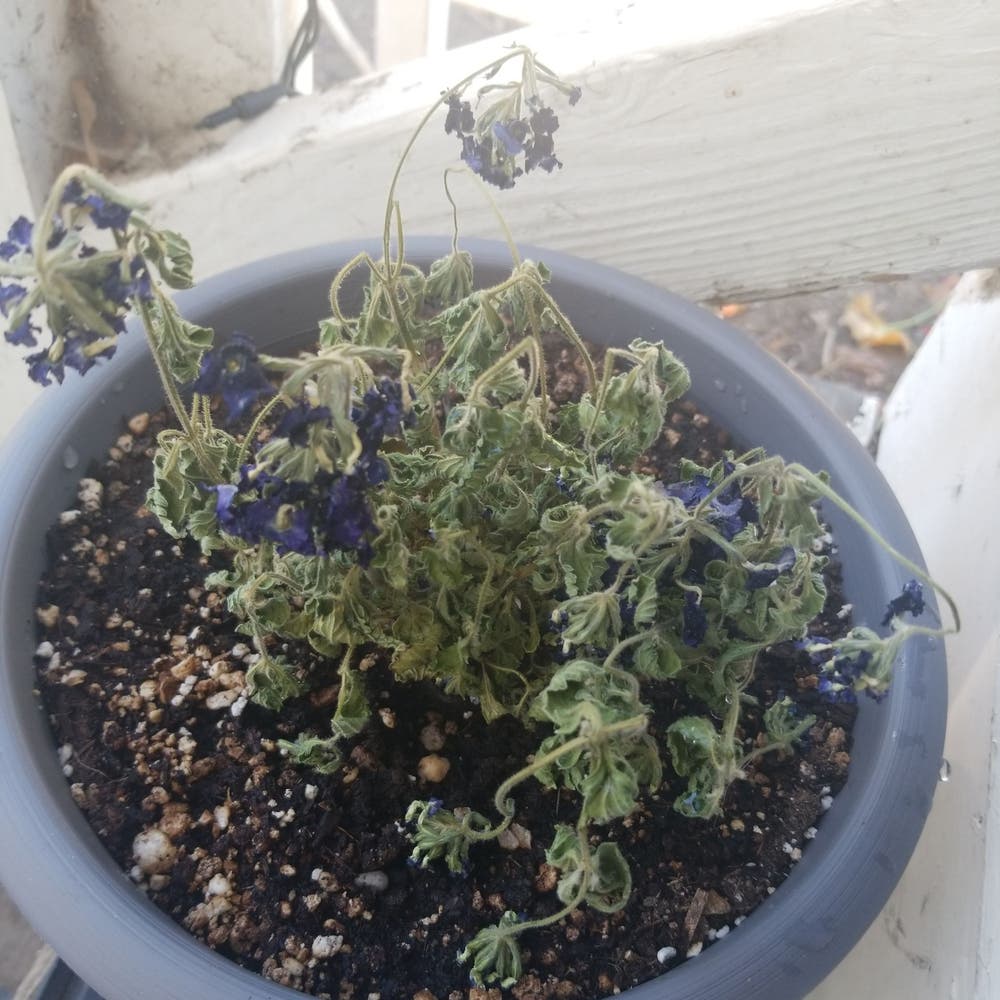
Ultimate Guide to Verbena 'Endurascape White' Roots 🌼
Verbena 'Endurascape White'
By the Greg Editorial Team
Oct 15, 2024•6 min read
This article was created with the help of AI so we can cover more plants for you. May contain errors. See one? Report it here.
Discover how expert root care can transform your Verbena 'Endurascape White' into a blooming beauty! 🌼
- 🌱 Verbena 'Endurascape White' has shallow, extensive roots for efficient nutrient absorption.
- 💧 Consistent watering and well-draining soil prevent root rot and promote healthy growth.
- 🌿 Transplant in spring or fall to minimize stress and ensure successful establishment.
Root System Characteristics
Type of Root System 🌱
Verbena 'Endurascape White' features a fibrous root system. This type of root structure is shallow yet extensive, which allows the plant to efficiently absorb nutrients from the soil.
Compared to taproot systems, fibrous roots spread out horizontally, maximizing surface area for nutrient uptake. This adaptability is crucial for thriving in various environments.
Specific Characteristics of Roots 🌍
These roots are remarkably adaptable to different soil conditions, making them resilient in diverse gardening scenarios. Their fibrous nature also contributes to drought resistance, enabling the plant to survive in less-than-ideal moisture levels.
The unique structure of these roots significantly impacts nutrient absorption and overall plant vigor. Healthy roots lead to robust growth, ensuring your Verbena remains vibrant and flourishing.
As we explore further, understanding how to care for these roots will enhance your gardening success.
Root Depth and Spread
Typical Root Depth and Spread 🌱
The root system of Verbena 'Endurascape White' typically reaches an average depth of 12 to 18 inches. However, its roots can spread horizontally up to 2 to 3 feet, allowing the plant to efficiently absorb nutrients and water from a wide area.
Growth Patterns of the Root System 📈
Roots grow dynamically, responding to environmental conditions like moisture and soil quality. During the growing season, roots expand rapidly, while in cooler months, their growth slows, directly influencing the overall health and vigor of the plant.
Understanding these growth patterns can help you optimize care for your Verbena, ensuring it thrives in various conditions. With the right attention, you can support a robust root system that enhances the plant's resilience and beauty.
Care Practices Influenced by Roots
💧 Watering Techniques Based on Root Structure
To keep your Verbena 'Endurascape White' thriving, aim to water weekly, adjusting based on rainfall. This consistency helps the shallow, fibrous roots absorb nutrients efficiently.
Deep watering techniques can further encourage robust root growth. Consider using a soaker hose or drip irrigation to ensure moisture penetrates the soil deeply, promoting a healthier root system.
🌱 Fertilizing Considerations for Optimal Root Health
Choosing the right fertilizers is crucial for the vitality of your Verbena. Opt for balanced fertilizers that provide essential nutrients, supporting root development and overall plant health.
Timing is key; fertilize in early spring to kickstart growth and again in mid-summer to sustain vigor. This schedule aligns with the plant's natural growth cycles, ensuring it gets the nutrients it needs when it needs them.
🌿 Best Practices for Transplanting
Transplanting can be a delicate process, best done in early spring or fall. Timing your transplanting correctly minimizes stress on the plant and promotes successful establishment in its new location.
Follow these steps for a smooth transplanting experience:
- Prepare the new planting hole: Make it twice the width of the root ball to give roots room to spread.
- Gently remove the plant: Take care not to damage the roots as you lift it from its current pot.
- Place in the new hole: Position the plant at the same depth it was growing before.
- Backfill with soil: Firmly pack the soil around the roots to eliminate air pockets.
- Water thoroughly: This step is crucial to help settle the soil and encourage root establishment.
With these care practices, your Verbena 'Endurascape White' will flourish, setting the stage for vibrant blooms and a healthy garden. Next, let’s explore common root-related issues that can affect your plant's health.
Common Root-Related Issues
🦠 Identifying Root Rot and Other Diseases
Root rot is a common issue for Verbena 'Endurascape White'. Look out for symptoms like wilting, yellowing leaves, and mushy roots, which indicate that your plant is struggling.
Other diseases can also affect the roots. Keep an eye out for signs of fungal infections, which can manifest as dark spots on the leaves or a general decline in plant vigor.
🛠️ Solutions for Preventing Root-Related Problems
Preventing root rot starts with ensuring well-draining soil. This is crucial, as soggy conditions can lead to root decay and other issues.
To maintain root health, follow these best practices:
- Avoid overwatering, as this is a primary cause of root problems.
- If necessary, consider using fungicides to combat any emerging threats.
By staying vigilant and proactive, you can help your Verbena thrive and avoid common root-related pitfalls. Next, let’s explore how to recognize indicators of root health to ensure your plant remains robust and vibrant.
Indicators of Root Health
👀 Visual Cues for Healthy vs. Unhealthy Roots
Healthy roots are a gardener's dream. They should be firm, white, and spread evenly throughout the soil.
In contrast, unhealthy roots present a worrying sight. Look for dark, mushy roots or any foul smell, which are clear signs of trouble.
🔍 Other Indicators of Root System Vitality
Plant growth patterns can tell you a lot about root health. If you notice stunted growth or excessive wilting, it’s time to investigate further.
Additionally, pay attention to leaf color and texture. Yellowing leaves or a rough texture can indicate that the roots are struggling to provide adequate nutrients.
Understanding these indicators can help you maintain a thriving Verbena 'Endurascape White' and ensure its roots are in top shape. Next, let’s explore common root-related issues that can arise and how to tackle them effectively.
Rootbound Plants
Definition and Recognition of Rootbound Conditions 🌱
A rootbound plant occurs when its roots grow too densely within the container, restricting growth. You can easily spot this condition if you see roots emerging from the drainage holes or if the plant exhibits stunted growth.
When and How to Address Rootbound Issues 🛠️
If you find your plant rootbound, the best solution is repotting. Choose a larger pot and gently loosen the roots to encourage new growth.
- Repotting: Select a pot that’s at least 2 inches wider than the current one.
- Loosening Roots: Carefully untangle any tightly bound roots to promote healthy expansion.
Timing is crucial; early spring is the ideal season for repotting. This allows the plant to establish itself before the growing season kicks in.
By addressing rootbound conditions promptly, you can ensure your Verbena 'Endurascape White' thrives and flourishes. Next, let’s explore propagation and division techniques to expand your garden.
Propagation and Division
🧑🌾 Importance of Root Health in Propagation
Healthy roots are crucial for successful propagation. They ensure that new plants can establish themselves quickly and thrive.
On the flip side, propagating from unhealthy plants can lead to weak growth and increased susceptibility to diseases. It's essential to assess root health before starting the propagation process.
✂️ Techniques for Dividing and Propagating
Dividing Verbena 'Endurascape White' is a straightforward process that can rejuvenate your plants. Follow these steps for effective division:
- Water the plant a day before division to hydrate the roots.
- Carefully remove the plant from its pot, taking care not to damage the roots.
- Use a clean knife to divide the root ball into sections, ensuring each section has healthy roots.
- Replant each section in suitable soil, providing ample space for growth.
Timing is key for successful propagation. Early spring or fall are the best seasons to divide and propagate, as the plants are more resilient during these periods.
By following these techniques, you can expand your garden with healthy, vibrant Verbena plants. Next, let’s explore how to recognize and address rootbound conditions to keep your plants thriving.
⚠️ Safety First
This content is for general information and may contain errors, omissions, or outdated details. It is not medical, veterinary advice, or an endorsement of therapeutic claims.
Always consult a qualified healthcare professional before using any plant as food, medicine, or supplement.
Never eat any plant (or feed one to pets) without confirming its identity with at least two trusted sources.
If you suspect poisoning, call Poison Control (800) 222-1222, the Pet Poison Helpline (800) 213-6680, or your local emergency service immediately.
Spotted an error? Please report it here.
Unlock the secret to thriving roots 🌿 with Greg's tailored watering reminders and expert care tips, ensuring your Verbena 'Endurascape White' flourishes beautifully!