🌼 6 Secrets to Thriving Outdoor Verbena 'Endurascape White'
Verbena 'Endurascape White'
By the Greg Editorial Team
Oct 15, 2024•7 min read
This article was created with the help of AI so we can cover more plants for you. May contain errors. See one? Report it here.
Unlock a vibrant garden with essential tips for thriving outdoor verbena! 🌱✨
- ☀️ Full sun (6-8 hours) is crucial for thriving Outdoor Verbena 'Endurascape White'.
- 💧 Water deeply initially, then every 1-2 weeks for optimal growth.
- 🌱 Well-draining soil and organic matter enhance health and blooms.
Sunlight Needs and Optimal Light Conditions
Ideal Sun Exposure 🌞
Outdoor Verbena 'Endurascape White' thrives in full sun, requiring 6-8 hours of direct sunlight daily. This ample exposure not only promotes robust growth but also leads to an abundance of vibrant blooms.
Light Conditions 💡
If your verbena shows signs of insufficient light, such as leggy growth or fewer flowers, it’s time to take action. For container plants, simply move them to sunnier spots; for ground-planted varieties, consider trimming surrounding foliage to enhance light access.
Ensuring your verbena gets the right amount of sunlight is crucial for its health and beauty. With the right light conditions, you’ll enjoy a flourishing garden that’s the envy of your neighbors.
Next, let’s dive into the watering requirements that will keep your verbena thriving.
Watering Requirements and Frequency
Watering Guidelines 💧
When you first plant your Outdoor Verbena 'Endurascape White', give it a deep watering. This initial soak helps establish strong roots.
After that, aim to water every 1-2 weeks. Let the soil dry out slightly between waterings to prevent waterlogging.
Signs of Overwatering and Underwatering ⚠️
Keep an eye on your plants. Yellowing leaves can indicate overwatering, which may lead to root rot.
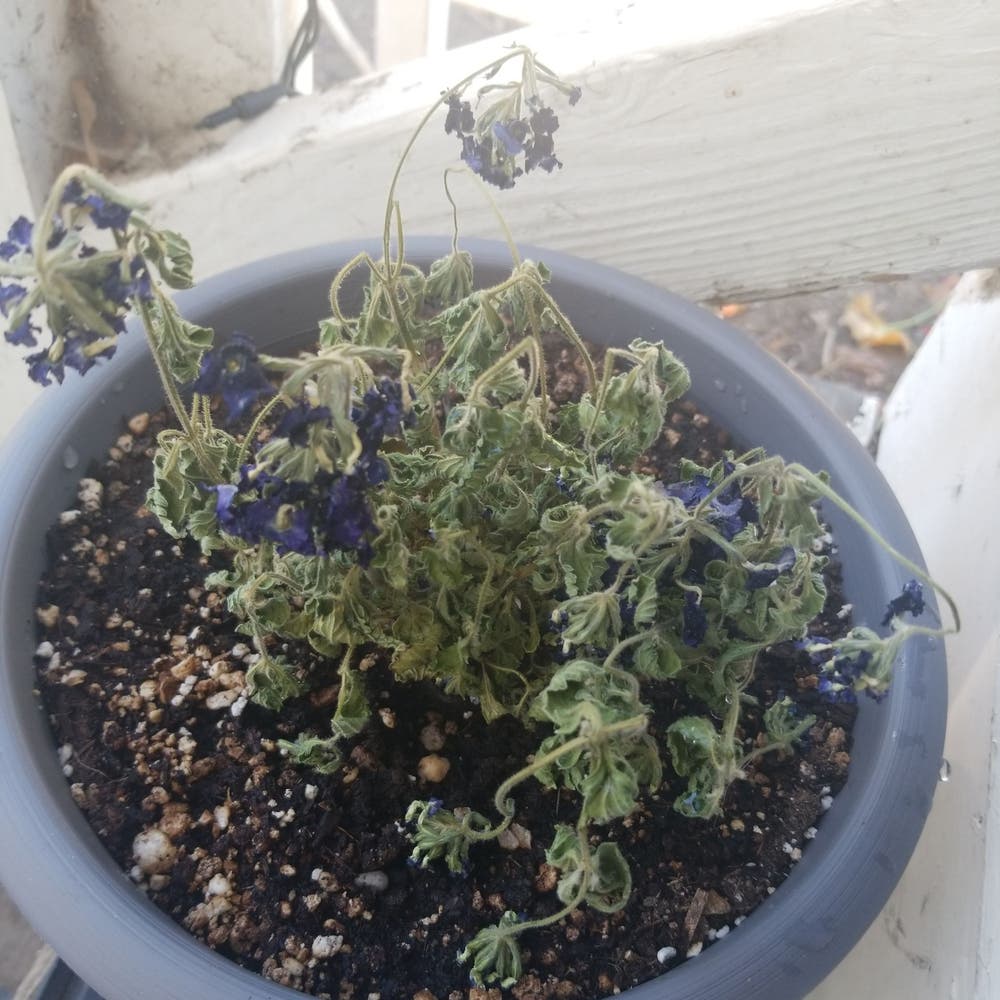
On the flip side, if you notice wilting or crispy leaf edges, your verbena might be underwatered. Adjust your watering routine accordingly.
Drought Tolerance 🌵
Once established, these plants show impressive drought tolerance. However, for the best blooms, they thrive with consistent moisture.
Balancing water levels is key to keeping your verbena vibrant and flourishing. With the right care, you’ll enjoy a stunning display all season long.
Next, let’s explore the ideal soil preferences and amendments to ensure your verbena has the best growing conditions.
Soil Preferences and Amendments
Ideal Soil Type 🌱
For thriving outdoor verbena 'Endurascape White', well-draining soil is essential. Sandy loam or loamy soil is preferred, as it allows for proper drainage while retaining some moisture.
The ideal soil pH ranges from slightly acidic to neutral, specifically between 6.0 and 7.0. This pH range supports nutrient availability, promoting healthy growth and vibrant blooms.
Soil Amendments 🧑🌾
Incorporating organic matter, such as compost, can significantly enhance soil structure and fertility. This addition not only enriches the soil but also improves its ability to retain moisture without becoming waterlogged.
If your soil tends to retain too much moisture, consider adding perlite or sand. These amendments improve drainage, ensuring that your verbena's roots stay healthy and free from rot.
By focusing on the right soil conditions, you set the stage for your verbena to flourish. With the proper amendments, you'll create an environment that encourages robust growth and stunning flowers.
Next, let’s explore the best watering practices to keep your verbena thriving.
Planting Options: Container vs. Ground
🌱 Benefits of Container Planting
Container planting offers remarkable mobility. You can easily shift your verbena to capture the best sunlight or shield it from harsh weather.
Another advantage is soil control. You can customize the soil mix to create the perfect environment for growth, ensuring your plants thrive.
🚫 Drawbacks of Container Planting
However, container planting comes with limited root space. This often means you’ll need to water and fertilize more frequently to keep your plants healthy.
Additionally, containers are temperature sensitive. They can heat up quickly in hot weather, which may stress your plants if not monitored closely.
🌍 Advantages of Ground Planting
On the flip side, ground planting allows for established root systems. This leads to better moisture retention and access to nutrients, promoting robust growth.
Ground-planted verbena also tends to be more vigorous. These plants often grow larger and more naturally, enhancing your garden's overall aesthetic.
⚠️ Disadvantages of Ground Planting
Yet, ground planting has its downsides. You have less control over soil quality, which might necessitate amendments based on existing conditions.
Moreover, plants in the ground have a permanent location. This makes it more challenging to relocate them if conditions change or if you want to redesign your garden layout.
In summary, both planting options have unique benefits and challenges. Choosing between container and ground planting ultimately depends on your gardening goals and the specific conditions of your space. Next, let’s explore how to protect your verbena from extreme weather and manage pests effectively.
Protection from Extreme Weather and Pest Management
❄️ Strategies for Protecting from Frost
Frost can be a sneaky enemy for your outdoor verbena. To shield your plants during cold snaps, cover them with frost cloths or blankets.
Mulching is another effective strategy. A layer of mulch not only insulates the roots but also helps retain moisture.
☀️ Heat Protection Methods
As temperatures rise, your verbena needs extra care. Using shade cloth during peak sun hours can prevent leaf scorch and keep your plants thriving.
Regular watering is crucial, too. Maintaining consistent moisture helps your verbena cope with the heat and promotes healthy growth.
🐞 Common Outdoor Pests and Control Methods
Aphids
Aphids can quickly become a nuisance. Look for signs like curling leaves and sticky residue on your plants.
To control these pests, consider using insecticidal soap or introducing beneficial insects like ladybugs, which can help keep aphid populations in check.
Spider Mites
Spider mites are another common threat. You might notice fine webbing and stippled leaves as indicators of an infestation.
Increasing humidity around your plants can deter these pests. If necessary, use miticides to manage severe cases.
🦠 Diseases and Prevention Strategies
Powdery Mildew
Powdery mildew can be a real headache for verbena. Symptoms include white powdery spots on leaves, signaling that your plant is under stress.
To prevent this disease, ensure good air circulation around your plants and avoid overhead watering.
Root Rot
Root rot is a serious issue that can lead to wilting, even when you think you're watering adequately.
To prevent root rot, always use well-draining soil and avoid overwatering, ensuring your verbena stays healthy and vibrant.
With these protective measures in place, your outdoor verbena will be better equipped to handle the elements and pests. Next, let’s explore how seasonal care and climate zone considerations can further enhance your verbena's growth.
Seasonal Care and Climate Zone Considerations
🌸 Seasonal Changes and Their Impact
Spring is the perfect time to fertilize and plant your outdoor verbena 'Endurascape White.' As the weather warms, keep an eye out for pests that may try to invade your vibrant blooms.
In summer, increase your watering routine and don’t forget to deadhead spent flowers. This will encourage continuous blooms and keep your plants looking their best.
As fall approaches, prepare for cooler temperatures. If you’re growing verbena in containers, consider bringing them indoors to protect them from frost.
🌍 Special Considerations for Different Climate Zones
For those in USDA Zones 9-11, treat your verbena as a perennial. These plants thrive with minimal winter care, allowing you to enjoy their beauty year after year.
If you live in cooler zones, consider your verbena as an annual. Plan for seasonal planting to ensure you get the most out of these lovely flowers.
🔄 Adjusting Care Routines
Be ready to modify your watering frequency based on rainfall and temperature changes. This flexibility will help your verbena thrive throughout the seasons.
As growth slows in cooler months, adjust your fertilization schedule accordingly. This will keep your plants healthy and vibrant, setting them up for success when spring returns.
With these seasonal care tips, your outdoor verbena will flourish, bringing joy and color to your garden year-round. Next, let’s explore how to protect your plants from extreme weather and manage pests effectively.
⚠️ Safety First
This content is for general information and may contain errors, omissions, or outdated details. It is not medical, veterinary advice, or an endorsement of therapeutic claims.
Always consult a qualified healthcare professional before using any plant as food, medicine, or supplement.
Never eat any plant (or feed one to pets) without confirming its identity with at least two trusted sources.
If you suspect poisoning, call Poison Control (800) 222-1222, the Pet Poison Helpline (800) 213-6680, or your local emergency service immediately.
Spotted an error? Please report it here.
Unlock a blooming paradise 🌸 with your Outdoor Verbena 'Endurascape White' by using Greg's tailored watering alerts and expert tips to keep your plants thriving all season long!