🌼 4 Tips for How to Plant Your Verbena 'Endurascape White'
Verbena 'Endurascape White'
By the Greg Editorial Team
Oct 15, 2024•5 min read
This article was created with the help of AI so we can cover more plants for you. May contain errors. See one? Report it here.
Transform your garden with the right choice between new and established Verbena for stunning blooms! 🌼🌱
- 🌱 New Verbena is cheaper, but established plants bloom faster for immediate impact.
- 🌞 Plant in late spring for optimal growth; ensure 6-8 hours of sunlight daily.
- 🏺 Use 12-inch pots with drainage; space plants 12-18 inches apart for healthy roots.
Planting New vs. Transplanting Established Verbena
🌱 Benefits and Drawbacks of Each Method
When deciding between planting new or transplanting established Verbena, consider the unique advantages of each. New plants are typically less expensive and easier to find, making them a great option for budget-conscious gardeners.
On the other hand, established plants can fill space quickly and bloom sooner, giving your garden an instant boost. However, it's essential to analyze the costs involved; while new plants may save you money upfront, established ones can save you time and effort in the long run.
💰 Cost Analysis
Cost is a significant factor in your decision. New plants often come with a lower price tag, but established plants may offer better value when you factor in their quicker growth and blooming potential.
⏳ Time to Maturity
New Verbena plants generally take longer to establish and bloom. If you're looking for immediate results, established plants are the way to go.
🌍 Adaptability
New plants may require more acclimatization to your garden's specific conditions. Established plants, however, are often better suited to local environments, making them a more reliable choice for consistent growth.
In summary, weigh the pros and cons of each method based on your gardening goals. Whether you choose new or established Verbena, understanding these factors will help you make an informed decision.
Next, let’s dive into the key steps for planting new Verbena to ensure your garden thrives.
Key Steps for Planting New Verbena
🌱 Optimal Timing for Planting
The best time to plant your Verbena 'Endurascape White' is late spring, right after the last frost. This timing aligns with the plant's active growth phase, ensuring a robust start.
🪴 Selecting Soil Mix and Containers
Verbena thrives in well-draining, fertile soil with a pH between 6.0 and 7.5. If you're using containers, opt for pots with drainage holes that are at least 12 inches in diameter to promote healthy root development.
📏 Proper Depth and Spacing for Planting
When planting, dig a hole that is 1-2 inches deep. Space your plants 12-18 inches apart to allow for optimal air circulation and growth.
☀️ Maintaining Ideal Growing Conditions
After planting, water your Verbena thoroughly to establish moisture. Ensure they receive at least 6-8 hours of direct sunlight daily for vibrant blooms.
🌤️ Hardening Off Process Before Outdoor Planting
- Duration: Start the hardening off process 7-10 days before planting outdoors.
- Gradual Exposure: Begin with 1-2 hours of outdoor time, gradually increasing exposure each day.
- Monitoring: Keep an eye out for any signs of stress or sunburn during this acclimatization period.
By following these key steps, you'll set your Verbena up for success in your garden. Next, we'll explore the essential steps for transplanting established Verbena, ensuring they thrive in their new environment.
Key Steps for Transplanting Established Verbena
🌱 Optimal Timing for Transplanting
Transplanting established verbena is best done in early spring or fall. These seasons offer mild temperatures, which help the plants recover more effectively.
🛠️ Step-by-Step Instructions for Transplanting
Prepare the new site: Clear away any weeds and debris. If needed, amend the soil to improve fertility.
Remove the plant: Gently dig around the root zone, ensuring you keep the root ball intact. This minimizes stress on the plant.
Replant: Position the verbena in its new location at the same depth it was previously growing. This helps maintain its health.
Spacing: Ensure you maintain 12-18 inches between plants for optimal air circulation and growth.
💧 Watering and Mulching Tips for Transplanted Verbena
After transplanting, water the verbena thoroughly to help it settle in.
Applying a 2-3 inch layer of organic mulch will retain moisture and suppress weeds, creating a nurturing environment for your plants.
Transplanting established verbena can be a rewarding process, ensuring your garden flourishes. Next, let’s explore how to troubleshoot common issues that may arise during this journey.
Troubleshooting Common Issues
🌱 Identifying Transplant Shock
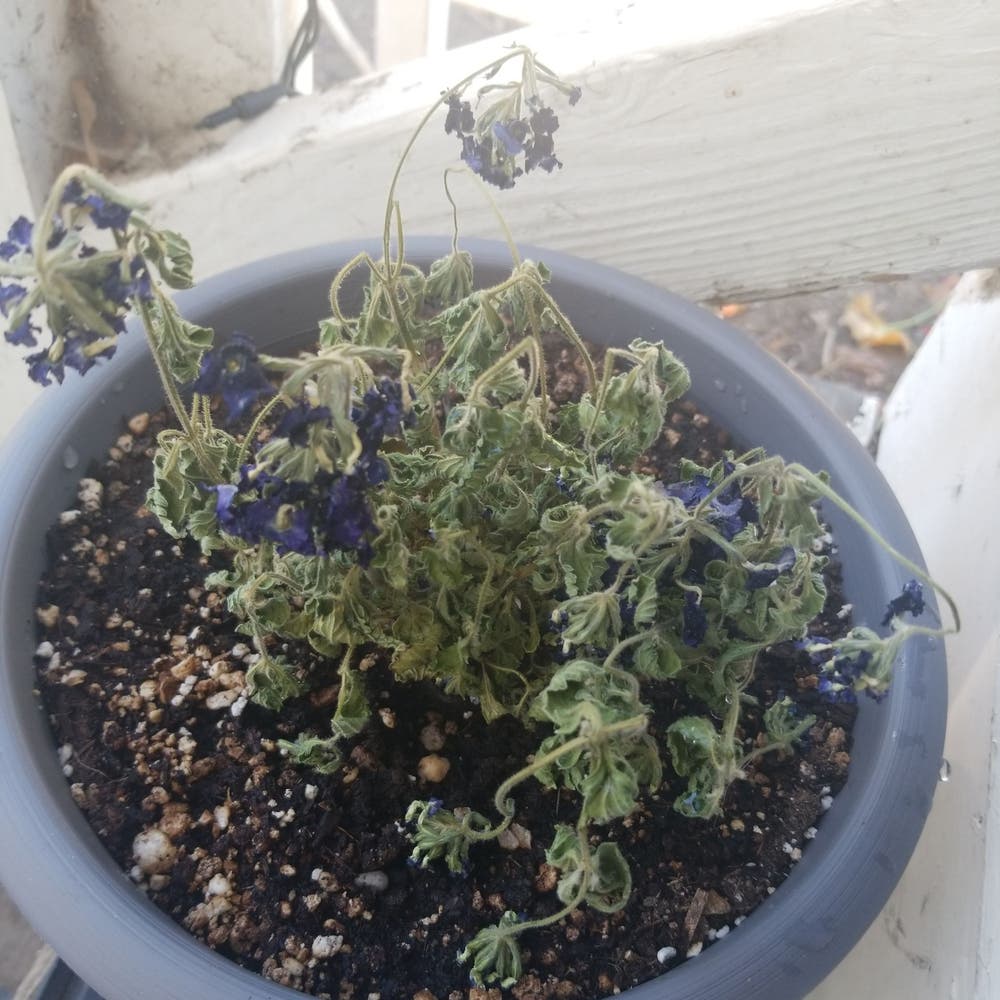
Transplant shock can be a common hurdle when moving your Verbena. Look out for symptoms like wilting, yellowing leaves, and stunted growth, which usually indicate your plant is struggling to adjust.
This shock typically lasts about 1-2 weeks post-transplant. During this time, it’s crucial to provide extra care to help your Verbena bounce back.
💧 Solutions for Establishment Problems
To combat establishment problems, start with watering adjustments. Ensure your Verbena receives consistent moisture but avoid waterlogging, which can lead to root issues.
Additionally, check for drainage problems in your soil. Amending the soil can significantly improve your plant's chances of thriving.
🐛 Common Pests and Diseases
Be vigilant about pests that may invade your Verbena. Common culprits include aphids, spider mites, and whiteflies, which can sap your plant's vitality.
Diseases like root rot and powdery mildew can also pose threats. Prevent these issues by ensuring proper watering and air circulation around your plants.
🌼 Tips for Ensuring Healthy Growth
Regular monitoring is key to maintaining healthy Verbena. Keep an eye out for signs of stress or pest infestations to catch problems early.
Incorporate good maintenance practices, such as following Verbena care tips. This proactive approach will help ensure your plants flourish and bring beauty to your garden.
As you navigate these challenges, remember that a little patience and attention can go a long way in nurturing your Verbena to its full potential.
⚠️ Safety First
This content is for general information and may contain errors, omissions, or outdated details. It is not medical, veterinary advice, or an endorsement of therapeutic claims.
Always consult a qualified healthcare professional before using any plant as food, medicine, or supplement.
Never eat any plant (or feed one to pets) without confirming its identity with at least two trusted sources.
If you suspect poisoning, call Poison Control (800) 222-1222, the Pet Poison Helpline (800) 213-6680, or your local emergency service immediately.
Spotted an error? Please report it here.
Transform your garden with vibrant Verbena blooms 🌼 by using Greg's tailored care tips and reminders to help your plants flourish effortlessly!