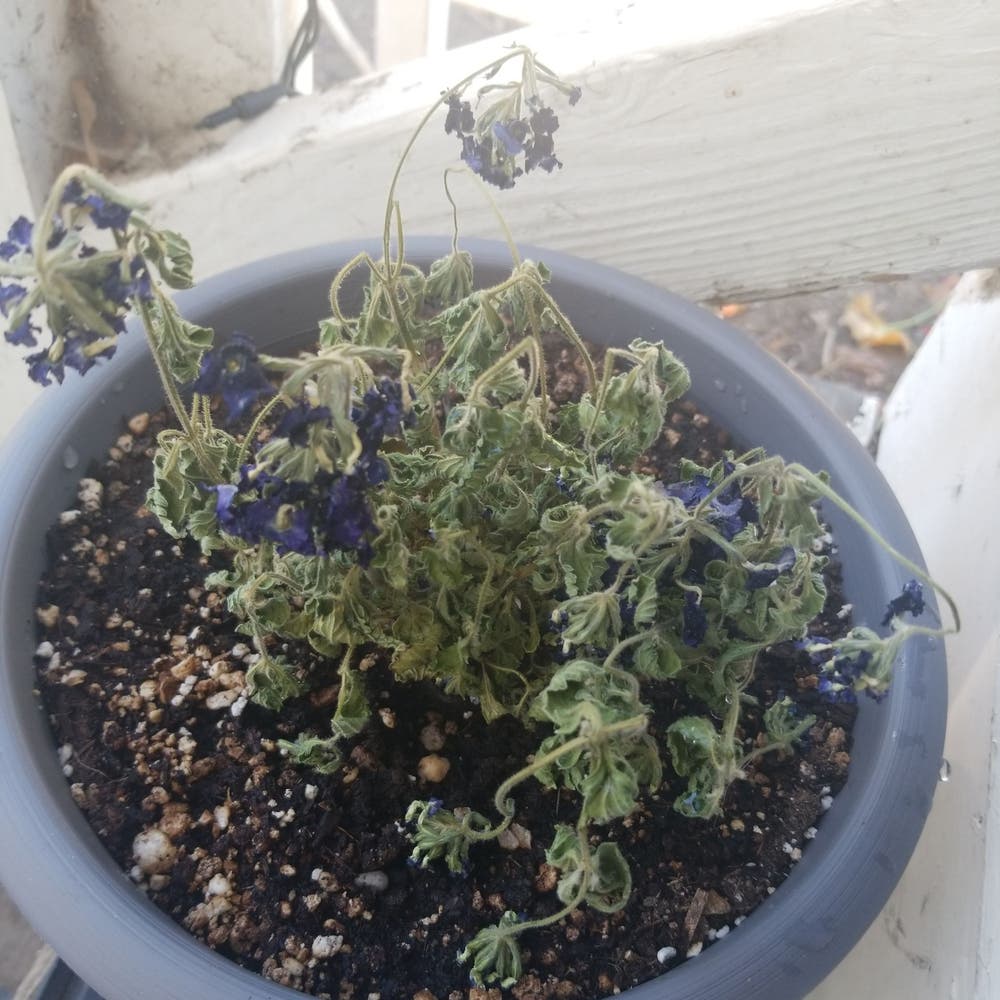
Best Companion Plants for Verbena 'Endurascape White' 🌼
Verbena 'Endurascape White'
By the Greg Editorial Team
Oct 15, 2024•4 min read
This article was created with the help of AI so we can cover more plants for you. May contain errors. See one? Report it here.
Elevate your garden's beauty 🌼 and health by pairing Verbena 'Endurascape White' with ideal companion plants!
- 🌼 Lantana and Salvia attract pollinators while complementing Verbena's growth habits.
- 🐞 Diverse companions like Coreopsis and Gaillardia enhance pest control and garden health.
- ❌ Avoid mint and fennel near Verbena to prevent stifling its growth.
Best Companion Plants for Verbena 'Endurascape White'
🌼 Description of Suitable Companions
Lantana
Lantana is a drought-tolerant plant known for its vibrant blooms. It attracts pollinators and beautifully complements the low growth habit of Verbena 'Endurascape White'.
Salvia
Salvia is a hardy perennial featuring spikes of flowers. It shares similar sunlight and soil requirements with Verbena, making it an ideal companion that also attracts hummingbirds.
Gaillardia
Gaillardia, with its bright, daisy-like flowers, is another excellent choice. This drought-resistant plant provides visual contrast and draws beneficial pollinators to your garden.
Coreopsis
Coreopsis is a long-blooming, low-maintenance perennial. It enhances garden diversity and supports pollinator populations, making it a valuable addition alongside Verbena.
🎨 Visual Appeal and Aesthetic Combinations
Creating a visually appealing garden involves thoughtful color palettes and layering techniques. Consider combinations of these companions to enhance your garden design, ensuring a vibrant and harmonious landscape.
By selecting the right companions, you can create a stunning display that not only looks great but also supports a thriving ecosystem. Next, let’s explore how these companion plants can help manage pests effectively.
Pest Management with Companion Plants
🌱 How Companion Plants Deter Pests
Companion planting is a natural way to manage pests in your garden. By strategically placing certain plants together, you can create an environment that deters unwanted insects.
Some plants emit scents or compounds that mask the smell of more vulnerable plants. Others may repel pests outright, making your Verbena 'Endurascape White' less appealing to common garden nuisances.
🐞 Specific Pest-Repellent Properties of Chosen Companions
Lantana
Lantana is a vibrant addition that repels aphids and whiteflies. Its colorful blooms not only attract pollinators but also keep harmful pests at bay.
Salvia
Salvia is a hardy perennial that deters deer and rabbits. Its spikes of flowers are not just beautiful; they also serve as a natural barrier against these common garden pests.
Gaillardia
Gaillardia, with its bright, daisy-like flowers, attracts predatory insects that help control pest populations. This makes it a valuable ally in maintaining a healthy garden ecosystem.
Coreopsis
Coreopsis acts as a trap crop for certain pests, drawing them away from your Verbena. Its long-blooming nature adds beauty while providing essential pest management.
Incorporating these companion plants can significantly enhance your garden's health. By understanding their specific pest-repellent properties, you can create a thriving environment for your Verbena and other plants.
As you explore the world of companion planting, consider how these relationships can improve not just pest management but also the overall vitality of your garden.
Plants to Avoid Near Verbena 'Endurascape White'
🌱 Description of Incompatible Plants
Mint
Mint is known for its aggressive growth habit. This can lead to competition for resources, potentially overwhelming Verbena and stifling its growth.
Fennel
Fennel, with its tall, feathery appearance, may seem appealing, but it has its downsides. It can inhibit the growth of nearby plants through allelopathy, releasing chemicals that can hinder Verbena's development.
⚠️ Reasons for Incompatibility
Certain plants can negatively impact Verbena's growth and health. Resource competition is a primary concern, as aggressive plants like mint can outcompete Verbena for water and nutrients.
Additionally, allelopathic effects from plants like fennel can create an inhospitable environment for Verbena. Understanding these dynamics is crucial for maintaining a thriving garden.
Choosing the right companions is essential for a healthy garden ecosystem. By avoiding these incompatible plants, you can ensure that your Verbena 'Endurascape White' flourishes alongside its companions.
Creating a Diverse Garden with Verbena
🌱 Importance of Diversity in Plant Selection
A diverse plant palette is crucial for ecological balance in your garden. It not only enhances visual appeal but also supports a variety of pollinators and beneficial insects.
Diversity encourages a healthy ecosystem, attracting bees, butterflies, and other essential creatures. This balance helps in natural pest control, reducing the need for chemical interventions.
🌼 How to Incorporate Companion Plants for a Thriving Garden
Creating a thriving garden with Verbena involves thoughtful selection and arrangement of companion plants. Follow these steps to ensure a successful garden:
Assess sunlight and soil conditions. Understanding your garden's environment is the first step to choosing the right plants.
Choose companions based on growth habits and pest management properties. Look for plants that complement Verbena's characteristics and deter pests effectively.
Plan for seasonal interest and visual appeal. Select a mix of plants that bloom at different times to keep your garden vibrant year-round.
Monitor plant interactions and adjust as needed. Keep an eye on how plants coexist and be ready to make changes to optimize growth and health.
By following these guidelines, you can create a diverse and thriving garden that not only looks beautiful but also supports a healthy ecosystem. This approach will lead to a more resilient garden, ready to face the challenges of pests and changing weather.
⚠️ Safety First
This content is for general information and may contain errors, omissions, or outdated details. It is not medical, veterinary advice, or an endorsement of therapeutic claims.
Always consult a qualified healthcare professional before using any plant as food, medicine, or supplement.
Never eat any plant (or feed one to pets) without confirming its identity with at least two trusted sources.
If you suspect poisoning, call Poison Control (800) 222-1222, the Pet Poison Helpline (800) 213-6680, or your local emergency service immediately.
Spotted an error? Please report it here.
Boost your garden's beauty and biodiversity 🌼 with perfect companions for Verbena, and let Greg guide you with tailored care tips to keep your plants thriving and pest-free!