🌡 Optimal Temperature for Your Verbena 'Endurascape White'
Verbena 'Endurascape White'
By the Greg Editorial Team
Oct 15, 2024•4 min read
This article was created with the help of AI so we can cover more plants for you. May contain errors. See one? Report it here.
Unlock vibrant Verbena blooms 🌼 by mastering temperature care for thriving growth and stunning displays in your garden!
- 🌡️ Optimal growth for Verbena 'Endurascape White' is 65°F to 85°F (18°C to 29°C).
- ❄️🔥 Extreme temperatures below 32°F or above 90°F harm blooming and plant health.
- 🌱 Mulching and shade help regulate soil temperature, promoting robust growth.
Temperature Thresholds for Optimal Blooming
Ideal Temperature Range for Growth 🌡️
For your Verbena 'Endurascape White' to thrive, aim for an optimal temperature range of 65°F to 85°F (18°C to 29°C). This sweet spot encourages robust growth and vibrant blooms.
The minimum temperature for blooming is 50°F (10°C), while the maximum is 90°F (32°C). Staying within this range is crucial for healthy flowering.
Effects of Temperatures Outside This Range ❄️🔥
When temperatures dip below or soar above these thresholds, you may notice a decline in flower production. Additionally, extreme temperatures can lead to delayed blooming, leaving your garden looking less than its best.
Understanding these temperature thresholds helps you create the ideal environment for your Verbena. With the right conditions, you can enjoy a flourishing display of blooms throughout the growing season.
Next, let’s explore the signs and symptoms of temperature stress that can affect your plant's health.
Signs and Symptoms of Temperature Stress
🌡️ Heat Stress Indicators
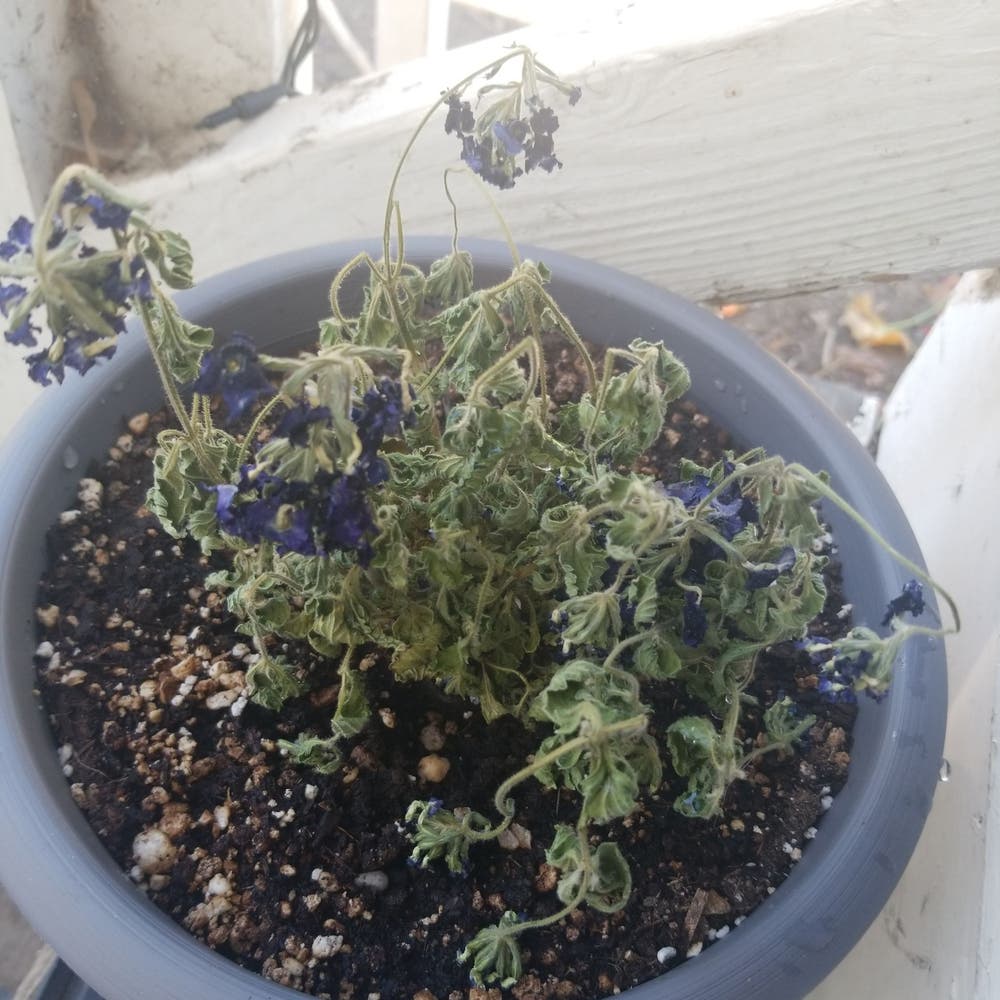
When your Verbena 'Endurascape White' experiences heat stress, the first signs often appear in the leaves. You might notice wilting leaves, even if you've been diligent with watering.
Another telltale sign is leaf scorching, where the edges turn brown and crispy. This indicates that the plant is struggling to cope with excessive heat.
❄️ Cold Stress Indicators
Cold stress can manifest in several ways. Look out for leaf drop or yellowing, which signals that your plant is not happy with the chilly conditions.
Stunted growth or wilting can also occur, making your once-vibrant plant look sad and lifeless. Long-term exposure to temperature stress can severely impact plant health, leading to decreased vigor and resilience.
Understanding these symptoms is crucial for maintaining the health of your Verbena. By recognizing the signs early, you can take action to protect your plant and ensure it thrives.
Next, let’s explore the causes of temperature stress and how to prevent it.
Causes of Temperature Stress
🔥 Extreme Heat
Extreme heat can be a significant challenge for your Verbena 'Endurascape White.' Prolonged exposure to temperatures above 90°F (32°C) can lead to serious stress, impacting the plant's overall health.
Insufficient water supply during heat waves exacerbates the problem. Without enough moisture, the plant struggles to cope, leading to wilting and reduced flower production.
❄️ Frost Exposure
On the flip side, frost exposure poses its own risks. When temperatures drop below 32°F (0°C), your Verbena can suffer, especially if this occurs suddenly in early spring or late fall.
Such abrupt temperature changes can cause leaf drop and stunted growth. It's crucial to monitor the weather and protect your plants during these vulnerable times.
Understanding these temperature stressors is essential for maintaining the vitality of your Verbena. Next, we’ll explore the signs and symptoms that indicate your plant may be experiencing temperature stress.
Geographic Considerations
Hardiness Zones Suitable for Growth 🌱
Understanding the USDA hardiness zones is crucial for growing Verbena 'Endurascape White'. This plant thrives best in zones 9 to 11, where temperatures align with its growth needs.
These zones indicate the average minimum temperatures in a region. Knowing your zone helps you determine if your climate can support healthy blooming and growth.
Regional Temperature Impacts on Growth 🌡️
Local climate plays a significant role in the success of your Verbena. For instance, coastal regions often enjoy milder temperatures, which can enhance blooming.
In contrast, inland areas may experience more extreme temperature fluctuations. This can stress the plant, affecting its health and flower production.
Urban heat islands also impact growth. Cities tend to retain heat, leading to higher temperatures that can stress your Verbena if not managed properly.
By understanding these geographic factors, you can better care for your Verbena 'Endurascape White' and ensure it flourishes in your garden. Next, let’s explore how to mitigate temperature stress effectively.
Mitigating Temperature Stress
🌡️ Strategies to Protect from Extreme Temperatures
Protecting your Verbena 'Endurascape White' from temperature stress is crucial for vibrant blooms. Here are some effective strategies to keep your plants thriving.
🌿 Use of Mulch
Applying mulch around your plants can significantly regulate soil temperature. It helps retain moisture and insulates the roots against extreme heat.
☂️ Providing Shade During Extreme Heat
During scorching days, providing shade is essential. You can use temporary shade cloths or rely on natural shade from nearby plants to shield your Verbena from direct sunlight.
💧 Watering Practices to Combat Heat Stress
Proper watering techniques can make a world of difference. Deep watering encourages root growth, allowing your plants to access moisture deeper in the soil, which is vital during heat waves.
By implementing these strategies, you can effectively mitigate temperature stress and ensure your Verbena 'Endurascape White' remains healthy and blooming beautifully.
Next, let’s explore the signs and symptoms of temperature stress to help you identify any issues early on.
⚠️ Safety First
This content is for general information and may contain errors, omissions, or outdated details. It is not medical, veterinary advice, or an endorsement of therapeutic claims.
Always consult a qualified healthcare professional before using any plant as food, medicine, or supplement.
Never eat any plant (or feed one to pets) without confirming its identity with at least two trusted sources.
If you suspect poisoning, call Poison Control (800) 222-1222, the Pet Poison Helpline (800) 213-6680, or your local emergency service immediately.
Spotted an error? Please report it here.
Keep your Verbena 'Endurascape White' blooming beautifully 🌼 by using Greg's tailored reminders to monitor temperatures and ensure optimal care all season long!