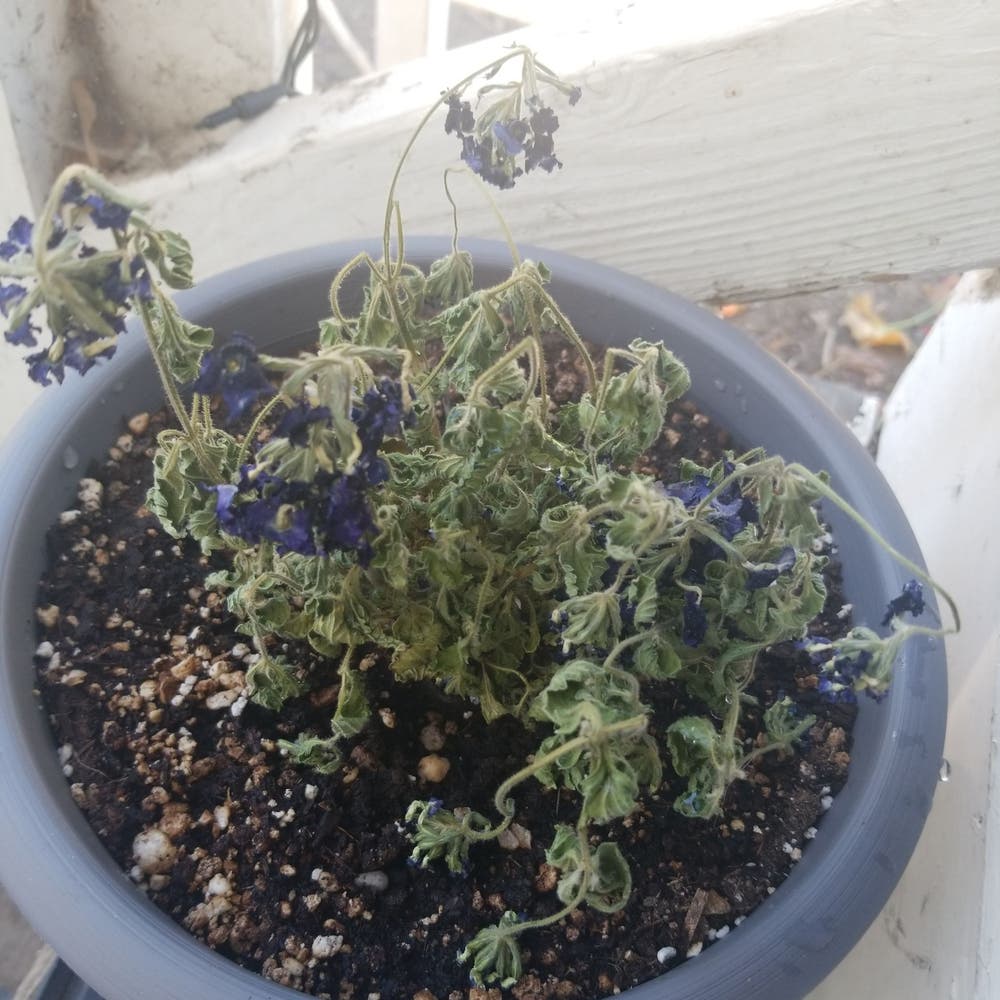
🔍 How to Fix Black Spots on Your Verbena 'Endurascape White'
Verbena 'Endurascape White'
By the Greg Editorial Team
Oct 15, 2024•6 min read
This article was created with the help of AI so we can cover more plants for you. May contain errors. See one? Report it here.
Revitalize your Verbena 🌱 by uncovering the secrets to preventing and treating those stubborn black spots!
- 🌱 Black spots on Verbena are caused by fungi, bacteria, pests, or overwatering.
- 🦠 Identify the type of spot to choose the right treatment method effectively.
- 🌬️ Improve air circulation and drainage to prevent black spots and promote plant health.
Causes of Black Spots
🦠 Fungal Infections
Fungal infections are a primary culprit behind black spots on your Verbena 'Endurascape White.' Common diseases like Cercospora leaf spot manifest as dark, circular spots surrounded by yellow halos, thriving in high humidity and poor air circulation.
🦠 Bacterial Infections
Bacterial leaf spot can also lead to unsightly black spots. These irregular, often water-soaked patches can spread quickly through contaminated tools or splashing water, making vigilance essential.
🌧️ Environmental Stress
Overwatering is a frequent issue that can cause wilting and yellowing leaves, along with those dreaded black spots. Proper soil drainage is crucial for maintaining healthy Verbena plants.
Poor drainage can lead to root rot, which not only weakens the plant but also increases susceptibility to fungal infections. Ensuring your Verbena has the right drainage can make all the difference.
🐛 Pest Infestations
Pests like aphids and spider mites can wreak havoc on your Verbena. Aphids leave curled leaves and sticky residue, while spider mites create fine webbing and stippled leaves, both of which weaken the plant and make it more vulnerable to diseases.
Understanding these causes is the first step in addressing black spots on your Verbena. Next, we’ll dive into how to diagnose these issues effectively.
Diagnosing Black Spots
🕵️♂️ Identifying Symptoms
To effectively diagnose black spots on your Verbena 'Endurascape White', start by examining the visual characteristics of the spots. Look for variations in size, shape, and color, and note any signs of leaf wilting or curling.
🔍 Differentiating Issues
Understanding whether the issue is fungal or bacterial is crucial. Fungal spots are typically circular and may have yellow halos, while bacterial spots appear irregular and often have a water-soaked look.
🌧️ Assessing Environmental Factors
Next, evaluate your watering practices. Consider how frequently and how much water you provide, as both can contribute to the problem.
🕳️ Checking Soil Drainage
Soil drainage plays a significant role in plant health. Assess the texture and composition of your soil to ensure it allows for proper drainage.
☀️ Sunlight Exposure
Finally, ensure your Verbena is receiving adequate sunlight. Aim for at least 6-8 hours of full sun daily to promote robust health and resilience against diseases.
By carefully diagnosing these aspects, you can pinpoint the cause of the black spots and take appropriate action. This foundational understanding will set you up for effective treatment and prevention strategies.
Treatment Options
🌱 Organic Fungicides and Bactericides
To combat black spots on your Verbena 'Endurascape White', consider using organic fungicides and bactericides. Neem oil and copper-based fungicides are effective choices, and you should apply them every 7-14 days as needed.
🏡 Homemade Remedies
If you prefer a DIY approach, a baking soda solution can work wonders. Mix 1 tablespoon of baking soda, 1 teaspoon of liquid soap, and 1 gallon of water, then spray it on the affected leaves every 1-2 weeks.
✂️ Pruning Affected Leaves
Pruning is essential for maintaining plant health. Follow these steps for effective pruning:
- Use clean, sharp scissors.
- Remove all affected leaves.
- Dispose of leaves properly to prevent the spread of disease.
💧 Adjusting Watering Practices
Watering practices play a crucial role in plant health. Water deeply but infrequently, allowing the soil to dry out between waterings to prevent overwatering issues.
By implementing these treatment options, you can help your Verbena thrive and reduce the risk of future black spots. Next, let’s explore preventive measures to keep your plants healthy year-round.
Preventive Measures
Proper Watering Techniques 🌊
Watering your Verbena 'Endurascape White' correctly is crucial for preventing black spots. Aim to water early in the day to minimize humidity, which can foster fungal growth.
Using drip irrigation or soaker hoses allows for targeted watering, ensuring that moisture reaches the roots without saturating the leaves. This method helps maintain a healthy balance in your plants.
Ensuring Good Air Circulation 🌬️
Good air circulation is vital for plant health. Space your Verbena plants 12-18 inches apart to promote airflow and reduce the risk of disease.
Avoid overcrowding in containers, as this can trap moisture and create a breeding ground for pests and fungi. Proper spacing not only helps with air circulation but also allows your plants to thrive.
Soil Health and Drainage Improvement 🏞️
Enhancing soil drainage is another key preventive measure. Use a well-draining potting mix to ensure excess water can escape, preventing root rot.
Incorporating perlite or sand into your soil can improve aeration, allowing roots to breathe and absorb nutrients more effectively. Healthy soil is the foundation for vibrant plants.
Choosing Disease-Resistant Varieties 🦠
Selecting disease-resistant varieties of Verbena can significantly reduce the risk of fungal and bacterial infections. These varieties are bred to withstand common ailments, making your gardening experience more enjoyable.
Examples of resistant Verbena varieties include 'Endurascape White,' which is known for its resilience. Choosing the right plants can save you time and effort in the long run.
By implementing these preventive measures, you can create a thriving environment for your Verbena. This proactive approach not only enhances plant health but also minimizes the chances of encountering black spots in the future.
Next, let’s explore seasonal considerations to keep your plants in top shape throughout the year.
Seasonal Considerations
Care During Wet Seasons 🌧️
Managing your Verbena during wet seasons is crucial. High humidity can lead to fungal infections, so increasing air circulation is essential.
Consider using fans or spacing your plants further apart. This helps reduce moisture buildup, which is a breeding ground for fungi.
Adjusting Care in Dry Seasons ☀️
When the heat kicks in, your watering routine needs to adapt. Increase watering during hot, dry spells to keep your Verbena hydrated.
Always monitor soil moisture levels closely. This ensures your plants receive the right amount of water without risking overwatering.
Monitoring Plant Health 🔍
Regular inspections are key to maintaining healthy plants. Check for early signs of black spots or pests to catch issues before they escalate.
Keeping a care log can be incredibly helpful. Documenting changes and treatments allows you to track your Verbena's health over time, making it easier to spot trends and adjust your care routine accordingly.
With these seasonal considerations in mind, you can keep your Verbena thriving year-round. Next, let’s explore effective treatment options to tackle any existing issues.
⚠️ Safety First
This content is for general information and may contain errors, omissions, or outdated details. It is not medical, veterinary advice, or an endorsement of therapeutic claims.
Always consult a qualified healthcare professional before using any plant as food, medicine, or supplement.
Never eat any plant (or feed one to pets) without confirming its identity with at least two trusted sources.
If you suspect poisoning, call Poison Control (800) 222-1222, the Pet Poison Helpline (800) 213-6680, or your local emergency service immediately.
Spotted an error? Please report it here.
Transform your Verbena's health and banish black spots 🌿 with Greg's tailored watering reminders and expert community support to keep your plants thriving!