🔍 What's Eating Your Oak Leaf Philodendron
Philodendron pedatum
By the Greg Editorial Team
Sep 30, 2024•8 min read
This article was created with the help of AI so we can cover more plants for you. May contain errors. See one? Report it here.
Safeguard your stunning Oak Leaf Philodendron 🌿 from hungry herbivores while enhancing your garden's beauty!
- 🌿 Oak Leaf Philodendron attracts herbivores like deer, rabbits, and squirrels—watch for damage!
- 🚫 Effective deterrents include fences, repellents, and reflective objects to protect your plant.
- 🐾 Monitor for signs of herbivores regularly to ensure your Oak Leaf Philodendron thrives.
Description and Appeal
Appearance of Oak Leaf Philodendron 🌿
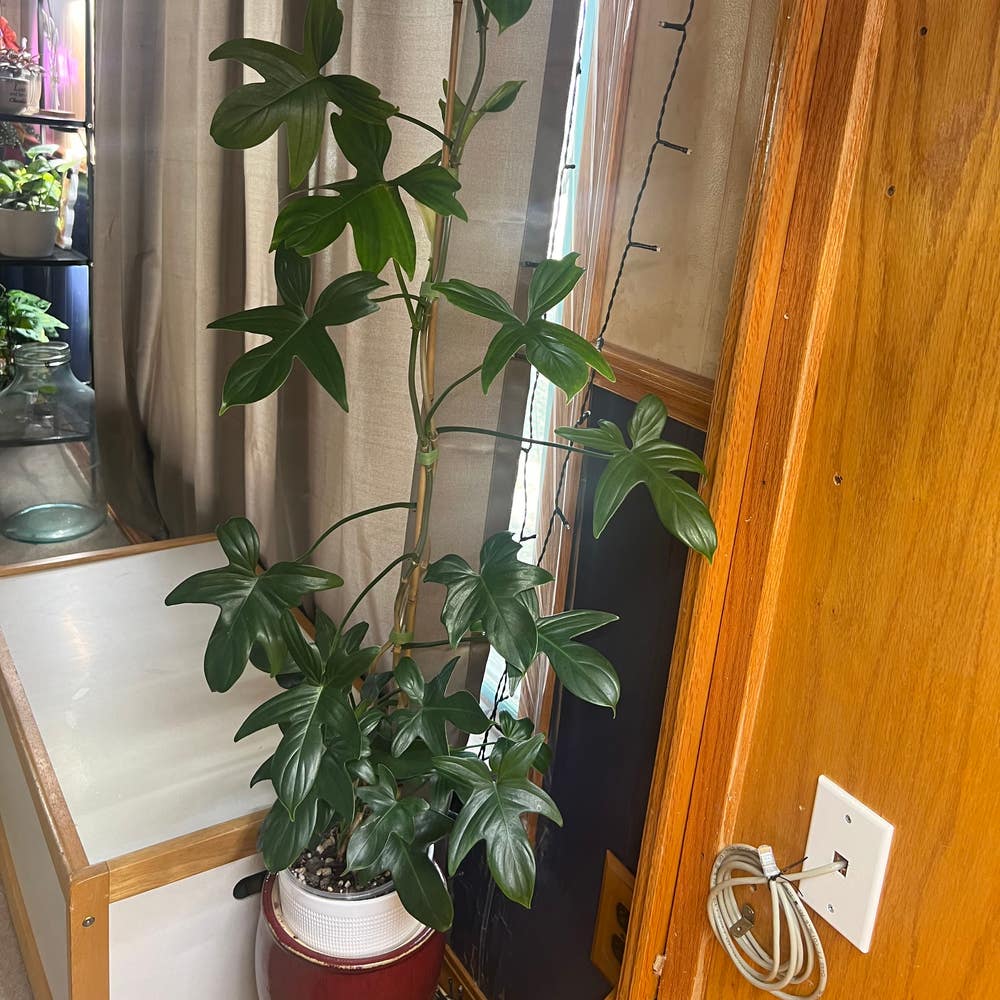
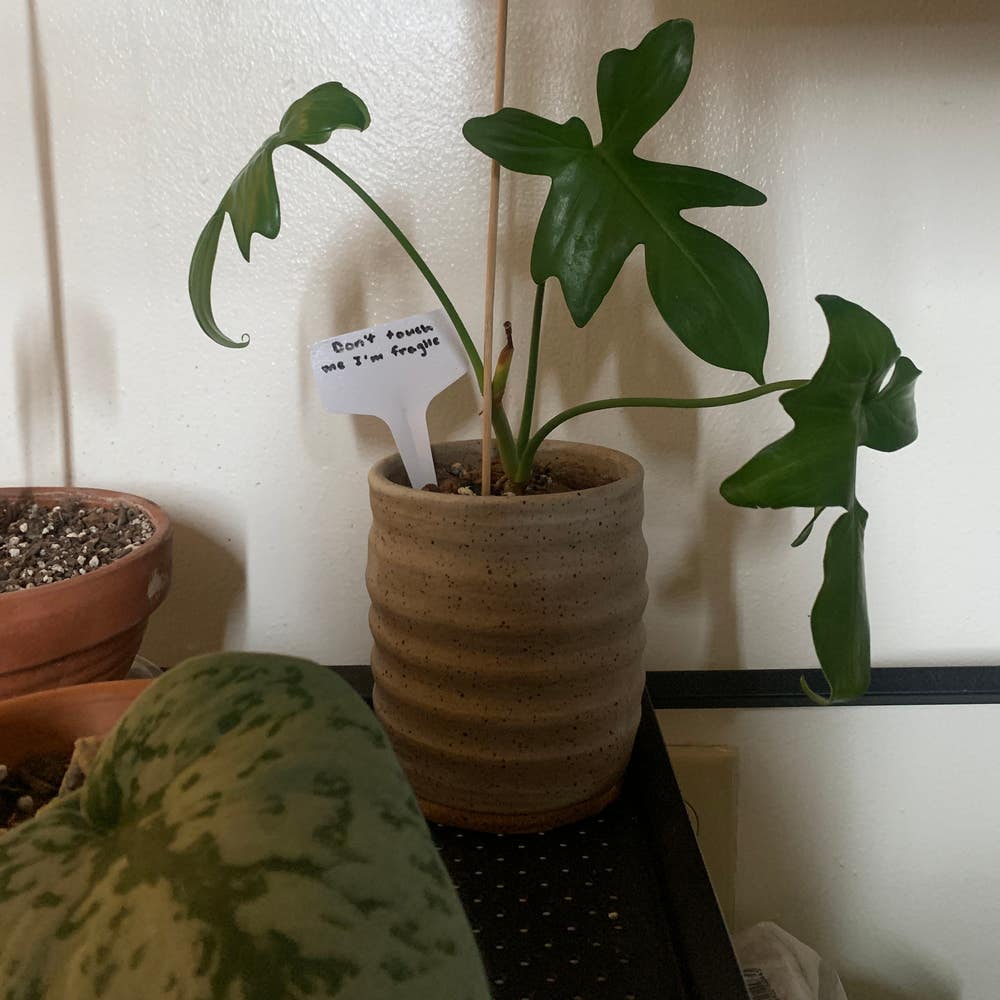
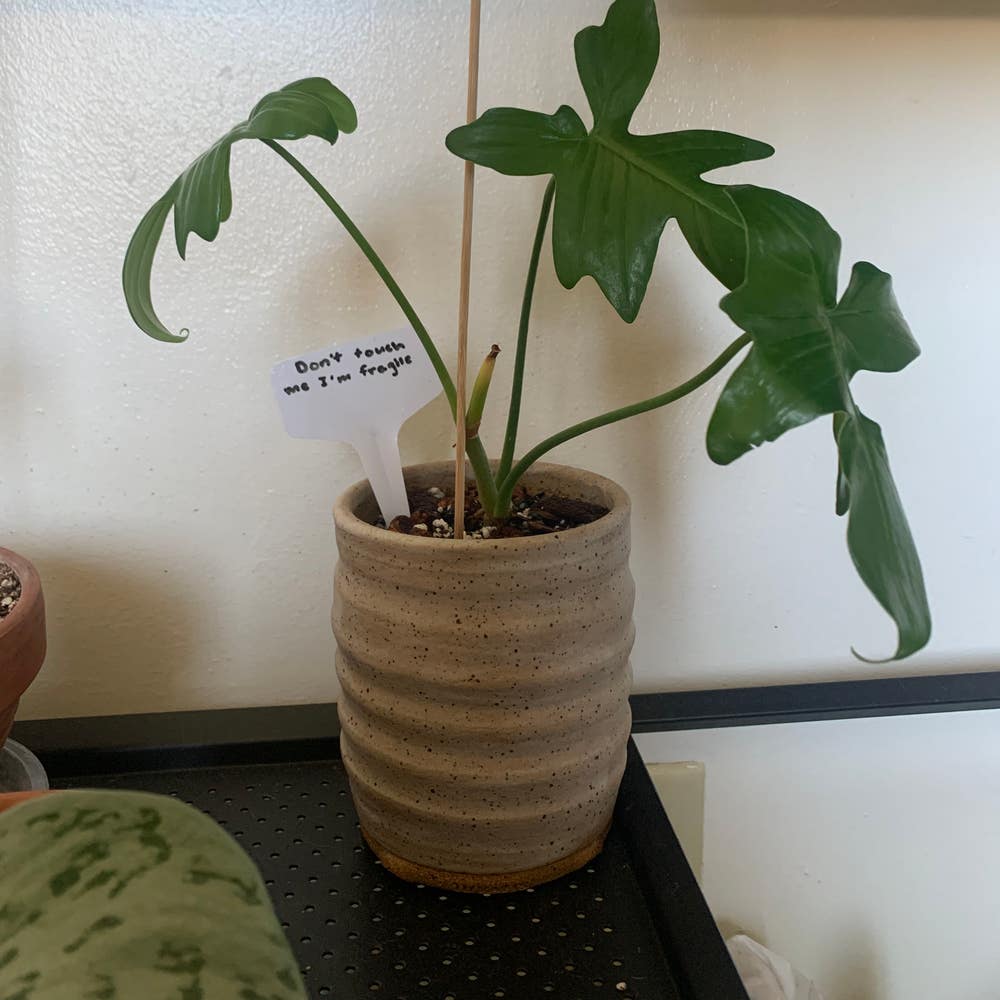
The Oak Leaf Philodendron is a stunning plant, known for its distinctive lobed leaves that closely resemble those of an oak tree. This unique foliage not only adds visual interest but also contributes to its climbing or trailing growth habit, often producing aerial roots that enhance its exotic appeal.
Most Appealing Parts to Animals 🐾
Herbivores are particularly drawn to the Oak Leaf Philodendron for several reasons. Young shoots have a tender texture that makes them irresistible, while the lush leaves provide a feast for various animals. Additionally, the aerial roots can attract nesting animals, making this plant a hotspot in your garden.
This combination of beauty and allure can create challenges for gardeners, as the very features that make the Oak Leaf Philodendron appealing to us also attract a range of herbivores. Understanding these dynamics is crucial for maintaining the health of your plant while enjoying its aesthetic benefits.
As we explore the common herbivores that may target your Oak Leaf Philodendron, it's essential to consider both the beauty of the plant and the potential threats it faces in your garden.
Common Herbivores
🦌 Deer
Signs of presence
Look for hoof prints in muddy areas and pellet-like droppings near your Oak Leaf Philodendron. These signs indicate that deer are frequent visitors.
Type of damage
Deer love to browse on leaves, stripping them away and leading to stunted growth. This can significantly weaken your plant over time.
Beneficial or harmful interaction
Interactions with deer are generally harmful. They can decimate foliage, leaving your plant vulnerable and stressed.
Deterrent methods (difficulty: moderate)
To keep deer at bay, consider erecting 8-foot tall fences. You can also use commercial deer repellents or homemade solutions like garlic spray to deter them.
🐇 Rabbits
Signs of presence
Rabbits leave behind clean cuts on stems and leaves, along with small, round droppings near the plant. These signs can help you identify their presence.
Type of damage
Rabbits gnaw on stems and leaves, which can lead to significant plant damage. Their feeding habits can quickly affect the health of your Oak Leaf Philodendron.
Beneficial or harmful interaction
Rabbits are generally harmful to your plant. Their appetite can severely impact its overall health.
Deterrent methods (difficulty: easy)
To protect your plants, use netting to cover them and prevent rabbit access. Natural repellents like peppermint or cayenne can also help keep them away.
🐿️ Squirrels
Signs of presence
Look for irregular holes in the foliage and nests visible in nearby trees. These are clear indicators that squirrels are around.
Type of damage
Squirrels tend to eat young shoots, which can hinder new growth. This can lead to reduced vigor in your Oak Leaf Philodendron.
Beneficial or harmful interaction
Squirrels are generally harmful. Their feeding can weaken your plant and stunt its development.
Deterrent methods (difficulty: moderate)
To deter squirrels, use reflective objects or noise-making devices. You can also set up humane traps to relocate them if necessary.
🐦 Birds
Signs of presence
Feathers found near the plant and nests in nearby trees are signs that birds are nearby. Their presence can be both beneficial and detrimental.
Type of damage
Birds may peck at leaves, causing holes and damage to the foliage. This can affect the plant's aesthetic and health.
Beneficial or harmful interaction
Bird interactions are mixed. While some birds help control pests, others can cause damage to your plants.
Deterrent methods (difficulty: easy)
Use decoys to scare birds away or hang reflective objects like aluminum foil to deter pecking. These methods can help protect your Oak Leaf Philodendron.
🐭 Rodents (mice, voles)
Signs of presence
Look for visible burrows or pathways in the soil, along with small, dark droppings near the plant. These signs indicate rodent activity.
Type of damage
Rodents gnaw on roots, which can lead to plant decline. Their feeding habits can severely affect the health of your Oak Leaf Philodendron.
Beneficial or harmful interaction
Rodents are generally harmful. Their presence can significantly impact your plant's vitality.
Deterrent methods (difficulty: moderate)
To manage rodent populations, set up snap traps or live traps for removal. Additionally, modify the habitat by removing debris and tall grass to reduce nesting sites.
Understanding these common herbivores and their impact on your Oak Leaf Philodendron is crucial. By implementing effective deterrent methods, you can protect your plant and ensure its health. Next, let’s explore the beneficial animals that can enhance your garden ecosystem.
Beneficial Animals
Pollinators: The Garden's Best Friends 🐝
Bees and butterflies are drawn to the Oak Leaf Philodendron, playing a crucial role in plant reproduction. Their visits not only enhance the beauty of your garden but also ensure that your plants thrive.
Natural Pest Controllers 🐞
Predatory insects, such as ladybugs and lacewings, are attracted to the lush foliage of the Oak Leaf Philodendron. These beneficial creatures help keep harmful pests in check, creating a healthier garden ecosystem.
Enhancing Biodiversity 🌱
The presence of beneficial animals contributes to a balanced environment. By attracting a variety of species, you promote biodiversity, which is essential for a resilient garden.
Promoting Healthy Plant Growth 🌼
Pollination is vital for the growth and reproduction of many plants. With the help of pollinators, your Oak Leaf Philodendron can flourish, leading to more vibrant foliage and a thriving garden.
A Balanced Ecosystem 🌍
Encouraging beneficial animals not only supports your plants but also fosters a harmonious garden. This balance helps create a sustainable environment where both plants and animals can thrive together.
Incorporating these beneficial animals into your gardening strategy can lead to a flourishing ecosystem. Next, let’s explore effective protection strategies to safeguard your Oak Leaf Philodendron from potential threats.
Protection Strategies
🛡️ Preventive Measures
To keep your Oak Leaf Philodendron safe, regular monitoring is essential. Check for signs of herbivore activity, like chewed leaves or droppings, to catch issues early.
Another effective strategy is plant placement. Situating your Philodendron in less accessible areas can deter many hungry animals from reaching it.
⚠️ Reactive Solutions
When damage occurs, an immediate response is crucial. Use deterrents as soon as you notice any signs of nibbling or pecking.
Repairing damage is equally important. Pruning affected areas not only helps the plant recover but also encourages new growth.
🌱 Maintaining a Balanced Ecosystem
Creating a balanced garden ecosystem is vital while deterring herbivores. Encourage beneficial insects that help control pests, ensuring a healthier environment for your plants.
Companion planting can also be a game-changer. By diversifying your garden, you create a more resilient ecosystem that naturally deters harmful animals while promoting overall plant health.
These strategies will help you protect your Oak Leaf Philodendron effectively, allowing it to thrive in your garden. Next, let’s explore seasonal considerations that can impact your plant's vulnerability.
Seasonal Considerations
🌱 Seasonal Variations in Animal Attraction
As the seasons change, so does the activity around your Oak Leaf Philodendron. In spring, animals emerge from hibernation, leading to increased herbivore activity. This is the time when young shoots are particularly appealing, as they offer tender, nutritious foliage.
⏰ Timing of Plant Vulnerability
Understanding the timing of plant vulnerability is crucial for effective protection. During summer, those young shoots are at their most vulnerable, making them prime targets for hungry animals.
🔍 Monitoring Growth Cycles
Regularly monitoring growth cycles helps you anticipate potential herbivore interactions. By keeping an eye on your plant's development, you can adjust protective measures accordingly.
🛡️ Adjusting Protective Measures
Be proactive in your approach. If you notice increased animal activity, consider implementing deterrents or relocating your plants to less accessible areas. This way, you can enjoy the beauty of your Oak Leaf Philodendron while minimizing damage from eager herbivores.
With these seasonal insights, you can better protect your plants and foster a thriving garden ecosystem. Next, let’s explore how to ensure the safety of your Oak Leaf Philodendron from potential toxicity issues.
Toxicity and Safety
🐾 Understanding Toxicity in Oak Leaf Philodendron
The Oak Leaf Philodendron is known for its mild toxicity, which can lead to gastrointestinal upset in pets and livestock. While it’s not lethal, consuming the plant can cause discomfort, so it's essential to be aware of its effects.
🐴 Implications for Herbivores
Educating gardeners about the risks associated with Oak Leaf Philodendron is crucial. Understanding these potential hazards helps in making informed decisions about plant placement and care.
👀 Monitoring Animal Behavior
Keep an eye on your pets or livestock for any signs of distress after they’ve been near the plant. Recognizing symptoms early can prevent more serious health issues and ensure a safe environment for all.
🌱 Safe Practices for Gardeners
To mitigate risks, consider placing the Oak Leaf Philodendron in areas less accessible to pets. This simple step can help protect your furry friends while still enjoying the beauty of this unique plant.
📜 Conclusion
Being aware of the toxicity of the Oak Leaf Philodendron allows gardeners to create a safer environment. By monitoring animal behavior and educating ourselves, we can enjoy our gardens without worry.
Next, let’s explore the seasonal considerations that affect the Oak Leaf Philodendron and its interactions with wildlife.
⚠️ Safety First
This content is for general information and may contain errors, omissions, or outdated details. It is not medical, veterinary advice, or an endorsement of therapeutic claims.
Always consult a qualified healthcare professional before using any plant as food, medicine, or supplement.
Never eat any plant (or feed one to pets) without confirming its identity with at least two trusted sources.
If you suspect poisoning, call Poison Control (800) 222-1222, the Pet Poison Helpline (800) 213-6680, or your local emergency service immediately.
Spotted an error? Please report it here.
Keep your Oak Leaf Philodendron thriving 🌿 by using Greg's tailored care tips and reminders to fend off pesky herbivores and ensure your plant flourishes!