🍃 Oak Leaf Philodendron Varieties that Belong in Your Garden
Philodendron pedatum
By the Greg Editorial Team
Sep 30, 2024•5 min read
This article was created with the help of AI so we can cover more plants for you. May contain errors. See one? Report it here.
Unlock the beauty of Oak Leaf Philodendrons 🌱 with unique cultivars that transform your space into a lush paradise!
- 🌿 Explore diverse Oak Leaf Philodendron cultivars for unique beauty and care needs.
- 🌈 Rare varieties offer stunning colors and shapes, enhancing your garden's aesthetics.
- 🏡 Plan garden layout considering size and growth habits of chosen Philodendron types.
Popular Cultivars
🌿 Notable Cultivars
When it comes to Oak Leaf Philodendrons, several cultivars stand out for their unique beauty and ease of care. The Philodendron 'Micans' is a favorite, boasting velvety, heart-shaped leaves that shimmer in the light, making it a stunning addition to any indoor space.
Another popular choice is the Philodendron 'Brasil', known for its striking green and yellow variegation. This cultivar not only adds a splash of color but also thrives in various lighting conditions, appealing to both novice and experienced gardeners.
📊 Comparison of Popular Cultivars
Each cultivar has its own distinct characteristics that cater to different aesthetic preferences. For instance, the 'Micans' features smaller, more compact leaves, while the 'Brasil' showcases larger, elongated foliage.
In terms of growth habits, the 'Micans' tends to be more trailing, perfect for hanging baskets, whereas the 'Brasil' grows upright, making it ideal for decorative pots. Understanding these differences can help you choose the right cultivar for your garden or home.
Rare Varieties
Identification of Rare Varieties 🌿
Rare varieties of Oak Leaf Philodendron stand out due to their unique characteristics. These plants often feature distinct leaf shapes, unusual colors, or growth habits that set them apart from more common cultivars.
Look for traits like irregular leaf patterns or striking variegation. These features not only enhance their visual appeal but also make them a conversation starter in any garden.
Cultivation Challenges 🌱
Growing rare Oak Leaf Philodendron can be rewarding but comes with its own set of challenges. These varieties often require specific care conditions, such as humidity levels and light exposure, that differ from standard cultivars.
To successfully cultivate these unique plants, ensure you provide the right environment. Regularly monitor moisture levels and consider using a humidity tray to maintain optimal conditions.
Sourcing rare varieties can also be tricky. Check specialized nurseries or online plant shops that focus on unique cultivars.
Maintaining these plants involves patience and attention. Regular pruning and monitoring for pests can help keep your rare varieties thriving.
As you explore the world of rare Oak Leaf Philodendron, you'll discover a fascinating array of plants that can elevate your garden's aesthetic. Next, let's delve into hybrid varieties and their unique characteristics.
Hybrid Varieties
🌱 Overview of Hybrid Varieties
Hybrid varieties of the Oak Leaf Philodendron are created by crossbreeding two or more parent plants. This process results in unique traits that can enhance both aesthetics and resilience.
Notable hybrids include the 'Philodendron gloriosum' and 'Philodendron bipinnatifidum.' These hybrids often showcase vibrant foliage and distinct growth patterns that set them apart from traditional cultivars.
🌿 Unique Growth Habits
Hybrid varieties often exhibit unique growth habits compared to their non-hybrid counterparts. For instance, some hybrids may grow more compactly, making them ideal for smaller spaces.
Care considerations for hybrids can vary. They may require specific light conditions or humidity levels to thrive, so understanding their needs is crucial for successful cultivation.
In summary, hybrid Oak Leaf Philodendrons offer exciting options for gardeners looking to diversify their plant collections. With their unique traits and specific care requirements, they can be a rewarding addition to any garden.
Color Variations
🌿 Green Varieties
Deep green Oak Leaf Philodendron varieties are the backbone of many gardens. Their lush foliage creates a vibrant backdrop, making them a favorite among gardeners.
These standard green varieties thrive in various lighting conditions, adding versatility to landscaping. Their rich color not only enhances aesthetic appeal but also promotes a sense of tranquility.
🎨 Variegated Varieties
Variegated cultivars bring a splash of excitement to any garden. With their striking patterns of green and cream or yellow, they stand out and draw the eye.
These unique color patterns can transform a mundane space into a visual masterpiece. The contrast in colors adds depth and interest, making variegated varieties a popular choice for decorative arrangements.
🌈 Unique Color Patterns
Less common color variations, such as those with hints of pink or red, offer a fresh twist on traditional foliage. These unique patterns can elevate your garden's style and create focal points.
However, these variations often come with specific care requirements. Understanding how to care for these unique plants ensures they thrive and continue to impress in your garden.
As you explore the vibrant world of Oak Leaf Philodendron color variations, consider how each type can enhance your outdoor space. Next, we'll dive into the size differences among these captivating cultivars.
Size Differences
🌱 Small vs. Large Cultivars
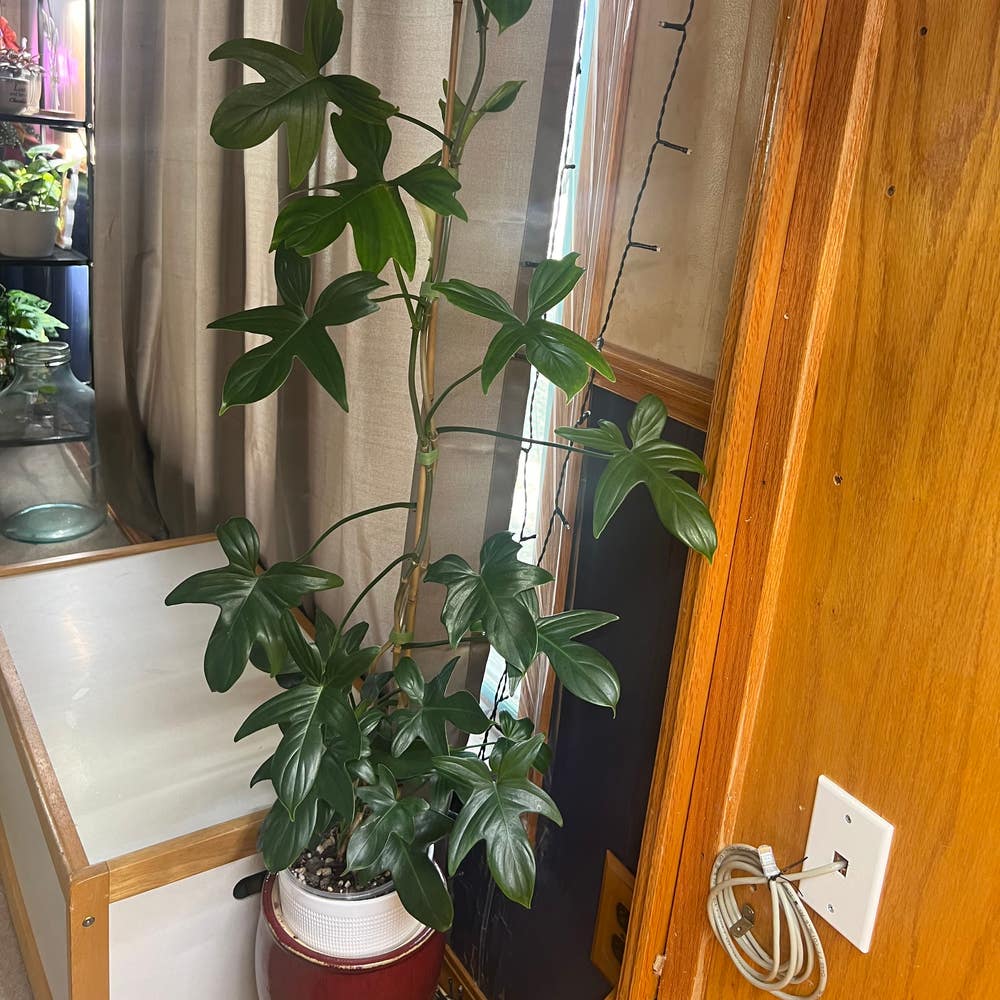
When it comes to Oak Leaf Philodendrons, size matters. Small cultivars, like the 'Mini Oak Leaf', typically reach heights of 1 to 2 feet, making them perfect for compact spaces or indoor settings.
In contrast, large cultivars such as 'Philodendron bipinnatifidum' can grow up to 6 feet tall, ideal for creating a dramatic focal point in your garden. Their expansive leaves not only add visual interest but also provide ample shade.
📏 Growth Habits and Maturity
The size of your Oak Leaf Philodendron significantly influences its growth habits. Smaller varieties tend to be more bushy and compact, thriving in pots or smaller garden beds.
Larger cultivars, however, often exhibit a more sprawling growth pattern. They can take several years to reach their full potential, with maturity timelines ranging from 3 to 5 years for smaller types and up to 7 years for larger ones. Understanding these growth habits helps you plan your garden layout effectively.
As you consider which size to incorporate into your garden, think about the space you have and the aesthetic you want to achieve. This will guide you in selecting the perfect Oak Leaf Philodendron for your green oasis.
⚠️ Safety First
This content is for general information and may contain errors, omissions, or outdated details. It is not medical, veterinary advice, or an endorsement of therapeutic claims.
Always consult a qualified healthcare professional before using any plant as food, medicine, or supplement.
Never eat any plant (or feed one to pets) without confirming its identity with at least two trusted sources.
If you suspect poisoning, call Poison Control (800) 222-1222, the Pet Poison Helpline (800) 213-6680, or your local emergency service immediately.
Spotted an error? Please report it here.
Transform your garden with stunning Oak Leaf Philodendrons 🌱 and let Greg provide tailored care tips to help your plants flourish effortlessly!