How to Cure Brown Spots on Your Oak Leaf Philodendron 🐞
Philodendron pedatum
By the Greg Editorial Team
Sep 30, 2024•6 min read
This article was created with the help of AI so we can cover more plants for you. May contain errors. See one? Report it here.
Revive your Oak Leaf Philodendron from brown spots 🌱 and unlock its full potential with expert care tips! 🌿
- 🌧️ Brown spots arise from overwatering, underwatering, pests, or nutrient deficiencies.
- 🦠 Fungal infections thrive in humidity; improve air circulation to prevent them.
- 🌱 Regular inspections and balanced fertilization promote healthy Oak Leaf Philodendrons.
Causes of Brown Spots
💧 Overwatering and Root Rot
Overwatering is a common issue for Oak Leaf Philodendrons. Symptoms include yellowing leaves, mushy stems, and, of course, those pesky brown spots.
Root rot often follows poor soil drainage and excessive moisture. This condition severely impacts leaf health, leading to further deterioration if not addressed promptly.
🚰 Underwatering and Leaf Dehydration
On the flip side, underwatering can also cause brown spots. Look for crispy leaf edges, drooping leaves, and similar discoloration.
Consistent watering is crucial for maintaining leaf structure and function. Dehydration can weaken your plant, making it more susceptible to other issues.
🍄 Fungal Infections and Diseases
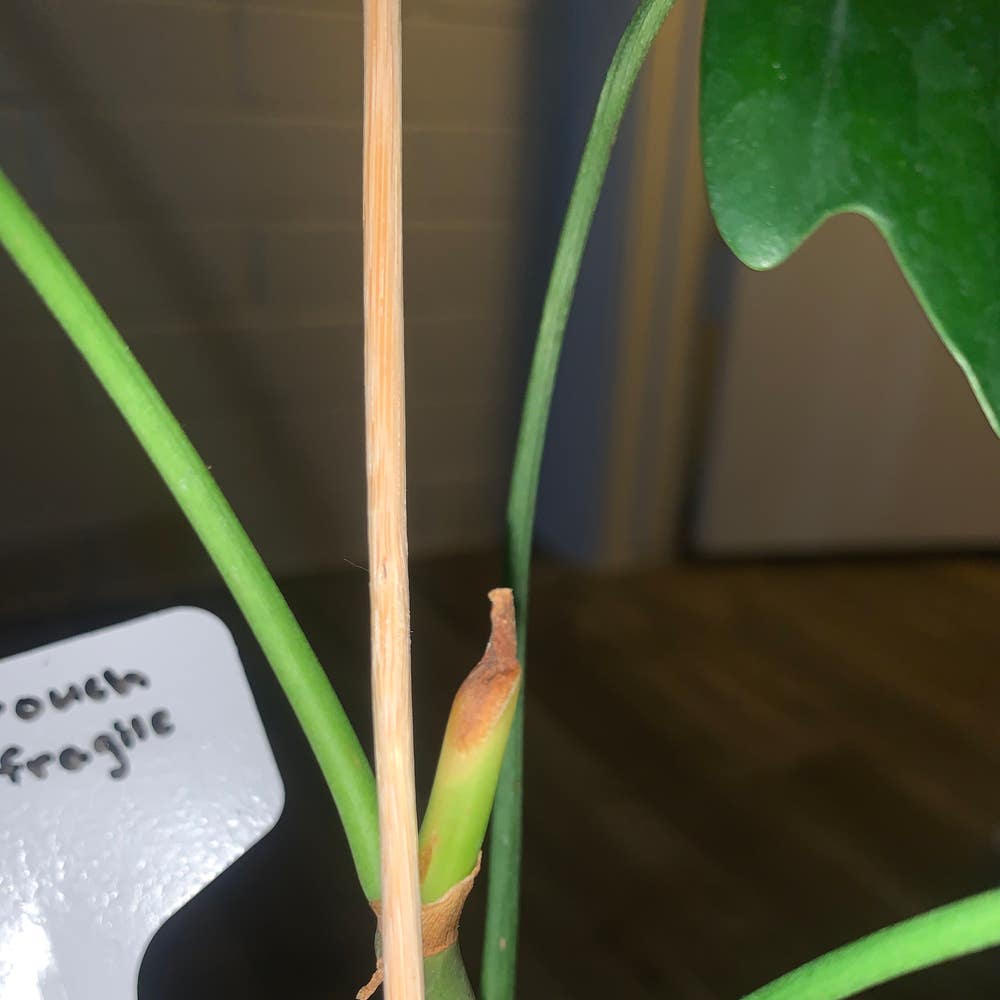
Fungal diseases are another culprit behind brown spots. Leaf spot disease is particularly common, characterized by dark lesions that can spread rapidly.
High humidity and poor air circulation create ideal conditions for fungal growth. Keeping your plant's environment in check can help prevent these infections.
🐜 Pest Infestations
Pests like spider mites and aphids can wreak havoc on your Oak Leaf Philodendron. Signs of infestation include webbing, sticky residue, and visible leaf damage.
These pests contribute to brown spots by draining the plant's vitality. Regular inspections can help catch infestations early.
🌱 Nutrient Deficiencies
Nutrient deficiencies, especially in nitrogen and potassium, can lead to browning leaves. Stunted growth is another telltale sign of a nutrient imbalance.
Balanced fertilization is essential for maintaining leaf health. Ensuring your plant gets the right nutrients can prevent these issues from arising.
Understanding these causes is the first step in addressing brown spots effectively. Next, we’ll explore how to diagnose these problems accurately.
Diagnosing Brown Spots
🧐 Identifying Symptoms of Overwatering vs. Underwatering
Diagnosing brown spots on your Oak Leaf Philodendron starts with understanding the symptoms of overwatering and underwatering.
- Overwatering typically presents as soft, yellowing leaves that may feel mushy to the touch.
- In contrast, underwatering leads to dry, crispy edges on the leaves, often accompanied by drooping.
🐛 Recognizing Signs of Pests and Diseases
Next, inspect your plant for any signs of pests or diseases.
Look closely at the leaves for discoloration, webbing, or sticky residue, which may indicate a pest infestation.
For fungal infections, watch for lesions and specific discoloration patterns that can signal trouble.
🌡️ Assessing Environmental Factors
Environmental factors play a crucial role in the health of your Oak Leaf Philodendron.
Ensure your plant receives adequate light, humidity, and temperature.
The ideal conditions help prevent stress, which can lead to those pesky brown spots.
Treatment Options
Adjusting Watering Practices 🌧️
To keep your Oak Leaf Philodendron thriving, establish a consistent watering schedule. During the growing season, water more frequently, while in winter, reduce the frequency based on environmental conditions.
Check the soil moisture regularly to ensure proper watering. If the top inch of soil feels dry, it’s time to water; look for signs like drooping leaves or yellowing to gauge your plant's needs.
Improving Soil Drainage 🕳️
A well-draining soil mix is crucial for your Oak Leaf Philodendron. Combine potting soil with perlite and orchid bark to create an ideal blend that promotes healthy root growth.
When potting, choose containers with drainage holes. This prevents water from accumulating at the bottom, reducing the risk of root rot.
Applying Fungicides for Fungal Infections 🦠
If fungal infections arise, applying the right fungicide can help. Look for products specifically designed for indoor plants, ensuring they are safe for your Oak Leaf Philodendron.
Follow the application instructions carefully, and take necessary safety precautions, such as wearing gloves and a mask to avoid inhaling any spores.
Treating Pests with Insecticidal Soap or Neem Oil 🐜
To combat pests like spider mites or aphids, use insecticidal soap or neem oil. Here’s a simple step-by-step process:
- Identify affected areas on your plant.
- Prepare the solution according to the product instructions.
- Apply it to both sides of the leaves for thorough coverage.
- Repeat as necessary, especially after rain or watering.
Fertilizing to Address Nutrient Deficiencies 🌱
To keep your Oak Leaf Philodendron healthy, use fertilizers with balanced NPK ratios. Look for options that provide nitrogen and potassium, applying them every few weeks during the growing season.
Watch for signs of improvement, such as new growth and vibrant leaf color, to know your plant is responding well to the added nutrients.
These treatment options will help restore your Oak Leaf Philodendron to its full glory. Next, let’s explore preventive measures to keep your plant healthy and thriving long-term.
Preventive Measures
Best Watering Practices 🌊
Maintaining consistent moisture is crucial for your Oak Leaf Philodendron. Consider using the Greg plant care app for reminders to help you stay on track.
Ideal Soil Mix and Potting Techniques 🌱
Creating a well-draining soil mix is essential. A recommended ratio includes potting soil, perlite, and orchid bark to ensure proper drainage.
Repotting can also prevent root issues. Choose a pot with drainage holes and refresh the soil mix every couple of years.
Maintaining Optimal Humidity Levels 💧
Oak Leaf Philodendrons thrive in humidity levels between 50% and 70%. To increase humidity, try using pebble trays or a humidifier.
Regular Inspection for Pests and Diseases 🔍
Regular inspections are key to early detection of pests and diseases. Check your plant every week for signs of trouble, such as discoloration or webbing.
Seasonal Care Adjustments 🌦️
Adjust your care routine based on seasonal changes. In winter, you may need to reduce watering and humidity, while summer might require more frequent checks.
By following these preventive measures, you can keep your Oak Leaf Philodendron healthy and vibrant. Next, let’s explore post-treatment care to ensure your plant recovers beautifully.
Post-Treatment Care
Monitoring Recovery of Affected Leaves 🌱
After treatment, keep an eye on your Oak Leaf Philodendron for signs of recovery. Look for new growth and improved leaf color, which indicate that your plant is bouncing back.
Adjusting Care Routine Based on Plant Response 🔄
As your plant starts to recover, be ready to adjust your care routine. If you notice new growth, consider increasing watering and humidity; if the plant seems stressed, scale back a bit.
When to Prune Damaged Leaves ✂️
Pruning is essential for maintaining plant health. Remove damaged leaves when you see new growth, using clean, sharp tools to prevent infection.
Importance of Cleanliness in Pruning 🧼
Always prioritize cleanliness during pruning. This helps avoid introducing pests or diseases, ensuring your Oak Leaf Philodendron stays healthy and vibrant.
With these post-treatment care tips, your plant will thrive and flourish. Next, let’s explore preventive measures to keep your Oak Leaf Philodendron in top shape.
⚠️ Safety First
This content is for general information and may contain errors, omissions, or outdated details. It is not medical, veterinary advice, or an endorsement of therapeutic claims.
Always consult a qualified healthcare professional before using any plant as food, medicine, or supplement.
Never eat any plant (or feed one to pets) without confirming its identity with at least two trusted sources.
If you suspect poisoning, call Poison Control (800) 222-1222, the Pet Poison Helpline (800) 213-6680, or your local emergency service immediately.
Spotted an error? Please report it here.
Revive your Oak Leaf Philodendron from those pesky brown spots with Greg's tailored care tips 🌿, ensuring you hit the perfect watering schedule and keep your plant thriving!