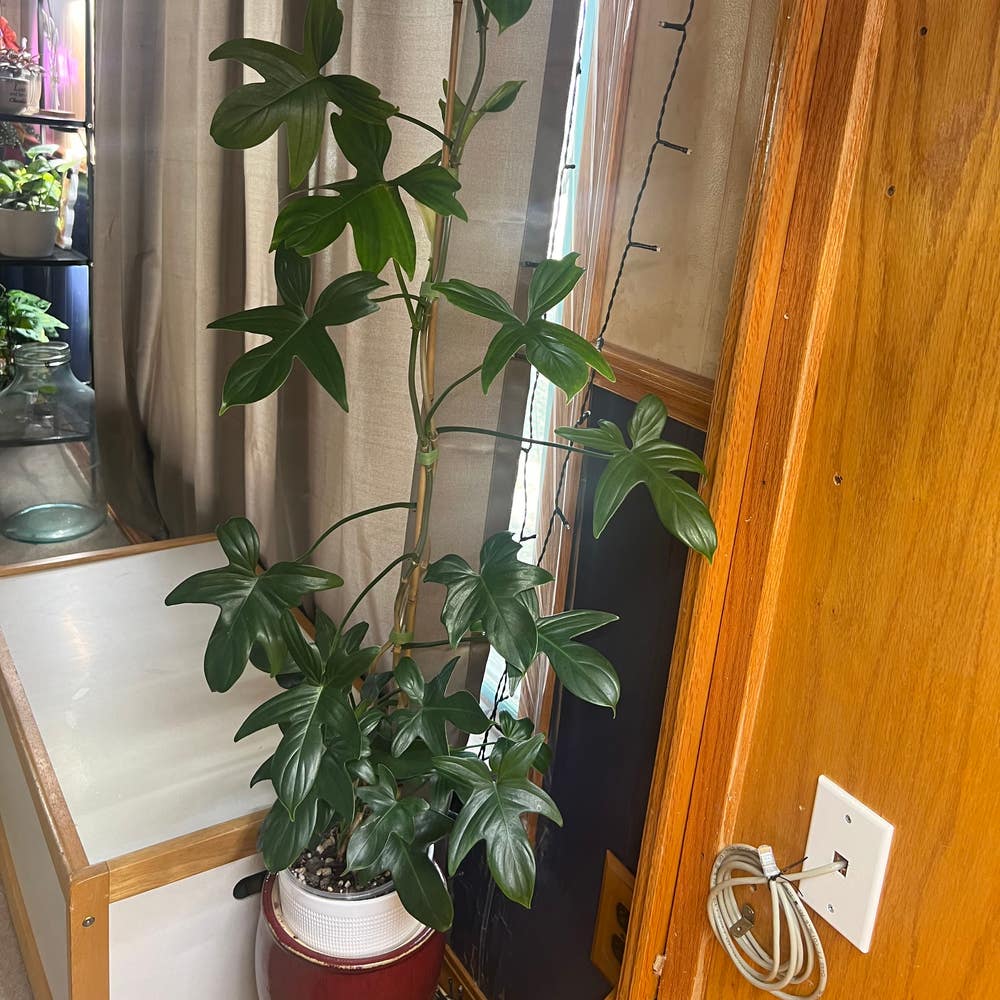
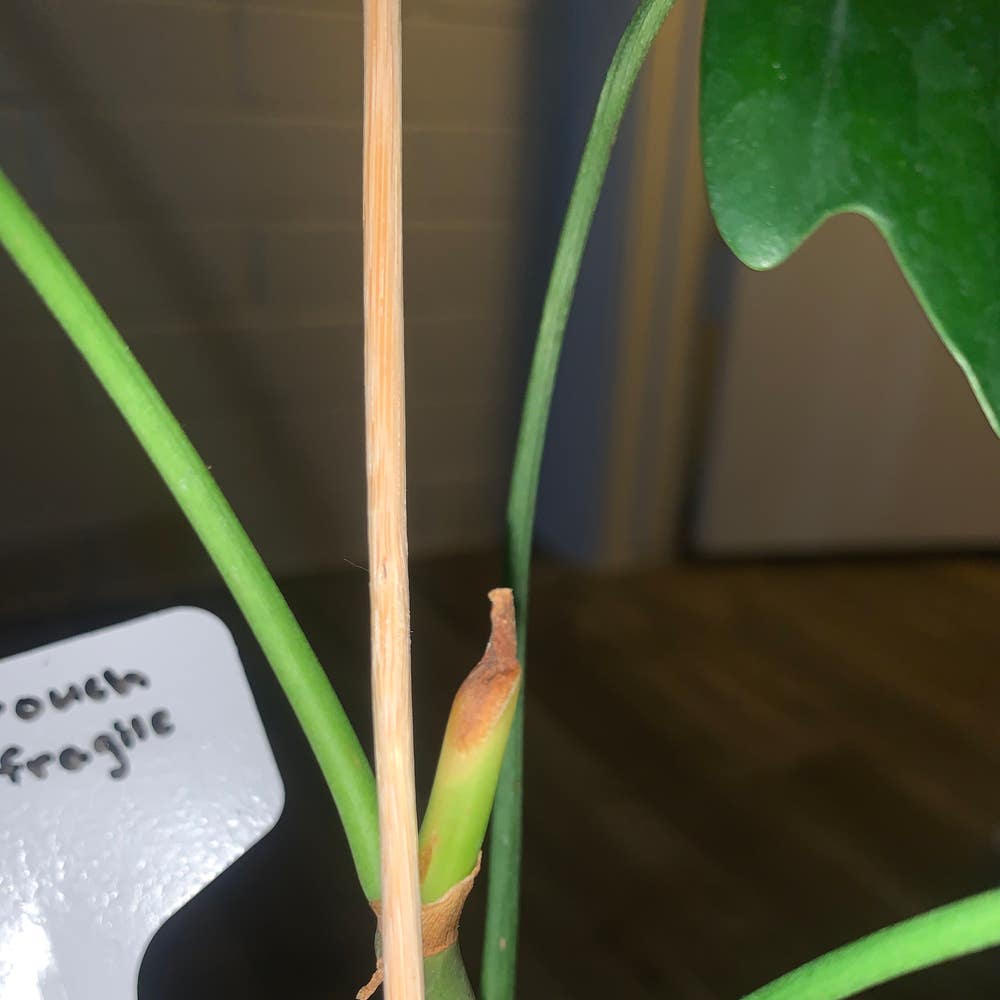
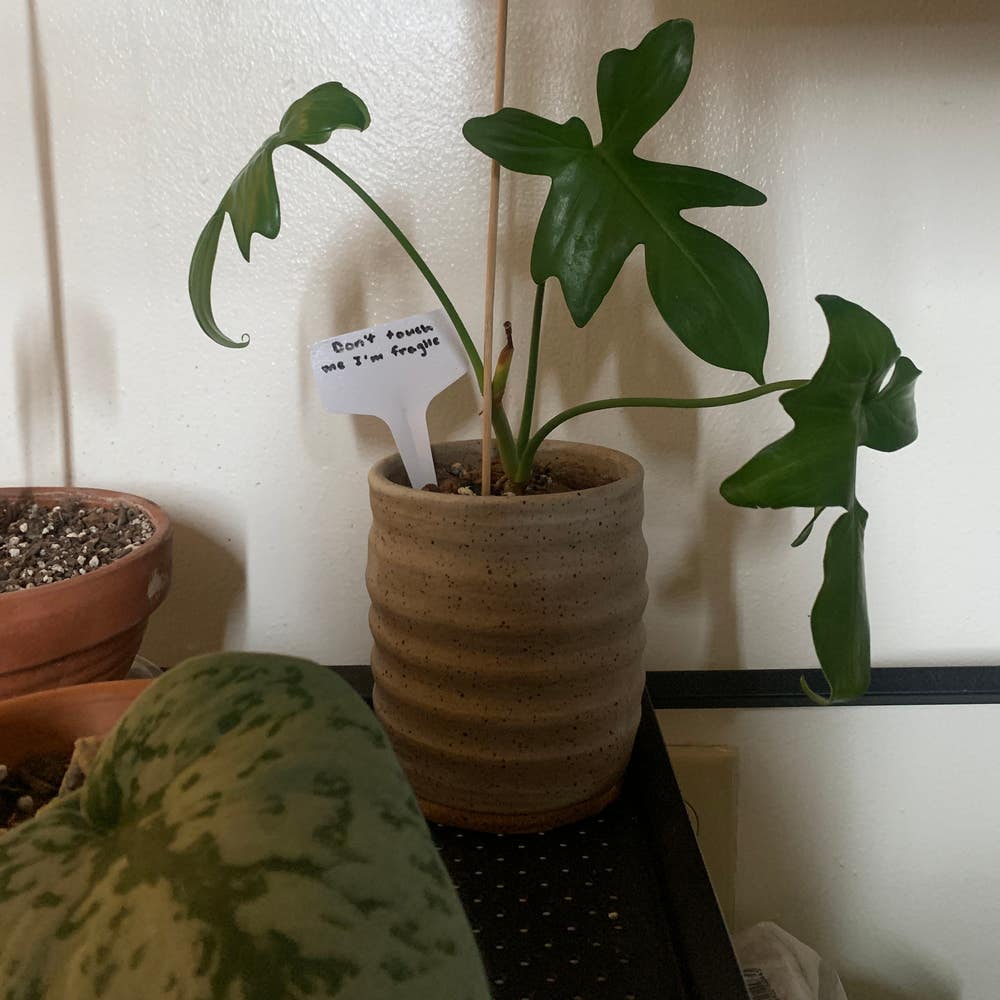
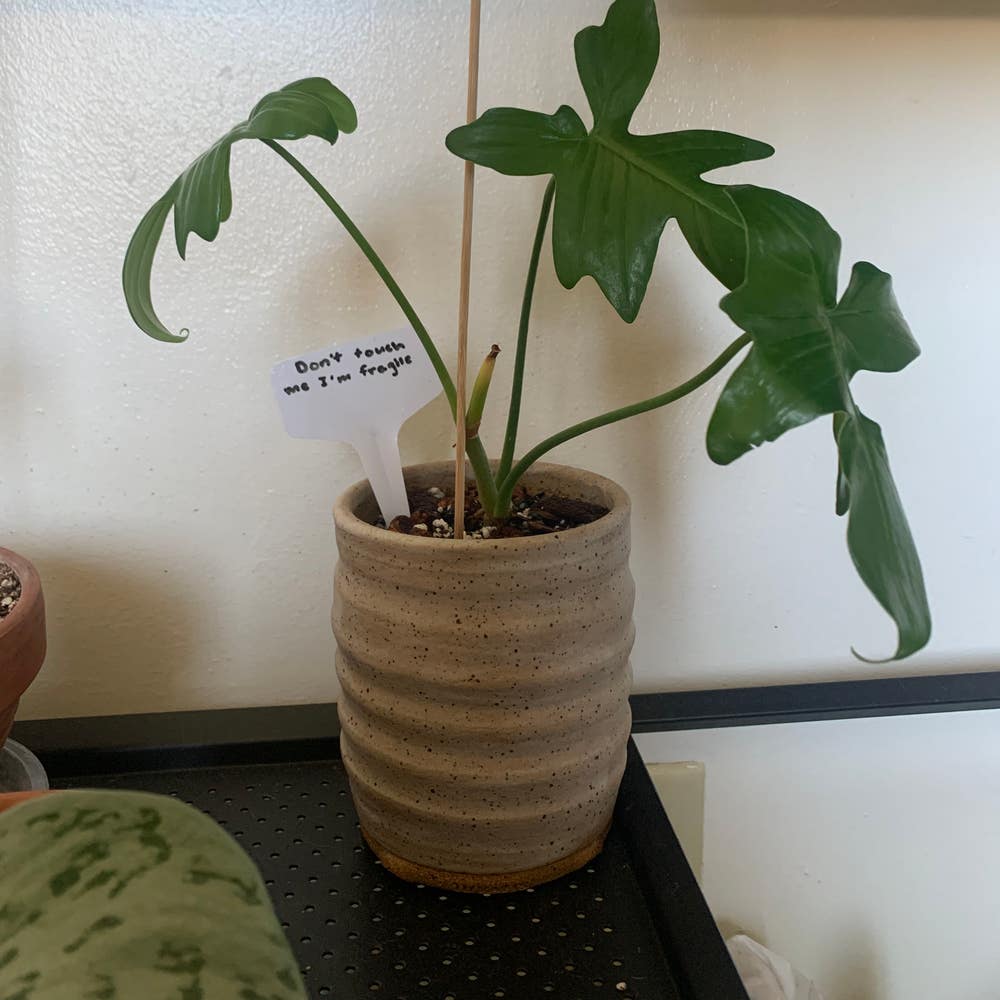
🌞 Why Oak Leaf Philodendron Leaves Turn Yellow
Philodendron pedatum
By the Greg Editorial Team
Sep 30, 2024•4 min read
This article was created with the help of AI so we can cover more plants for you. May contain errors. See one? Report it here.
Transform your Oak Leaf Philodendron's yellowing leaves back to vibrant green with these essential care tips! 🌿
- 💧 Overwatering and underwatering both cause yellowing leaves in Oak Leaf Philodendrons.
- 🌱 Nutrient deficiencies, especially nitrogen and iron, lead to yellowing and stunted growth.
- 🐛 Pest infestations like spider mites require prompt attention to prevent yellowing leaves.
Causes of Yellowing Leaves
💧 Overwatering and Its Effects
Overwatering is a common culprit behind yellowing leaves in Oak Leaf Philodendrons. Symptoms include yellowing leaves, wilting, and even root rot.
Well-draining soil is essential to prevent waterlogging, which can suffocate roots. If you notice a foul smell, mushy roots, or stunted growth, these are clear signs of root rot.
🚰 Underwatering and Its Symptoms
On the flip side, underwatering can also lead to yellowing leaves. Look for dry, crispy leaves and leaf drop as indicators of this issue.
Maintaining consistent moisture is key; you want to keep the soil moist but not soggy. If you start to see new growth and returning leaf color after proper watering, your plant is on the mend.
🥦 Nutrient Deficiencies
Nutrient deficiencies can significantly affect your plant's health, particularly nitrogen and iron.
Nitrogen Deficiency
A nitrogen deficiency often manifests as general yellowing of older leaves and stunted growth. Nitrogen is essential for leaf development and overall plant vigor.
Iron Deficiency
Iron deficiency presents differently, with yellowing occurring between leaf veins while the veins themselves remain green. Iron is crucial for chlorophyll production and photosynthesis, making it vital for your plant's health.
🐜 Pest Infestations
Pest infestations can also lead to yellowing leaves, with spider mites and aphids being common offenders.
Spider Mites
Spider mites create fine webbing and cause stippled leaves, leading to yellowing. To control them, increase humidity, use insecticidal soap, or introduce beneficial insects.
Aphids
Aphids leave a sticky residue on leaves, distort growth, and cause yellowing. Effective control methods include neem oil, insecticidal soap, and manual removal.
Understanding these causes can help you take proactive steps to maintain the health of your Oak Leaf Philodendron. Next, we’ll explore how to diagnose yellow leaves effectively.
Diagnosing Yellow Leaves
Identifying the Type of Yellowing 🌼
Whole leaf yellowing is often a red flag, signaling systemic issues like overwatering or nutrient deficiency. In contrast, tip yellowing typically points to underwatering or nutrient burn, so pay attention to where the yellowing occurs.
Assessing Soil Moisture Levels 💧
To check soil moisture, try the finger test, use a moisture meter, or lift the pot to gauge its weight. Regular moisture checks are vital; they help prevent stress and keep your Oak Leaf Philodendron thriving.
Checking for Pests and Diseases 🐛
Conduct a visual inspection of your plant, looking closely at leaves and stems for any signs of pests. Early detection is crucial; catching issues promptly can save your plant from further damage and ensure its health.
By understanding these diagnostic steps, you can effectively address the yellowing leaves of your Oak Leaf Philodendron. Next, let’s explore treatment solutions to restore your plant’s vibrancy.
Treatment Solutions
Adjusting Watering Practices 🌊
Watering your Oak Leaf Philodendron correctly is crucial. Aim to water when the top inch of soil feels dry to the touch.
Proper drainage is equally important. Always ensure your pots have drainage holes to prevent water accumulation, which can lead to root rot.
Fertilizing for Nutrient Deficiencies 🌱
If your plant shows signs of nutrient deficiencies, consider using a balanced NPK fertilizer. Specific nutrient supplements can also help address particular issues.
Timing matters too. Fertilize during the growing season every 4-6 weeks for optimal results.
Pest Control Methods 🐛
For pest infestations, start with organic options like neem oil, insecticidal soap, or diatomaceous earth. These methods are effective and safer for your plant.
If the infestation is severe, you might need to resort to chemical options. Systemic insecticides can provide a more aggressive solution when necessary.
By implementing these treatment solutions, you can help your Oak Leaf Philodendron thrive. Next, let’s explore preventative measures to keep your plant healthy and vibrant.
Preventative Measures
Best Practices for Watering 🌊
Establishing a consistent watering schedule is crucial for your Oak Leaf Philodendron. Regular checks based on environmental conditions help ensure your plant receives the right amount of moisture.
Using well-draining soil is equally important to prevent root issues. This allows excess water to escape, keeping your plant healthy and thriving.
Soil Selection and Drainage Tips 🪴
Choosing the right soil type can make a significant difference. An aroid mix or potting soil with perlite provides excellent drainage and aeration for your plant's roots.
Additionally, selecting an appropriate pot size is vital. A pot that allows for adequate space promotes healthy root growth and prevents water accumulation.
Regular Monitoring for Pests 🐛
Routine inspections of your plant can catch potential pest problems early. Check leaves and stems weekly for any signs of infestations.
Maintaining cleanliness in the plant area is essential. A tidy environment reduces the likelihood of pests taking up residence in your greenery.
By implementing these preventative measures, you can help ensure your Oak Leaf Philodendron remains vibrant and healthy. Next, let’s explore effective treatment solutions for any yellowing leaves you might encounter.
⚠️ Safety First
This content is for general information and may contain errors, omissions, or outdated details. It is not medical, veterinary advice, or an endorsement of therapeutic claims.
Always consult a qualified healthcare professional before using any plant as food, medicine, or supplement.
Never eat any plant (or feed one to pets) without confirming its identity with at least two trusted sources.
If you suspect poisoning, call Poison Control (800) 222-1222, the Pet Poison Helpline (800) 213-6680, or your local emergency service immediately.
Spotted an error? Please report it here.
Keep your Oak Leaf Philodendron's leaves vibrant green 🌿 by using Greg's tailored watering reminders to maintain consistent moisture and catch pests early!