💧 Humidity Needs for Your Oak Leaf Philodendron
Philodendron pedatum
By the Greg Editorial Team
Sep 30, 2024•5 min read
This article was created with the help of AI so we can cover more plants for you. May contain errors. See one? Report it here.
Master the ideal humidity for your Oak Leaf Philodendron 🌿 to ensure vibrant growth and lush foliage! 🌧️
- 🌿 Oak Leaf Philodendrons thrive in 60%-80% humidity for optimal growth and health.
- 💧 Low humidity causes leaf curling and browning, while high humidity risks mold and rot.
- 📏 Regularly monitor humidity with a hygrometer to ensure ideal conditions for your plant.
Ideal Humidity Levels
Maintaining the right humidity levels is essential for your Oak Leaf Philodendron. Aim for a relative humidity range of 60% to 80% to keep your plant thriving.
🌧️ Why This Range Matters
Tropical plants like the Oak Leaf Philodendron are adapted to humid environments. This humidity range mimics their natural habitat, ensuring they receive the moisture they need for optimal growth.
🍃 Effects on Leaf Shape and Texture
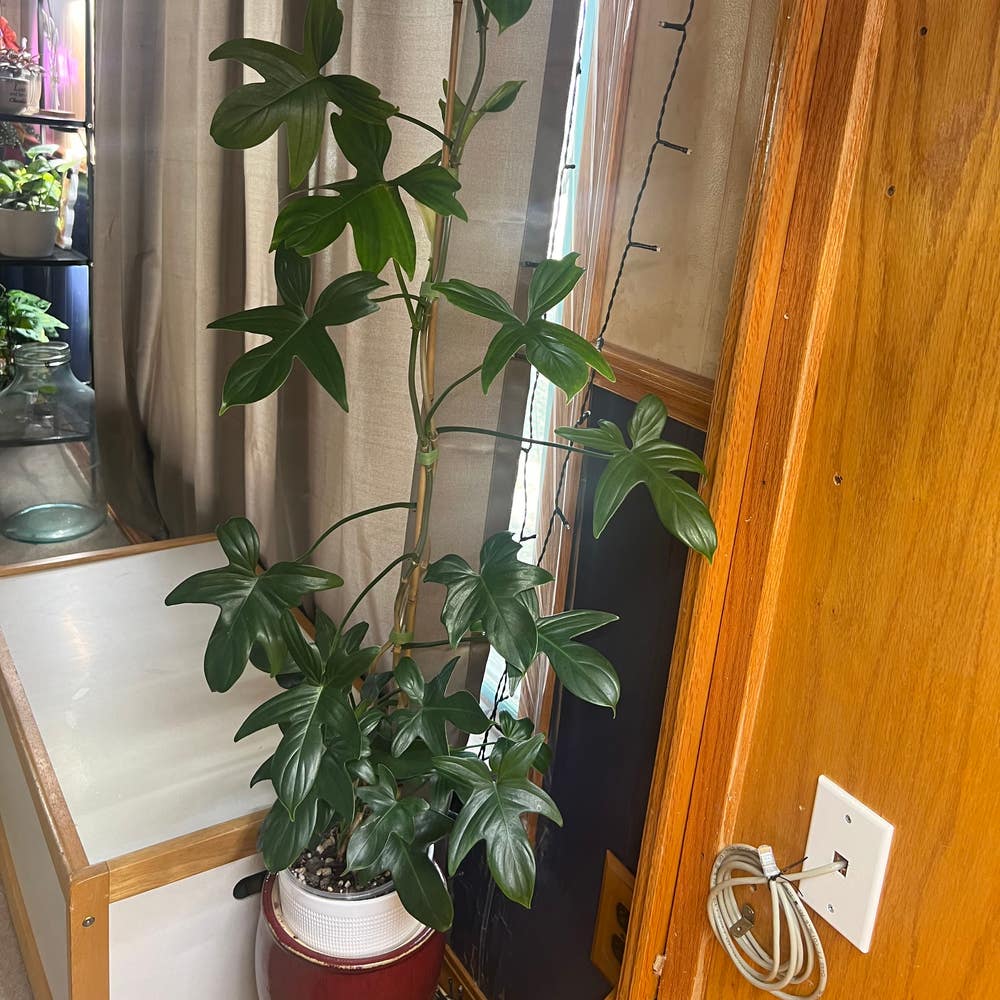
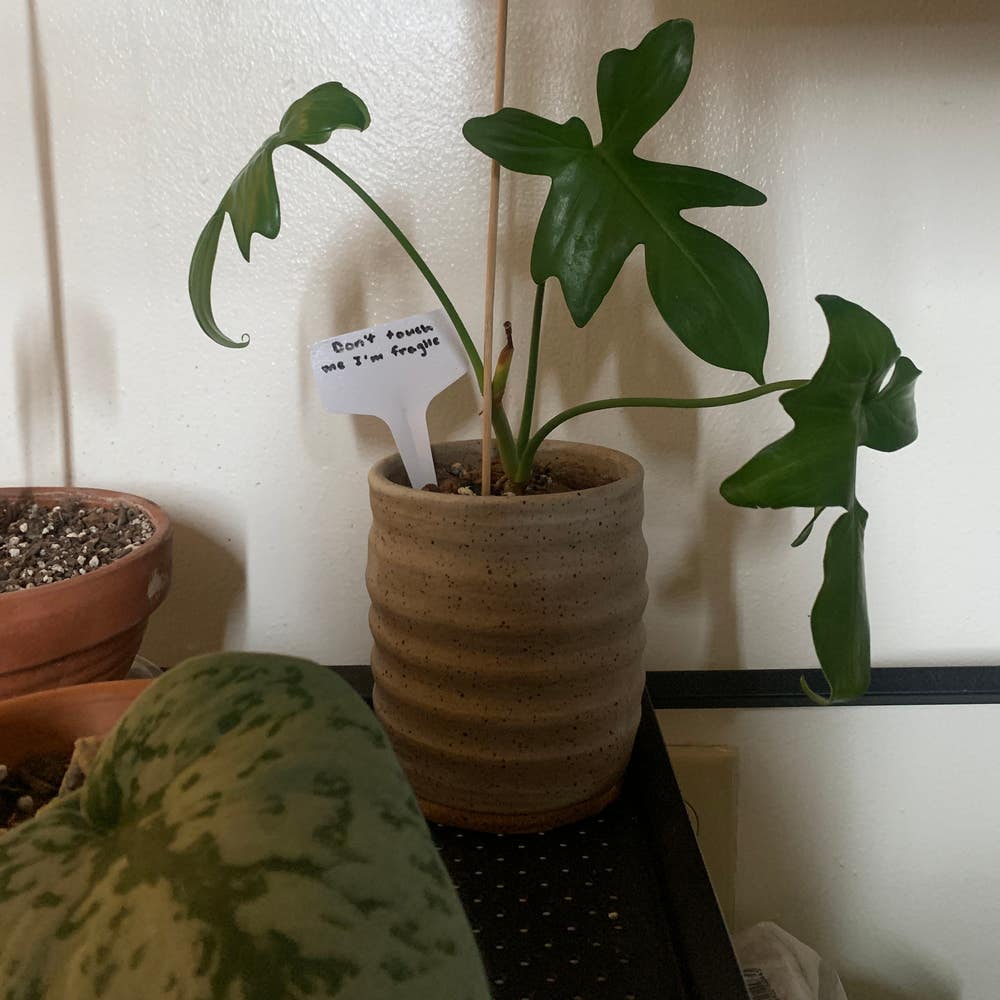
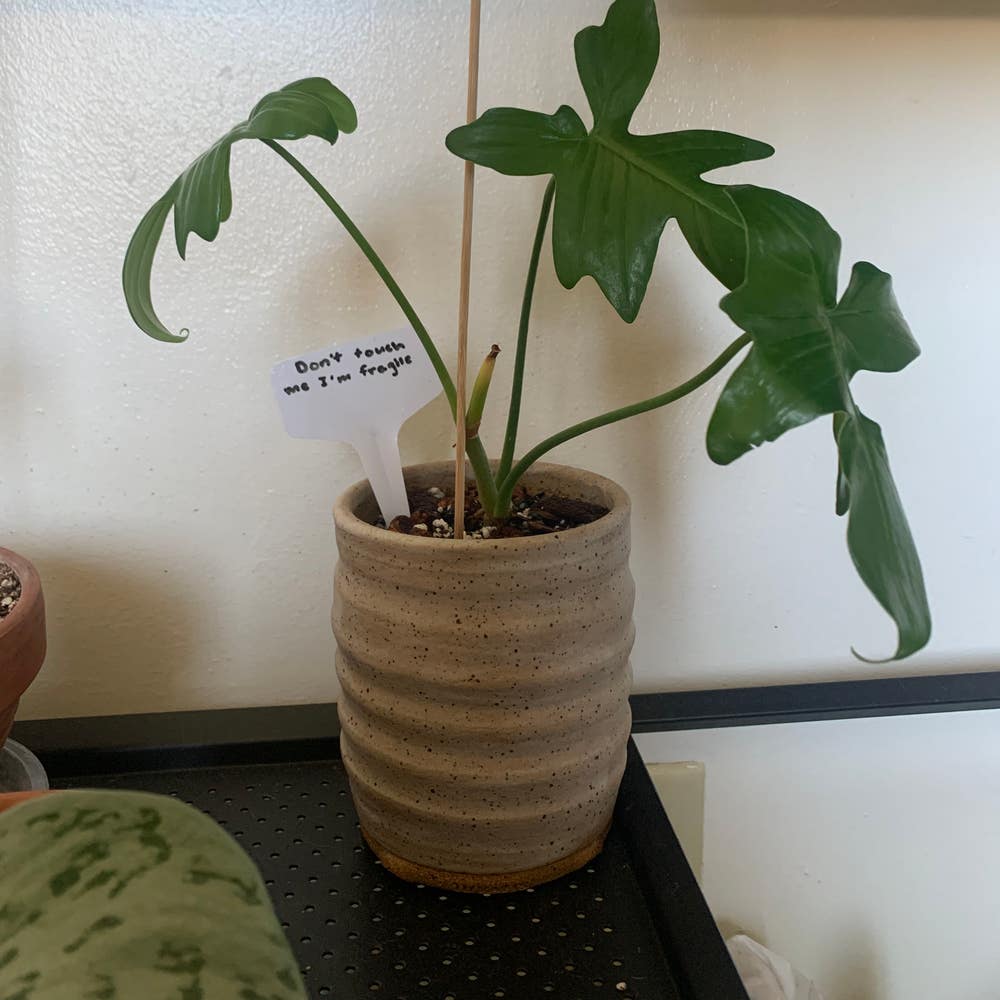
Adequate humidity plays a significant role in the health of your plant's leaves. When humidity levels are right, you’ll notice vibrant foliage and well-defined leaf shapes, which are signs of a happy plant.
❄️ Seasonal Adjustments
Humidity needs can change with the seasons. During winter, indoor air often becomes drier, so consider increasing humidity levels to keep your Oak Leaf Philodendron comfortable and healthy.
By understanding and managing these humidity levels, you set the stage for a flourishing plant. Next, let’s explore the effects of humidity stress on your Oak Leaf Philodendron.
Effects of Humidity Stress
🌵 Low Humidity Effects
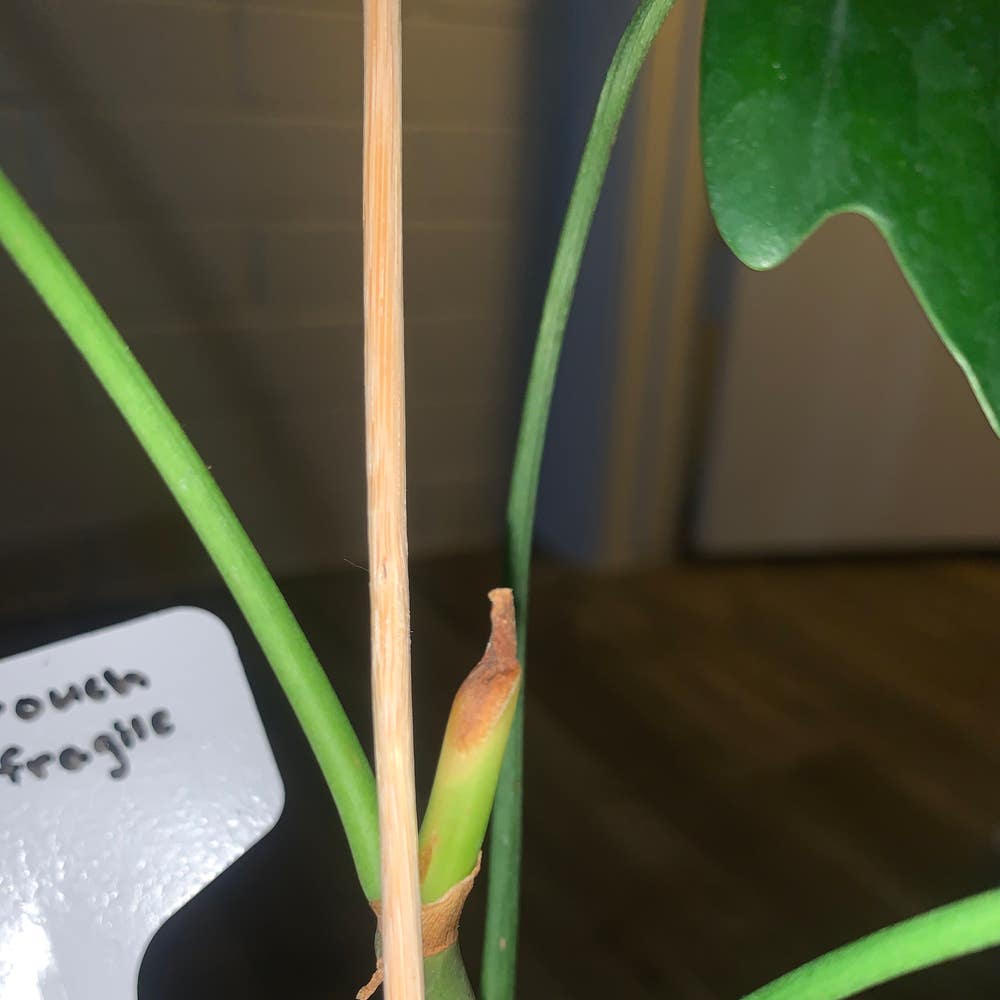
Low humidity can be a real challenge for your Oak Leaf Philodendron. Symptoms often include leaf curling and browning at the tips, which can be alarming to any plant parent.
Stunted growth and reduced leaf size are also common indicators. Over time, these issues can lead to increased susceptibility to pests and diseases, making your plant more vulnerable.
⏳ Long-term Effects on Plant Health
Inadequate humidity can create moisture retention issues in the soil. This can further stress the plant, leading to a cycle of decline that’s hard to reverse.
🌧️ High Humidity Effects
On the flip side, excessive humidity can be just as detrimental. Symptoms include mold and mildew forming on leaves and soil, which can ruin the aesthetic of your plant.
Yellowing leaves and root rot are also signs that humidity levels are too high. Recognizing these symptoms early is crucial for maintaining your plant's health.
⚖️ Importance of Balance
Finding the right balance is key. Regularly monitor humidity levels to ensure they stay within the ideal range for your Oak Leaf Philodendron.
By understanding the signs of both low and high humidity, you can take proactive steps to keep your plant thriving. This awareness will help you create an optimal environment for your leafy friend.
As we explore local humidity considerations next, you'll learn how to assess and adapt to your specific conditions.
Local Humidity Considerations
Assessing Local Humidity 🌧️
Understanding your local humidity is crucial for the health of your Oak Leaf Philodendron. The right tools can make all the difference, and a humidity meter, or hygrometer, is your best friend in this endeavor.
A hygrometer provides accurate readings of the humidity levels in your space. For the best results, place it near your plant but away from direct sunlight or drafts, as these can skew the readings.
Understanding Local Climate Conditions 🌦️
Local weather patterns significantly impact indoor humidity. Pay attention to seasonal changes; for instance, winter often brings drier air, while summer can increase humidity levels.
Interpreting these patterns helps you adjust your care routine. If you notice a drop in humidity during colder months, it’s time to implement strategies to boost moisture for your Oak Leaf Philodendron.
By staying attuned to both your tools and your environment, you can create an ideal habitat for your plant. This proactive approach ensures your Oak Leaf Philodendron thrives, setting the stage for the next section on effective humidity management strategies.
Strategies for Managing Humidity
🌧️ Boosting Humidity
Using Humidifiers
To create the perfect environment for your Oak Leaf Philodendron, consider using a humidifier. Both cool mist and warm mist options are effective; cool mist is generally preferred for plants, as it adds moisture without raising the temperature.
For optimal results, place the humidifier near your plant but not directly on it. Regular maintenance is key—clean the unit frequently to prevent mold buildup and ensure it operates efficiently.
Pebble Trays and Water Bowls
Creating a pebble tray is a simple yet effective way to boost humidity. Place a shallow tray filled with pebbles and water beneath your plant pot, ensuring the pot sits above the water level. As the water evaporates, it will naturally increase the humidity around your plant.
Water bowls can also be beneficial. Position them near your Oak Leaf Philodendron to provide localized humidity. This method is especially useful if you notice the air around your plant feels dry.
🌬️ Reducing Excess Humidity
Proper Air Circulation
Maintaining airflow is crucial for preventing mold and mildew. Ensure your plant has adequate ventilation by keeping it away from walls and other obstructions.
Using fans or opening windows can help circulate air. Just be cautious of drafts that might stress your plant.
Monitoring Watering Practices
Consistent watering is essential for your Oak Leaf Philodendron's health. Overwatering can lead to excessive humidity, creating a breeding ground for root rot.
Watch for signs of overwatering, such as yellowing leaves or a soggy pot. Adjust your watering schedule accordingly to maintain the right balance.
By implementing these strategies, you can create an ideal humidity environment for your Oak Leaf Philodendron, ensuring it thrives beautifully. Next, let’s explore local humidity considerations to further enhance your plant care routine.
Common Misconceptions
Myths about Humidity 🌧️
A common myth is that all houseplants thrive in the same humidity levels. This misconception can lead to unhealthy plants, especially for tropical varieties like the Oak Leaf Philodendron.
The Oak Leaf Philodendron has specific humidity needs, thriving best in a range of 60% to 80%. Unlike some other Philodendron species that may tolerate lower humidity, this plant requires a more humid environment to maintain its vibrant foliage and overall health.
Understanding these unique requirements is crucial for successful care. By recognizing the differences among plant species, you can create the ideal conditions for your Oak Leaf Philodendron to flourish.
As you navigate the world of indoor gardening, remember that tailored care is key. This approach not only enhances your plant's health but also enriches your gardening experience.
Next, let’s explore how to assess local humidity levels effectively.
⚠️ Safety First
This content is for general information and may contain errors, omissions, or outdated details. It is not medical, veterinary advice, or an endorsement of therapeutic claims.
Always consult a qualified healthcare professional before using any plant as food, medicine, or supplement.
Never eat any plant (or feed one to pets) without confirming its identity with at least two trusted sources.
If you suspect poisoning, call Poison Control (800) 222-1222, the Pet Poison Helpline (800) 213-6680, or your local emergency service immediately.
Spotted an error? Please report it here.
Keep your Oak Leaf Philodendron thriving 🌱 by using Greg's tailored humidity tips and reminders to create the perfect environment for its lush growth!