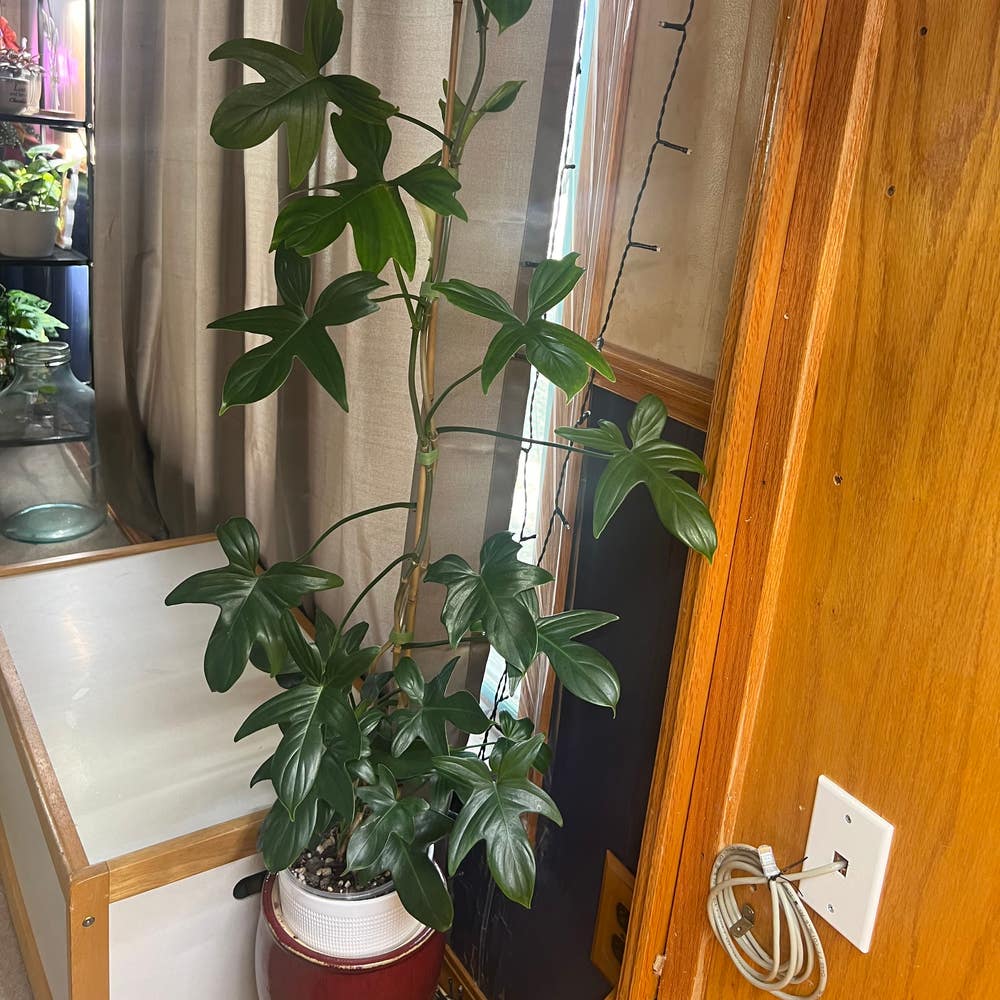
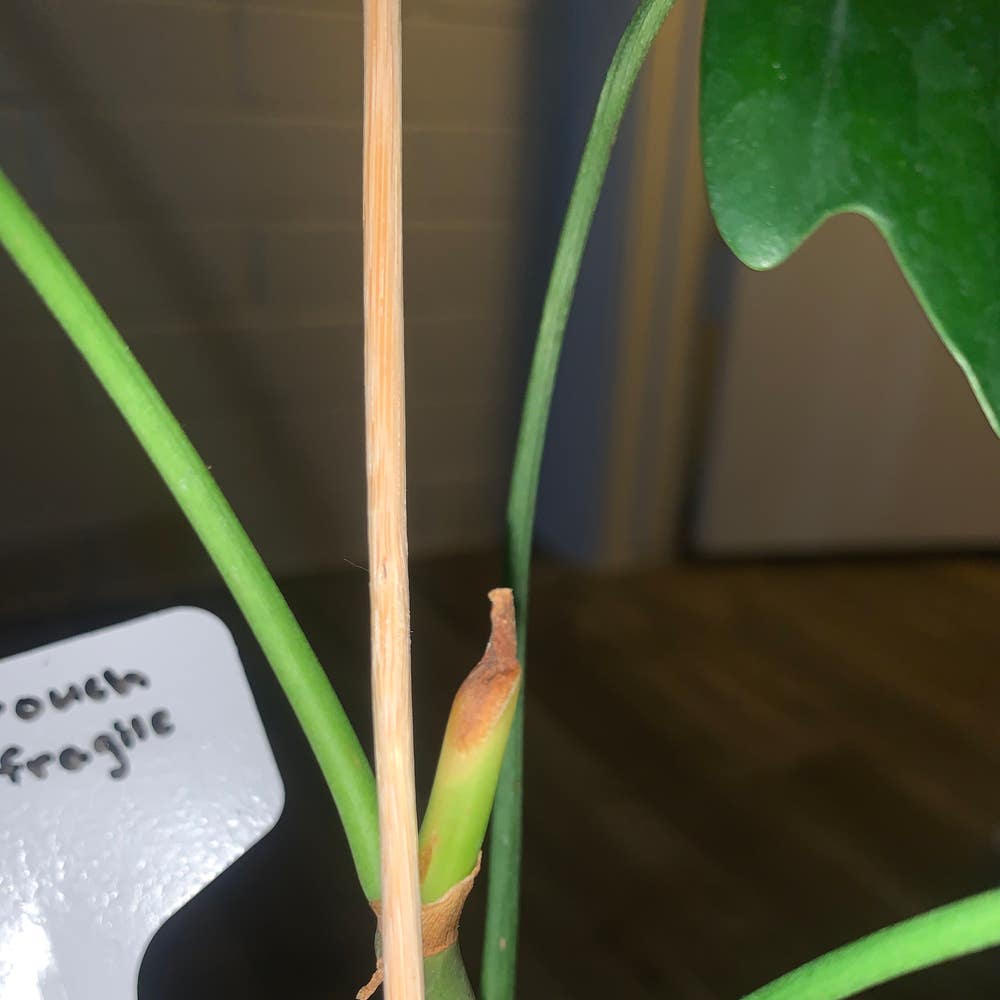
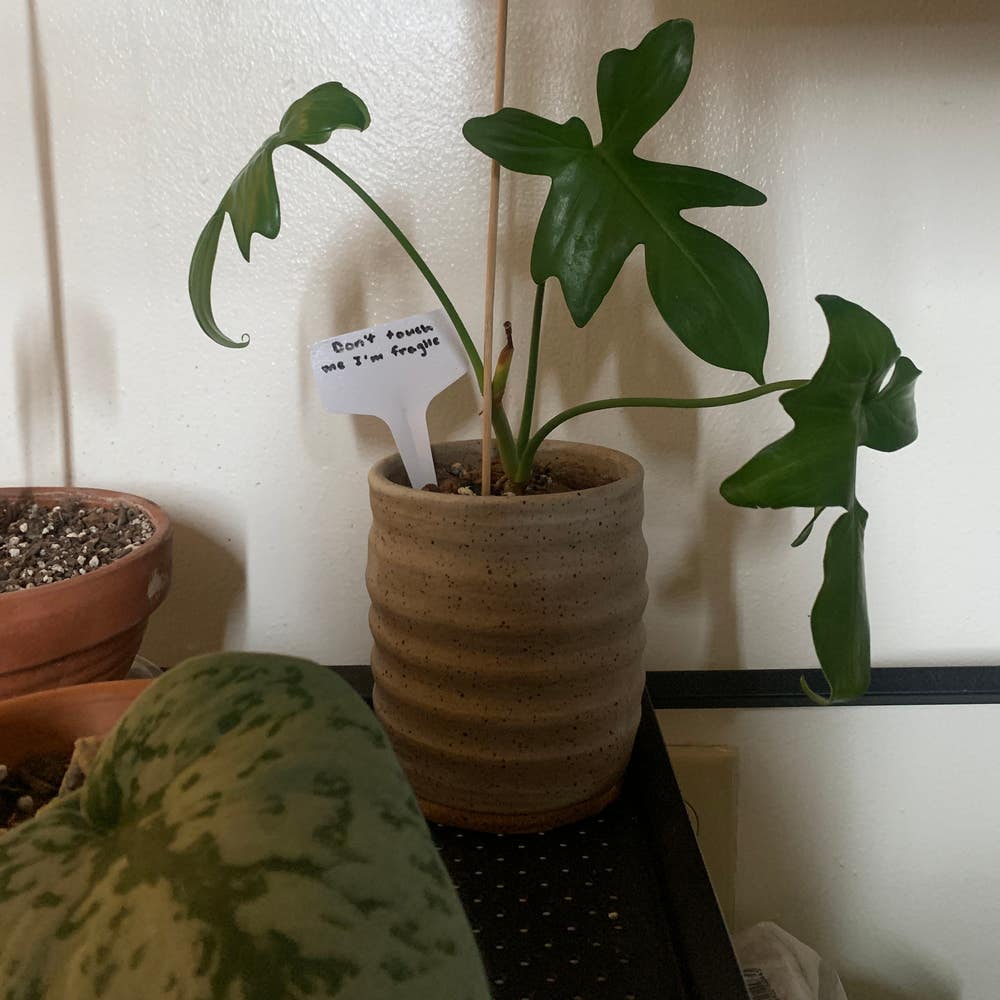
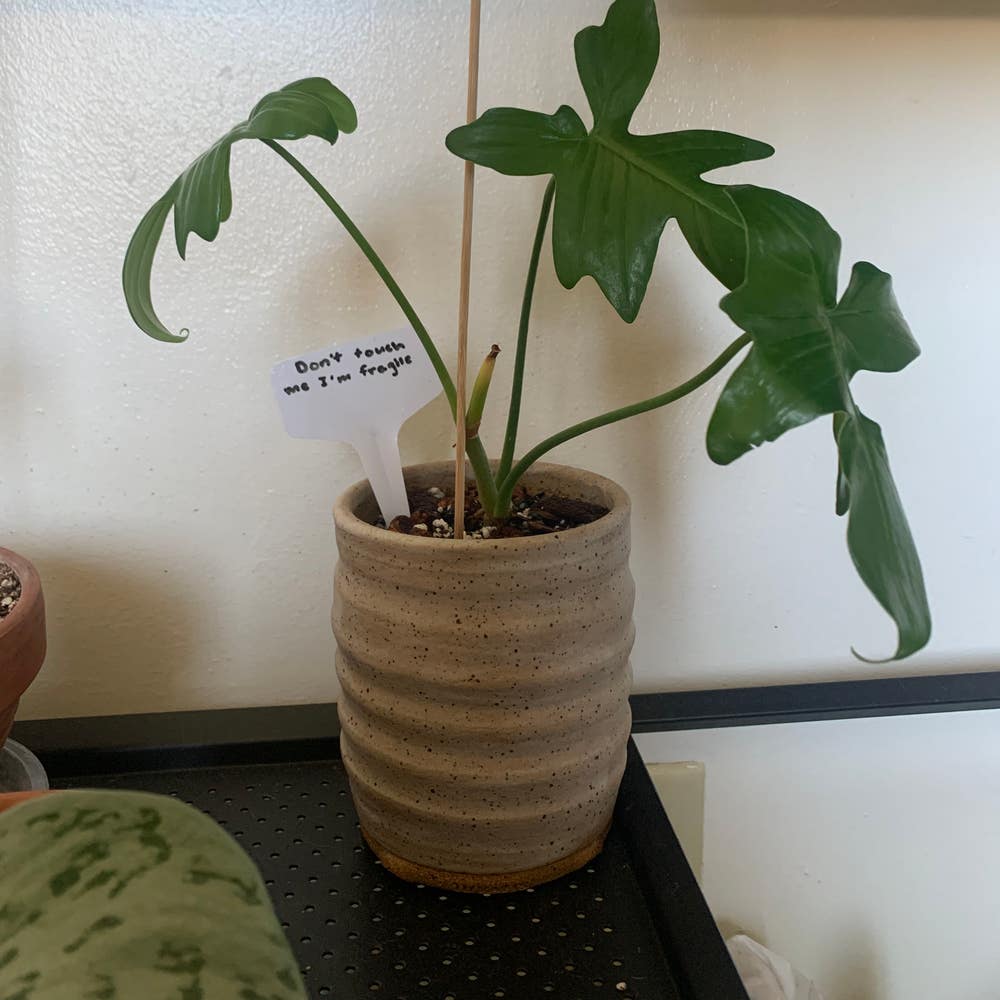
🍃 Oak Leaf Philodendron - Ultimate Guide to Fertilizing
Philodendron pedatum
By the Greg Editorial Team
Sep 30, 2024•7 min read
This article was created with the help of AI so we can cover more plants for you. May contain errors. See one? Report it here.
Transform your Oak Leaf Philodendron into a lush beauty 🌱 with these essential fertilization tips for vibrant growth! 🌿
- 🌱 Balanced macronutrients are vital for Oak Leaf Philodendron growth and health.
- ⚖️ Monitor nutrient signs like yellowing leaves to adjust fertilization effectively.
- 🧪 Tailor fertilization based on growth phase and environmental factors for optimal results.
Nutrient Requirements
🌱 Macronutrients
Understanding the macronutrients your Oak Leaf Philodendron needs is crucial for its vibrant growth.
Nitrogen is essential for promoting lush foliage. It fuels the plant's green growth, making it look healthy and vibrant.
Phosphorus plays a vital role in supporting root development and flowering. A strong root system is key to overall plant health.
Potassium enhances the plant's overall health and stress resistance. It helps the plant withstand environmental challenges, ensuring longevity.
🌿 Micronutrients
While macronutrients are important, don't overlook the micronutrients that support your plant's health.
Trace elements like iron, magnesium, and manganese are crucial for various physiological functions. They may be needed in smaller amounts, but their impact is significant.
Watch for signs of deficiencies such as yellowing leaves and poor growth. These symptoms can indicate that your plant isn't getting the nutrients it needs to thrive.
By ensuring your Oak Leaf Philodendron receives the right balance of macronutrients and micronutrients, you set the stage for a flourishing plant.
Next, let’s explore the types of fertilizers that can help you achieve this nutrient balance effectively.
Types of Fertilizers
🌱 Organic vs. Synthetic
When it comes to fertilizing your Oak Leaf Philodendron, choosing between organic and synthetic options is crucial. Organic fertilizers, like compost and worm castings, enrich the soil naturally, promoting healthy microbial activity and improving soil structure.
On the other hand, synthetic fertilizers offer quick-release nutrients that can give your plant an immediate boost. However, they can lead to nutrient imbalances if not used carefully, making it essential to weigh the pros and cons before deciding.
💧 Liquid vs. Slow-release
Liquid fertilizers are popular for their ease of application. They can be diluted and applied directly to the soil, typically every few weeks during the growing season, ensuring your plant gets a quick nutrient fix.
In contrast, slow-release fertilizers provide a steady supply of nutrients over time. This method is particularly beneficial for busy plant parents, as it reduces the frequency of application while maintaining consistent nutrient availability.
Understanding these different types of fertilizers will help you make informed choices for your Oak Leaf Philodendron. Next, we’ll explore effective fertilizer application techniques to ensure your plant thrives.
Fertilizer Application Techniques
🌱 How to Apply Fertilizer
Applying fertilizer correctly is crucial for your Oak Leaf Philodendron's health.
- Choose the right fertilizer type based on the plant's growth stage and the season.
- Dilute liquid fertilizers according to the package instructions to avoid over-concentration.
- Apply evenly around the base of the plant, steering clear of direct contact with the stem to prevent damage.
- Water thoroughly after application to help nutrients penetrate the soil effectively.
📅 Frequency of Application
Maintaining a consistent fertilization schedule is key to robust growth.
- General schedule: Fertilize every 4-6 weeks during the growing season for optimal results.
- Adjustments for growth stages: Be prepared to feed more frequently during active growth phases, ensuring your plant gets the nutrients it craves.
By mastering these techniques, you set the stage for a thriving Oak Leaf Philodendron. Next, let’s explore the signs of over-fertilization, so you can keep your plant in top shape.
Signs of Over-Fertilization
Symptoms to Watch For 🌱
Over-fertilization can sneak up on even the most diligent plant parents. Look out for leaf burn, where the tips and edges turn brown, signaling too much fertilizer.
Another red flag is stunted growth. If your Oak Leaf Philodendron isn’t producing new leaves or is growing slowly, it might be time to reassess your fertilization routine.
Lastly, yellowing leaves can indicate a nutrient imbalance. This symptom often suggests that the plant is overwhelmed by excess nutrients.
Recovery from Over-Fertilization 🛠️
If you suspect over-fertilization, don’t panic—recovery is possible. Start by flushing the soil with water to dilute the excess fertilizer. This step helps wash away the concentrated nutrients.
Next, allow the plant to dry out slightly before reapplying any fertilizer. This pause gives your plant a chance to stabilize.
Finally, keep an eye out for recovery signs. Look for new growth and improved leaf color as indicators that your plant is bouncing back.
By being attentive to these signs and taking corrective action, you can help your Oak Leaf Philodendron thrive once again. Now, let’s explore seasonal fertilization strategies to keep your plant healthy year-round.
Seasonal Fertilization Strategies
🌱 Spring Fertilization
Starting the growing season with a balanced fertilizer is crucial for your Oak Leaf Philodendron. This sets the stage for healthy growth and vibrant foliage.
For spring application, aim for an NPK ratio of around 10-10-10 or 20-20-20. These balanced ratios provide essential nutrients to kickstart your plant's growth.
☀️ Summer Growth Phase
As summer rolls in, your Oak Leaf Philodendron will have increased nutrient needs. This is the time to amp up your fertilization routine to support its peak growth.
Consider switching to a fertilizer higher in phosphorus, like a 5-10-5 ratio, to encourage blooming and robust root development. This adjustment can make a noticeable difference in your plant's vitality.
🍂 Fall Preparation
As the growing season winds down, it's time to transition to lower nitrogen fertilizers. This helps prepare your plant for dormancy and reduces the risk of excessive growth as temperatures drop.
Timing is key; aim to apply your last fertilizer dose about four weeks before the first frost. This ensures your plant is well-prepared for the winter months ahead.
❄️ Winter Dormancy Considerations
During winter, it's wise to reduce or halt fertilization altogether. Your Oak Leaf Philodendron will enter a dormant phase, requiring fewer nutrients.
Keep an eye on soil moisture and nutrient levels during this time. Monitoring these factors helps maintain plant health and prepares it for a strong comeback in spring.
With these seasonal strategies, your Oak Leaf Philodendron will thrive throughout the year. Next, let’s explore common fertilizing mistakes to avoid for optimal plant health.
Common Fertilizing Mistakes
🌱 Over-fertilizing
Over-fertilizing is a common pitfall for many plant enthusiasts. It can lead to leaf burn, where the tips and edges turn brown, and nutrient lockout, preventing plants from absorbing essential nutrients.
🚫 Under-fertilizing
On the flip side, under-fertilizing can also be detrimental. Signs of nutrient deficiency include poor growth and yellowing leaves, indicating that your plant isn't getting what it needs to thrive.
⚖️ Ignoring Soil pH
Soil pH plays a crucial role in nutrient availability. The ideal pH range for Oak Leaf Philodendron is between 5.5 and 7.0; straying outside this range can hinder nutrient uptake.
📈 Not Adjusting for Growth Stages
Tailoring your fertilization approach based on the plant's growth phase is essential. Seasonal adjustments ensure that your Oak Leaf Philodendron receives the right nutrients at the right time, promoting optimal growth.
Understanding these common fertilizing mistakes can significantly enhance your plant care routine. With this knowledge, you can ensure your Oak Leaf Philodendron remains healthy and vibrant. Next, let’s explore seasonal fertilization strategies to keep your plant thriving throughout the year.
Special Considerations
Container vs. Ground Planting 🌱
When it comes to fertilizing, the growing medium makes a significant difference. Container plants often have limited nutrient availability compared to those planted in the ground, requiring more frequent fertilization.
Adjust your fertilizer application based on whether your Oak Leaf Philodendron is in a pot or directly in the soil. Container plants may need a balanced fertilizer more often, while ground plants can rely on the nutrients present in the earth.
Environmental Factors 🌤️
Light, temperature, and humidity play crucial roles in how well your plant absorbs nutrients. For instance, higher temperatures can increase nutrient uptake, while low light may slow it down.
Be prepared to adjust your fertilization routine based on these environmental changes. If you notice fluctuations in temperature or light, consider modifying your fertilizer type or frequency to match your plant's needs.
Indoor vs. Outdoor Plants 🏡
Indoor Oak Leaf Philodendrons typically have different nutrient requirements than their outdoor counterparts. Indoor plants may need more frequent feeding due to limited natural nutrient sources.
Consider light exposure and growth conditions when fertilizing. Outdoor plants often benefit from more robust fertilization due to their exposure to natural elements, while indoor plants may require a gentler approach to avoid over-fertilization.
Understanding these special considerations will help you tailor your fertilization strategy effectively. This ensures your Oak Leaf Philodendron thrives, regardless of its growing environment. Next, let’s explore common fertilizing mistakes to avoid for optimal plant health.
⚠️ Safety First
This content is for general information and may contain errors, omissions, or outdated details. It is not medical, veterinary advice, or an endorsement of therapeutic claims.
Always consult a qualified healthcare professional before using any plant as food, medicine, or supplement.
Never eat any plant (or feed one to pets) without confirming its identity with at least two trusted sources.
If you suspect poisoning, call Poison Control (800) 222-1222, the Pet Poison Helpline (800) 213-6680, or your local emergency service immediately.
Spotted an error? Please report it here.
Keep your Oak Leaf Philodendron thriving 🌿 by using Greg for tailored fertilization reminders that ensure your plant gets the perfect nutrient balance at every growth stage!