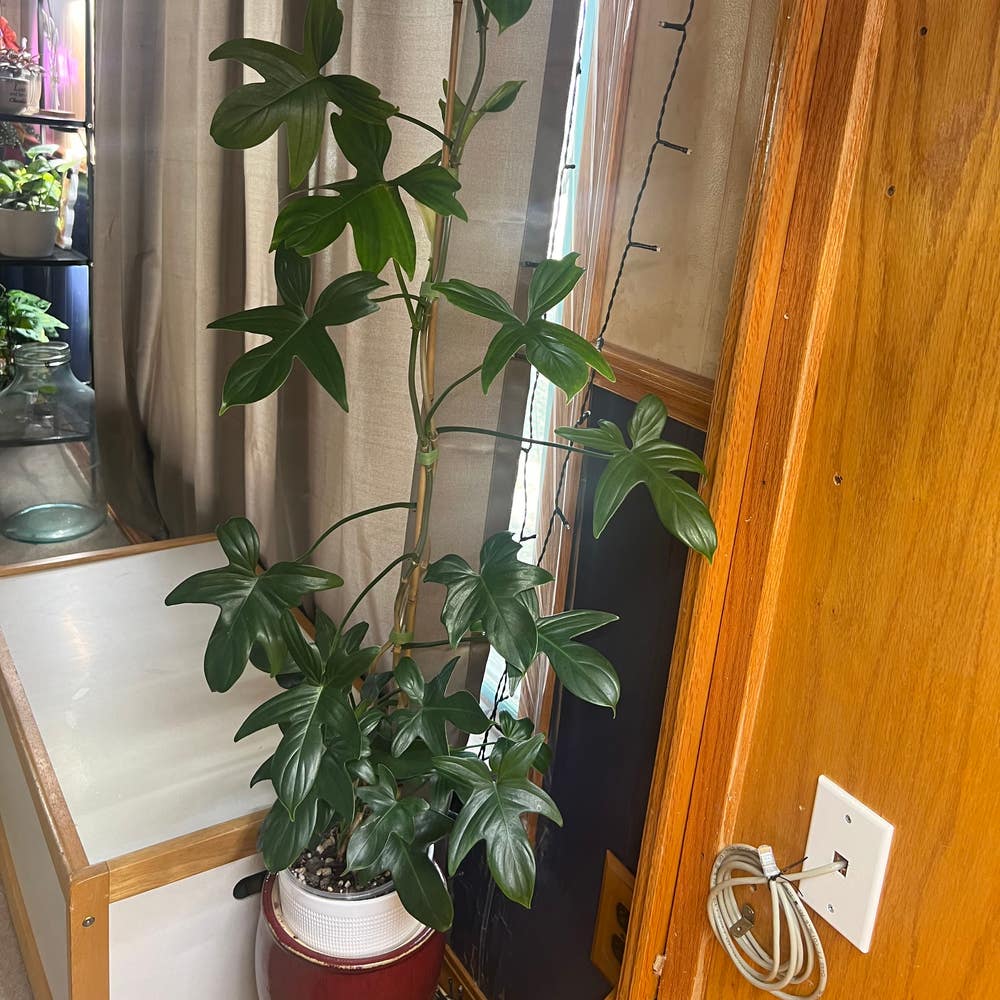
🍃 What to Do About Your Oak Leaf Philodendron Wilting
Philodendron pedatum
By the Greg Editorial Team
Sep 30, 2024•6 min read
This article was created with the help of AI so we can cover more plants for you. May contain errors. See one? Report it here.
Transform your wilting Oak Leaf Philodendron into a thriving beauty with essential care tips! 🌱
- 💧 Wilting in Oak Leaf Philodendrons often results from water stress or heat issues.
- 🌡️ Ideal temperature for healthy growth is 65°F to 80°F (18°C to 27°C).
- 🌱 Regularly check soil moisture to prevent wilting and maintain plant health.
Common Causes of Wilting Leaves
💧 Water Stress
Wilting in your Oak Leaf Philodendron can often stem from water stress. Overwatering leads to yellowing leaves and soggy soil, while underwatering results in dry, crispy leaf edges and drooping foliage.
Maintaining consistent moisture levels is crucial for optimal plant health. Aim for a balance that keeps the soil moist but not waterlogged.
🌡️ Heat Stress
Heat stress is another common culprit behind wilting leaves. Signs include wilting, browning leaf edges, and stunted growth, indicating your plant is struggling with high temperatures.
The ideal temperature range for your Oak Leaf Philodendron is between 65°F to 80°F (18°C to 27°C). Direct sunlight exposure can exacerbate these issues, so be mindful of where you place your plant.
🦠 Disease-Related Wilting
Disease-related wilting, while less common, can occur due to root rot or fungal infections. Symptoms include wilting despite adequate watering, discoloration, and mushy roots.
It's important to note that pathogenic wilt is not a frequent cause of wilting. However, if you suspect disease, it’s essential to investigate further to ensure your plant's health.
Understanding these common causes can help you take proactive steps to revive your Oak Leaf Philodendron. Next, we’ll explore how to diagnose wilting effectively.
Diagnosing Wilting
Step-by-Step Guide to Diagnose Wilting 🌱
Diagnosing wilting in your Oak Leaf Philodendron starts with assessing soil moisture. Use your finger to check the top 2 inches of soil; if it feels dry, your plant may need water.
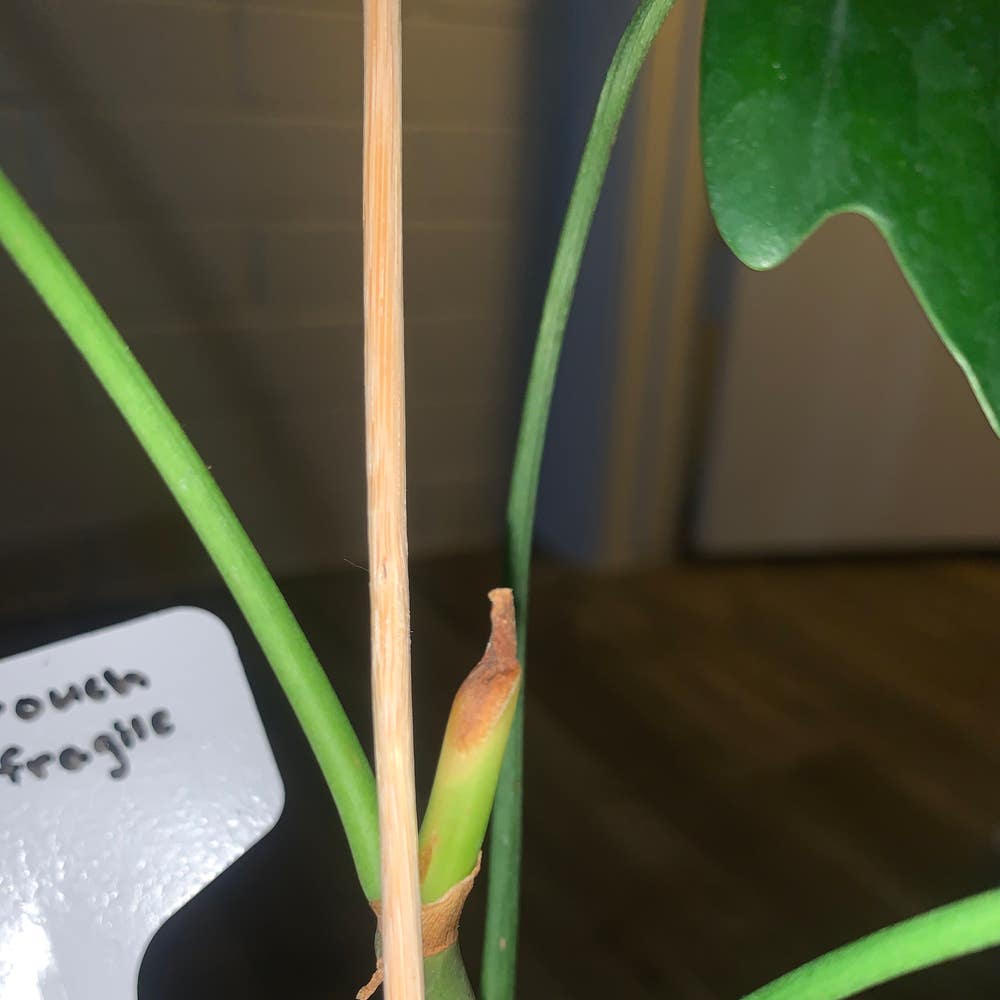
Next, examine the leaf condition closely. Look for any discoloration, spots, or changes in texture that could indicate underlying issues.
Environmental Factors to Consider 🌤️
Evaluate the environmental factors affecting your plant. Check the light exposure, temperature, and humidity levels to ensure they align with the ideal conditions for your Oak Leaf Philodendron.
If necessary, inspect the roots. Gently remove the plant from its pot to check for root health, looking for signs of rot or damage.
Signs to Look for in Leaf Health 👀
Pay attention to color changes in the leaves. Yellowing or browning can signal stress or nutrient deficiencies.
Texture is another important indicator. Leaves that feel crispy or soft may be experiencing water stress.
Leaf Shape and Its Implications 🍃
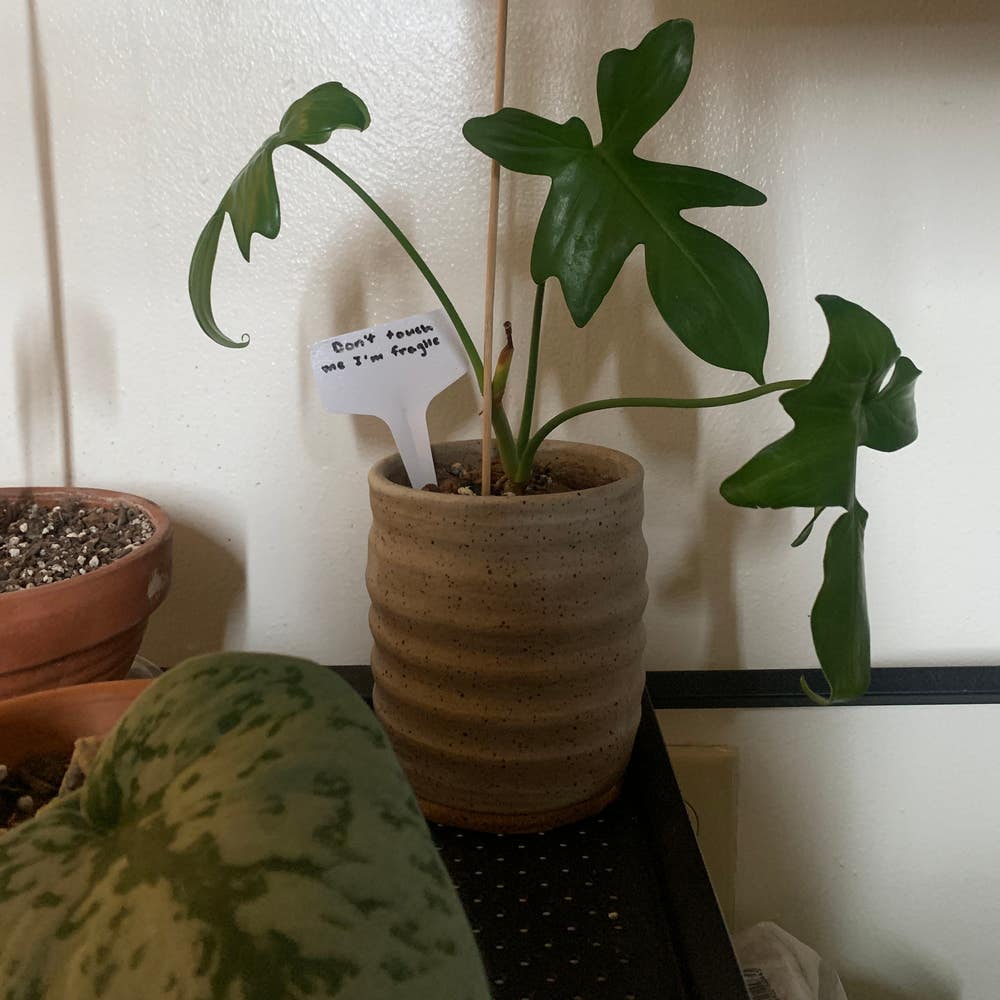
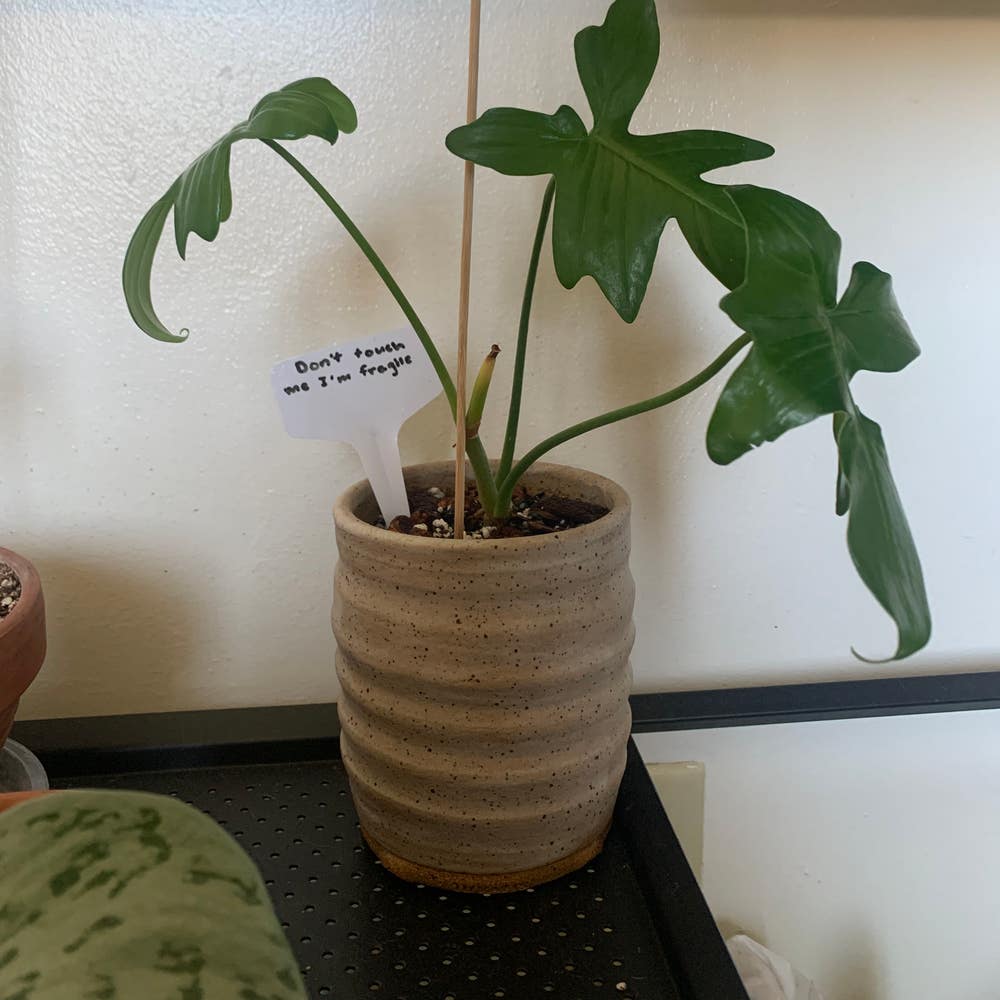
Observe the shape of the leaves as well. Drooping or curling leaves often indicate that your plant is struggling and needs immediate attention.
By following these steps, you can effectively diagnose the cause of wilting in your Oak Leaf Philodendron. This proactive approach will help you take the necessary actions to restore your plant's health.
Next, let’s explore practical solutions to address the wilting issues you've identified.
Solutions for Wilting Leaves
🌊 Addressing Water Stress
Wilting leaves often signal water stress, which can stem from either overwatering or underwatering.
For overwatering, allow the soil to dry out completely before watering again. Conversely, if underwatering is the issue, water thoroughly until excess drains from the pot.
Aim to water your Oak Leaf Philodendron every 1-2 weeks, adjusting based on environmental conditions.
🔥 Managing Heat Stress
Heat stress can also lead to wilting, so it's essential to monitor your plant's environment.
If you notice wilting leaves, consider relocating the plant to a cooler area with indirect light. Increasing humidity can help too; try using a humidifier or a pebble tray filled with water.
Always keep an eye on the temperature, ensuring it stays within the ideal range of 65°F to 80°F (18°C to 27°C).
🦠 Solutions for Disease-Related Wilting
If wilting persists despite proper watering and temperature management, disease may be the culprit.
Start by identifying and treating root rot: remove any affected roots and repot the plant in fresh, well-draining soil. If necessary, use fungicides, following the label instructions for safe application.
🌱 Techniques for Reviving a Wilted Plant
Reviving a wilted Oak Leaf Philodendron can be straightforward with the right techniques.
- Bottom watering: Place the pot in a tray of water for 30 minutes to allow the soil to absorb moisture.
- Temporary relocation: Move the plant to a more suitable environment with stable conditions.
- Pruning: Remove any damaged or dead leaves to encourage new growth.
These steps can help restore your plant’s vitality and ensure it thrives in the long run.
With these solutions, you can tackle wilting leaves effectively and keep your Oak Leaf Philodendron healthy. Next, let’s explore preventive measures to minimize future wilting.
Preventive Measures
Best Practices to Minimize Future Wilting 🌱
Regularly checking soil moisture levels is crucial. A moisture meter can provide accurate readings, helping you avoid both overwatering and underwatering.
Establishing a consistent watering schedule is also key. Adjust this schedule based on seasonal changes to meet your Oak Leaf Philodendron's needs.
Monitoring environmental conditions will further enhance your plant's health. Keep an eye on temperature and humidity to create a stable environment.
Environmental Adjustments 🌬️
Aim for ideal humidity levels between 60-80%. This range helps your plant thrive and reduces the risk of wilting.
Using a proper potting mix is essential. A well-draining soil mix prevents waterlogging, which can lead to root issues.
Finally, avoid sudden temperature changes. Keep your plant away from drafts and heating vents to maintain a comfortable climate.
By implementing these preventive measures, you can significantly reduce the chances of your Oak Leaf Philodendron wilting. With the right care, your plant can flourish and bring joy to your space.
Seeking Help
🌱 When to Consult a Local Nursery or Plant Expert
If your Oak Leaf Philodendron continues to wilt despite following care guidelines, it might be time to seek professional help. Persistent wilting can indicate underlying issues that require expert evaluation.
Look out for unclear diagnoses or signs of disease. If you notice unusual discoloration or growth patterns, a local nursery can provide valuable insights and solutions.
💬 Engaging with the Online Plant Care Community
Don't underestimate the power of community support. Platforms like Greg offer a wealth of advice and encouragement from fellow plant enthusiasts.
Sharing your experiences can lead to practical tips and new strategies. Engaging with others who care for Oak Leaf Philodendrons can help you troubleshoot and foster a thriving plant.
In the journey of plant care, remember that seeking help is a sign of dedication. With the right resources and community support, you can turn your wilting woes into a flourishing success story.
Encouragement and Reassurance
Message of Hope for Plant Owners 🌱
Wilting can be alarming, but remember, it’s often reversible with the right care and attention. Your Oak Leaf Philodendron is resilient, and with a little effort, it can bounce back.
Knowledge is your best ally in nurturing plant health. Understanding the needs of your plant empowers you to make informed decisions that promote its well-being.
Patience is key. Plants, like us, need time to recover and thrive. Embrace the journey of learning about your Oak Leaf Philodendron, and you’ll find joy in watching it flourish.
Stay curious and engaged. Each challenge is an opportunity to deepen your understanding and improve your skills as a plant owner. With dedication, your plant can thrive beautifully.
⚠️ Safety First
This content is for general information and may contain errors, omissions, or outdated details. It is not medical, veterinary advice, or an endorsement of therapeutic claims.
Always consult a qualified healthcare professional before using any plant as food, medicine, or supplement.
Never eat any plant (or feed one to pets) without confirming its identity with at least two trusted sources.
If you suspect poisoning, call Poison Control (800) 222-1222, the Pet Poison Helpline (800) 213-6680, or your local emergency service immediately.
Spotted an error? Please report it here.
Keep your Oak Leaf Philodendron thriving 🌱 by using Greg's tailored watering reminders and community insights to tackle wilting issues head-on!