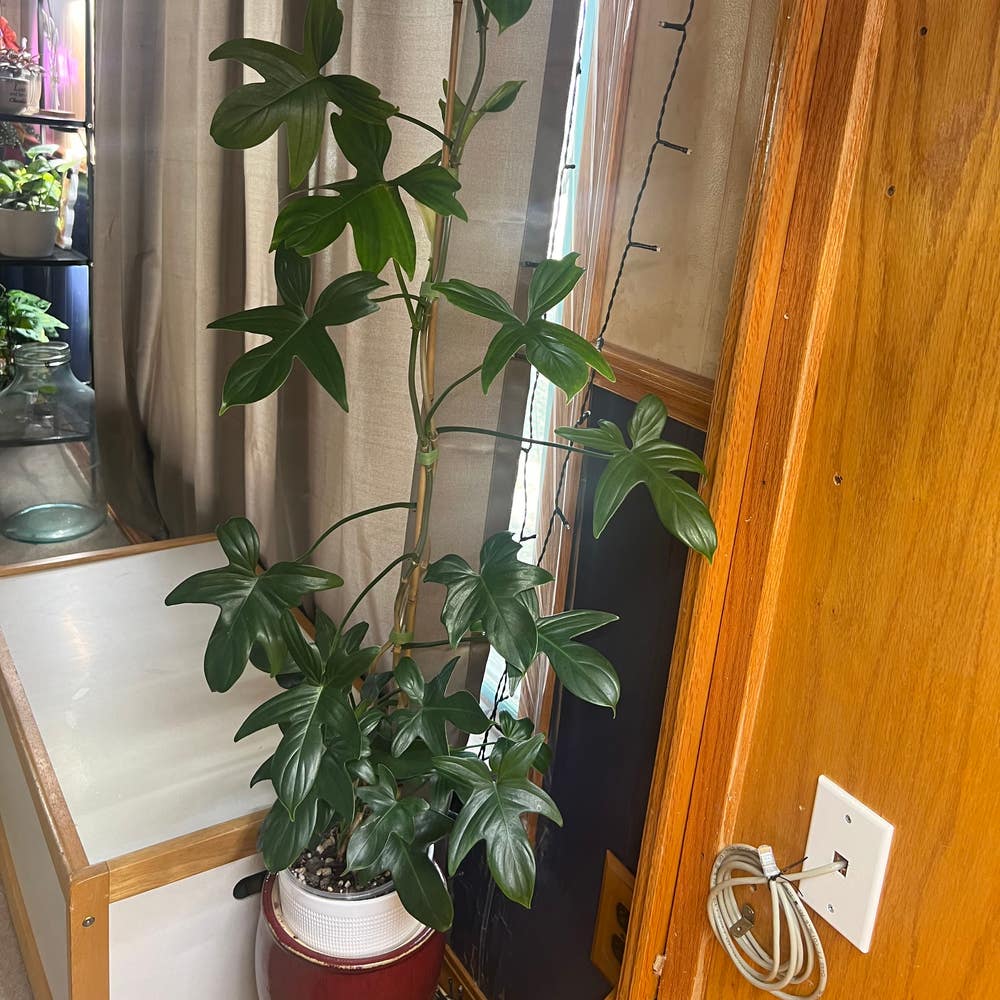
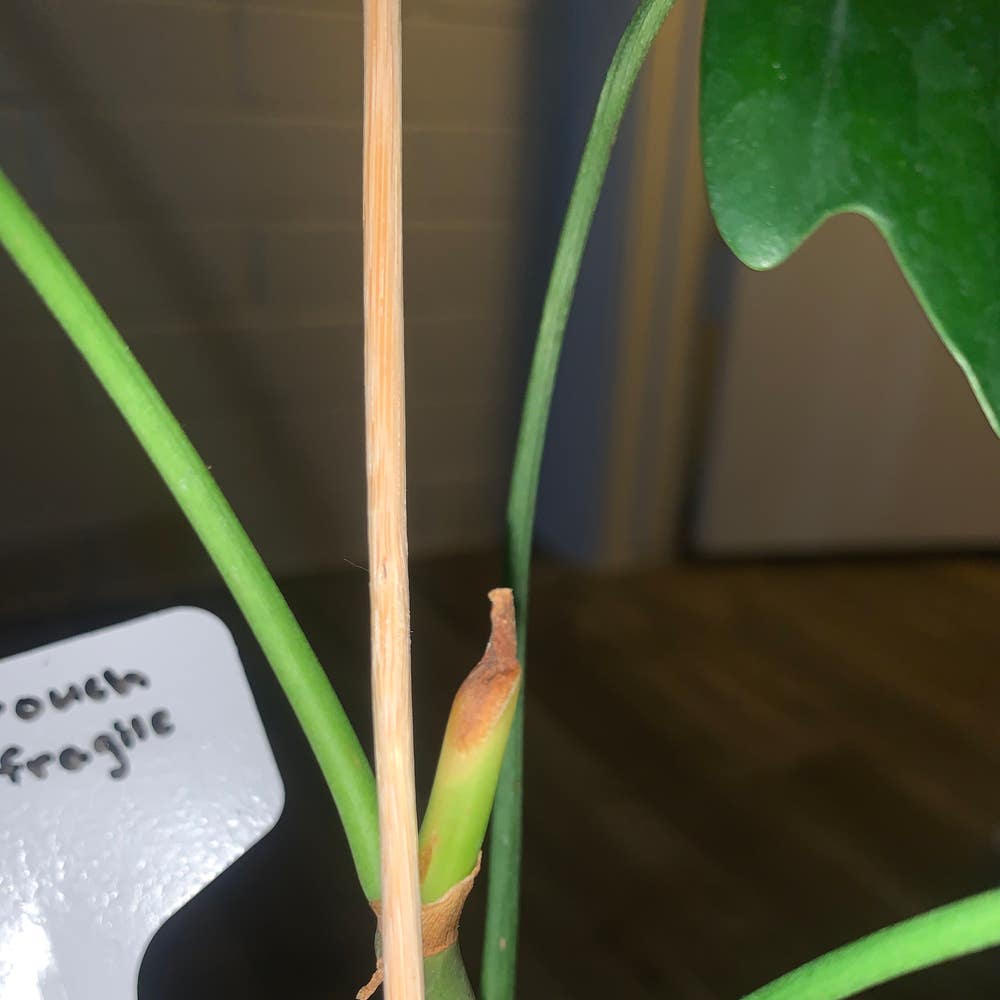
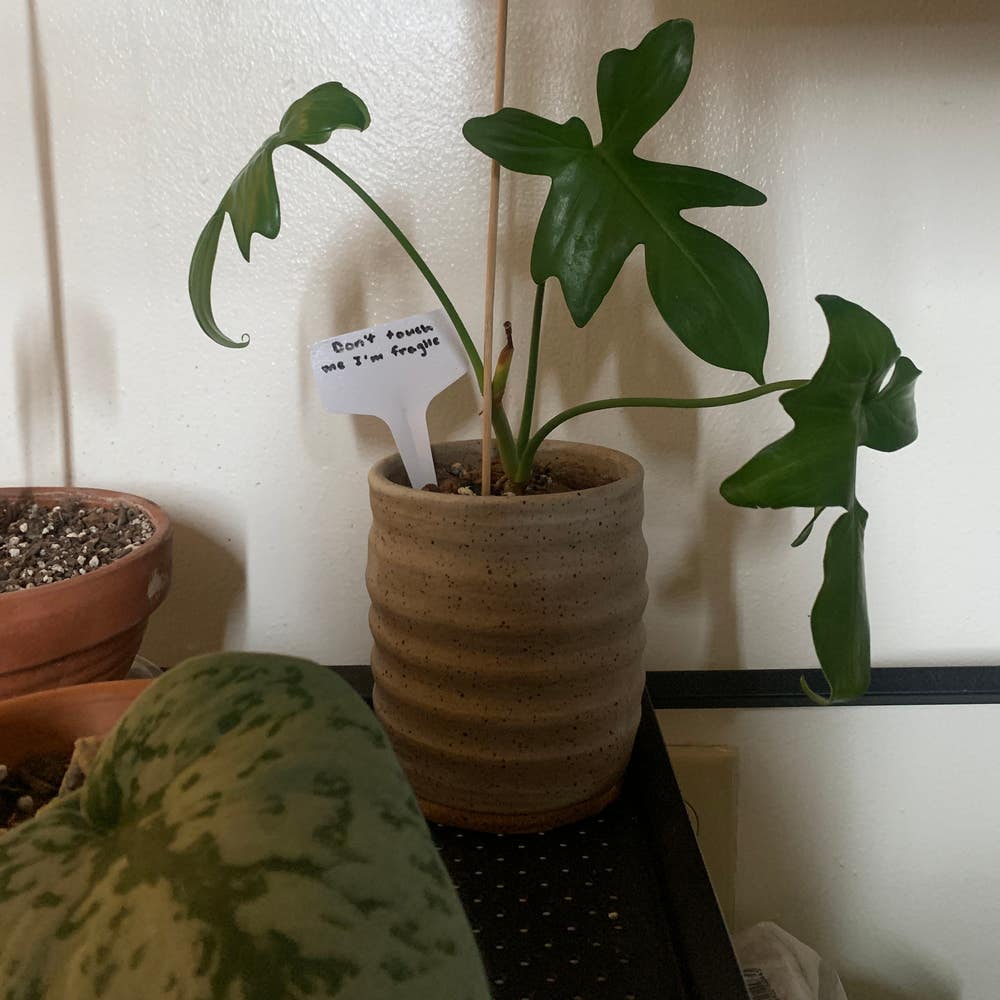
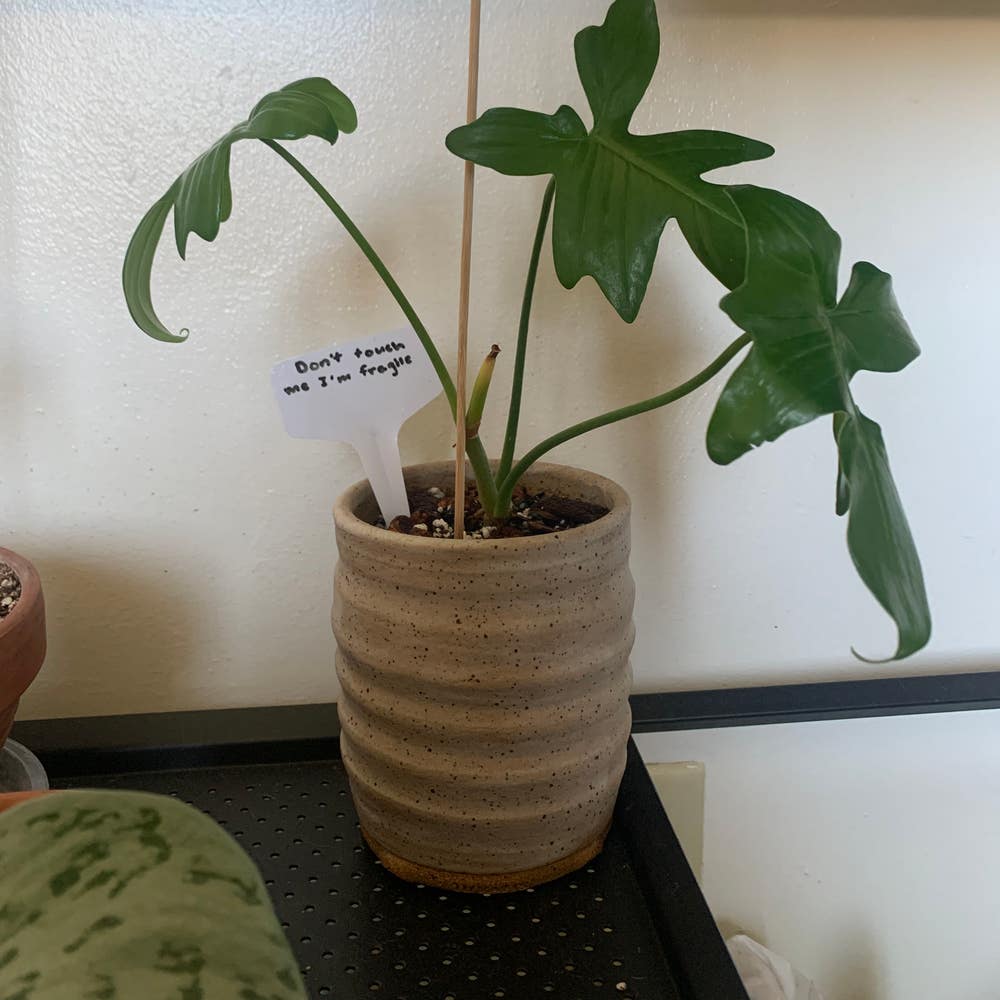
🍂 Managing Leaf Drop on Your Oak Leaf Philodendron
Philodendron pedatum
By the Greg Editorial Team
Sep 30, 2024•5 min read
This article was created with the help of AI so we can cover more plants for you. May contain errors. See one? Report it here.
Transform your oak leaf philodendron's health 🌱 and prevent leaf drop with these essential care tips for thriving plants!
- 💧 Overwatering and underwatering both cause leaf drop; maintain a consistent watering schedule.
- 🌡️ Ideal temperature for oak leaf philodendrons is 65°F to 80°F (18°C to 27°C).
- 🐜 Pest control and nutrient balance are crucial to prevent leaf drop and promote growth.
Causes of Leaf Drop
💧 Overwatering and Its Effects
Overwatering is a common issue that can lead to significant leaf drop in your oak leaf philodendron. Symptoms include leaf yellowing and wilting, along with root rot indicators like mushy roots and a foul smell.
When roots are deprived of oxygen due to excess moisture, leaf health deteriorates, often resulting in leaf drop. To combat this, adjust your watering frequency and techniques to ensure your plant thrives.
🚰 Underwatering and Its Symptoms
Conversely, underwatering can also cause distress. Signs include leaf curling and browning at the tips, as well as dry, brittle leaves.
Prolonged underwatering leads to stress, which ultimately results in leaf drop. Establishing a consistent watering schedule is crucial to keep your plant healthy and vibrant.
🌡️ Environmental Stress Factors
Temperature Stress
Maintaining the right temperature is vital for your philodendron. The optimal range is between 65°F to 80°F (18°C to 27°C).
Extreme temperature fluctuations can trigger leaf drop. To mitigate this, avoid drafts and sudden temperature changes in your plant's environment.
💧 Humidity Requirements
High humidity levels are essential for the health of your oak leaf philodendron. Ideally, humidity should be 60% or higher.
Low humidity can lead to leaf browning and drop. To increase humidity, consider using humidifiers or placing pebble trays filled with water beneath your plant.
🐜 Pest Infestations
Pest infestations can wreak havoc on your philodendron. Common pests include spider mites, aphids, and mealybugs.
Signs of pest damage include leaf stippling, webbing, or sticky residue on leaves. Regular inspections and appropriate pest control methods are essential for keeping these nuisances at bay.
🌱 Nutrient Deficiencies
Nutrient deficiencies can also contribute to leaf drop. Key nutrients affecting leaf health include nitrogen, potassium, and magnesium.
Symptoms of deficiencies often manifest as yellowing leaves and poor growth. Implementing effective fertilization strategies can help replenish these essential nutrients and promote robust plant health.
Understanding these causes of leaf drop will empower you to take proactive measures. With the right care, your oak leaf philodendron can flourish beautifully.
Treating Leaf Drop Problems
Step-by-Step Guide to Adjusting Watering Practices 🌊
Assess Current Watering Schedule: Start by reviewing how often you water your oak leaf philodendron. Are you sticking to a routine, or is it more of a guessing game?
Check Soil Moisture Levels: Use a moisture meter to gauge the soil's dampness. This tool helps you avoid the pitfalls of overwatering or underwatering.
Adjust Frequency Based on Plant Needs: Tailor your watering schedule to the plant's requirements. Remember, consistency is key to keeping your plant happy.
How to Increase Humidity for Indoor Plants 💧
Use a Humidifier in the Room: A humidifier can work wonders for maintaining the ideal humidity levels. Aim for at least 60% humidity for optimal growth.
Create a Pebble Tray: Place a tray filled with water and pebbles beneath the pot. This setup allows moisture to evaporate, increasing humidity around your plant.
Regularly Mist the Leaves: A quick misting can provide a boost of moisture. Just be careful not to overdo it; too much water can lead to other issues.
Methods for Treating Pest Infestations 🐜
Identify the Pest Type: Regularly inspect your plant for signs of pests like spider mites or aphids. Early detection is crucial for effective treatment.
Apply Appropriate Organic Pesticide: Once identified, choose an organic pesticide that targets the specific pest. This approach minimizes harm to your plant and the environment.
Monitor Plant for Recovery: After treatment, keep an eye on your plant. Look for signs of recovery and reapply the pesticide if necessary.
Fertilization Tips to Address Nutrient Deficiencies 🌱
Choose a Balanced Fertilizer: Opt for a fertilizer with a balanced NPK ratio. This ensures your plant receives essential nutrients for healthy growth.
Apply During the Growing Season: Timing is everything. Fertilize during the growing season when your plant is actively growing for the best results.
Follow Recommended Dosage: Always adhere to the dosage instructions on the label. Over-fertilizing can be just as harmful as nutrient deficiencies.
Recovery Strategies for Stressed Plants 🌿
Pruning Damaged Leaves: Trim away any damaged or yellowing leaves. This encourages new growth and helps the plant redirect energy to healthier parts.
Adjusting Care Practices: Reflect on your current care routine. Make necessary adjustments based on what you observe to support your plant's recovery.
By addressing these common issues, you can help your oak leaf philodendron thrive. Next, let’s explore how to monitor and maintain your plant for long-term health.
Monitoring and Maintenance
Regular Care Routines to Prevent Leaf Drop 🌿
Establishing a consistent care schedule is crucial for your Oak Leaf Philodendron. Aim for weekly watering and monthly fertilization to keep your plant thriving.
Seasonal Adjustments in Care 🍂
As seasons change, so should your care practices. In winter, consider increasing humidity levels to combat the dry air that can lead to leaf drop.
Tools for Monitoring Soil Moisture and Humidity 🔧
Utilizing the right tools can make a significant difference in plant health. Soil moisture meters and hygrometers are excellent for keeping tabs on your plant's needs.
Importance of Observing Plant Behavior Over Time 📓
Keeping a care journal can help you track changes in your plant's health. Noting patterns in leaf drop and recovery will guide your future care decisions.
By staying vigilant and adjusting your care routine, you can effectively manage leaf drop and ensure your Oak Leaf Philodendron remains healthy and vibrant.
⚠️ Safety First
This content is for general information and may contain errors, omissions, or outdated details. It is not medical, veterinary advice, or an endorsement of therapeutic claims.
Always consult a qualified healthcare professional before using any plant as food, medicine, or supplement.
Never eat any plant (or feed one to pets) without confirming its identity with at least two trusted sources.
If you suspect poisoning, call Poison Control (800) 222-1222, the Pet Poison Helpline (800) 213-6680, or your local emergency service immediately.
Spotted an error? Please report it here.
Keep your oak leaf philodendron thriving 🌱 by using Greg's tailored watering reminders and pest alerts to prevent leaf drop and promote lush growth!