Why Are My Philodendron Pedatum Leaves Dropping?
Philodendron pedatum
By the Greg Editorial Team
Jun 18, 2024•6 min read
This article was created with the help of AI so we can cover more plants for you. May contain errors. See one? Report it here.
Prevent your Philodendron Pedatum's distress call 🍂 by cracking the leaf-drop code for a happier plant!
- Yellow, droopy, or detached leaves signal your Philodendron Pedatum needs help.
- Balance watering and environment to prevent leaf drop and stress.
- Prune and adjust care seasonally for a thriving Philodendron Pedatum.
Spotting the Trouble Signs
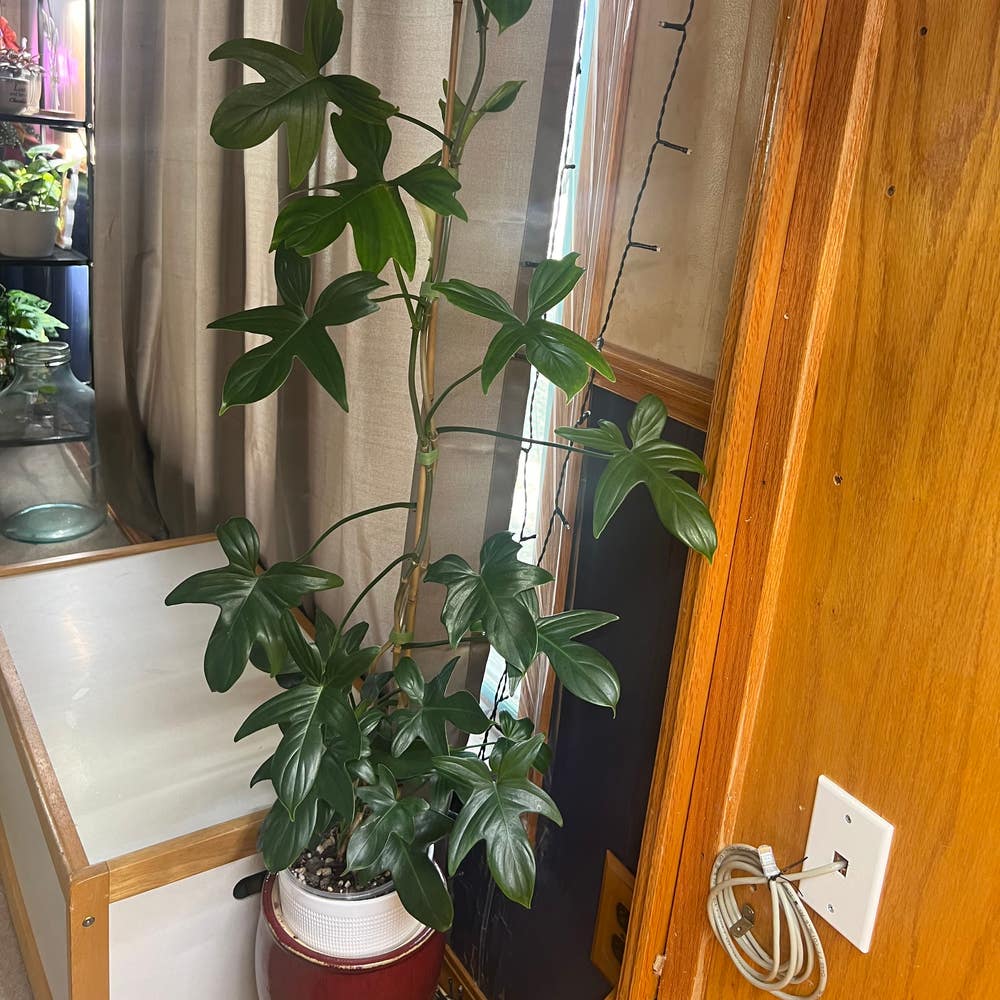
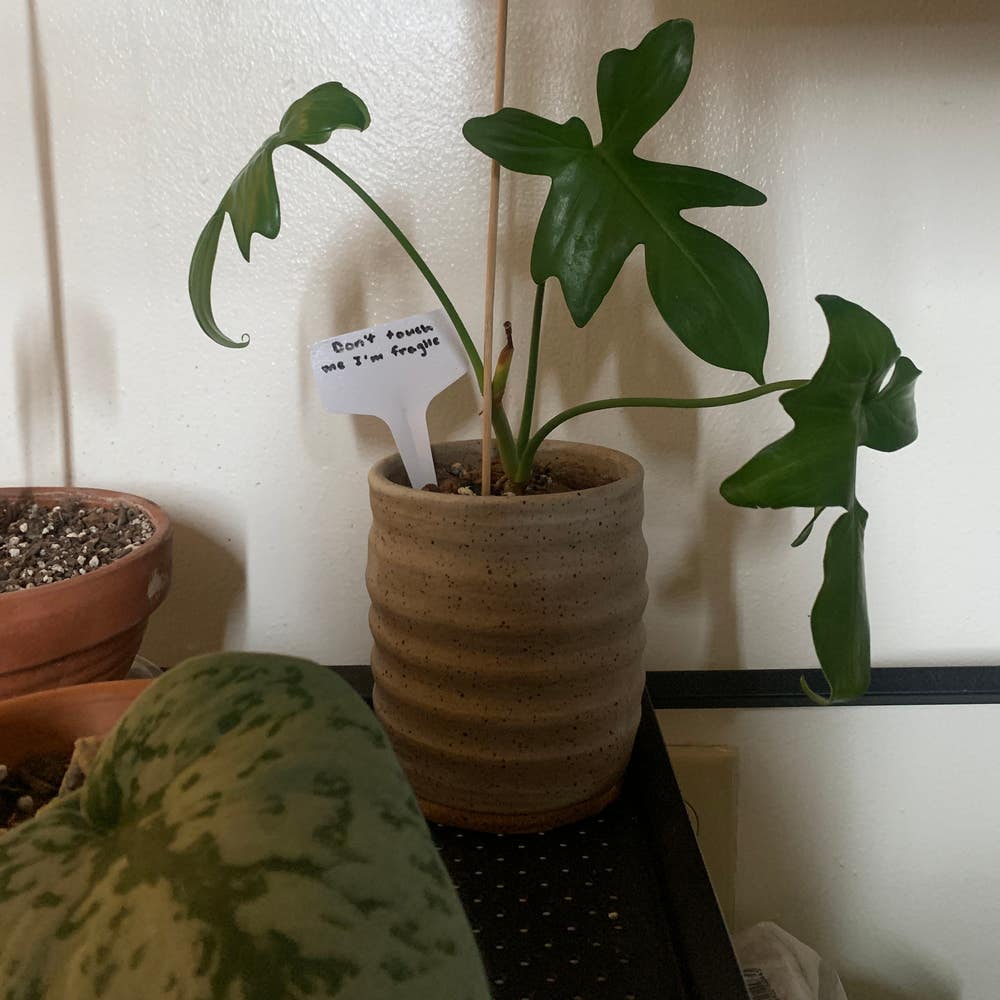
Leaf droopiness in your Philodendron Pedatum isn't just a quirky plant pose; it's a distress signal. When leaves that once reached for the sky start to sag, it's time to play plant detective. Yellowing leaves or those that detach too easily are waving red flags at you.
🚨 Early Symptoms of Leaf Drop
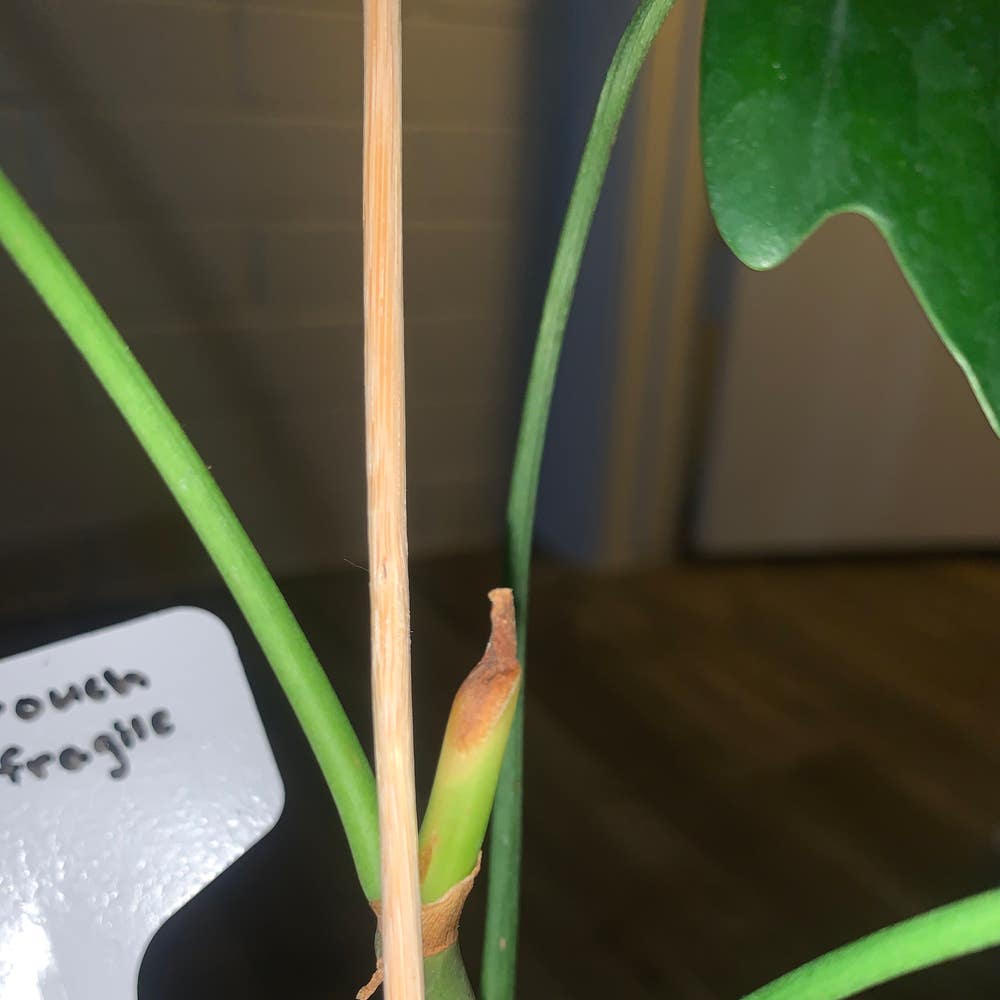
Check for browning tips or a general lack of firmness, which can indicate your green buddy is more than just a little unhappy. If the leaves of your Philodendron Pedatum are more limp than a wet noodle, it's a clear sign that your care routine needs a shake-up.
🌿 Natural Process or Cry for Help?
A leaf here and there hitting the dirt might just be your plant's version of spring cleaning. But if it's an avalanche of green, you've got a problem. Remember, a Philodendron Pedatum dropping leaves faster than a tree in autumn is not just throwing a tantrum; it's screaming for help.
✋ The Feel Test
Get hands-on and feel the soil. If it's squelching like a wet sponge, you're overdoing the H2O. Conversely, if the soil is drier than a stand-up comedian's wit, it's time to up the watering ante—but not too much. Balance is key.
👀 Visual Clues
Spotting edema? Those are not plant pimples; they're a cry for less water. And if your Philodendron Pedatum's leaves are as spotted as a Dalmatian, you might be dealing with pests or disease. Keep your eyes peeled for these troublemakers.
Remember, your Philodendron Pedatum's leaves should be as perky as your mood on payday. Anything less, and you've got some sleuthing to do.

The Usual Suspects: Identifying Causes of Leaf Dropping
💧 Overwatering Overload
Soggy soil is a telltale sign your Philodendron Pedatum is drowning in excess water. Leaves turning yellow and droopy? You might be dealing with overwatering. Edema—those unsightly water blisters on leaves—confirms it.
🚰 How to rescue your Philodendron Pedatum from a waterlogged fate
Cut back on the H2O immediately. Let the soil dry out before you water again. Ensure proper drainage; those drainage holes aren't just for show.
🏜️ Underwatering Underestimation
Neglecting your Philodendron Pedatum's thirst can lead to a sad, leaf-dropping spectacle. Crispy, dry leaves are your clue that you've been stingy with the watering can.
💦 Quenching your plant's thirst without overdoing it
Aim for moist, not marshy. Water deeply, then allow the top inch of soil to dry out before the next watering. It's a delicate balance, but your Philodendron will show its appreciation with healthy leaves.
🌞 Environmental Stress Factors
Fluctuating temperatures and humidity can send your Philodendron Pedatum into a tailspin. Too hot, too cold, too dry, too damp—it's enough to make any plant lose its composure, and its leaves.
🌬️ Drafts and direct sunlight: Avoiding the extremes
Keep your Philodendron away from drafty windows and out of the harsh afternoon sun. Think of it as creating a microclimate that doesn't stress your plant out.
🍽️ The Nutrient Balancing Act
Nutrient deficiencies can lead to a leaf-dropping crisis. Yellowing leaves might signal a cry for more nourishment.
🌱 Tailoring your fertilization strategy to keep leaves thriving
Don't go overboard with the feed—too much can be just as bad as too little. Use a balanced fertilizer and follow the instructions to the letter. Your Philodendron Pedatum's leaf retention will thank you for it.

First Aid for Fallen Leaves: Immediate Actions
🩺 Root Health Emergency Check
When your Philodendron Pedatum starts shedding leaves like a dog in summer, root rot could be the culprit. Unpot the plant to get a clear view of the roots. Healthy roots should be firm and white, not the color of overripe bananas. If they're more mush than muscle, it's time to grab your scissors.
💼 The Repotting Response
Repotting isn't just a change of scenery; it's a lifeline. Trim away the rotten roots with sterilized shears—think of it as surgery for survival. Then, introduce your plant to a fresh pot with well-draining soil. This is no time for a "one size fits all" approach; choose a pot that's just right, giving the roots room without drowning them in space.
✂️ Pruning for Progress
Pruning isn't just for looks; it's a strategic move to redirect your plant's energy. Snip off the damaged leaves, but don't go Edward Scissorhands on it—leave enough foliage for photosynthesis. Clean your tools with alcohol after each cut to avoid spreading any plant pandemics.
🧼 Cleaning Up and Caring for the Wounds
After the amputation, let your plant recover. Monitor the soil moisture like it's your bank balance during a shopping spree. Water sparingly, but don't leave your green buddy high and dry. It's a delicate dance between too much and not enough, so pay attention to the rhythm of your plant's needs.

Keeping Leaves Loyal: Long-Term Prevention Strategies
💧 Watering Wisdom
Philodendron Pedatum's health hinges on moisture management. Overwatering can cause leaves to bid adieu, while underwatering leaves them gasping for a drink.
- Check soil moisture with a moisture meter or the trusty finger test.
- Adjust watering to the plant's changing needs, considering light exposure and seasonal shifts.
🌿 Environment Equilibrium
Creating a consistent environment is key to preventing the Philodendron Pedatum's leaf loss.
Avoid extremes in temperature and humidity.
Ensure the plant is not in the path of harsh drafts or direct sunlight.
Monitor humidity levels; too much can invite fungi, spelling disaster for leaves.
Use a humidifier or dehumidifier to maintain the Goldilocks zone of humidity—not too wet, not too dry.
Seasonal adjustments are a must. Move your plant away from cold drafts in winter and provide extra humidity if the air is dry.
In summer, ensure there's good airflow to combat overheating.
Regular pruning helps redirect energy to healthy growth and reduces stress that can cause leaf drop.
Use clean, sharp tools to snip away any sad-looking leaves, keeping your Philodendron Pedatum perky.
Remember, the goal is to create a cozy, well-balanced environment for your Philodendron Pedatum. With these strategies, you'll be well on your way to preventing leaf drop and fostering robust plant health.
⚠️ Safety First
This content is for general information and may contain errors, omissions, or outdated details. It is not medical, veterinary advice, or an endorsement of therapeutic claims.
Always consult a qualified healthcare professional before using any plant as food, medicine, or supplement.
Never eat any plant (or feed one to pets) without confirming its identity with at least two trusted sources.
If you suspect poisoning, call Poison Control (800) 222-1222, the Pet Poison Helpline (800) 213-6680, or your local emergency service immediately.
Spotted an error? Please report it here.
Revive your Philodendron Pedatum from its leaf-dropping woes and prevent future avalanches of green with Greg's custom care alerts 🍃, ensuring your plant thrives in its perfect microclimate.