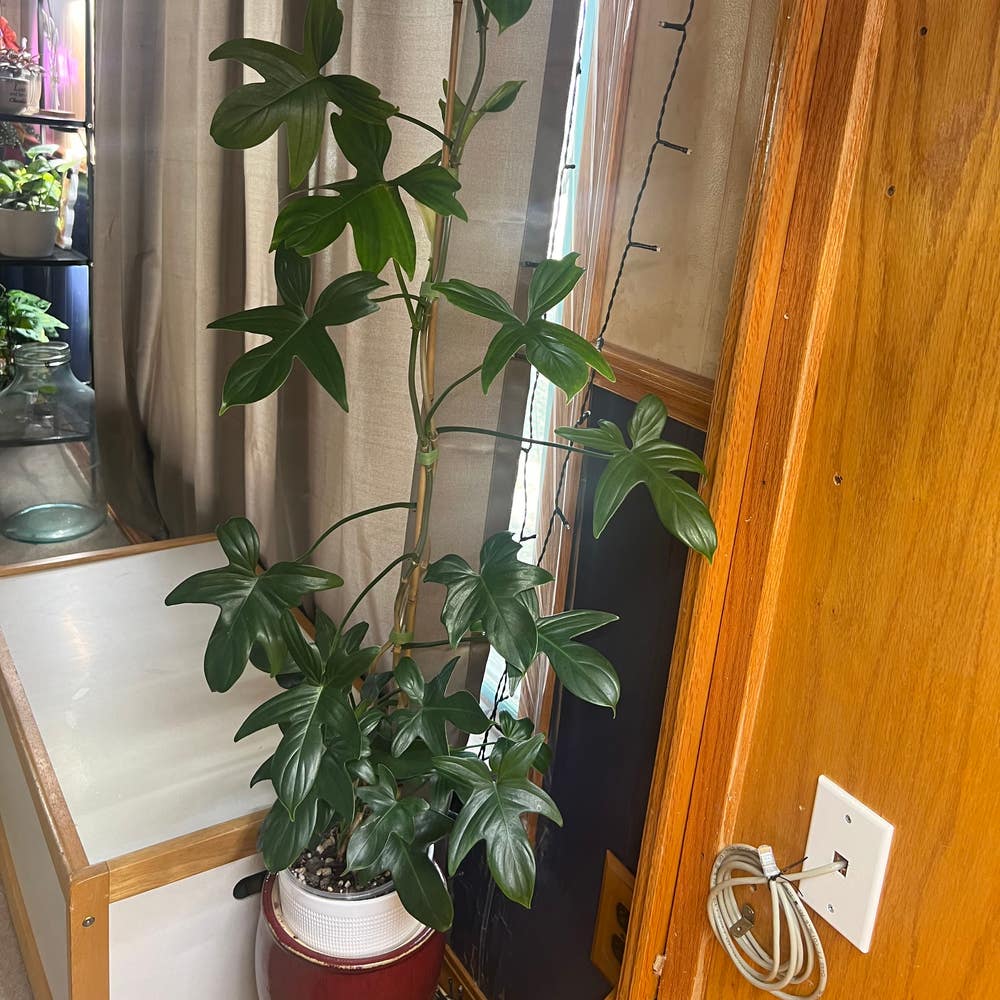
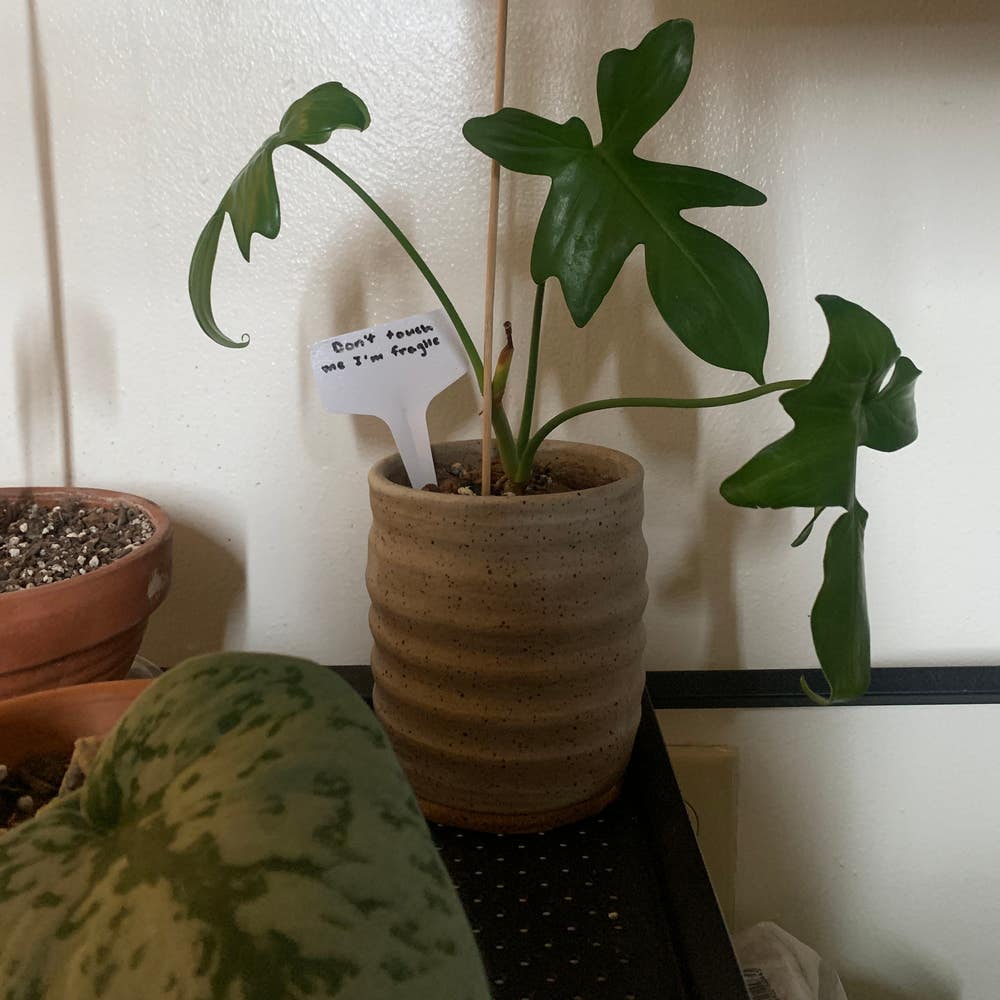
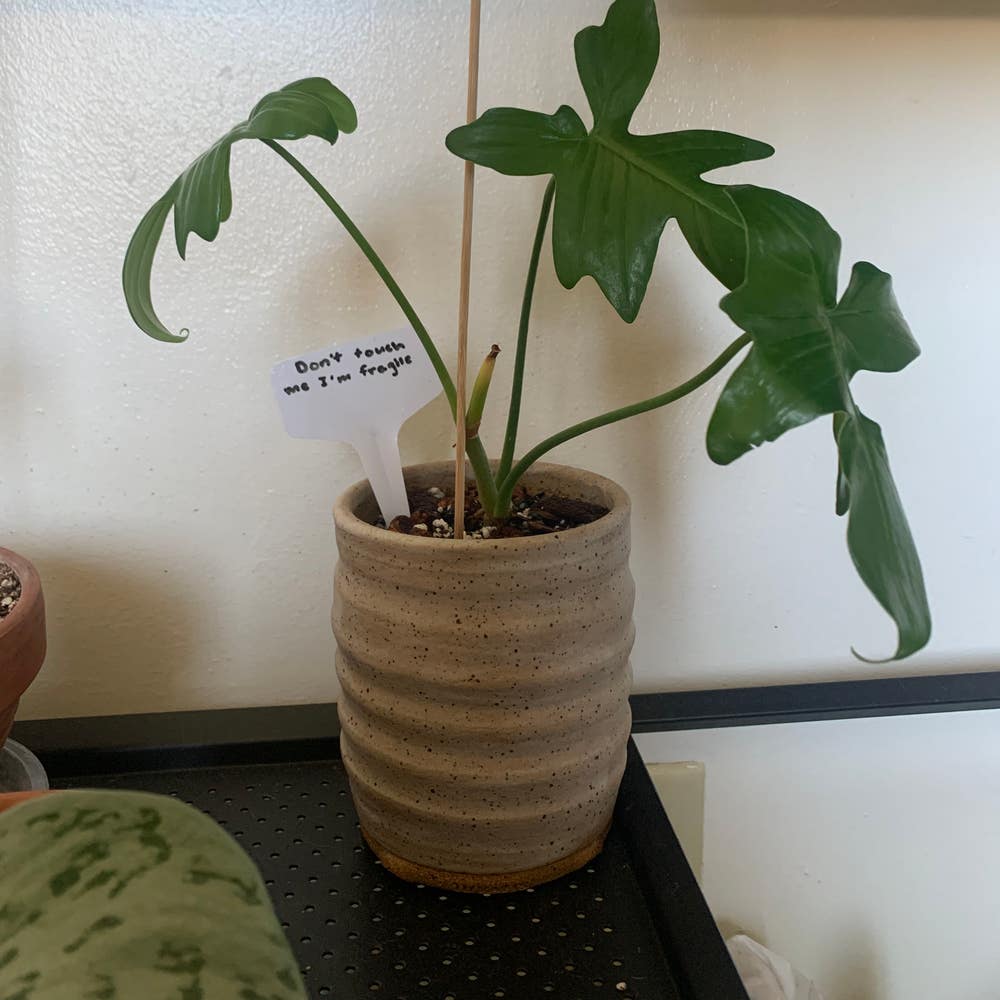
🌰 Ultimate Guide to Oak Leaf Philodendron Roots
Philodendron pedatum
By the Greg Editorial Team
Sep 30, 2024•6 min read
This article was created with the help of AI so we can cover more plants for you. May contain errors. See one? Report it here.
Master the art of caring for your Oak Leaf Philodendron by understanding its unique root system! 🌱
- 🌱 Oak Leaf Philodendron roots enhance nutrient absorption with a fibrous system.
- 🌿 Proper watering and soil prevent root rot; let soil dry between waterings.
- 🌞 Transplant in spring if rootbound; healthy roots are key for thriving plants.
Root System Characteristics
Type of Root System 🌱
The Oak Leaf Philodendron boasts a fibrous root system characterized by thin, branching roots that spread widely. This structure is particularly advantageous for nutrient and water absorption, allowing the plant to thrive in various environments.
Specific Characteristics 🌿
These roots are adaptable, making them suitable for different pot sizes and soil conditions. Their extensive network plays a crucial role in the overall stability and health of the plant, anchoring it firmly while facilitating growth.
Understanding these root characteristics can significantly enhance your care practices, ensuring your Oak Leaf Philodendron remains vibrant and healthy. Next, let’s explore the fascinating root growth patterns of this resilient plant.
Root Growth Patterns
Depth and Spread 🌱
The Oak Leaf Philodendron typically develops a root depth of 12-18 inches (30-45 cm) when planted in well-draining soil. In optimal conditions, its roots can spread out to an impressive 2 feet (60 cm) or more, allowing for effective nutrient and water absorption.
Growth Patterns in Different Environments 🌍
Root growth is significantly influenced by environmental factors like light, temperature, and humidity. For instance, brighter light and higher humidity levels can promote more vigorous root development.
When grown indoors, the Oak Leaf Philodendron may exhibit slower growth patterns due to limited light and airflow. Conversely, outdoor plants often thrive with more space and natural conditions, leading to a more robust root system.
Understanding these growth patterns can help you create the ideal environment for your Oak Leaf Philodendron, ensuring it flourishes beautifully.
Care Practices Influenced by Roots
Watering Techniques 💧
Watering your Oak Leaf Philodendron is crucial for its root health. Aim to let the top inch of soil dry out between waterings to prevent over-saturation.
Proper drainage is essential to avoid waterlogging, which can lead to root rot. Ensure your pot has adequate drainage holes and consider using a well-draining soil mix.
Fertilizing Considerations 🌱
Choosing the right fertilizer can significantly impact your plant's growth. Opt for balanced, water-soluble fertilizers that are suitable for houseplants.
During the growing season, fertilize every 4-6 weeks to provide essential nutrients. This regular feeding helps maintain vibrant foliage and robust root systems.
Transplanting Tips and Timing ⏳
Recognizing when to transplant is key to your plant's health. Signs include rootbound conditions, where roots circle the pot, and stunted growth.
The best time to transplant your Oak Leaf Philodendron is in spring, coinciding with its active growing season. This timing allows the plant to recover quickly and thrive in its new environment.
By following these care practices, you can ensure your Oak Leaf Philodendron remains healthy and vibrant. Next, let’s explore common root-related issues that may arise and how to address them effectively.
Common Root-Related Issues
🦠 Identifying Root Rot and Other Diseases
Root rot is a common issue for Oak Leaf Philodendron, and its symptoms are hard to miss. Look out for wilting leaves, yellowing foliage, and a foul odor emanating from the soil.
Other diseases can also affect the roots, such as fungal infections. These can lead to further deterioration if not addressed promptly.
🛠️ Solutions for Common Root Problems
Preventive measures are key to maintaining healthy roots. Ensure proper watering techniques and use well-draining soil to avoid waterlogging.
If you suspect root rot, act quickly. Remove the affected roots and repot the plant in fresh, dry soil to give it a fighting chance.
By staying vigilant and proactive, you can keep your Oak Leaf Philodendron thriving and vibrant. Now, let's explore how to recognize indicators of root health.
Indicators of Root Health
👀 Visual Cues for Healthy vs. Unhealthy Roots
Healthy roots are typically white or light tan and have a firm texture. In contrast, unhealthy roots appear brown, mushy, or slimy, signaling potential problems.
🔍 Other Indicators of Root Health
Plant growth patterns can reveal a lot about root health. Stunted growth or yellowing leaves often indicate underlying root issues that need attention.
Soil condition is another critical factor. A foul smell or unusual texture can hint at root problems, urging you to investigate further.
By keeping an eye on these indicators, you can ensure your Oak Leaf Philodendron thrives. Healthy roots lead to a vibrant plant, so don’t overlook these signs!
Next, let’s explore the common issues that can arise with roots and how to tackle them effectively.
Rootbound Plants
Definition and Recognition 🌱
Rootbound plants occur when roots circle the pot, limiting their growth space. You can spot a rootbound Oak Leaf Philodendron by looking for roots emerging from drainage holes or noticing poor growth despite proper care.
When and How to Address Rootbound Issues 🛠️
Intervention is necessary when you see growth stagnation or crowded roots.
- Timing: Address rootbound conditions in spring when the plant is actively growing.
- Repotting Techniques: Carefully remove the plant from its pot and gently loosen the roots.
- Root Pruning: Trim any excessively long or damaged roots before replanting in a larger pot with fresh soil.
By taking these steps, you can help your Oak Leaf Philodendron thrive and encourage healthy growth. Transitioning to a more spacious environment will rejuvenate your plant and promote its overall health.
Propagation and Division
Importance of Root Health in Propagation 🌱
Healthy roots are crucial for successful propagation outcomes. They provide the necessary nutrients and stability for new plants, ensuring they thrive in their new environment.
Techniques for Dividing and Propagating ✂️
To propagate your Oak Leaf Philodendron effectively, follow these steps:
- Choose a healthy parent plant. Look for one that shows robust growth and vibrant leaves.
- Remove from pot and gently separate roots. Take care not to damage the roots during this process.
- Replant divisions in suitable pots with fresh soil. Ensure the new pots have good drainage to promote healthy root growth.
Tips for Ensuring Root Health During Propagation 💧
- Use clean tools to prevent disease transmission.
- Water lightly after repotting to avoid waterlogging.
- Monitor humidity levels to support root establishment.
By focusing on root health, you set the stage for resilient new plants that can flourish in their new homes. This attention to detail not only enhances your propagation success but also deepens your connection to the plant.
As you embark on this journey of propagation, remember that each division is a new opportunity for growth and beauty. Next, let’s explore how to identify and address common root-related issues.
⚠️ Safety First
This content is for general information and may contain errors, omissions, or outdated details. It is not medical, veterinary advice, or an endorsement of therapeutic claims.
Always consult a qualified healthcare professional before using any plant as food, medicine, or supplement.
Never eat any plant (or feed one to pets) without confirming its identity with at least two trusted sources.
If you suspect poisoning, call Poison Control (800) 222-1222, the Pet Poison Helpline (800) 213-6680, or your local emergency service immediately.
Spotted an error? Please report it here.
Nurture your Oak Leaf Philodendron's roots for vibrant growth 🌱 by using Greg's tailored watering reminders and expert care tips to keep your plant thriving!