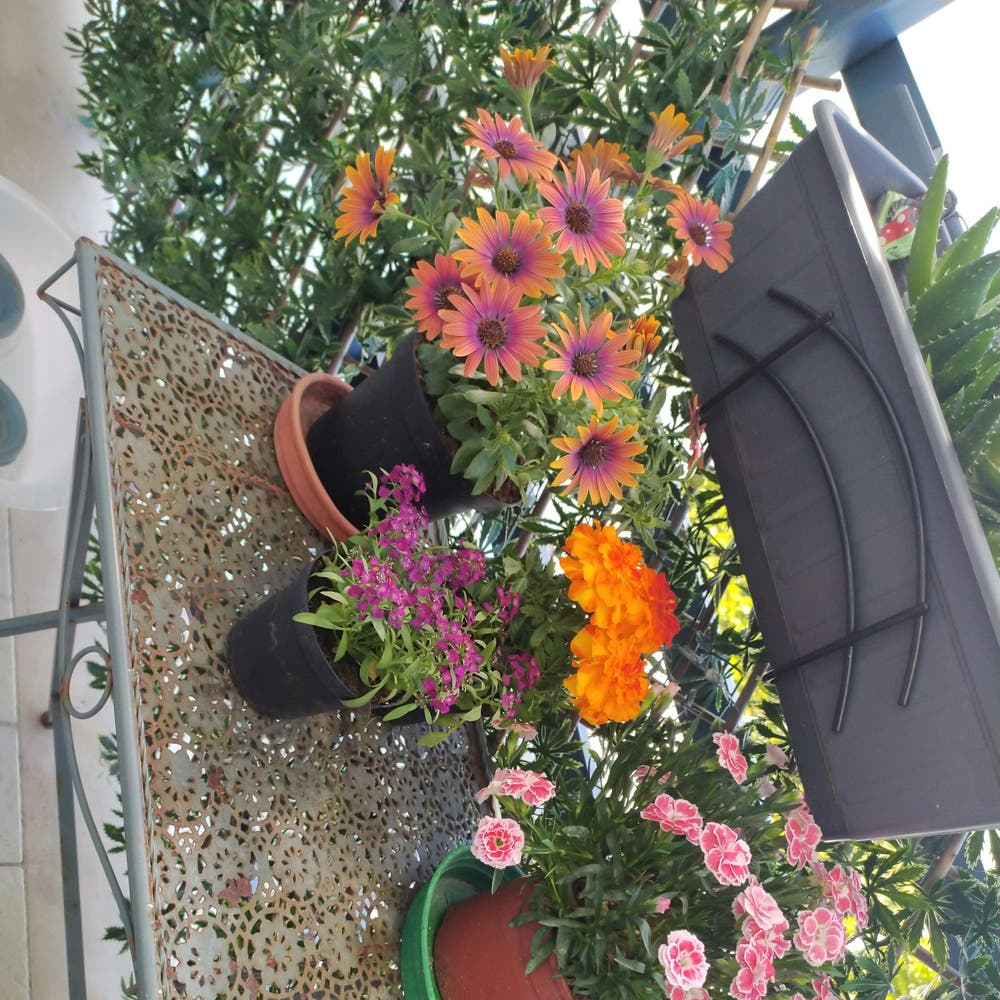
❄️ Introduction to Sweet Alyssum 'Snow Crystals'
Lobularia maritima 'Snow Crystals'
By the Greg Editorial Team
Jan 26, 2025•11 min read
This article was created with the help of AI so we can cover more plants for you. May contain errors. See one? Report it here.
- 🌞 Sweet Alyssum 'Snow Crystals' needs 6-8 hours of sunlight for optimal growth.
- 🌱 Well-drained, fertile soil with pH 6.0-7.0 is essential for thriving plants.
- 🌼 Regular pruning and deadheading boost blooms and extend flowering season.
How to Grow
Choosing a Location 🌞
Sweet Alyssum 'Snow Crystals' thrives in full sun to partial shade, requiring 6-8 hours of sunlight daily. When selecting a spot, consider its spreading growth habit; give these plants enough room to flourish.
Soil Preparation 🌱
For optimal growth, plant in well-drained, fertile soil. Aim for a soil pH between 6.0 and 7.0 to create the perfect environment for your Alyssum.
Planting Techniques 🌼
When planting, sow seeds about 1/4 inch deep. Space them 6-12 inches apart to ensure adequate air circulation and prevent overcrowding.
Watering Requirements 💧
Regular watering is essential to maintain consistent moisture, but avoid waterlogging. Use a gentle watering technique to prevent disturbing young plants.
Fertilizing Tips 🌿
Utilize a balanced, slow-release fertilizer to nourish your plants. Fertilize once in early spring and again mid-season for the best results.
Pruning and Deadheading ✂️
Prune regularly throughout the growing season to promote healthy growth. Deadhead by pinching off spent flowers, encouraging more blooms and a longer flowering period.
Ongoing Care 🔍
Keep an eye on your plants for signs of stress or disease. Adjust care practices based on seasonal changes to ensure your Alyssum remains healthy and vibrant.
With these tips, you’re well on your way to cultivating a beautiful display of Sweet Alyssum 'Snow Crystals' in your garden! Next, let’s explore how to propagate this delightful plant.
Propagation
🌱 Seed Propagation
To propagate Sweet Alyssum 'Snow Crystals' from seeds, direct sow them in spring after the last frost. Under optimal conditions, you can expect germination within 7-14 days.
✂️ Cutting Propagation
For those who prefer cuttings, select healthy stems that are about 3-4 inches long. Place these cuttings in a well-draining medium and keep them moist to encourage rooting.
Propagation is a rewarding process that allows you to expand your garden effortlessly. Whether you choose seeds or cuttings, both methods can lead to a flourishing display of these charming flowers.
Lifecycle
Lifecycle Stages 🌱
Sweet Alyssum 'Snow Crystals' is an annual plant, meaning it completes its lifecycle in just one growing season. This lifecycle includes several key stages: seed germination, seedling development, vegetative growth, flowering, and seed production.
Germination Process and Timeline ⏳
The germination process typically takes about 7-14 days under optimal conditions. This is the crucial first step where seeds awaken and begin their journey toward becoming vibrant plants.
Seedling Stage Characteristics 🌿
During the seedling stage, the plant develops true leaves and establishes its root system. This is a vital period for growth, as healthy roots will support the plant's future development.
Growth and Flowering Timeline 🌸
Once germination occurs, you can expect flowering within 6-8 weeks. This rapid timeline makes Sweet Alyssum a rewarding choice for gardeners eager to see blooms quickly.
Seed Production and Lifespan 🌼
The lifespan of Sweet Alyssum 'Snow Crystals' generally spans from spring to fall. Throughout this time, the plant produces seeds that will ensure the next generation thrives, continuing the cycle of beauty in your garden.
As you nurture your Sweet Alyssum, keep an eye on these lifecycle stages to optimize growth and flowering. Next, we’ll explore the size of this charming plant and what to expect as it matures.
Size
🌱 Mature Height and Spread
Sweet Alyssum 'Snow Crystals' typically reaches a mature height of 4 to 8 inches. Its spread can extend from 12 to 18 inches, making it an excellent choice for ground cover or container arrangements.
⚡️ Growth Rate and Time to Full Size
This plant is known for its fast growth, often achieving full size in just 8 to 10 weeks. This quick development allows gardeners to enjoy its beauty without a long wait.
📏 Size Variability Based on Growing Conditions
The size of Sweet Alyssum can vary based on several factors. Key influences include soil quality, sunlight exposure, and water availability, all of which play a crucial role in determining how robust your plants will become.
As you plan your garden, consider these size characteristics to ensure your Sweet Alyssum fits well within your landscape design. Next, let’s explore the fascinating root system that supports this lovely plant.
Roots
Root System Characteristics 🌱
Sweet Alyssum 'Snow Crystals' features a fibrous root system that supports its dense growth. This type of root structure allows the plant to effectively absorb nutrients and water from the soil.
Root Depth and Spread 🌍
The roots of this plant are typically shallow, spreading horizontally. This characteristic makes them well-suited for various garden settings, as they can thrive in less deep soil.
Common Root-Related Issues ⚠️
Root rot is a common issue, often caused by overwatering. Signs of this problem include wilting and yellowing leaves, indicating that the roots are struggling to function properly.
If the roots become rootbound, they will be tightly packed within the pot. This can be remedied by repotting or dividing the plant, allowing it to expand and grow healthier.
Visual Cues for Healthy vs. Unhealthy Roots 👀
Healthy roots are firm, white, and spread out, indicating a robust plant. In contrast, unhealthy roots may appear dark, mushy, or foul-smelling, signaling that the plant needs immediate attention.
Understanding the root system of Sweet Alyssum 'Snow Crystals' is crucial for maintaining its health. By monitoring root conditions, you can ensure your plants thrive and continue to beautify your garden.
Next, let’s explore the benefits of growing this delightful plant.
Benefits
Top 5 Benefits 🌼
Sweet Alyssum 'Snow Crystals' offers a range of benefits that make it a favorite among gardeners.
- Attracts Pollinators: This charming plant draws in bees and butterflies, enhancing your garden's ecosystem.
- Ground Cover: Its spreading habit helps reduce soil erosion, keeping your garden healthy and vibrant.
- Fragrant Blooms: The sweet scent of its flowers adds a delightful aroma, creating a pleasant outdoor atmosphere.
- Versatile Use: Perfect for borders, containers, and hanging baskets, it fits seamlessly into any garden design.
- Low Maintenance: Once established, it's drought-tolerant and requires minimal care, making it ideal for busy gardeners.
Cultural Significance 🌍
Beyond its practical benefits, Sweet Alyssum 'Snow Crystals' holds cultural significance.
It symbolizes purity and beauty in various cultures, often featured in floral arrangements and gardens for its aesthetic appeal. This plant not only beautifies spaces but also connects us to deeper meanings in nature.
Incorporating Sweet Alyssum into your garden is not just about enhancing your landscape; it's about embracing a plant that brings joy and significance to your outdoor experience.
As we move forward, let's explore how to propagate this lovely flower and ensure its continued presence in our gardens.
Companion Plants
🌱 Companion Planting Benefits
Companion planting is a fantastic way to enhance your garden's diversity. By pairing plants that support each other's growth, you can create a healthier, more vibrant ecosystem.
🌼 Compatible Companion Plants
Sweet Alyssum 'Snow Crystals' thrives alongside several compatible companions. Consider planting pansies, snapdragons, and marigolds. These plants share similar care needs and can help deter pests, making them ideal partners.
However, be cautious with certain plants. Strongly aromatic herbs like mint can compete for nutrients and may not be the best choice for planting nearby.
🌸 Enhancing Your Garden
By choosing the right companions, you not only improve the health of your Sweet Alyssum but also create a visually appealing garden. The combination of colors and textures can elevate your outdoor space, making it a delightful retreat.
🤔 Final Thoughts
Companion planting is more than just a gardening technique; it's a way to foster a thriving environment. Embrace the synergy of plants, and watch your garden flourish with life and beauty.
Next, let’s explore the potential toxicity of Sweet Alyssum 'Snow Crystals' to humans, dogs, and cats.
Toxicity to Humans
Sweet Alyssum 'Snow Crystals' is generally safe for humans, as it is not listed as toxic by major poison control centers. However, it's wise to be cautious; consuming large quantities may lead to mild skin irritation or digestive discomfort.
If you experience any unusual symptoms after contact, it's best to seek medical advice. Always remember that while many plants are harmless, it's good practice to treat all with respect and care.
Toxicity to Dogs
Sweet Alyssum 'Snow Crystals' is safe for dogs, according to veterinary organizations. You can enjoy this beautiful plant without worrying about your furry friends.
However, if your dog consumes a large amount, they may experience mild gastrointestinal upset. It's always a good idea to monitor their behavior around new plants.
To ensure safety, keep these flowers out of reach. This simple precaution can help prevent any potential issues while allowing your garden to flourish.
As you enjoy your Sweet Alyssum, remember to observe your dog's interactions with the plant. This awareness can help you maintain a harmonious garden space for both plants and pets.
Next, let's explore how to keep your Sweet Alyssum thriving by addressing common problems that may arise.
Toxicity to Cats
Sweet Alyssum 'Snow Crystals' is safe for cats, according to pet poison control centers. This means you can enjoy these lovely flowers without worrying about your feline friends.
However, it's worth noting that if consumed in large quantities, they might cause mild gastrointestinal upset.
To keep your cats safe, ensure that the plants are placed in locations where they can't easily reach them.
Regularly monitor your cat's behavior around new plants to catch any unusual interest early on.
Problems
Common Problems with Sweet Alyssum 'Snow Crystals' 🌼
Growing Sweet Alyssum 'Snow Crystals' can be a delightful experience, but it's not without its challenges. Understanding common problems can help you maintain a healthy and vibrant garden.
Incorrect Watering 🚰
Watering is crucial for your plants' health. Overwatering can lead to wilting, while underwatering results in crispy leaves.
Incorrect Light Conditions 💡
Light plays a vital role in plant growth. If you notice yellowing leaves, it may indicate that your Sweet Alyssum isn't getting enough sunlight.
Diseases 🦠
Diseases like powdery mildew and rust can affect your plants. To prevent these issues, ensure good air circulation around your plants.
By keeping an eye on these common problems, you can enjoy a flourishing display of Sweet Alyssum 'Snow Crystals' in your garden. Next, let’s explore potential pest issues that might arise.
Bugs
Potential Pest Issues 🐜
Sweet Alyssum 'Snow Crystals' is generally pest-resistant, making it a favorite among gardeners. However, like any plant, it can still attract a few pesky visitors.
Common Pests 🐞
Spider Mites: These tiny pests can cause significant damage by sucking the sap from leaves, leading to a stippled appearance. Look for fine webbing as a telltale sign.
Aphids: These small, soft-bodied insects cluster on new growth and can stunt plant growth. They excrete a sticky substance called honeydew, which can lead to sooty mold.
Whiteflies: Similar to aphids, whiteflies feed on plant sap and can cause yellowing leaves. They also produce honeydew, attracting ants and other pests.
Identification and Treatment 🕵️♂️
Identifying these pests early is crucial for effective management. Regularly inspect your plants for any signs of infestation.
Spider Mites: If you spot them, increase humidity around your plants and consider using insecticidal soap or neem oil.
Aphids: A strong blast of water can dislodge them. For severe infestations, insecticidal soap or natural predators like ladybugs can help.
Whiteflies: Yellow sticky traps can catch adults, while insecticidal soap can control nymphs.
Prevention Tips 🚫
To keep your Sweet Alyssum thriving, maintain good air circulation and avoid overcrowding. Healthy plants are less susceptible to pests, so regular monitoring and care are essential.
By staying vigilant and addressing any pest issues promptly, you can enjoy the beauty of your Sweet Alyssum without the worry of unwanted guests. Now that you’re equipped with pest management strategies, let’s explore the common problems that can affect your plants.
What Eats
🦌 Common Animals
Sweet Alyssum 'Snow Crystals' can attract a variety of garden visitors.
- Deer: Look for signs like chewed leaves and stems, indicating they’ve taken a liking to your plants.
- Rabbits: These little nibblers often leave evidence of their appetite on young plants.
- Squirrels: You might notice them digging around the base, searching for tasty roots or bulbs.
🕵️♂️ Signs of Animal Presence and Damage
Identifying animal damage is crucial for maintaining your garden's health.
- Chewed foliage: Look for irregular bites on leaves.
- Trampled plants: Flattened areas can indicate larger animals have passed through.
🚫 Deterrent Methods
Keeping these critters at bay can be a challenge, but there are effective strategies.
- Chemical deterrents: Consider using commercial repellents designed to discourage animal visitors.
- Organic control: Planting strong-smelling herbs nearby can naturally deter animals, creating a fragrant barrier around your Sweet Alyssum.
By being aware of these potential threats and employing deterrent methods, you can help ensure your Sweet Alyssum thrives. Next, let’s explore the common problems that can affect its growth.
⚠️ Safety First
This content is for general information and may contain errors, omissions, or outdated details. It is not medical, veterinary advice, or an endorsement of therapeutic claims.
Always consult a qualified healthcare professional before using any plant as food, medicine, or supplement.
Never eat any plant (or feed one to pets) without confirming its identity with at least two trusted sources.
If you suspect poisoning, call Poison Control (800) 222-1222, the Pet Poison Helpline (800) 213-6680, or your local emergency service immediately.
Spotted an error? Please report it here.
Unlock a blooming paradise 🌼 with Sweet Alyssum 'Snow Crystals' by using Greg's tailored watering alerts and expert care tips to keep your garden thriving all season long!