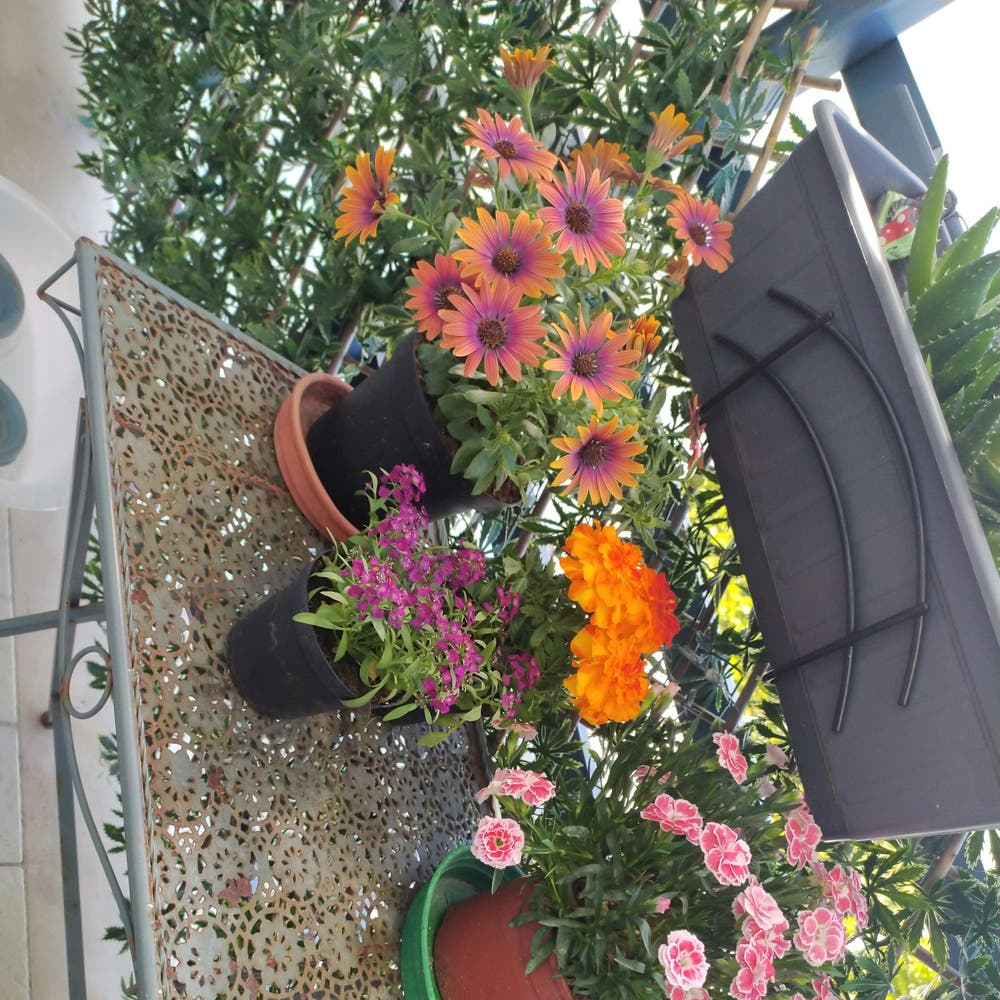
❄️ Optimal Temperature for Your Alyssum 'Snow Crystals'
Lobularia maritima 'Snow Crystals'
By the Greg Editorial Team
Oct 15, 2024•4 min read
This article was created with the help of AI so we can cover more plants for you. May contain errors. See one? Report it here.
- ❄️ Alyssum 'Snow Crystals' thrives best between 60°F and 75°F; avoid extremes.
- 🌡️ Wilting leaves signal heat stress; provide shade during hot summer days.
- 🌱 Proper soil moisture management is key to preventing temperature-related issues.
Effects of Temperature Extremes on Growth
❄️ Cold Tolerance
Alyssum 'Snow Crystals' showcases impressive cold tolerance, allowing it to withstand light frosts. However, when temperatures dip below 60°F (15°C), growth and flowering can slow significantly, impacting the plant's overall vitality.
🔥 Heat Tolerance
On the flip side, Alyssum struggles with heat. When temperatures soar above 75°F (24°C), the risks increase, leading to wilting and stunted growth. Excessive heat can stress the plant, making it crucial to monitor conditions closely.
Understanding these temperature extremes is vital for nurturing healthy Alyssum plants. By recognizing their cold and heat tolerances, you can better manage their growth and ensure vibrant blooms throughout the seasons.
Signs of Temperature Stress
🌡️ Wilting: A Clear Indication of Heat Stress
Wilting is one of the first signs your Alyssum 'Snow Crystals' may be experiencing heat stress. When temperatures soar, the plant struggles to retain moisture, leading to drooping leaves.
⚠️ Yellowing Leaves: A Dual Warning
If you notice yellowing leaves, it could signal cold stress or a nutrient deficiency. This discoloration often indicates that the plant is not thriving in its current temperature conditions.
📉 Stunted Growth: A General Indicator
Stunted growth is another red flag for unfavorable temperature conditions. When your Alyssum isn't growing as expected, it may be reacting to temperature extremes.
🌬️ Flower Drop: The Impact of Fluctuations
Flower drop can occur due to sudden temperature fluctuations. If blooms are falling off prematurely, it’s a sign that your plant is struggling to cope with its environment.
Recognizing these signs early can help you take action to protect your Alyssum. By monitoring your plants closely, you can ensure they thrive despite temperature challenges.
Next, let’s explore the causes of temperature stress and how to mitigate its effects.
Causes of Temperature Stress
🌡️ Sudden Temperature Fluctuations
Alyssum 'Snow Crystals' can struggle with abrupt temperature changes. These fluctuations hinder the plant's ability to acclimatize, leading to stress that can stunt growth and reduce flowering.
🔥 Prolonged Exposure to Extreme Temperatures
Extended periods of extreme heat or cold can be detrimental. Heat waves may cause wilting, while cold snaps can lead to frost damage, both of which compromise the plant's health.
💧 Poor Soil Moisture Management
Soil moisture plays a crucial role in temperature regulation for roots. Inadequate watering can exacerbate temperature stress, making it harder for Alyssum to thrive in fluctuating conditions.
Understanding these causes helps you take proactive steps to protect your plants. By managing temperature stress effectively, you can ensure your Alyssum 'Snow Crystals' remain vibrant and healthy.
Seasonal Temperature Considerations
🌸 Spring
Spring offers the perfect conditions for planting Alyssum 'Snow Crystals.' The soil warms up, encouraging robust growth, but be cautious of late frosts that can damage young plants.
To maximize success, consider local climate patterns when deciding on planting times. Early spring is generally ideal, but always check for frost dates in your area.
☀️ Summer
As summer peaks, managing heat stress becomes crucial for your Alyssum. Temperatures above 75°F (24°C) can lead to wilting and stunted growth.
Providing shade during the hottest parts of the day helps protect your plants. Additionally, maintaining soil moisture is essential to keep them thriving.
🍂 Fall
Fall brings a transition in temperatures that can significantly affect growth. Cooler weather often encourages flowering, making it a great time to enjoy the blooms of your Alyssum.
Be mindful of the changing conditions, as they can impact the plant's health. Cooler temperatures can be beneficial, but sudden drops may still pose risks.
❄️ Winter
Winter is a time for your Alyssum to show its cold hardiness. While the plant may enter dormancy, it has strategies to survive the chill.
Look for signs of dormancy, such as reduced growth, and know that new growth will typically emerge in spring. Understanding these cycles helps you care for your plants year-round.
By recognizing seasonal temperature considerations, you can better support your Alyssum 'Snow Crystals' through every stage of the year. Next, let’s explore how to mitigate temperature stress effectively.
Mitigating Temperature Stress
🌬️ Protecting from Cold
To shield your Alyssum 'Snow Crystals' from cold stress, consider using row covers and cloches. These tools help retain warmth, creating a cozy microclimate for your plants.
Timing your planting is crucial to avoid frost damage. Aim to plant after the last expected frost date in your area for the best results.
Mulching is another effective technique. A layer of mulch insulates the roots, keeping them warm during chilly nights.
☀️ Protecting from Heat
During peak summer months, providing shade is essential. Use shade cloth or strategically place taller plants to shield your Alyssum from harsh sunlight.
Watering practices also play a vital role in managing heat stress. Ensure consistent soil moisture to help your plants thrive in high temperatures.
By implementing these strategies, you can effectively mitigate temperature stress and keep your Alyssum flourishing throughout the seasons. Next, let’s explore the seasonal temperature considerations that affect your plants.
⚠️ Safety First
This content is for general information and may contain errors, omissions, or outdated details. It is not medical, veterinary advice, or an endorsement of therapeutic claims.
Always consult a qualified healthcare professional before using any plant as food, medicine, or supplement.
Never eat any plant (or feed one to pets) without confirming its identity with at least two trusted sources.
If you suspect poisoning, call Poison Control (800) 222-1222, the Pet Poison Helpline (800) 213-6680, or your local emergency service immediately.
Spotted an error? Please report it here.
Keep your Alyssum 'Snow Crystals' thriving 🌼 by using Greg's tailored reminders to monitor temperature and ensure optimal growth all year round!