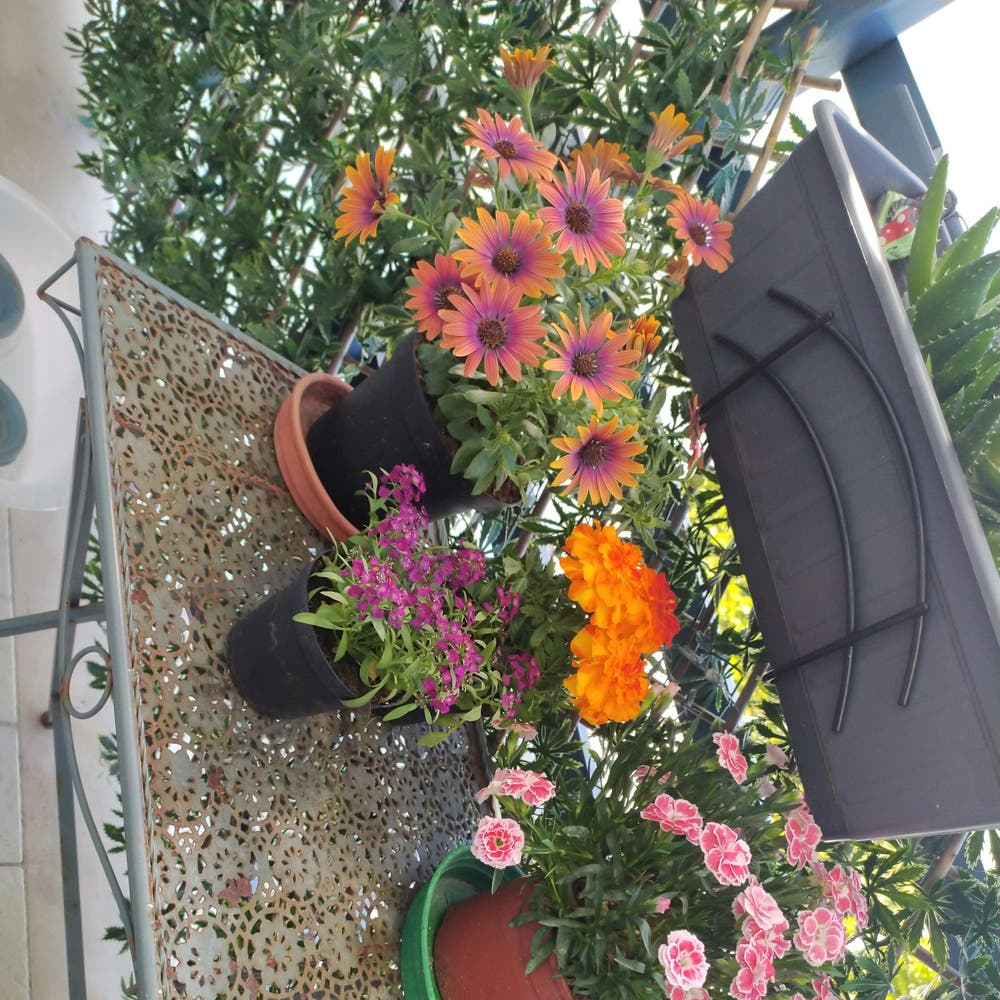
❄️ 3 Outdoor Care Hacks for Alyssum 'Snow Crystals'
Lobularia maritima 'Snow Crystals'
By the Greg Editorial Team
Oct 24, 2024•6 min read
This article was created with the help of AI so we can cover more plants for you. May contain errors. See one? Report it here.
- ☀️ Alyssum 'Snow Crystals' needs 6-8 hours of sunlight for optimal growth.
- 💧 Water weekly, adjusting for heat; yellow leaves mean overwatering, wilting means more moisture.
- 🌱 Use well-draining soil and mulch for moisture retention and temperature regulation.
Outdoor Care Essentials
Sunlight Needs 🌞
Alyssum 'Snow Crystals' thrives in full sun, requiring 6-8 hours of direct sunlight daily. In hotter climates, it can tolerate some afternoon shade, which helps prevent stress and promotes healthy growth.
Sunlight is crucial for blooming and overall plant health. Without adequate light, your plants may struggle to flourish, leading to fewer flowers and weaker growth.
Watering Requirements 🚰
For optimal results, water your Alyssum once a week, increasing frequency during hot weather. Ensure you soak the soil thoroughly, allowing it to dry slightly between waterings to prevent root rot.
Recognizing the signs of overwatering and underwatering is essential. Yellowing leaves indicate overwatering, while wilting and dry soil suggest your plants need more moisture.
Soil Preferences 🌱
Alyssum prefers well-draining soil, such as sandy loam or a quality potting mix. Aim for a soil pH between 6.0 and 7.0, which is slightly acidic to neutral.
To enhance soil quality, consider adding organic matter like compost or well-rotted manure. This not only improves drainage but also enriches the soil with nutrients.
Fertilization 🍽️
Fertilize your Alyssum every 4-6 weeks during the growing season for vibrant blooms. Use a balanced NPK fertilizer or slow-release granules to provide essential nutrients.
Always follow package instructions for dosage to avoid over-fertilization. Proper fertilization ensures your plants remain healthy and produce an abundance of flowers.
With these outdoor care essentials, your Alyssum 'Snow Crystals' will thrive beautifully. Next, let’s explore the best planting options to maximize your gardening success.
Planting Options
Container Planting 🌱
Container planting offers several advantages for growing Alyssum 'Snow Crystals'.
- Mobility: You can easily move containers to ensure your plants get optimal sunlight or protection from harsh weather.
- Controlled Environment: Containers provide better drainage and allow you to manage soil quality more effectively.
However, there are some drawbacks to consider.
- Limited Root Space: Plants in containers may require more frequent watering due to restricted root growth.
- Temperature Sensitivity: Containers can heat up quickly, which may stress the plants in extreme temperatures.
Ground Planting 🌍
Ground planting is another viable option for Alyssum 'Snow Crystals', with its own set of benefits.
- Natural Growth: Plants have more space to expand their roots, promoting healthier growth.
- Less Maintenance: Generally, ground-planted flowers require less frequent watering compared to those in containers.
On the flip side, ground planting has its challenges.
- Soil Variability: You may need to amend the soil to ensure it meets the plants' needs.
- Less Control Over Pests and Diseases: Ground planting can expose your plants to more pests and diseases, requiring vigilant monitoring.
Tips for Choosing the Right Option 📝
When deciding between container and ground planting, consider your specific circumstances.
- Space Considerations: If you have limited space, containers might be the better choice.
- Climate Factors: Ground planting may be more suitable in stable environments where temperature fluctuations are minimal.
By weighing these factors, you can choose the best planting option for your Alyssum 'Snow Crystals', ensuring they thrive in your garden.
Next, let’s explore effective protection strategies to keep your plants healthy and vibrant.
Protection Strategies
🌩️ Weather Protection
Extreme weather can be tough on your Alyssum 'Snow Crystals'. To shield them, consider mulching, which retains moisture and regulates soil temperature effectively.
Another great option is using row covers. These protect your plants from frost and harsh winds, ensuring they thrive even in challenging conditions.
🐛 Pest Management
Outdoor pests can wreak havoc on your plants. Aphids are a common nuisance; look for signs like curled leaves and sticky residue. Control them with insecticidal soap for effective results.
Slugs and snails can also be problematic. Use barriers like copper tape or traps filled with beer to deter these slimy invaders. Regular monitoring is key to catching infestations early.
🦠 Disease Prevention
Keeping your Alyssum healthy means being vigilant about diseases. Root rot is a major concern; watch for yellowing leaves and mushy roots. Prevent it by ensuring proper watering practices.
Powdery mildew is another common issue. Look for white, powdery spots on leaves and treat it with fungicides if necessary. Maintaining good plant health through consistent care is essential for prevention.
By implementing these protection strategies, you can ensure your Alyssum 'Snow Crystals' flourish in any outdoor setting. Next, let’s explore how to adjust your care throughout the seasons for optimal growth.
Seasonal Care
🌱 Seasonal Changes
Caring for Alyssum 'Snow Crystals' requires seasonal adjustments to thrive throughout the year.
Spring: This is the time for planting and fertilization. Ensure your plants receive the nutrients they need to kickstart their growth.
Summer: As temperatures rise, increase your watering frequency and keep an eye out for pests. Regular monitoring is key to maintaining healthy blooms.
Fall: Prepare your plants for cooler temperatures by gradually reducing watering. This helps them acclimate to the changing conditions.
Adapting care to these seasonal shifts is crucial for the overall health of your plants.
🌍 Special Considerations for Different Climate Zones
Understanding your hardiness zone can make a significant difference in how you care for your Alyssum.
Zones 3-7: Focus on providing adequate drainage and protection from harsh winter conditions. These zones benefit from mulching to insulate roots.
Zone 8+: Here, heat tolerance becomes essential. Ensure your plants have enough moisture and consider providing some afternoon shade during peak summer heat.
Tailoring your care based on climate will enhance your plants' resilience and blooming potential.
❄️ Preparing for Winter
As winter approaches, it's vital to prepare your Alyssum for the colder months ahead.
Mulching: This is your best friend for insulating the root zone. A good layer of mulch can protect against freezing temperatures.
Container Plants: If your Alyssum is in a container, consider bringing it indoors or providing extra protection. This will help prevent root damage from frost.
Taking these steps will ensure your plants survive the winter and come back strong in the spring.
With seasonal care in mind, let's explore troubleshooting common issues that may arise in your outdoor garden.
Troubleshooting Common Issues
Identifying and Solving Common Problems 🌱
Outdoor care for Alyssum 'Snow Crystals' can sometimes lead to a few common issues. One of the most noticeable problems is wilting, which can occur due to either underwatering or overwatering.
If your plants are wilting, check the soil moisture. If it feels dry several inches down, it’s time to water. Conversely, if the soil is soggy, you may need to reduce your watering frequency.
Another common issue is yellowing leaves. This can indicate nutrient deficiencies or overwatering. If you suspect a nutrient issue, consider a balanced fertilizer to boost plant health.
Regular monitoring is crucial. Keep an eye on your plants and adjust care as needed to maintain their vibrant appearance.
Addressing Misconceptions About Care 🤔
There are several misconceptions about caring for Alyssum 'Snow Crystals.' One prevalent myth is that these plants require constant watering.
In reality, proper watering practices lead to healthier plants. Allow the soil to dry slightly between waterings to encourage strong root development and prevent root rot.
Understanding these common issues and misconceptions will help you keep your Alyssum thriving. With a little attention, you can enjoy a beautiful display of blooms all season long.
Next, let’s explore seasonal care to ensure your plants remain healthy throughout the year.
⚠️ Safety First
This content is for general information and may contain errors, omissions, or outdated details. It is not medical, veterinary advice, or an endorsement of therapeutic claims.
Always consult a qualified healthcare professional before using any plant as food, medicine, or supplement.
Never eat any plant (or feed one to pets) without confirming its identity with at least two trusted sources.
If you suspect poisoning, call Poison Control (800) 222-1222, the Pet Poison Helpline (800) 213-6680, or your local emergency service immediately.
Spotted an error? Please report it here.
Keep your Alyssum 'Snow Crystals' blooming beautifully 🌼 with Greg's tailored watering reminders and expert care tips that ensure your plants thrive all season long!