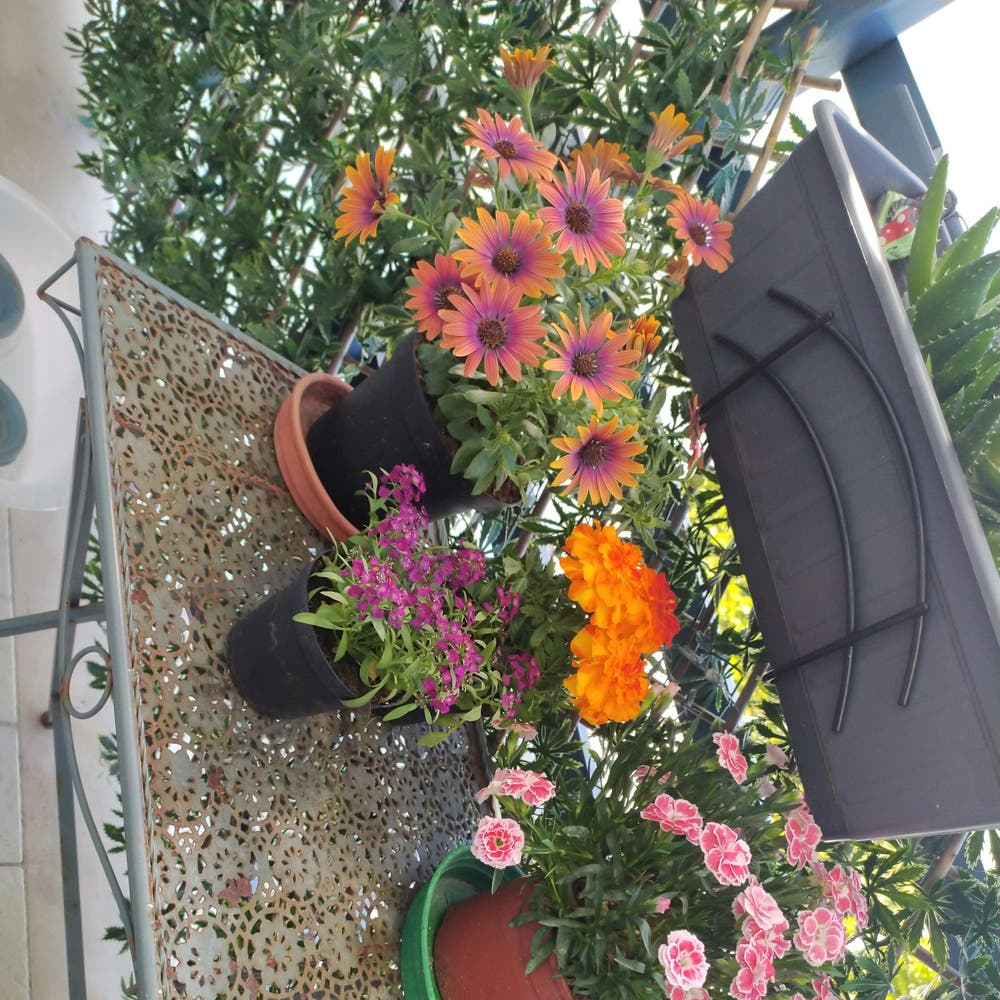
❄️ 6 Tips for How to Plant Your Alyssum 'Snow Crystals'
Lobularia maritima 'Snow Crystals'
By the Greg Editorial Team
Oct 16, 2024•4 min read
This article was created with the help of AI so we can cover more plants for you. May contain errors. See one? Report it here.
- 🌱 Established Alyssum plants adapt faster and are more resilient than new ones.
- 🌞 Plant in early spring or fall for optimal growth and successful establishment.
- 💧 Well-drained soil and consistent moisture are crucial for healthy Alyssum development.
Planting vs. Transplanting Alyssum
🧐 Key Considerations
When deciding between planting new Alyssum 'Snow Crystals' or transplanting established ones, cost is a major factor. New plants can be pricier upfront, while transplanting can save you money if you already have healthy specimens.
Time to maturity is another crucial aspect. New plants typically take longer to establish and bloom, while established plants can quickly adapt and flourish in their new environment.
Adaptability also plays a role in your decision. New plants may struggle initially, but they can acclimate to local conditions over time. In contrast, established plants are already familiar with their surroundings, making them more resilient to changes.
Ultimately, weigh these considerations based on your gardening goals and resources. Whether you choose to plant new or transplant established Alyssum, both options can lead to a vibrant display of blooms in your garden.
Planting New Alyssum
Optimal Timing for Planting 🌱
The best time to plant your Alyssum 'Snow Crystals' is during early spring or fall. This timing allows the plants to establish themselves before the extreme temperatures of summer or winter set in.
Selecting Soil Mix and Containers 🪴
For optimal growth, choose a well-drained, fertile soil with a pH between 6.0 and 7.0. When selecting containers, ensure they are at least 6-8 inches deep to accommodate root development.
Proper Depth and Spacing 📏
When planting seeds or seedlings, aim for a depth of about 1/4 inch. Space your plants 6-12 inches apart to promote healthy growth and airflow.
Maintaining Ideal Growing Conditions ☀️
Alyssum thrives in full sun, requiring 6-8 hours of sunlight daily. Keep the soil consistently moist, but be careful to avoid waterlogging, which can harm the roots.
Hardening Off Process 🛠️
Hardening off is essential for acclimating seedlings to outdoor conditions. Start by keeping them indoors for 1-2 weeks, then gradually expose them to outdoor conditions for 1-2 hours daily.
By following these steps, you'll set your Alyssum up for success, ensuring vibrant blooms and healthy growth. Next, let’s explore how to transplant established Alyssum for those looking to relocate their plants.
Transplanting Established Alyssum
🌱 Optimal Timing for Transplanting
The best time to transplant your Alyssum is during early spring or fall. Look for signs like overcrowding or poor growth to determine if it's time for a move.
🛠️ Step-by-Step Instructions for Transplanting
Removing the Plant
- Water the plant a day before transplanting to ease the process.
- Dig around the root zone carefully, ensuring you maintain a solid root ball.
- Gently lift the plant from the ground, taking care not to damage the roots.
Preparing the New Site
- Choose a location that receives full sun and has well-drained soil.
- Amend the soil if necessary to ensure optimal growth conditions.
🚧 Ensuring Proper Placement and Spacing
Dig a hole that is twice the size of the root ball for adequate space. Maintain a distance of 6-12 inches between plants to allow for healthy growth.
💧 Tips for Watering, Mulching, and Support
After transplanting, water the plants thoroughly to help them settle in. Apply a 1-inch layer of organic mulch to retain moisture and suppress weeds. If needed, use stakes for support to keep your Alyssum upright.
Transplanting can be a rewarding experience, leading to healthier plants and a more vibrant garden. Next, let’s explore how to troubleshoot common issues that may arise during this process.
Troubleshooting Common Issues
Addressing Transplant Shock 🌱
Transplant shock can be a frustrating hurdle for gardeners. Symptoms include wilting, yellowing leaves, and stunted growth, signaling that your Alyssum is struggling to adapt.
To combat this, ensure proper watering. Keep the soil consistently moist but avoid overwatering, and hold off on fertilizing immediately after transplanting to give your plant time to adjust.
Solutions for Establishment Problems 🛠️
If you notice sparse growth or dieback, your Alyssum may be facing establishment problems. These signs often indicate that the plant is not thriving in its new environment.
Check the soil moisture levels. Adjust your watering routine to ensure your Alyssum receives the right amount of hydration for optimal growth.
Other Common Issues 🐛
Pests can also pose a threat to your Alyssum. Common culprits include aphids and spider mites, which can quickly damage your plants.
To control these pests, consider using insecticidal soap. This method is effective and safe for your garden.
Diseases like root rot can also affect your Alyssum. Prevention is key, so ensure proper watering practices and good drainage to keep your plants healthy.
With these troubleshooting tips, you can nurture your Alyssum back to health and enjoy its beautiful blooms. Next, let’s explore how to maintain ideal growing conditions for your plants.
⚠️ Safety First
This content is for general information and may contain errors, omissions, or outdated details. It is not medical, veterinary advice, or an endorsement of therapeutic claims.
Always consult a qualified healthcare professional before using any plant as food, medicine, or supplement.
Never eat any plant (or feed one to pets) without confirming its identity with at least two trusted sources.
If you suspect poisoning, call Poison Control (800) 222-1222, the Pet Poison Helpline (800) 213-6680, or your local emergency service immediately.
Spotted an error? Please report it here.
Plant your Alyssum 'Snow Crystals' with confidence 🌱 by using Greg's tailored care tips and reminders to ensure they thrive in your unique environment!